

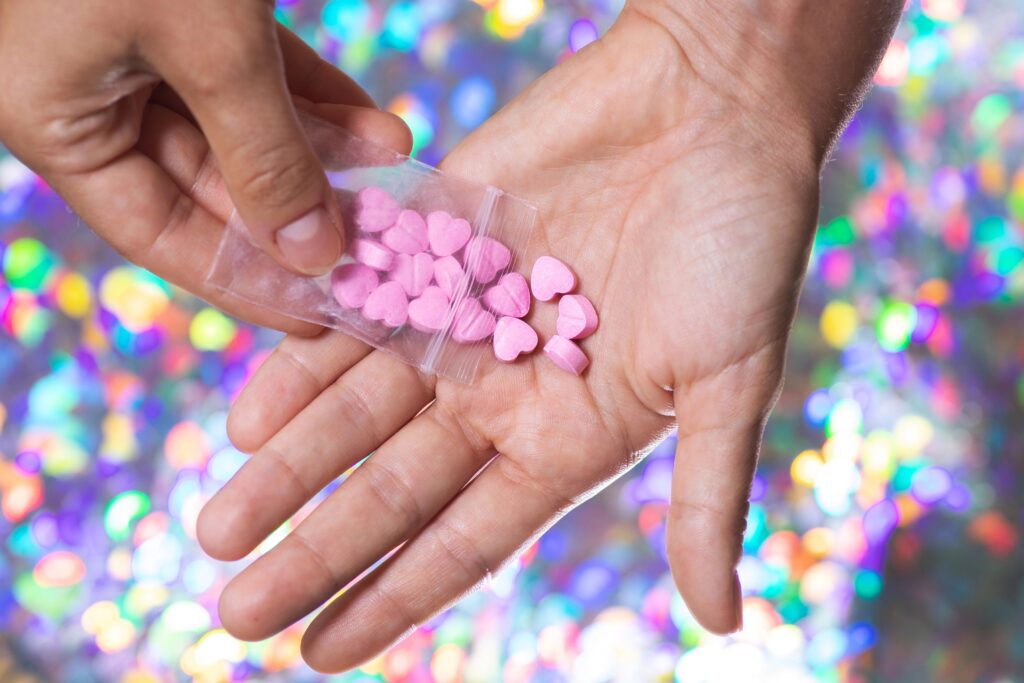
Experimenting with substances can seem like a way to chase a new experience, but combining drugs often multiplies the dangers in ways you can’t predict. One such combination, known as a “candy flip,” involves mixing MDMA and LSD. While some people seek a specific kind of high from this, the reality is that it opens the door to serious physical and psychological risks. Understanding what this drug combination really entails is the first step toward recognizing the harm it can cause and knowing that help is always within reach. If you or someone you love is struggling, you’re not alone, and there’s a path to recovery.
What is a Candy Flip?
A “candy flip” is the street name for a dangerous drug combination: taking MDMA (also known as ecstasy or molly) and LSD (acid) together. This polydrug use involves mixing stimulants with powerful hallucinogens. MDMA is a stimulant that creates feelings of euphoria and empathy, while LSD is a hallucinogen that distorts perception and reality.
People who try this combination are often hoping the MDMA will create a warmer, more positive experience and reduce the anxiety that can come with an LSD trip. However, because both are powerful substances, mixing them can lead to unpredictable and harmful effects on your mental and physical health. The interaction between MDMA and LSD is not something that can be controlled, and the risks are significant.
The Risks and Effects of Candy Flipping
Combining two powerful drugs like MDMA and LSD doesn’t just add their effects together; it multiplies the risks. Because this is an uncontrolled drug combination, the outcome is always unpredictable. Many of the dangers come from the facts about polysubstance use, which can overwhelm the body and brain. If you’re considering this combination, it’s so important to understand the serious side effects you could face.
- Psychological Distress: Instead of a pleasant experience, you might have an overwhelming and terrifying trip filled with anxiety, paranoia, and confusion. This can sometimes lead to lasting mental health challenges, especially for those who may already have an underlying condition. For those struggling with co-occurring disorders, seeking help from a dual diagnosis treatment center is crucial.
- Serotonin Syndrome: Both MDMA and LSD affect the brain’s serotonin levels. Taking them together can cause a dangerous flood of serotonin, leading to a life-threatening condition called serotonin syndrome. Symptoms include agitation, a rapid heart rate, high blood pressure, and muscle twitching.
- Physical Harm: This combination puts immense strain on your body. The stimulant effects of MDMA can cause a dangerous increase in heart rate and body temperature, leading to severe dehydration or even heatstroke, especially in a party or festival environment. Understanding the risks of stimulant addiction and use is a key part of staying safe.
How Candy Flipping Affects the Brain
Candy flipping places intense stress on the brain because both LSD and MDMA directly affect the brain’s serotonin system. MDMA triggers a massive release of serotonin, creating emotional warmth and heightened connection, while LSD alters how serotonin receptors process reality and sensory perception. When both LSD and MDMA are taken together, these effects overlap in unpredictable ways that the brain cannot properly regulate.
This overload increases the risk of psychological instability, especially at higher doses or with repeated use. Because serotonin plays a central role in mood, impulse control, and emotional balance, disrupting it so aggressively can leave lasting effects that extend well beyond the experience itself.
Mental Health Risks of Mixing LSD and MDMA
Mixing LSD and MDMA significantly raises the risk of panic attacks, paranoia, and intense anxiety. What some expect to be a positive psychedelic experience can quickly become overwhelming or frightening. These effects are especially dangerous for individuals with underlying mental health conditions, including anxiety disorders, depression, bipolar disorder, or a history of psychosis.
Candy flipping can also trigger lingering mental health challenges, such as mood swings, dissociation, or persistent anxiety. Some people report long-term changes in perception, sometimes referred to as perception disorder, where visual disturbances or altered sensory perception continue even after drug use stops. These outcomes can deeply impact emotional stability and overall well-being.
Psychological Dependence and Increased Tolerance
While LSD is not considered physically addictive, MDMA can contribute to patterns of psychological dependence. Over time, repeated substance use may lead to increased tolerance, causing people to take higher doses in an attempt to recreate the same effects. This escalation raises the danger of unpredictable reactions and long-term mental health consequences.
As tolerance builds, the line between experimentation and substance abuse can blur. Continued drug use despite negative emotional or physical outcomes is a common warning sign that support may be needed.
Physical Effects and Body Stress
The physical risks of candy flipping are just as serious as the mental ones. MDMA raises heart rate and body temperature, and when combined with LSD, the body’s ability to regulate heat and hydration becomes compromised. This dramatically increases the risk of severe dehydration, overheating, and heatstroke, especially in high-energy or crowded environments.
These effects place strain on the cardiovascular system and can lead to medical emergencies without warning. Because reactions vary widely from person to person, there is no safe way to predict how the body will respond.
Serotonin Syndrome and Medical Emergencies
One of the most dangerous outcomes of mixing LSD and MDMA is serotonin syndrome. This condition occurs when serotonin levels rise too high and overwhelm the nervous system. Symptoms may include agitation, confusion, muscle rigidity, rapid heart rate, nausea, and loss of consciousness.
Serotonin syndrome can become life-threatening quickly and requires immediate medical attention. The risk increases even further when other drugs, prescription medications, or alcohol are involved.
Polysubstance Use and Unpredictable Reactions
Candy flipping rarely occurs in isolation. Many people who engage in this behavior also mix other substances, which compounds the danger. Combining substances places enormous strain on both mental health and physical systems, increasing the likelihood of severe adverse reactions.
Factors such as dosage, purity, frequency of use, and individual health history all play a role. Even experienced users can face unexpected and dangerous outcomes.
When Substance Use Signals the Need for Support
For some individuals, candy flipping is part of a broader pattern of substance use rather than a single experience. When drug use begins to interfere with mental health, emotional stability, or daily life, it may be time to consider addiction treatment. This is especially true when panic attacks, mood instability, or psychological distress persist.
Treatment programs that address both substance use and mental health conditions can provide comprehensive care and long-term support. Seeking help is not a failure; it’s a step toward protecting your health, restoring balance, and prioritizing your future.
Frequently Asked Questions
The combined effects of a candy flip can last a long time, usually somewhere between 6 and 12 hours. The exact duration often depends on the dosage of both the MDMA and LSD, when each substance was taken, and a person’s unique metabolism and tolerance.
While the most intense part of the experience might happen a few hours in, the comedown period can extend for much longer. This can leave someone feeling exhausted, anxious, or depressed for several days, highlighting the significant strain it puts on the body and mind.
While LSD itself is not generally considered physically addictive, MDMA carries a risk of psychological dependence. People can become attached to the intense feelings of euphoria and emotional connection that MDMA provides, which may lead to repeated use to chase that high.
This pattern of using substances to achieve a certain feeling can develop into a substance use disorder. If you find yourself thinking about it often or feeling unable to stop, it’s a sign that seeking professional support could be a helpful step forward.
Using this combination repeatedly can have lasting consequences for your mental health. Long-term psychological effects may include persistent anxiety, depression, paranoia, and issues with memory or concentration. The strain on the brain’s serotonin system can make it harder to regulate mood over time.
Some people may also develop Hallucinogen Persisting Perception Disorder (HPPD), a condition that causes visual disturbances or “flashbacks” long after the drug use has stopped. These risks underscore the dangers of combining such powerful substances.
The combination is unpredictable because both drugs dramatically alter your brain chemistry, especially serotonin levels. Mixing them can overwhelm your system in ways that are impossible to control, leading to severe anxiety, paranoia, or even a dangerous medical condition called serotonin syndrome.
Furthermore, street drugs lack any quality control, so you never truly know the purity or dosage of what you’re taking. Because every person’s body and mind react differently, the same combination can produce vastly different outcomes from one person to the next.
If someone is having a difficult experience, the most important advice is to help them feel safe. Try to move them to a quiet, calm space with minimal stimulation. Speak in a soft, reassuring tone, and remind them that the effects are temporary and will eventually pass.
Stay with them so they aren’t alone. However, if they have a very high fever, are having seizures, become unconscious, or are a danger to themselves or others, it is a medical emergency. You should call 911 for immediate help.
Finding Support for Candy Flipping
If you or someone you know is struggling with substance use, please know that you are not alone and there is a way forward. Choosing to seek help is a sign of incredible strength. At Inner Voyage, we offer a compassionate, non-judgmental space where you can begin your recovery journey. Our approach is designed to support you as a whole person, addressing both substance use and any underlying mental health concerns. We offer various addiction treatment programs to fit your unique needs. Taking that first step can feel overwhelming, but it’s the most important one you’ll ever take.
Navigating the world of polydrug use is complex and often feels isolating, but you don’t have to do it alone. The risks associated with combinations like the candy flip are serious, but recovery is possible with the right support. Taking the first step toward healing is a brave choice. If you are ready to start a new chapter, our team at Inner Voyage is here to guide you with compassion and expertise. Please don’t hesitate to call us at (470) 460-8437 or contact us to learn more about how we can help.
Sources
- (January 12, 1998). ‘Candyflipping’: synergistic discriminative effect of LSD and MDMA. National Library of Medicine.
- (May 31, 2023). Acute effects of MDMA and LSD co-administration in a double-blind …. National Library of Medicine.
- (April 2, 2024). Polysubstance Use Facts | Stop Overdose – CDC. Centers for Disease Control and Prevention.
- (January 2009). Time-dependent Drug–Drug Interaction Alerts in Care Provider … – NIH. National Library of Medicine.
- (May 2004). Timing of Alcohol and Other Drug Use – PMC – NIH. National Library of Medicine.