Request a call to speak with an admissions specialist. We are here to help you.

"*" indicates required fields

Ambien Addiction Treatment: Signs, Withdrawal, and Recovery

Ambien is often prescribed with a simple goal: helping someone sleep. For people facing acute insomnia, that relief can feel immediate and necessary. A few hours of rest can mean the difference between getting through the day and feeling completely undone. But over time, what begins as short-term support can quietly shift. Some people find themselves relying on Ambien not just to fall asleep, but to feel calm enough to face the night at all. As tolerance builds and patterns change, Ambien addiction and physical dependence can begin to take hold in ways that are easy to overlook at first. That shift is more common than people think, and it is not a reflection of failure. It often develops because of how this prescription sedative interacts with the brain and nervous system over time. If you have noticed signs of Ambien misuse, like needing higher doses, feeling anxious without it, or struggling to manage sleep naturally, it may be time to consider Ambien addiction treatment. At Inner Voyage Recovery Center, care begins with understanding the full picture, from mental health and sleep disruption to the patterns that made the medication feel necessary, creating a path toward safer sleep and long-term recovery.

Free Insurance Check

Free & Confidential | HIPAA Compliant | No Obligation

"*" indicates required fields

1
2
3
4
This field is for validation purposes and should be left unchanged.
Ambien addiction treatment addresses severe withdrawal symptoms to ambien and other drugs, while ensuring medical professionals trained in substance abuse treatment options support you along the way. HHS publication no.

What Ambien Addiction Is and Why Ambien Misuse Develops

Ambien, or zolpidem, is a prescription sedative-hypnotic used to treat insomnia. It is classified as a Schedule IV drug, which means it has recognized medical use but also carries a risk of misuse and physical dependence. It works by affecting GABA activity in the brain, slowing the central nervous system enough to help a person fall asleep more quickly.

That mechanism is part of why the medication can feel so helpful at first. It reduces the mental and physical activation that keeps someone awake. But with repeated use, the brain may begin to adapt. A person may develop tolerance, meaning that the same prescribed doses no longer have the same effects over time. They may begin taking more Ambien, taking it earlier, or using it in ways that differ from the original prescription. This is often where Ambien misuse begins to move toward dependence.

The risk grows even more when Ambien is combined with other drugs, alcohol, or other substances that affect the central nervous system. In those situations, the effects of Ambien can become more dangerous, leading to impaired judgment, memory lapses, risky behaviors, and a higher chance of overdose or injury. That is one reason treatment for Ambien often needs to begin with a careful clinical assessment rather than assuming the medication issue exists on its own.

Table of Contents

Behavioral Signs and Effects of Ambien Dependence

Ambien addiction can show up in physical, emotional, and behavioral ways. Some of the clearest warning signs are patterns that gradually become harder to ignore, especially as Ambien misuse shifts into something more consistent and disruptive.

Common signs of Ambien dependence may include:

  • Taking Ambien in higher doses or outside of prescribed times
  • Feeling anxious, restless, or uneasy when medication is unavailable
  • Becoming secretive or defensive about Ambien use
  • Noticeable mood swings, irritability, or emotional withdrawal
  • Slurred speech, poor coordination, or frequent memory lapses
  • Engaging in risky behaviors like sleepwalking, sleep-eating, or sleep-driving
  • Growing reliance on Ambien to fall asleep or feel calm at night

The physical effects of Ambien can become more pronounced over time, especially with chronic or high-dose use. These symptoms are not just side effects. They are signals that the brain and body are adapting to the drug in ways that pose real risks.

Emotionally, many people begin to feel trapped in a cycle. Anxiety around bedtime increases, natural sleep feels out of reach, and the idea of stopping the medication can trigger fear or even panic attacks. Over time, the medication can shift from something helpful to something that feels necessary, reinforcing the cycle of physical dependence and making it harder to break without support.

If you are noticing it takes more ambien than your prescription to fall asleep, a treatment center may be able to support your treatment with Ambien rehab.

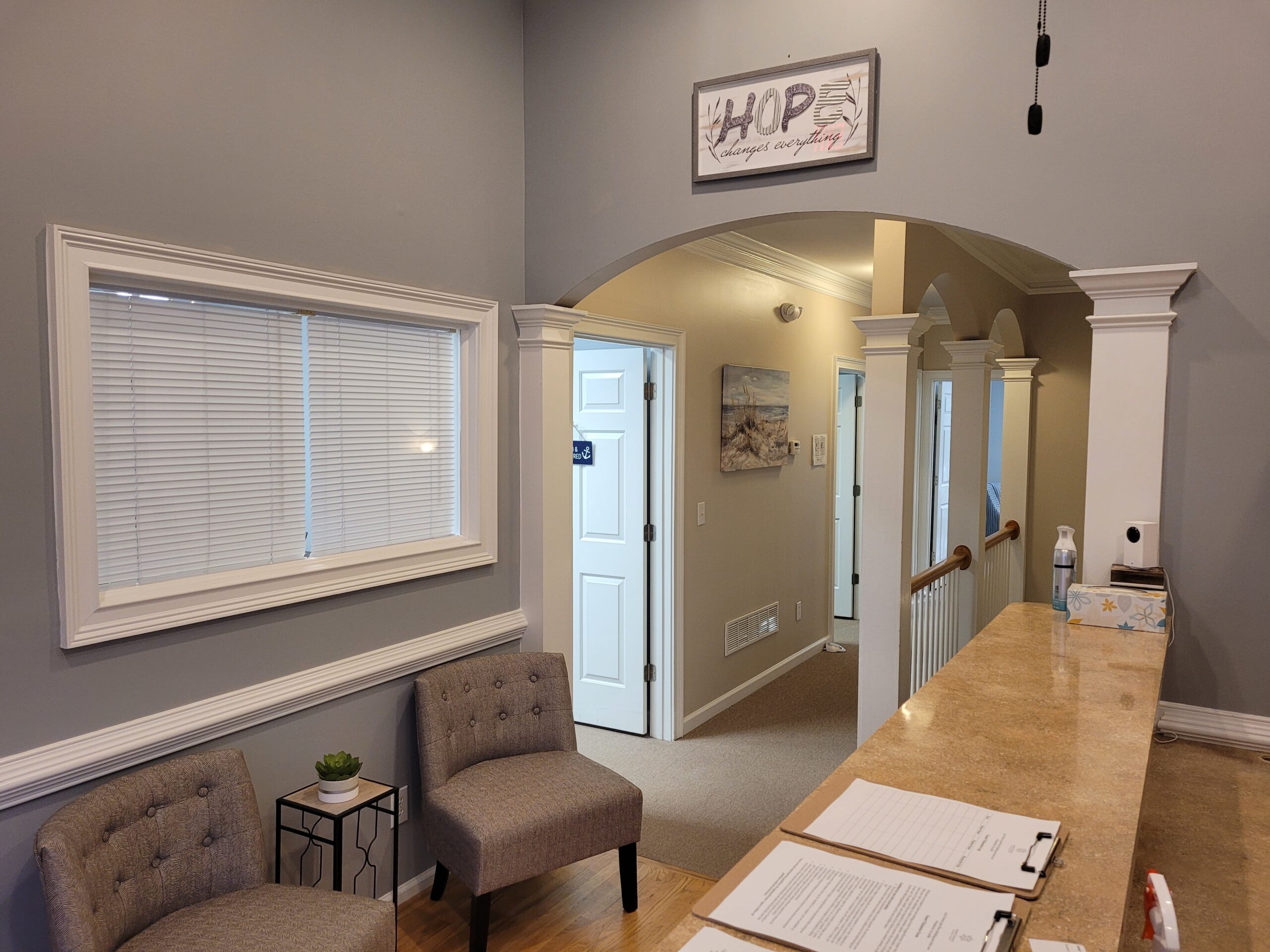
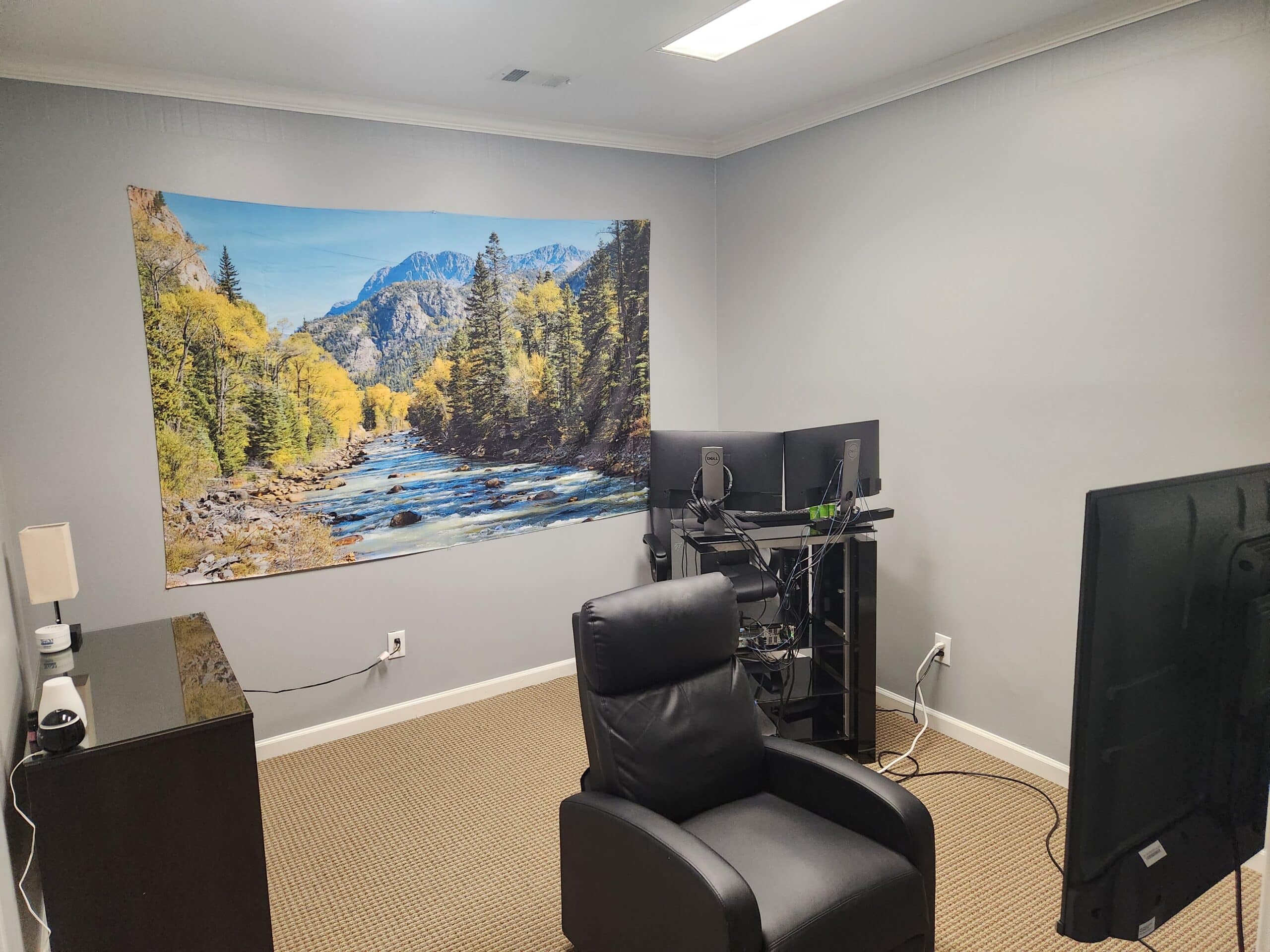
Check Out Our Facility in Atlanta, GA

Discover why our programs are top rated today. Talk with our admissions team about the right treatment plan to bring lasting recovery.

Ambien Use, Mental Health, and Substance Use Disorder

Ambien use rarely becomes problematic in a vacuum. Many people who are struggling with Ambien are also dealing with anxiety, trauma, depression, racing thoughts, or other mental disorders that made sleep difficult long before the prescription entered the picture. In some cases, the medication becomes a way to quiet panic attacks, slow down intrusive thinking, or avoid the dread that comes with lying awake and feeling out of control.

That is why effective addiction treatment needs to address both the medication dependence and the emotional or mental health context around it. If a person is only told to stop taking Ambien without learning how to manage insomnia, stress, or nighttime fear differently, relapse becomes much more likely. This is where dual diagnosis treatment centers Georgia become especially important. When substance use disorder and mental health struggles overlap, integrated care often creates a more stable and realistic recovery process.

At Inner Voyage, this kind of whole-person care matters. The goal is not simply to remove the drug and send the person back into the same conditions that made it necessary. The goal is to build a treatment plan that helps them manage symptoms, understand root causes, and develop healthier coping skills that can hold up over time.

Ambien Withdrawal and Why Medical Supervision Matters

One of the most important things to understand about Ambien withdrawal is that stopping suddenly can be risky. When the body has developed physical dependence, especially after higher doses or long-term use, the nervous system does not simply reset overnight. It reacts, causing the user to experience unpleasant withdrawal symptoms after abusing Ambien.

Common withdrawal symptoms may include:

  • Anxiety and panic attacks
  • Rebound insomnia and difficulty falling asleep
  • Irritability and mood instability
  • Sweating, nausea, and stomach cramps
  • Tremors, restlessness, and agitation

In more severe cases, people may experience withdrawal symptoms that are severe, such as seizures. These risks are why medical supervision at a professional treatment facility for drug abuse is strongly recommended during the medical detox process, particularly for those who have been regularly taking Ambien or combining it with other substances.

The intensity of symptoms depends on factors like dosage, duration of Ambien use, and overall health. Some people experience unpleasant but manageable symptoms, while others require close monitoring and a structured taper guided by medical professionals. Quitting cold turkey can increase the risk of complications, making a gradual, supported approach much safer.

This is where detox Atlanta becomes a critical first step. At Inner Voyage Recovery Center, medically supported detox provides a safe environment to stabilize, manage symptoms, and begin the transition out of dependence. With the right care in place, withdrawal becomes something you move through, not something you have to endure alone, creating a stronger foundation for the next phase of recovery.

Ambien rehab therapy can be a great way to gain a support system for dealing with Ambien addiction.

Inpatient Treatment and Structured Ambien Rehab

After detox, some individuals benefit from a more immersive level of care. Inpatient treatment can provide a structured environment where clients can focus on recovery without the distractions, triggers, and pressures of daily life. This can be especially helpful for people with long-term Ambien use, severe insomnia, co-occurring mental health conditions, or relapse patterns that make early recovery harder to sustain at home.

Within the Inner Voyage site structure, the residential pathway is represented by inpatient alcohol rehab Atlanta, which functions as the approved residential level-of-care anchor. In practice, the benefit here is the same regardless of the primary substance: around-the-clock support, a safe space for stabilization, daily therapy, group counseling, and enough distance from ordinary routines to let healing begin with more consistency.

An inpatient rehab setting also allows the treatment team to address more than withdrawal alone. Sleep disturbance, anxiety, trauma, and unhealthy coping patterns can all be examined in a more focused way, which often leads to stronger long-term recovery than a quick detox alone.

Request A Confidential Call

Help is Here When You're Ready

If you or someone you love is struggling with substance use or other mental health issues, Inner Voyage Recovery can help. Request a callback below to receive care and support you can trust.

"*" indicates required fields

Outpatient Treatment, Partial Hospitalization, and Ambien Recovery

Not every person needs residential care, and not every recovery path has to begin the same way. For some clients, outpatient treatment is the right next step after detox or stabilization. This is especially true when the person has a stable home environment, motivation for treatment, and enough support to remain accountable outside a full-time program.

A partial hospitalization program Atlanta can offer high-intensity treatment during the day without requiring overnight stays. This may be useful for individuals who still need substantial structure, therapy sessions, and monitoring but do not need 24-hour inpatient treatment.

An Atlanta IOP (intensive outpatient program) can also be a strong fit. IOP allows individuals to attend therapy multiple times a week while beginning to re-engage with life responsibilities. This can be helpful when the person needs real support but also wants to maintain work, family, or personal commitments. Outpatient rehab Atlanta may then continue that work at a lower intensity as recovery becomes more stable.

The goal is not to automatically put everyone in the highest level of care. It is to determine which structure is most likely to support real progress, then adjust the treatment plan as the person’s needs change.

CBT Treatment for Ambien Dependence

For many people recovering from Ambien dependence, one of the biggest fears is the return of insomnia. That fear makes sense. If sleep has already been difficult for a long time, the idea of stopping the sleeping pills or prescription sedative can feel like stepping back into the same problem with nothing to replace it.

That is why therapy needs to address sleep directly, not just addiction in general. Cognitive Behavioral Therapy is one of the most useful tools in this process. CBT Atlanta can help clients identify the thoughts and behaviors that contribute to both substance use and sleeplessness. More specifically, CBT for Insomnia, often called CBT-I, teaches practical methods for sleeping without medication. These may include sleep restriction, stimulus control, and routines that help the body re-regulate its natural sleep cycle.

Experience the Inner Voyage Difference

How can our Atlanta Ambien Addiction Treatment help you?

New Skills

Learn to manage stress with mindfulness, breathing, exercise, and more.

Stability

Get help building a routine that works for your life and recovery.

Caring Staff

Our alumni love us, and you will too. We have 67 five-star reviews (and growing).

Insurance Accepted


We accept major insurance carriers. And if you’re inclined, we have self-pay and other options. Just ask our admissions staff!

Veteran Support

You’ll benefit from our staff’s specialized trainings and support for veterans. We understand what you’ve experienced, and can help you process it for good and leave it in the past.

Group Therapy, Family Therapy, and Building Coping Skills

Recovery from Ambien addiction usually requires more than just clinical supervision and sleep management. At Inner Voyage, we know people also need emotional support, accountability, and stronger ways of handling stress without returning to substance use.

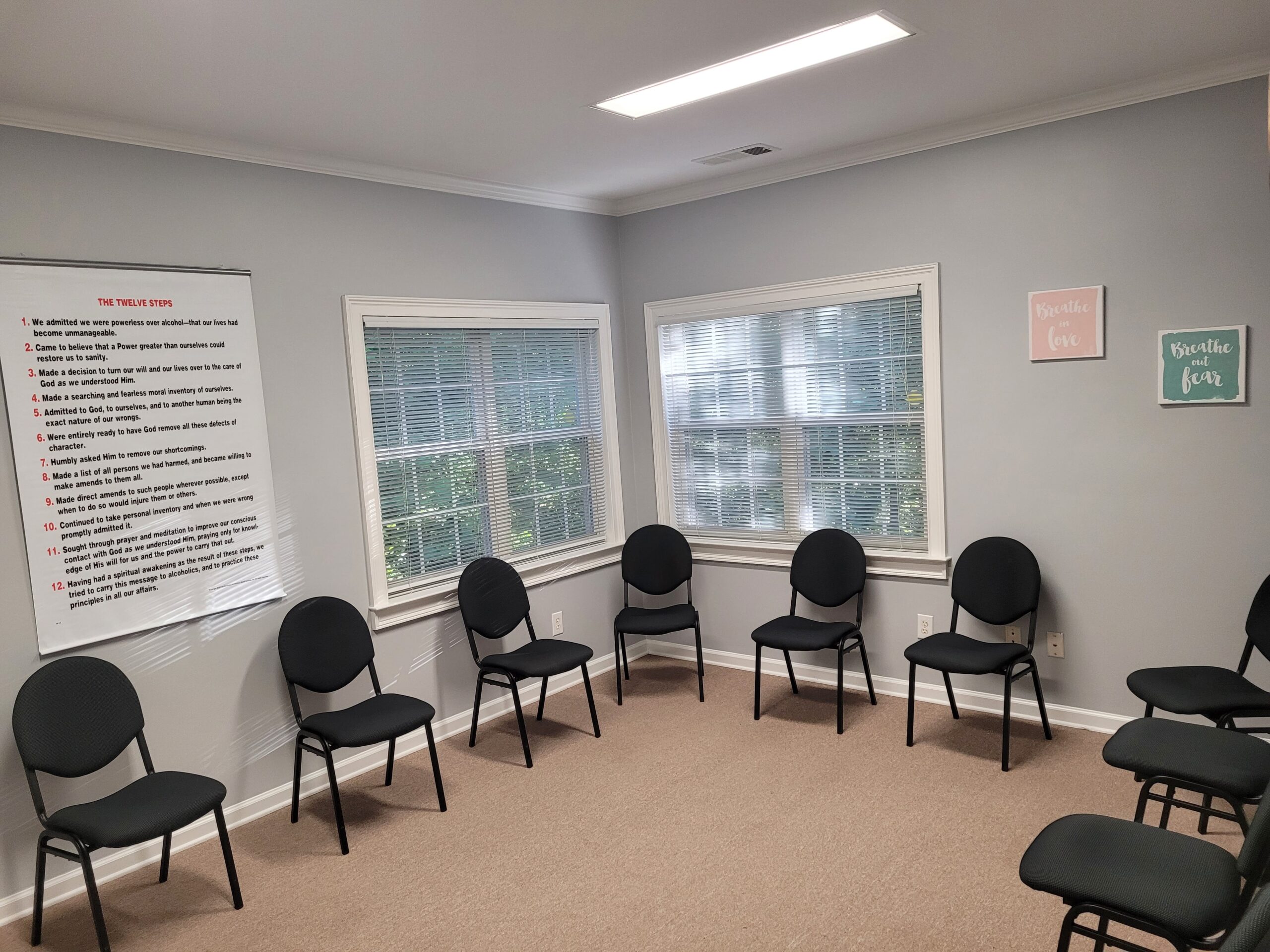
Group therapy Atlanta can help reduce isolation and create a sense of connection with others facing similar challenges. For many clients, group therapy becomes one of the places where they realize they are not the only person whose life revolves around a prescription medication. Group sessions also help reinforce coping skills, emotional honesty, and relapse prevention in ways that are difficult to build on your own.

Individual therapy Atlanta remains essential for more personal work. This is often where a client explores the anxiety, trauma, perfectionism, emotional strain, or chronic fear that made sleep feel unsafe or impossible without medication in the first place. Individual work can also support the process of learning to manage insomnia without relying on a sedative.

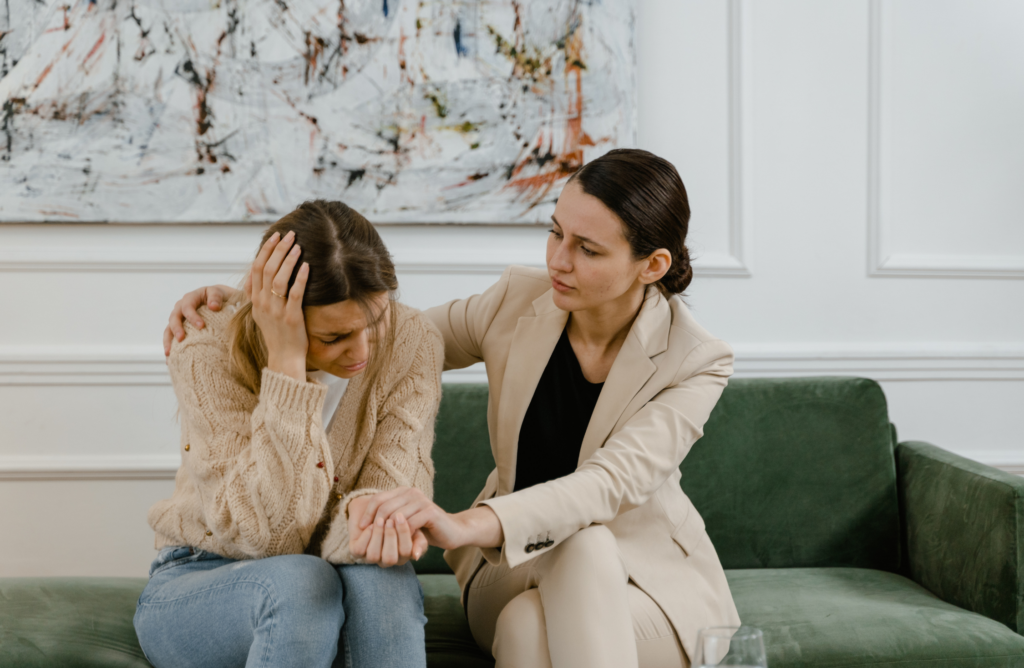
Family involvement can matter too. Family therapy helps loved ones understand addiction, how withdrawal and recovery affect the person, and how to support change without adding shame or confusion. Family therapy Atlanta fits naturally in this part of the treatment process because sleep medication addiction often affects the whole household, not only the individual taking the drug.

Holistic Therapy, Ongoing Support, and Relapse Prevention

At Inner Voyage, recovery is not framed as a short behavioral correction. It is viewed as a longer healing process that involves the client’s mind, body, emotional life, and environment. That is where holistic therapy Atlanta becomes relevant. Holistic care may include mindfulness, grounding practices, body-based support, and other therapeutic tools that help clients regulate stress without sedatives.

This broader approach matters because relapse prevention is not only about resisting urges. It is about building a life where the old coping method is no longer the only available option. People need ongoing support, strong routines, healthier coping skills, and real plans for what happens after formal treatment ends.

Support groups such as SMART Recovery or 12-step groups can provide continued community and encouragement. Aftercare planning often includes therapy, peer support, outpatient follow-up, and practical strategies for maintaining sobriety when stress returns.

Inner Voyage’s alumni program for addiction is one of the most natural internal pathways here because recovery extends beyond formal treatment and needs continuity to hold. Some clients may also benefit from sober living Atlanta if they need more structure during transition.

If you are looking for a more relaxed future, call our team at Inner Voyage Recovery today.

Your Path to Recovery Made Simple

How to Begin Your Recovery Journey

We know beginning treatment can feel intimidating, so we’ve made the process simple and stress-free.

1

Get in touch
with us

Call or complete our contact form to connect with an admissions specialist who takes the time to listen and understand your situation.

2

Complete an assessment
& insurance review

Our team will review your history, discuss your needs, and confirm insurance coverage or explore self-pay options to make things easy.
3

Start your
treatment

Begin a personalized program built around your goals, supported by evidence-based care and a compassionate clinical team.

Find A New Way Forward with Inner Voyage Recovery Center

FAQ

Abusing Ambien can lead to serious negative consequences, especially when use increases beyond prescribed doses. Over time, the body may develop physical dependence, and combining Ambien with other drugs or alcohol can increase the risk of dangerous side effects, impaired judgment, and long-term drug abuse patterns.

Stopping Ambien (zolpidem) can lead to a range of withdrawal effects, including anxiety, rebound insomnia, and in more severe cases, tremors seizures. These symptoms can vary based on how long and how much someone has been using, which is why timely treatment and medical support are so important.

Ambien CR is an extended-release version designed to help people stay asleep longer, but it still carries a risk of dependence. Like other forms of Ambien zolpidem, misuse or prolonged use can increase the likelihood of tolerance, making it harder to stop without experiencing withdrawal or needing professional treatment.

If drug use begins to feel necessary to sleep, causes distress, or leads to behavioral changes, it may be time to start seeking treatment. Early intervention can reduce risks and make recovery more manageable. A qualified treatment center can help assess your situation and guide you through safe and effective treatment options.

After completing detox, the recovery journey often continues with therapy, support, and structured care. Research supported by organizations like the National Institute of Medical Sciences highlights the importance of ongoing support to maintain progress. Continued care helps individuals rebuild healthy sleep patterns, manage stress, and stay stable long after initial treatment.

Inner Voyage Recovery Center’s Top Values

Every treatment will be uniquely tailored to you, because you’re unique.

Sober Living

Our team is 100% sober, including from Alcohol. We help our clients achieve sobriety and stick to it through thick and thin, because sobriety is the foundation of a fulfilling life.

Integrity

Our team is 100% sober, including from Alcohol. We help our clients achieve sobriety and stick to it through thick and thin, because sobriety is the foundation of a fulfilling life.

Everyone Belongs

Our team is 100% sober, including from Alcohol. We help our clients achieve sobriety and stick to it through thick and thin, because sobriety is the foundation of a fulfilling life.

Limitless Potential

Our team is 100% sober, including from Alcohol. We help our clients achieve sobriety and stick to it through thick and thin, because sobriety is the foundation of a fulfilling life.

Beginning Ambien Addiction Treatment at Inner Voyage

If Ambien has shifted from something you take to something you rely on, it may be time to look at that relationship more honestly. Dependence on a prescription sleep aid can feel confusing, especially when it started with a real need for rest. But needing support does not mean something is wrong with you. It means your body and mind have adapted, and with the right care, they can adapt again. Ambien addiction treatment is about more than stopping a medication. It is about restoring balance, improving sleep naturally, and addressing the stress, anxiety, or patterns that made the medication feel necessary in the first place.

At Inner Voyage Recovery Center, we help you begin treatment and move through the process with clarity and support from the very beginning. Whether you are just starting to question your Ambien use or ready to take the next step, our team is here to guide you. Call us today at (407) 460-8437 or fill out our confidential contact form to speak with someone who understands what you are facing. You can also explore our Google Business Profile to see how others have experienced our care. You do not have to navigate this alone.

If you’re looking for more information, connect with our team by phone, email, or through our online form. We’re here to answer your questions, talk through your options, and support you as you begin your path toward lasting recovery.

Sources

SAMHSA. (June 9, 2023). National Helpline for Mental Health, Drug, Alcohol Issues. SAMHSA.

Substance Abuse and Mental Health Services Administration. (May 1, 2013). Emergency department visits for adverse reactions involving the insomnia medication zolpidem. The CBHSQ Report.

SAMHSA. The DAWN Report: Emergency Department Visits for Adverse Reactions Involving the Insomnia Medication Zolpidem. SAMHSA.

PubMed. (November 19, 2024). Feasibility and outcomes of a trauma-informed model of care in residential substance use treatment. PubMed.

StatPearls Publishing. (July 21, 2023). Addiction relapse prevention. StatPearls.

National Center for Biotechnology Information. (September 27, 2023). Severe chronic abuse of zolpidem for over 10 years: a case report and literature review. National Center for Biotechnology Information.

National Center for Biotechnology Information. (January 2009). Zolpidem, a clinical hypnotic that affects electronic transfer, alters synaptic activity through potential GABA receptors in the nervous system without significant effects on spatial or working memory tasks in rats. National Center for Biotechnology Information.

National Center for Biotechnology Information. Mechanism of action of the hypnotic zolpidem in vivo. National Center for Biotechnology Information.

National Center for Biotechnology Information. (September 19, 2011). Acute effects of zolpidem extended-release on cognitive performance and sleep in healthy adults. National Center for Biotechnology Information.

Free & Easy Insurance Check

Alliant logo featuring a small black triangle followed by "Alliant" in bold black italic text.

Recovery Starts Here

"*" indicates required fields

This field is for validation purposes and should be left unchanged.
Preferred Method*
Get Treatment For All Your Healthcare Needs

Other What We Treat

Request A Confidential Call

Request a call and an Inner Voyage Recovery Center team member will be in touch.

"*" indicates required fields