Cognitive Behavioral Therapy
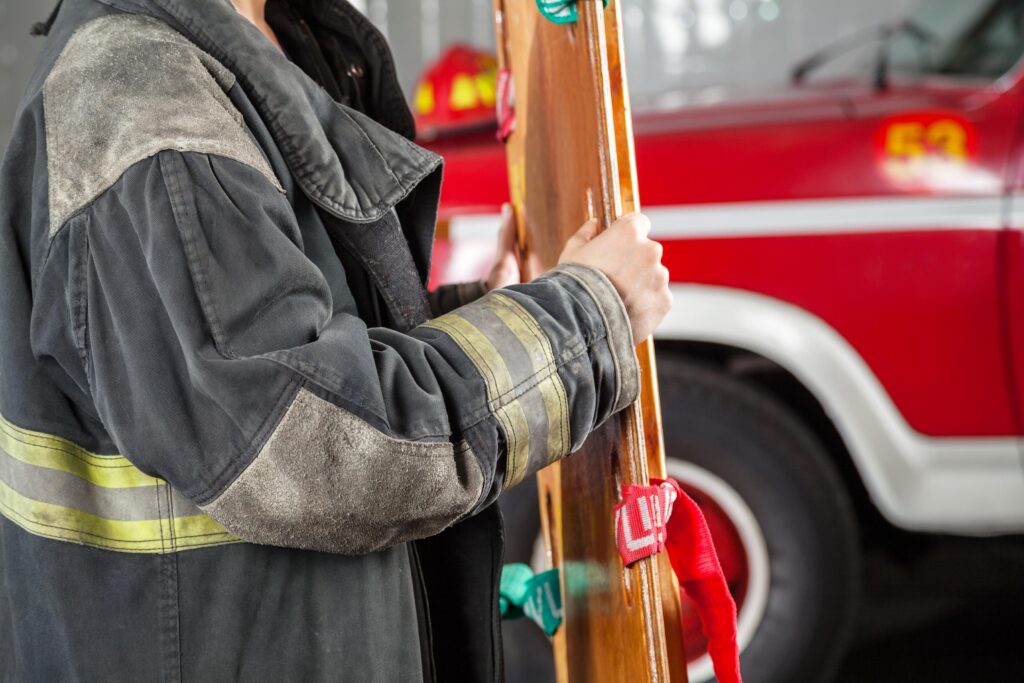
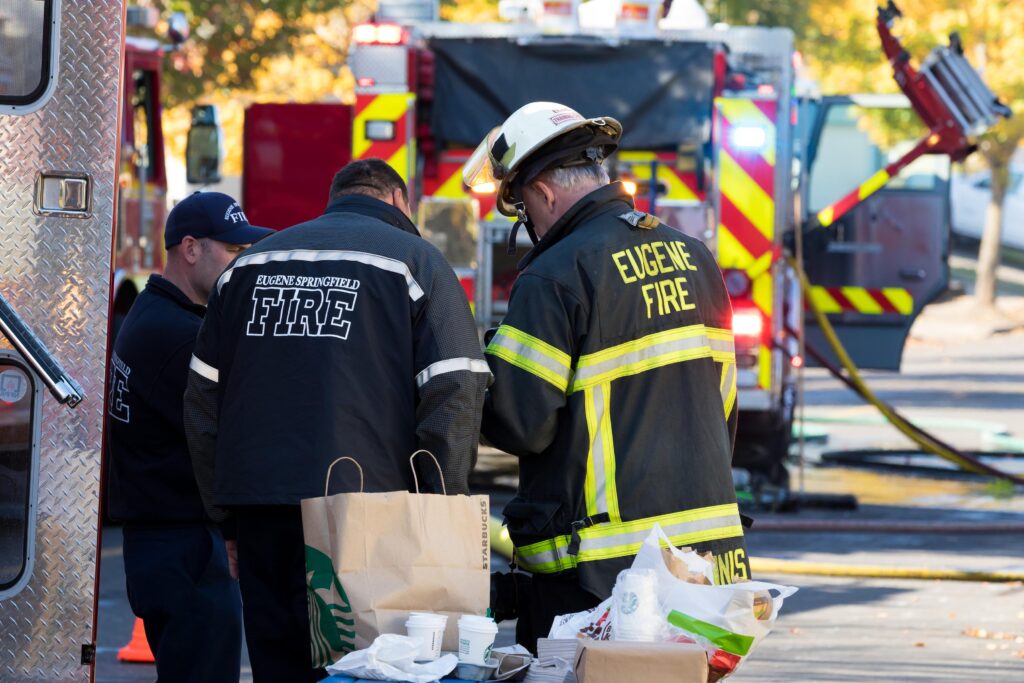
CBT Atlanta identifies the thought patterns and situational triggers that lead to substance use and teaches practical strategies for responding differently. For first responders, CBT is particularly effective for addressing the hypervigilance, black-and-white thinking patterns, and shame-based beliefs that often accompany first responder trauma and complicate recovery.
EMDR Therapy
EMDR therapy Atlanta helps the brain reprocess traumatic memories so they no longer drive substance use or emotional dysregulation. EMDR is one of the most extensively researched and clinically validated treatments for PTSD and is particularly well-suited for first responders whose substance use is closely tied to specific traumatic events or the accumulation of repeated trauma exposure over time.
DBT Therapy
DBT therapy Atlanta builds skills in emotional regulation, distress tolerance, and interpersonal effectiveness. For first responders who have spent years suppressing emotional responses as a professional requirement, DBT provides a structured framework for developing the skills needed to process intense emotions without turning to substances.
Group Therapy
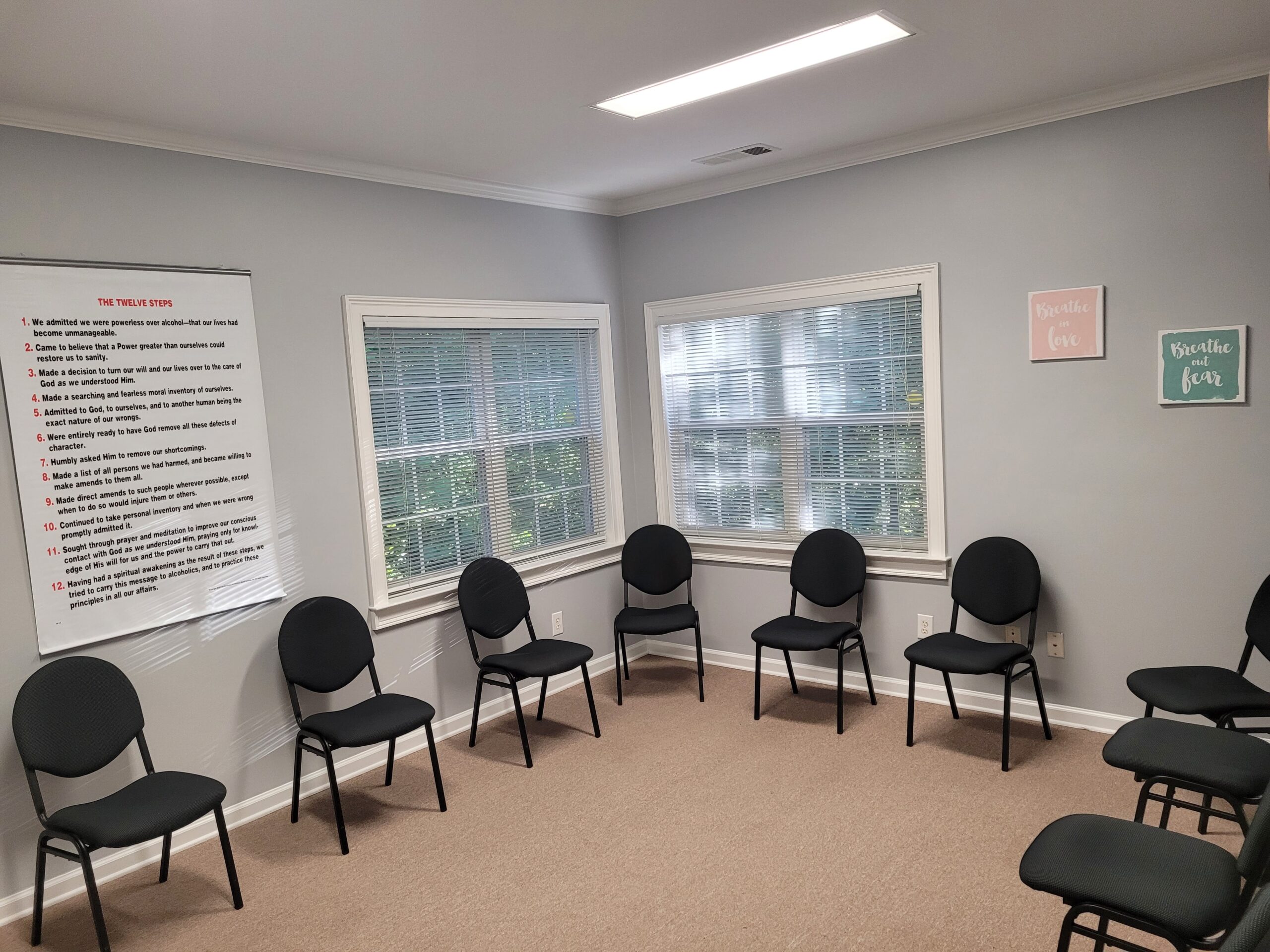
Group therapy Atlanta in a peer-supported setting is particularly powerful for first responders. Connecting with others who share the specific experience of emergency work breaks down the isolation that often keeps first responders silent about their struggles. You do not have to explain the basic realities of your job when everyone in the room has lived a version of the same experience.
Individual Therapy
Individual therapy Atlanta provides one-on-one clinical work tailored to your specific trauma history, professional background, and recovery goals. Individual therapy is where the most personal and often most difficult clinical work happens, and having a consistent, trusted therapeutic relationship is one of the strongest predictors of positive treatment outcomes for first responders.
Family Therapy
Family therapy for addiction brings your loved ones into the healing process. First responder trauma and substance use affects the entire family system, and therapy helps partners and family members understand the specific impacts of emergency work on mental health and behavior. Rebuilding family support is a vital component of long-term sobriety for first responders returning to active duty or home life.
Holistic Therapy
Holistic therapy Atlanta incorporates body-based healing approaches including yoga, mindfulness, and somatic practices that support nervous system regulation and trauma recovery. Clinical therapy addresses the mental and cognitive aspects of trauma, while holistic modalities help release the trauma stored physically in the body. Together, they create a comprehensive approach that heals the mind, body, and nervous system simultaneously.
Medication-Assisted Treatment
Our medication-assisted treatment Atlanta program uses medications like naltrexone, buprenorphine, or Vivitrol to reduce cravings and support sustained recovery when clinically appropriate. MAT is not a replacement for therapy but a clinical tool that makes therapy more effective by reducing the neurological burden of craving and withdrawal.
Psychiatric Services
Our psychiatry Atlanta team provides evaluation, diagnosis, and medication management for co-occurring mental health conditions including PTSD, anxiety, and depression. For first responders managing significant mental health symptoms alongside substance use, having psychiatric services integrated into the treatment program rather than requiring a separate referral is a significant practical and clinical advantage.