Request a call to speak with an admissions specialist. We are here to help you.

"*" indicates required fields

Bipolar Disorder Treatment Centers in Atlanta

Bipolar disorder treatment Atlanta programs provide structured care for individuals dealing with mood swings and related mental health challenges. Clients receive support designed to stabilize symptoms and improve daily life. If you’re exhausted by the cycle and searching for real relief, you’re not alone, and there’s hope. Treatment options in Atlanta are changing, with integrated, trauma-informed care that addresses both bipolar disorder and addiction together, making true healing not just possible but achievable. Here, you’ll find what dual-diagnosis care really involves and how it can help you finally start to feel like yourself again.

Free Insurance Check

Free & Confidential | HIPAA Compliant | No Obligation

"*" indicates required fields

1
2
3
4
This field is for validation purposes and should be left unchanged.
Bipolar disorder treatment Atlanta combines treating bipolar disorder with substance abuse or another mental health condition you may have. Bipolar treatment is about treating the whole person through bipolar disorder therapy and other addiction and mental health treatment programs.

Bipolar Disorder Therapists in Atlanta

Working with experienced bipolar disorder therapists in Atlanta can make a meaningful difference in how symptoms are managed over time. A qualified therapist helps identify patterns tied to manic and depressive episodes while guiding clients toward healthier coping strategies. Therapy sessions often focus on building structure, improving communication, and supporting long-term stability. At Inner Voyage Recovery, care is personalized to fit each individual’s needs, with a focus on sustainable progress. Read more about what we treat to explore the full scope of care available.
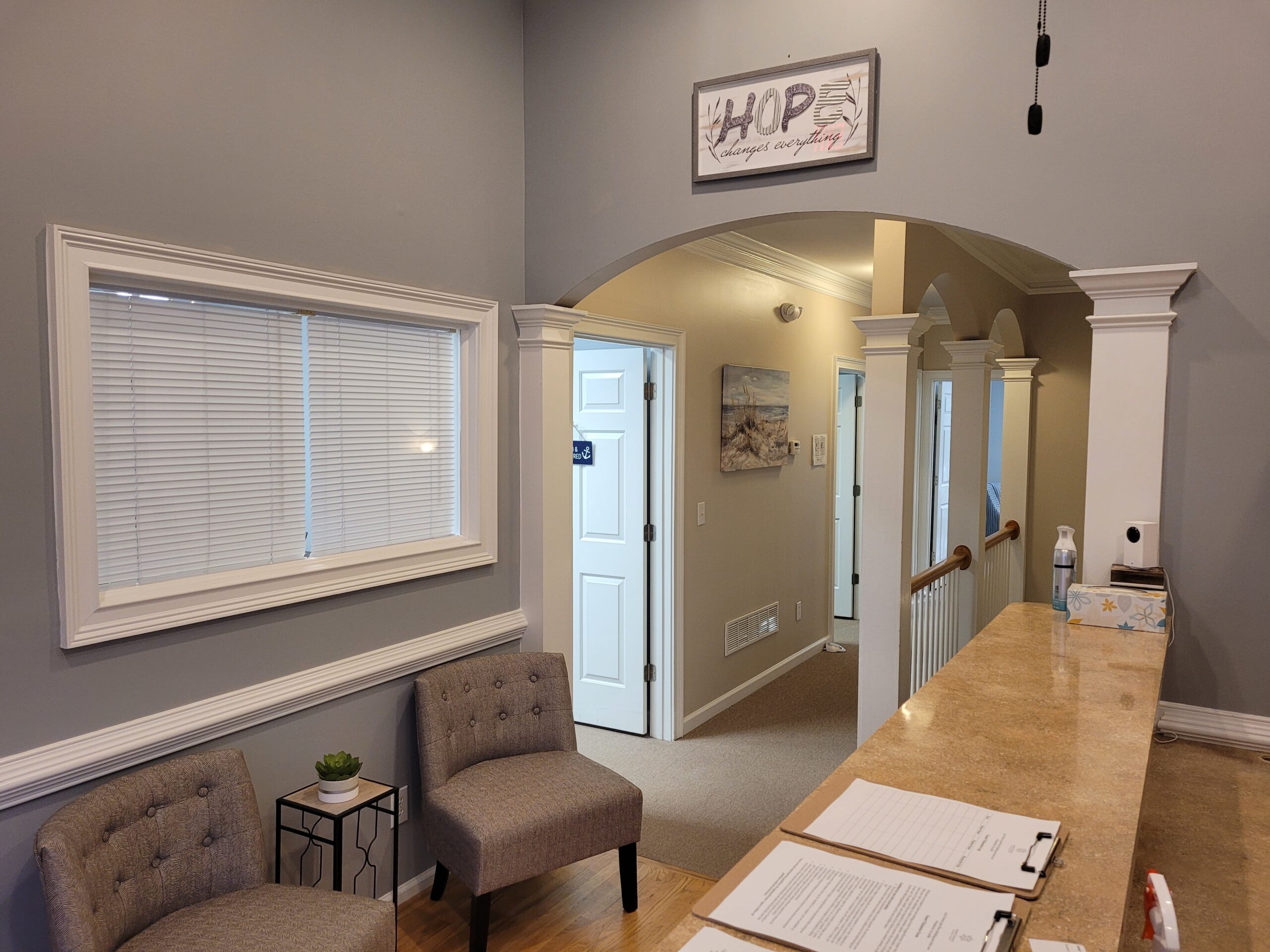
Table of Contents

What Is Bipolar Disorder?

Bipolar disorder is a complex mental health disorder characterized by massive, disruptive shifts in a person’s mood, energy, and overall ability to function. These are not standard, everyday mood swings. They are severe emotional fluctuations that can make maintaining a job, relationships, and basic daily routines feel nearly impossible. According to the National Institute of Mental Health, an estimated 4.4 percent of U.S. adults experience bipolar disorder at some point in their lives.

There are different presentations of this condition, primarily known as Bipolar I and Bipolar II. Bipolar I involves severe manic episodes that can last for a week or longer, sometimes requiring hospitalization. Bipolar II is characterized by a pattern of major depressive episodes and hypomanic episodes, which are elevated moods that are slightly less severe than full mania but still highly disruptive.

These constant, unpredictable fluctuations can make life feel completely out of your control. When someone is trapped in these intense emotional states, it is very common to look for an immediate escape route. These unhelpful behaviors and overwhelming thought patterns often drive a person toward substance use just to find a brief, fleeting moment of peace. You can explore more about what we treat for a closer look at available services.

Signs and Symptoms of Bipolar Disorder

If you question whether you have bipolar disorder, look through these signs of bipolar disorder and see if they feel familiar to you:

  • Manic highs: You might feel an unnatural surge of endless energy, need very little sleep for days at a time, or struggle with racing thoughts that simply will not shut off.
  • Depressive lows: You might experience crushing, deep sadness, a total lack of physical energy, or feel like getting out of bed and completing basic daily tasks is impossible.
  • Disrupted sleep patterns: Your sleep cycles change drastically, leaving your body exhausted but your mind entirely unable to rest and recover.
  • Changing thought patterns: You might find it impossible to concentrate, feel easily distracted by minor details, or make impulsive, risky decisions that you later deeply regret.
  • Overwhelming emotions: You might feel intense, unprovoked irritability during a manic high, or complete, isolating hopelessness during a depressive low.

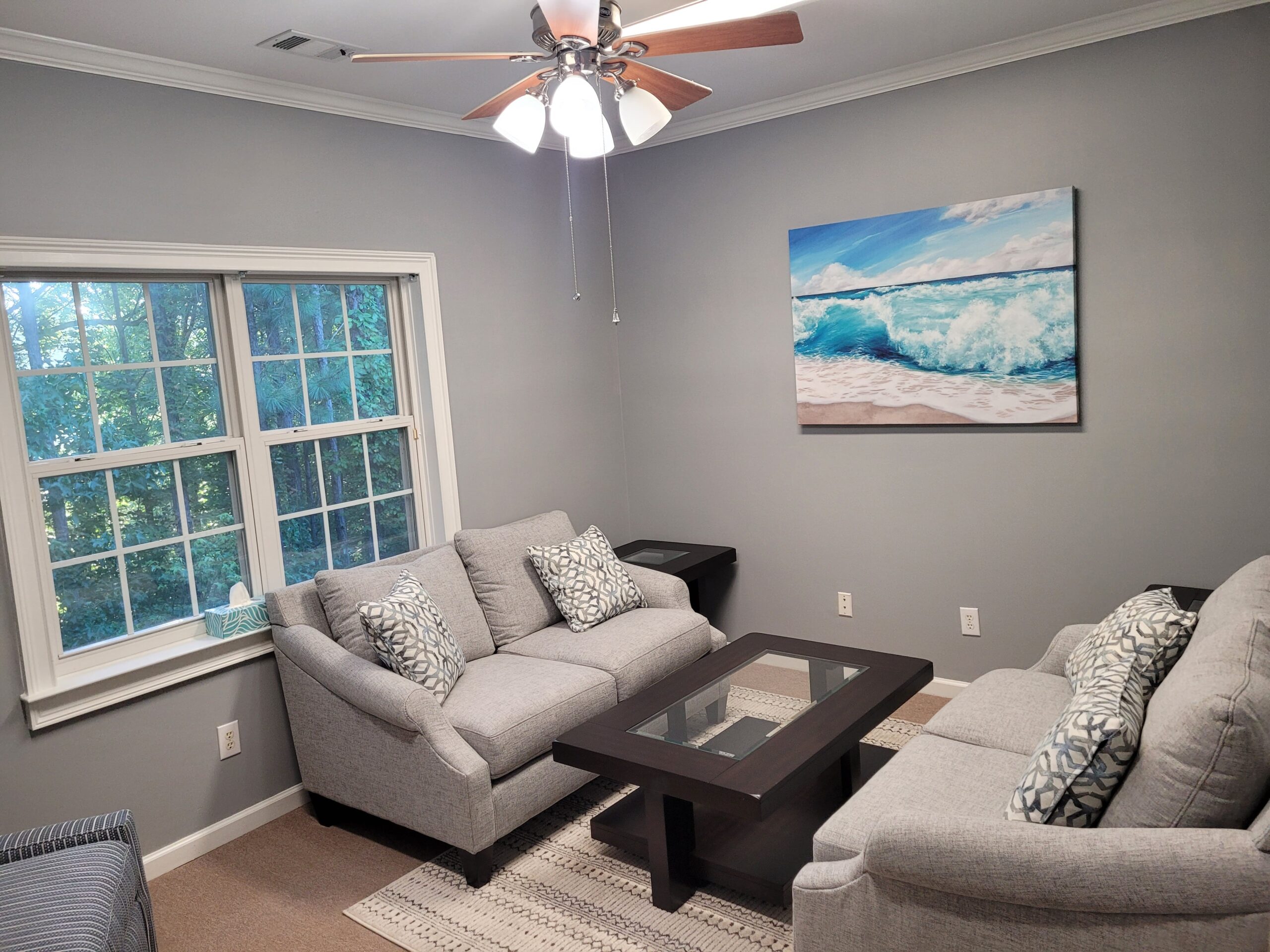
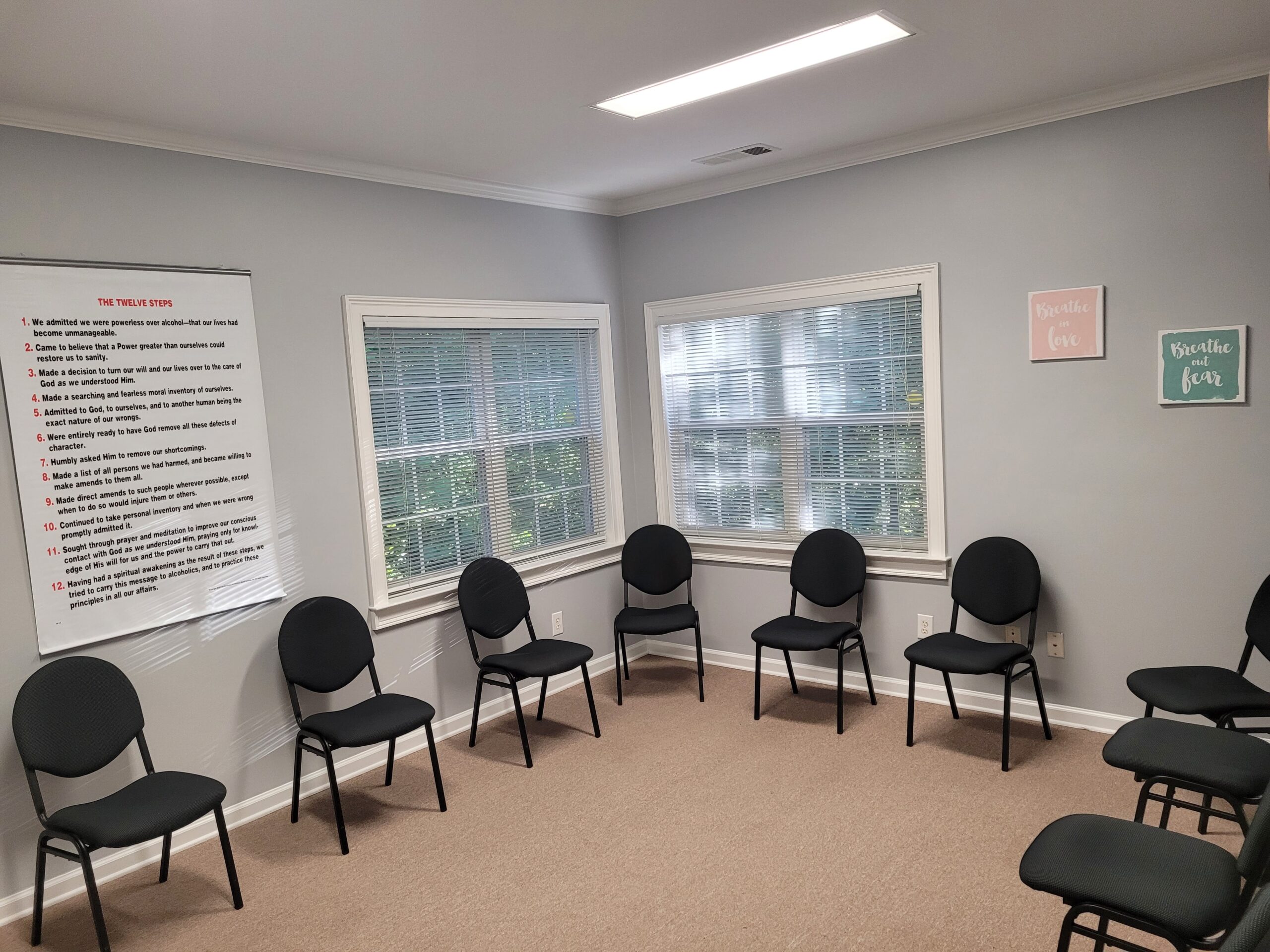
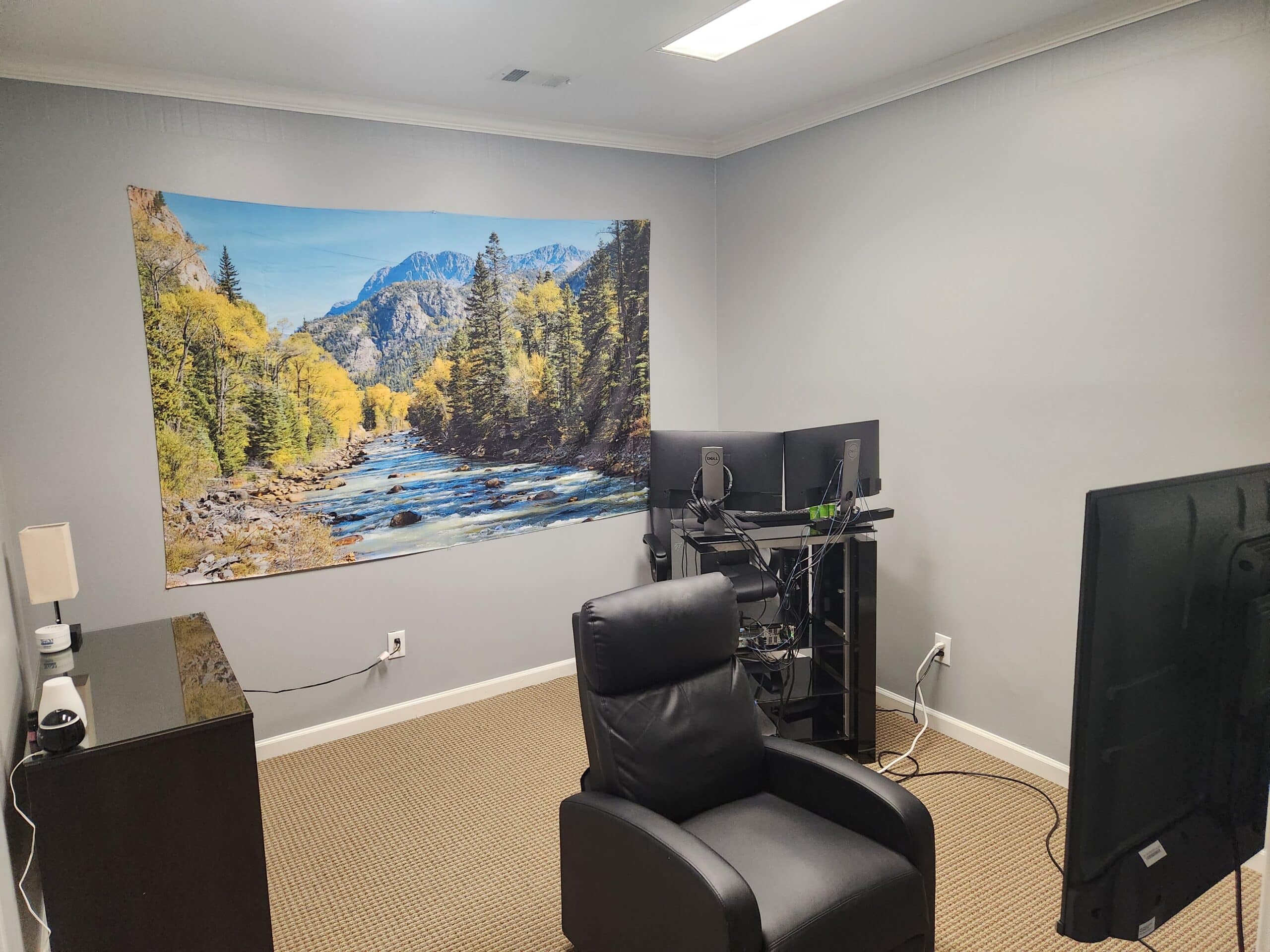
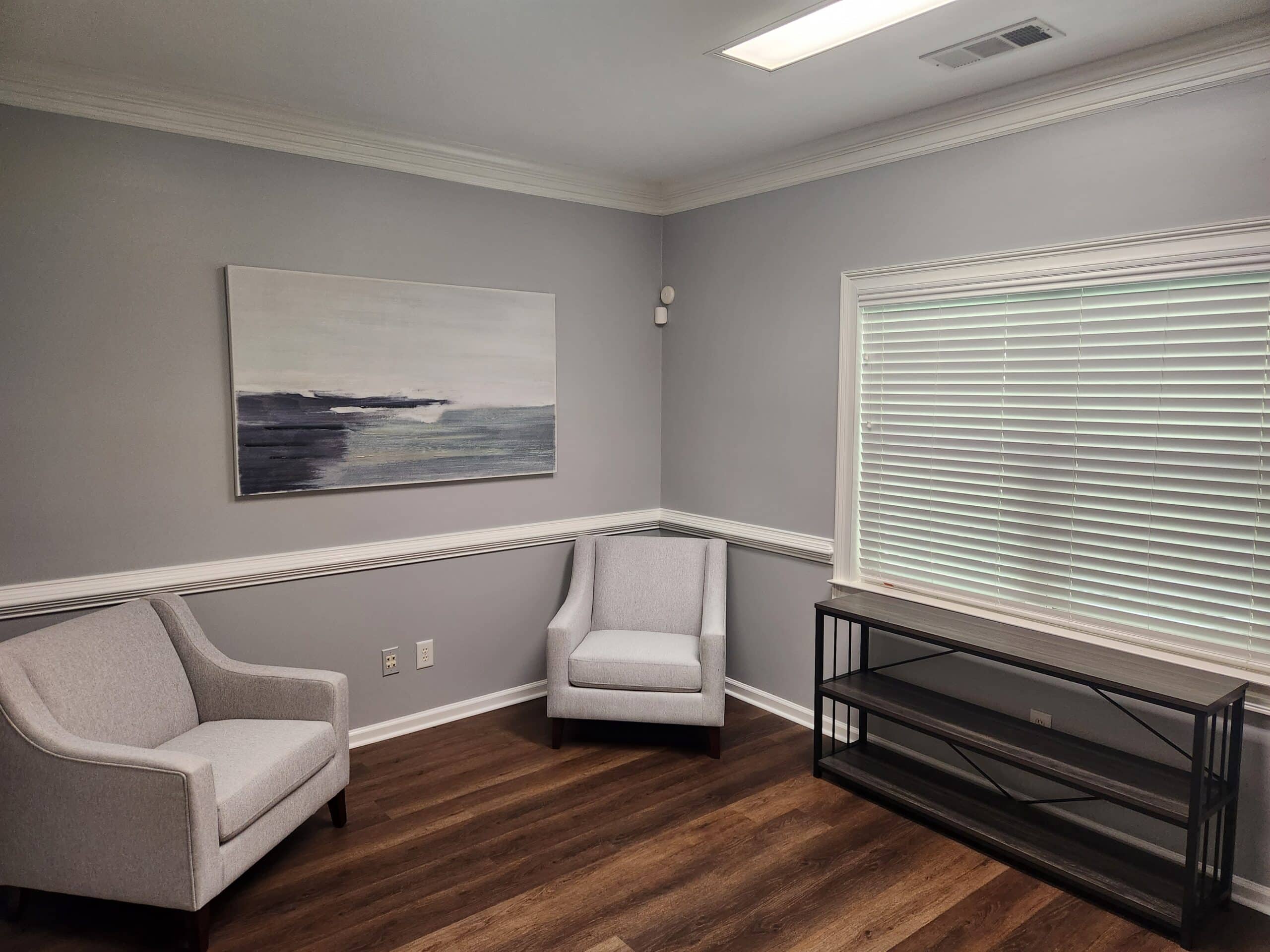
Check Out Our Facility in Atlanta, GA

Discover why our programs are top rated today. Talk with our admissions team about the right treatment plan to bring lasting recovery.

Co-Occurring Substance Use and Mental Health Conditions

Dual diagnosis treatment centers Georgia manage two incredibly complex conditions at the exact same time. For many people, co-occurring disorders develop because untreated mental health symptoms become too heavy to carry without chemical help. It is incredibly common for these challenges to overlap. In fact, clinical research shows that more than 40 percent of individuals with a bipolar diagnosis also experience symptoms of a substance use disorder during their lifetime.

When your brain feels like it is moving a million miles an hour, or when you physically cannot pull yourself out of bed, finding relief becomes your only goal. This dynamic often starts as an attempt to self-medicate. Someone might drink heavy amounts of alcohol to quiet the racing thoughts and agitation of a manic episode.

Alternatively, they might turn to addictive drugs like stimulants to force a surge of energy during a deep, paralyzing depressive slump. We completely understand why someone would reach for anything that makes the pain stop, as the immediate psychiatric care they need is not always accessible.

However, while trying to self-medicate might offer a brief moment of escape, it ultimately makes the underlying issues significantly worse. Substances actually mask the true symptoms in the short term, making it much harder for doctors to accurately diagnose the problem. Over time, alcohol and drugs biologically exacerbate both the manic and depressive episodes.

According to published medical research on mood disorders, stimulants can overload dopamine pathways and trigger severe mania, while depressants like alcohol disrupt serotonin and deepen the despair of depression. This creates a painful, biological cycle where you need more substances just to survive the day.

You can learn more about how these specific conditions interact by exploring the link between co-occurring bipolar and addiction. True healing requires treating both the mind and the body simultaneously.

Request A Confidential Call

Help is Here When You're Ready

If you or someone you love is struggling with substance use or other mental health issues, Inner Voyage Recovery can help. Request a callback below to receive care and support you can trust.

"*" indicates required fields

Our Dual-Diagnosis Bipolar Disorder Treatment in Atlanta

If you are searching for bipolar disorder treatment in Atlanta, you might feel frustrated by traditional, clinical environments that treat you like a number. At Inner Voyage, we do not believe in generic, fast-paced 28-day fixes.

We know that true, lasting recovery is a profound inward journey of self-discovery. Our treatment program is built entirely on personalized, trauma-informed care that looks far beyond the surface of your symptoms. We focus on finding the deep, underlying root causes of your pain rather than simply treating the surface-level behaviors.

Treatment Modality Core Focus Role in Dual-Diagnosis Recovery
Cognitive Behavioral Therapy (CBT) Identifying and changing unhelpful, negative thought patterns. Helps you recognize the internal triggers that drive both mood shifts and substance use.
Holistic Therapies Healing the mind, body, and spirit through creative expression like art or music. Provides healthy, grounding outlets for overwhelming emotions without the need to use substances.
Medication Management Creating baseline chemical stability within the brain. Reduces severe mood swings so you have the mental clarity to focus on deeper therapeutic work.
Family Therapy Rebuilding broken trust and establishing healthy communication. Educates your loved ones on how to effectively support your sobriety and mental health long-term.

Therapy Options for Bipolar Disorder

Finding the right bipolar disorder therapists in Atlanta means finding professionals who see you as a whole, complex person. Our alcohol and drug rehab Atlanta utilizes evidence-based therapies that are clinically proven to help dual-diagnosis clients.

Cognitive Behavioral Therapy (CBT)

CBT Atlanta is commonly used in bipolar disorder treatment to address thought patterns linked to depressive episodes and mood instability. This approach helps clients identify triggers, manage symptoms of bipolar disorder, and build healthier responses.

Dialectical Behavior Therapy (DBT)

DBT therapy Atlanta supports emotional regulation and helps individuals manage intense emotions tied to manic episodes and depressive episodes. It also builds coping skills for stress, relationships, and impulse control.

Individual Therapy Sessions

Individual therapy Atlanta focuses on personal challenges, helping clients work through mood disorder patterns and develop a clear treatment plan. It allows for focused attention on managing bipolar disorder and tracking progress over time.

Group Therapy

Group therapy Atlanta provides a space for individuals to share experiences and learn from others managing bipolar disorder. These sessions support connection, accountability, and improved communication skills.

Family Therapy

Family therapy Atlanta helps family members better respond to bipolar symptoms and support long term stability. It also improves communication and creates a stronger support system at home.

Medication-Assisted Treatment

Medication-assisted treatment Atlanta is a key part of bipolar disorder treatment, often including mood stabilizers to help regulate extreme mood swings. This approach is carefully monitored to support both safety and effectiveness.

Medications for Bipolar Disorder

While therapy does the heavy lifting, medications often play a crucial role in creating the physical stability needed for true recovery. Mood stabilizers, antidepressants, and anti-psychotics can act as a necessary bridge. They do not cure the underlying disorder, but they can significantly lower the volume on your most severe symptoms. This creates enough quiet space in your brain to do the deep psychological work required in therapy.

Our medical team handles every medication evaluation with incredible care and transparency. We strictly practice trauma-informed prescribing, which means we start with low doses and move slowly. We understand that every individual responds differently to medications, and what works perfectly for one person might not work for you. We ensure you feel comfortable, informed, and completely empowered in your medication management plan.

Experience the Inner Voyage Difference

How can our Atlanta Bipolar Treatment help you?

New Skills

Learn to manage stress with mindfulness, breathing, exercise, and more.

Stability

Get help building a routine that works for your life and recovery.

Caring Staff

Our alumni love us, and you will too. We have 67 five-star reviews (and growing).

Insurance Accepted


We accept major insurance carriers. And if you’re inclined, we have self-pay and other options. Just ask our admissions staff!

Veteran Support

You’ll benefit from our staff’s specialized trainings and support for veterans. We understand what you’ve experienced, and can help you process it for good and leave it in the past.

What Recovery Looks Like at Inner Voyage

Recovery is not just about stopping the use of drugs or alcohol. It is about actively building an authentic self that you are genuinely proud to be. As one of the premier bipolar disorder treatment centers in Atlanta, our ultimate goal is to help you rediscover who you are beneath the weight of the diagnosis.

Our primary facility is beautifully located in Woodstock, Georgia, within peaceful Cherokee County. Situated approximately 40 miles north of Atlanta, our suburban setting offers a massive advantage for your long-term healing journey.

Deep inner healing requires safety, quiet, and focus. Being outside the busy city limits provides a highly protected environment, distancing you from the urban triggers, easy access to substances, and daily stressors that often lead to relapse. Yet, we remain close enough to the metro area that you can easily maintain your essential family support network.

Whether you are specifically looking for a drug & alcohol rehab in Woodstock GA or comprehensive dual-diagnosis care, our location gives you the physical and emotional space necessary to breathe. We are completely Joint Commission Accredited, ensuring you receive the absolute highest standard of clinical safety. We also accept most major commercial insurance plans to ensure this level of care remains accessible.

Your Path to Recovery Made Simple

How to Begin Your Recovery Journey

We know beginning treatment can feel intimidating, so we’ve made the process simple and stress-free.

1

Get in touch
with us

Call or complete our contact form to connect with an admissions specialist who takes the time to listen and understand your situation.

2

Complete an assessment
& insurance review

Our team will review your history, discuss your needs, and confirm insurance coverage or explore self-pay options to make things easy.
3

Start your
treatment

Begin a personalized program built around your goals, supported by evidence-based care and a compassionate clinical team.

What to Learn from Bipolar Disorder Therapists in Atlanta

Working with bipolar disorder therapists in Atlanta helps individuals recognize patterns tied to manic and depressive episodes and how they impact daily routines. Bipolar disorder treatment focuses on building consistency, improving sleep patterns, and managing mood swings in a structured way.

Clients learn how symptoms of bipolar disorder affect relationships, work, and long-term stability, especially with bipolar I and bipolar II disorder. At a bipolar disorder treatment center, therapy sessions often include education, coping strategies, and medication management as part of a larger treatment plan.

The Best Bipolar Treatment in Atlanta

How can our friendly staff help you?

Depth

The best way to achieve lasting recovery is deep healing. We guide you to what needs to be healed, and help you through it.

Support

We’re your partner and guide, every step of the way. With that level of support, recovery is more likely.

Strength

There is strength in your journey. You’ve gotten this far. Now let’s take it all the way. We rely on your strengths as much as ours.

Accountability

Call it accountability, “tough love,” or whatever you like: We hold you to a higher standard. We see your potential and help you realize it.

Aftercare

No recovery is complete without aftercare planning and support. Our Alumni program helps you stick to sobriety for good.

Flexibility

Join our PHP and get support that fits your schedule. We specialize in helping busy adults get the support they need.

Levels of Treatment for Bipolar Disorder

Healing is a gradual, phased process, and we offer multiple levels of care to support your changing needs.

Detox Services

Alcohol and drug detox Atlanta services at a trusted partner facility provide a safe starting point for individuals experiencing co-occurring substance use and bipolar disorder. This level of care supports stabilization before entering a full treatment program.

Inpatient Services

For those requiring immediate, 24-hour medical and emotional support, our inpatient alcohol rehab Atlanta provides an immersive, highly structured living environment. This is the safest setting to stabilize your body during acute episodes of mania or depression. We recommended a trusted partner facility for residential treatment.

Outpatient Rehab

Outpatient rehab Atlanta provides continued support for managing bipolar disorder while living at home. These outpatient programs focus on stability, routine, and long-term progress.

Intensive Outpatient Program (IOP)

Atlanta IOP programs deliver structured care through an intensive outpatient program format, offering consistent therapy and support. This level of care helps individuals manage mood swings and maintain progress between sessions.

Evening Program

An evening intensive outpatient program allows individuals to attend therapy sessions while maintaining work or family responsibilities. This flexible option supports ongoing care without requiring full-time residential treatment.

Partial Hospitalization Program (PHP)

A partial hospitalization program Atlanta offers a higher level of care than traditional outpatient therapy. Clients attend structured treatment during the day and return home in the evening, balancing intensive treatment with independence.

Virtual Treatment Programs

Virtual IOP programs provide access to care from home, making treatment more accessible for those with scheduling or transportation challenges. These programs still offer structured therapy sessions and consistent support.

Find A New Way Forward with Inner Voyage Recovery Center

What are the symptoms of bipolar disorder?

Symptoms of bipolar disorder include extreme mood swings, ranging from manic episodes to depressive episodes. Individuals may experience changes in energy, sleep patterns, and behavior. These symptoms can vary between bipolar I disorder and bipolar II disorder.
Bipolar disorder programs typically include therapy sessions, medication management, and structured support. A treatment plan is created based on individual needs and symptom severity. Programs may include inpatient or outpatient options depending on the situation.
Yes, many treatment centers address co occurring disorders, including substance use and bipolar disorder. Integrated care helps stabilize both conditions at the same time. This approach reduces complications and supports better long term outcomes.

Medication management often includes mood stabilizers to help control mood swings. Other medications may be used depending on symptoms and mental health conditions. These are monitored closely as part of a comprehensive treatment plan.

The length of treatment for bipolar disorder varies depending on individual needs and progress. Some individuals benefit from long-term outpatient programs, while others may require residential treatment first. Ongoing support is often recommended to maintain stability.

Inner Voyage Recovery Center’s Top Values

Every treatment will be uniquely tailored to you, because you’re unique.

Sober Living

Our team is 100% sober, including from Alcohol. We help our clients achieve sobriety and stick to it through thick and thin, because sobriety is the foundation of a fulfilling life.

Integrity

Our team is 100% sober, including from Alcohol. We help our clients achieve sobriety and stick to it through thick and thin, because sobriety is the foundation of a fulfilling life.

Everyone Belongs

Our team is 100% sober, including from Alcohol. We help our clients achieve sobriety and stick to it through thick and thin, because sobriety is the foundation of a fulfilling life.

Limitless Potential

Our team is 100% sober, including from Alcohol. We help our clients achieve sobriety and stick to it through thick and thin, because sobriety is the foundation of a fulfilling life.

Manage Symptoms with Bipolar Disorder Treatment near Atlanta, GA

Living with a dual-diagnosis requires specialized, deeply compassionate care that treats both your mental health and your substance use at the exact same time. At Inner Voyage, our clinical team focuses on resolving the deeper trauma driving your cycles of addiction, giving you the practical tools you need to stabilize your moods and protect your sobriety.

If you need professional support navigating these overlapping challenges, our intake team is ready to evaluate your specific symptoms and design a fully customized care plan. Call us directly at (470) 460-8437 or contact us online to schedule your initial mental health assessment. Visit our Google Business page to gain more insight into our services.

If you’re looking for more information, connect with our team by phone, email, or through our online form. We’re here to answer your questions, talk through your options, and support you as you begin your path toward lasting recovery.

Sources

National Institute of Mental Health. Bipolar disorder. National Institute of Mental Health.

U.S. National Library of Medicine. (July 14, 2023). Differential characteristics of bipolar I and II disorders. PubMed Central.

U.S. National Library of Medicine. (2009). Self-medication of mood disorders with alcohol and drugs in the clinical population. PubMed.

National Center for Biotechnology Information. Mood disorders and substance use disorder: A complex comorbidity. PubMed Central.

U.S. National Library of Medicine. (2018). Psychosocial interventions in patients with dual diagnosis. PubMed Central.

Substance Abuse and Mental Health Services Administration. (September 26, 2025). Managing life with co-occurring disorders. SAMHSA.

U.S. National Library of Medicine. (2001). Rural and urban similarities and differences in private substance abuse treatment centers. PubMed.

U.S. National Library of Medicine. (March 8, 2024). Rural–urban differences in out‐of‐network treatment initiation and engagement among patients with substance use disorder. PubMed Central.

Free & Easy Insurance Check

Request a Confidential Call

"*" indicates required fields

This field is for validation purposes and should be left unchanged.
Preferred Method*
Get Treatment For All Your Healthcare Needs

Other Mental Health Treatments

Request A Confidential Call

Request a call and an Inner Voyage Recovery Center team member will be in touch.

"*" indicates required fields