Request a call to speak with an admissions specialist. We are here to help you.

"*" indicates required fields

Family Addiction Resource Guide

Family support for addiction plays a critical role in helping individuals and their loved ones navigate the challenges of substance use disorder and long-term recovery. Strong family support in addiction recovery provides the structure, guidance, and community needed for both individuals and families to heal from the impact of substance use. Even when hope seems just out of reach, your support is more powerful than you realize. With the right guidance, you can begin building a steadier ground for your family and help shape a path toward healing.

Free Insurance Check

Free & Confidential | HIPAA Compliant | No Obligation

"*" indicates required fields

1
2
3
4
This field is for validation purposes and should be left unchanged.
If you are looking for a mutual support program to service the entire family during the recovery journey, family support for addiction is available at Inner Voyage.

The Empowering Role of Family Support in Addiction Recovery

Addiction is rarely an isolated struggle. It’s a family disease that reshapes the entire household. When a loved one faces a substance use disorder, the ripple effects touch everyone. These effects alter daily routines and strain relationships.

According to evidence-based frameworks for family inclusion, involving the family unit significantly improves treatment outcomes. When families understand the clinical realities of addiction and participate in the recovery process, they help break cycles of chaos and secrecy.

At Inner Voyage, our family therapy Atlanta views your family not as a problem to be managed. We see you as a crucial part of the healing solution. We believe that true recovery requires inner work for both the individual and their support system.

Table of Contents

Understanding Addiction's Impact on Your Family

Living with active addiction can turn a once-safe home into a stressful, unpredictable environment. The emotional toll is heavy, often manifesting as deep anxiety, depression, and a lingering sense of guilt or shame.

Families frequently grapple with broken trust and significant financial strain, as the disease forces everyone to adapt to a new, chaotic normal. It is common to feel like you are constantly waiting for the next crisis to unfold.

Over time, these disruptions alter family roles and communication. Children might take on parental responsibilities. Partners may find themselves constantly shielding their loved one from the consequences of substance use.

This dynamic is often labeled as enabling or codependency. While these terms can sound judgmental, it is essential to recognize them for what they truly are: survival patterns. When you love someone who is struggling, prioritizing their immediate safety over your own well-being feels like the only option. You learned these responses to keep your family afloat.

Therapy for Related Behavioral Problems

Unlearning these behaviors requires a trauma-informed approach. Addiction inflicts relational trauma, eroding emotional safety and honest interaction. Addressing these deep-seated dynamics in a clinical setting allows families to process their fear and resentment without blame.

Understanding the root causes of these survival patterns helps you shift away from emotional entanglement. You can then move toward healthier ways of loving your family member. This inward journey of recovery helps everyone rebuild trust and restore the balanced roles that addiction stripped away.

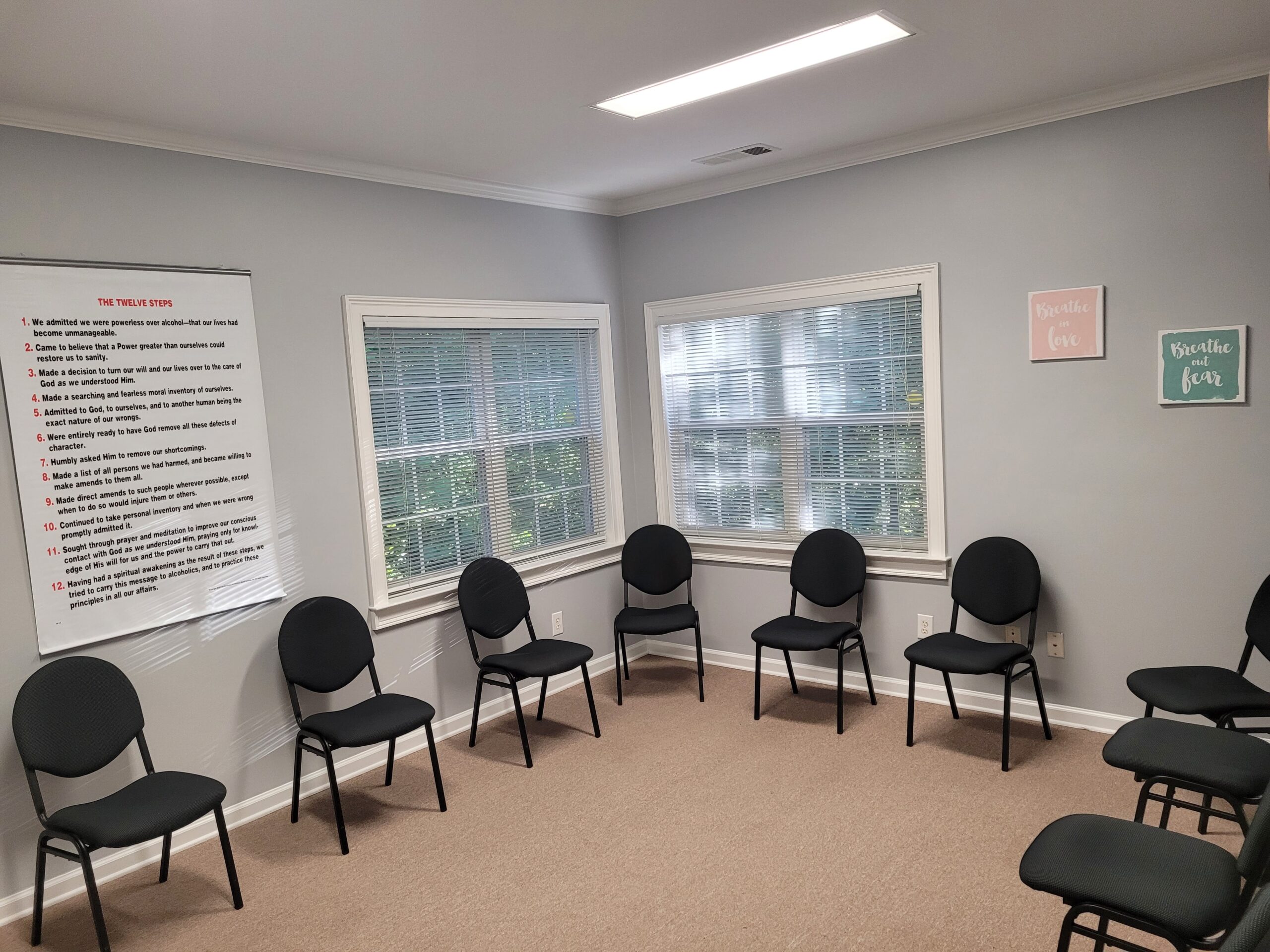
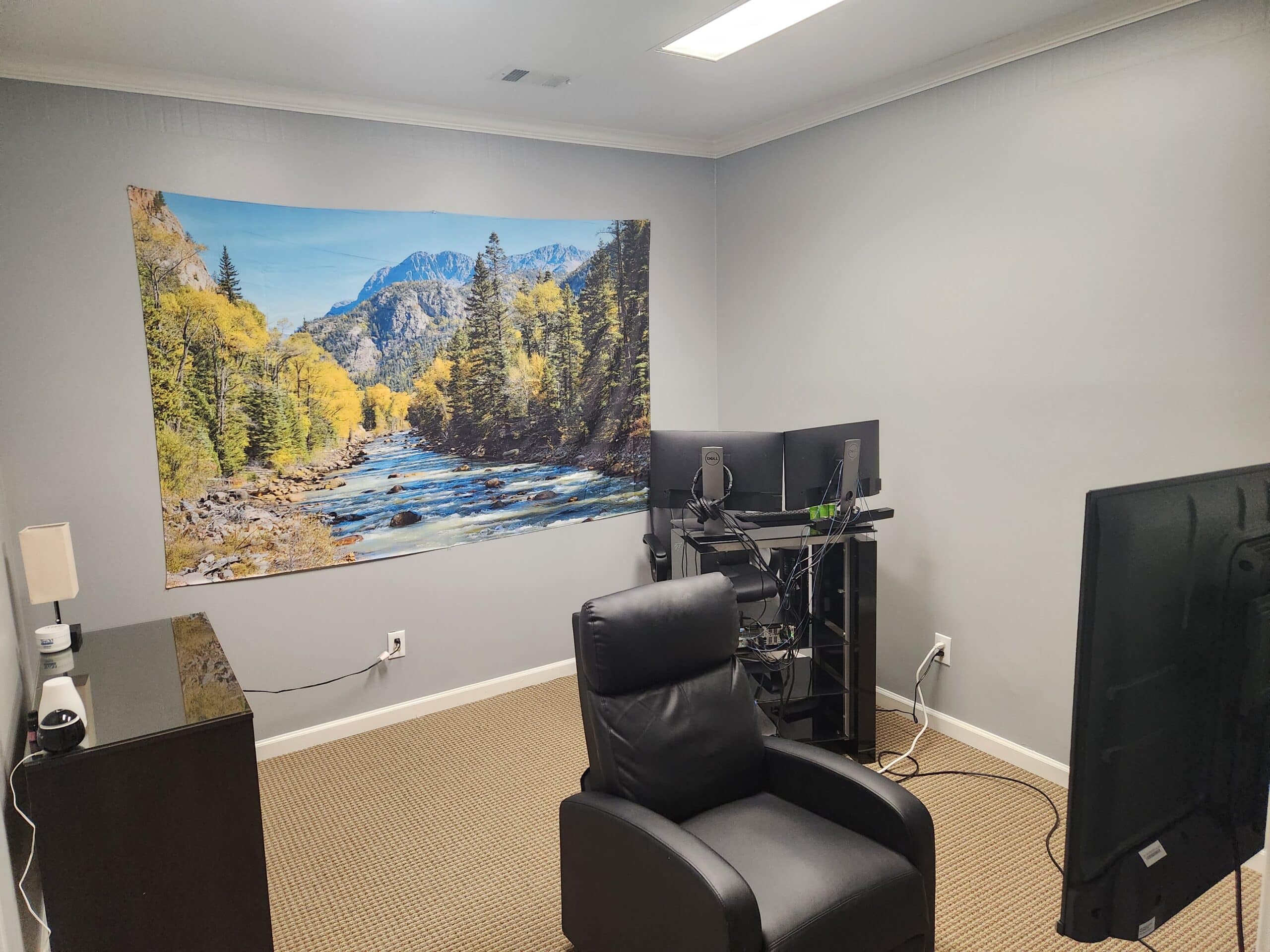
Check Out Our Facility in Atlanta, GA

Discover why our programs are top rated today. Talk with our admissions team about the right treatment plan to bring lasting recovery.

Essential Family Addiction Resource Types

Navigating the recovery landscape can feel overwhelming, but remember that there is no one-size-fits-all solution for families. Because addiction impacts every household differently, various services exist to meet your specific emotional, educational, and psychological needs. Understanding these options is the first step in creating a personalized support system.

The table below compares the most common and effective types of support available today. It gives you a clear roadmap to find the help you need.

Resource Type Best For… How to Find
Family Therapy/Counseling Healing communication, repairing broken trust, and addressing deep-seated family dynamics. Search local addiction treatment centers or licensed marriage and family therapists.
Peer Support Groups Reducing isolation by sharing experiences with others who understand your struggles. Participate in group therapy at a trusted alcohol and drug rehab Atlanta.
Psychoeducational Programs Learning the science of addiction, relapse prevention, and healthy coping skills. Often offered through local treatment facilities or community health organizations.
Individual Therapy Managing personal burnout, anxiety, and trauma stemming from a loved one’s addiction. Consult your insurance provider directory or local mental health clinics.
Request A Confidential Call

Help is Here When You're Ready

If you or someone you love is struggling with substance use or other mental health issues, Inner Voyage Recovery can help. Request a callback below to receive care and support you can trust.

"*" indicates required fields

A Trauma-Informed Approach to Family Communication

Addiction often destroys healthy communication, replacing it with secrecy, defensiveness, and erosive arguments. Rebuilding that trust requires a trauma-informed approach to how you speak and listen to your loved one. The goal here is not to fix the person struggling, but to cultivate a family environment that supports honesty and mutual healing.

Here are actionable strategies to encourage healthier interactions:

  1. Practice Active Listening: Focus entirely on what your loved one is saying without interrupting or formulating your rebuttal. Maintain eye contact, nod, and reflect back what you hear. This validates their feelings and creates a safe space for vulnerability.
  2. Use ‘I’ Statements: Frame your concerns around your own emotions rather than their actions. Saying, “I feel worried when you do not answer my calls,” instead of, “You always ignore me,” reduces defensiveness and invites empathy.
  3. Set Healthy Boundaries: Establishing secure boundaries in clinical and personal relationships is an act of love, not punishment. Clear limits protect your energy and prevent enabling. This is a critical tool for both your well-being and their long-term recovery.
  4. Embrace Trauma-Informed Language: Approach conversations with curiosity rather than judgment. Participating in professional family therapy Atlanta can teach you how to ask open-ended questions that acknowledge the pain behind the addiction.

By changing these communication patterns, you actively remove the chaos that addiction thrives in. You create a calm, structured foundation where true, lasting recovery can finally take root.

Self-Care Strategies for Family Members

You may believe that focusing on yourself detracts from your loved one’s recovery. Research shows the opposite: caregiver burnout is incredibly common in families facing a substance use disorder. Taking care of your mental health is not selfish. It’s absolutely essential for maintaining the resilience and strength needed to support someone else effectively.

Consider integrating these practical self-care tips into your routine:

  • Practice mindfulness: Evidence-based techniques like deep breathing or guided body scans help lower stress hormones and ground you in the present moment.
  • Reconnect with hobbies: Engage in activities you loved before addiction took over your family’s schedule.
  • Set aside personal time: Carve out quiet moments daily that are entirely your own, free from crisis management.
  • Seek individual therapy: Working with a professional helps you process your own anxiety, grief, and exhaustion. This ensures you remain a healthy anchor for your family.
Your Path to Recovery Made Simple

How to Begin Your Recovery Journey

We know beginning treatment can feel intimidating, so we’ve made the process simple and stress-free.

1

Get in touch
with us

Call or complete our contact form to connect with an admissions specialist who takes the time to listen and understand your situation.

2

Complete an assessment
& insurance review

Our team will review your history, discuss your needs, and confirm insurance coverage or explore self-pay options to make things easy.
3

Start your
treatment

Begin a personalized program built around your goals, supported by evidence-based care and a compassionate clinical team.

Drug and Alcohol Addiction Treatment with Family Support

Choosing the right level of care at an alcohol and drug rehab Atlanta GA location often involves addressing both substance use disorder and co-occurring mental health conditions. Many individuals struggling with addiction also face anxiety, depression, or other disorders, which can affect the recovery process. Effective treatment services combine clinical care with strong family support to improve outcomes for both individuals and their loved ones.

Cognitive Behavioral Therapy

CBT Atlanta focuses on helping individuals identify patterns related to substance use and replace them with healthier behaviors. This approach supports long-term recovery by teaching practical tools to manage triggers, reduce stress, and improve decision-making.

Dialectical Behavior Therapy

DBT therapy Atlanta helps individuals regulate emotions and respond more effectively to challenging situations. It is especially helpful for those with co-occurring mental health disorders, supporting both emotional stability and reduced reliance on substance use.

Group Therapy

Group therapy Atlanta creates a shared space where individuals can connect with others facing similar challenges. These groups provide support, reduce isolation, and allow participants to learn from each other’s experiences in recovery.

Individual Therapy

Individual therapy Atlanta offers one-on-one sessions with therapists to address personal challenges related to addiction and mental health. This individualized approach helps each person build strategies that support lasting change.

Family Therapy

Family therapy Atlanta involves family members in the treatment process, helping repair relationships and improve communication. Strengthening family support can play a key role in long-term recovery for individuals and their loved ones.

Medication-Assisted Treatment

Medication-assisted treatment Atlanta combines FDA-approved medications with therapy to support individuals managing substance use disorder. This approach can reduce cravings and improve stability while individuals engage in ongoing treatment and support services.

Inpatient and Outpatient Care, Including Family Support for Addiction

A full range of care options allows individuals and families to find the right level of support based on their needs. Each program offers different levels of structure while supporting both substance use and co-occurring mental health concerns.

Alcohol and Drug Detox

Alcohol and drug detox Atlanta provides a safe, supervised setting where individuals can begin treatment and manage withdrawal from drugs or alcohol. This step is often the starting point in the recovery process.

Inpatient Drug and Alcohol Rehab

Inpatient alcohol rehab Atlanta offers 24-hour care for drug and alcohol addiction in a structured environment. This level of care is often recommended for individuals with more severe substance use disorder or those needing intensive support.

Outpatient Rehab for Drug and Alcohol Addiction

Outpatient rehab Atlanta provides ongoing treatment services for individuals who do not require full-time care. It allows participants to stay connected to their community while receiving consistent support.

Intensive Outpatient (IOP) Programs

Atlanta IOP programs offer a more structured outpatient option, combining therapy sessions and support groups several times per week. This level of care helps individuals continue building skills for long-term recovery.

Evening Intensive Outpatient Program

An evening intensive outpatient program allows individuals to receive structured treatment while maintaining daily responsibilities. This option supports continued recovery with flexible scheduling.

Partial Hospitalization Program (PHP)

A partial hospitalization program Atlanta provides intensive daytime treatment without requiring overnight stays. It offers a balance between inpatient care and outpatient flexibility.

Dual Diagnosis Programs

Dual diagnosis treatment centers Georgia specialize in treating both substance use disorder and co-occurring mental health disorders. Integrated care helps individuals address all aspects of their health during recovery.

Virtual Programs

Virtual IOP programs provide access to treatment and support groups remotely, making it easier for individuals and families to stay engaged in care. These programs expand access to resources and ongoing support regardless of location.

Find A New Way Forward with Inner Voyage Recovery Center

Frequently Asked Questions

Family support for addiction helps individuals feel less isolated and more motivated during recovery. When families are involved, outcomes often improve because loved ones provide accountability, encouragement, and emotional support.

Family support groups for addiction are structured groups where family members and caregivers can share experiences and learn how to cope with a loved one’s substance use disorder. Programs like Al-Anon and Nar-Anon offer free meetings and valuable resources.

Families can cope by attending support groups, seeking education, and using practical tools to manage stress and communication. Staying connected to a community can make the situation feel more manageable.

A family addiction resource may include counseling, support groups, educational materials, and referrals to treatment services. These resources help families better understand addiction and support their loved ones effectively.

Yes, active family support in addiction recovery can strengthen relationships and improve long-term success. When family members stay involved, individuals are more likely to stay engaged in treatment and maintain progress.

Contact Inner Voyage Recovery Center

Family support for addiction remains one of the most important factors in helping individuals and their loved ones move forward. When families are equipped with the right resources, support groups, and guidance, they are better prepared to navigate the challenges of substance use disorder and stay connected throughout the recovery process.

Inner Voyage Recovery Center encourages family members, caregivers, and friends to stay involved, build stronger connections, and seek out the support they need. To learn more, contact us directly, call (470) 460-8437 or visit our Google Business page to explore available services and resources.

If you’re looking for more information, connect with our team by phone, email, or through our online form. We’re here to answer your questions, talk through your options, and support you as you begin your path toward lasting recovery.

Free & Easy Insurance Check

Alliant logo featuring a small black triangle followed by "Alliant" in bold black italic text.

Recovery Starts Here

"*" indicates required fields

This field is for validation purposes and should be left unchanged.
Preferred Method*
Get Treatment For All Your Healthcare Needs

Other Treatment Programs

Request A Confidential Call

Request a call and an Inner Voyage Recovery Center team member will be in touch.

"*" indicates required fields