

Can You Take Tylenol with Gabapentin?
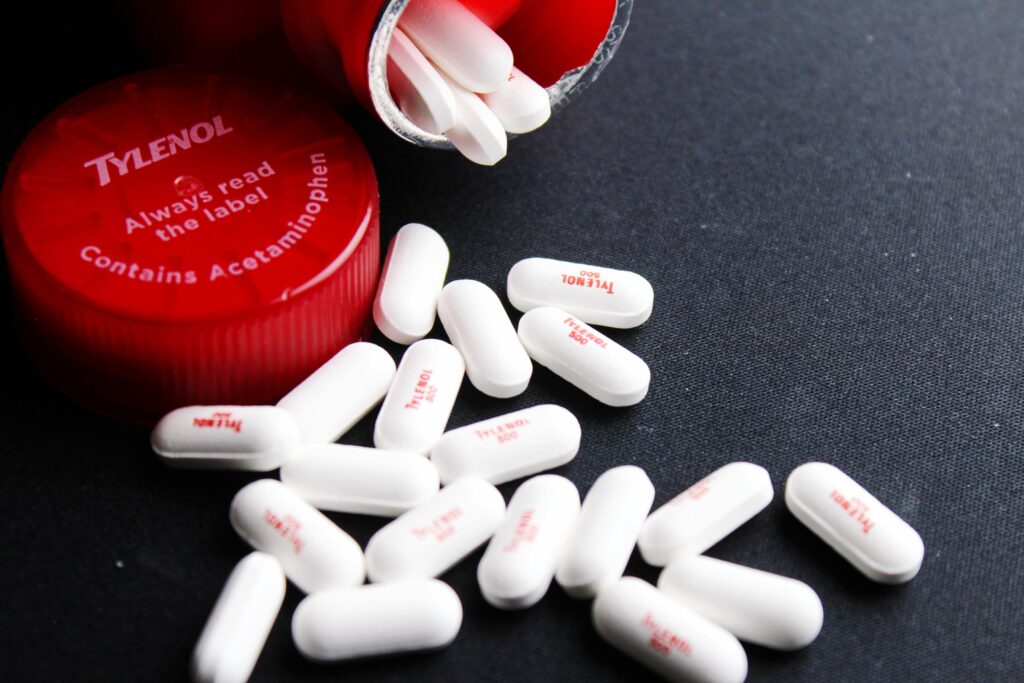
When you’re wrestling with chronic or nerve pain, it’s natural to reach for anything that might offer a bit of relief, but suddenly your medicine cabinet feels like a puzzle. Maybe you’ve asked yourself, can you take gabapentin with Tylenol, or is that risking more than it’s worth? It’s a smart question, especially when safety and peace of mind are so important. While there usually aren’t major red flags with this combination, being informed about how each medicine can affect you, including unwanted drowsiness or dizziness, is the key to using them wisely and staying on steady ground, especially if you’re in recovery.
What Is Gabapentin?
Gabapentin, often known by the brand name Neurontin, is a prescription medication that belongs to a class of drugs called anticonvulsants. While it was originally developed to treat seizure disorders, doctors now frequently prescribe it for nerve pain. This includes conditions like postherpetic neuralgia, which is a lasting pain that can follow a shingles infection. Gabapentin works by calming down overactive nerve signals in the brain that contribute to seizures and pain sensations. According to some studies on its mechanism, it essentially helps to quiet the storm of nerve activity.
Like any medication, it comes with potential side effects. The most common effects are dizziness, drowsiness, and issues with coordination. Because of how it affects the central nervous system, there’s a potential for misuse, particularly for those with a history of substance use. It’s so important to have professional guidance when taking this medication. Understanding the side effects of gabapentin and its long-term impact is a key part of using it safely, which is a cornerstone of any effective prescription drug rehab program Georgia.
What Is Tylenol?
Tylenol is one of the most recognized over-the-counter pain relievers, and its active ingredient is acetaminophen. It’s a go-to for headaches, muscle aches, and fevers. Unlike nonsteroidal anti-inflammatory drugs (NSAIDs) such as ibuprofen, which reduce inflammation at the source of pain, acetaminophen works differently. It primarily acts on the parts of the brain that receive pain signals, effectively turning down the volume on your discomfort.
It’s crucial to be mindful of the doses you’re taking. The maximum recommended Tylenol dose is 4,000 mg daily for adults, though some doctors suggest staying below 3,000 mg daily for long-term use to avoid risks. Exceeding this amount can lead to serious liver damage. This is especially important because acetaminophen is a hidden ingredient in hundreds of other medications, including many popular cold and flu remedies. The FDA warns that you should never take more than one medication containing acetaminophen at the same time to prevent an accidental overdose.
Is It Safe to Combine Gabapentin and Acetaminophen?
So, can you take gabapentin with Tylenol? The straightforward answer is yes, it’s generally considered safe to take this combination under a doctor’s supervision. There are no known major drug interactions between them. This is because gabapentin and acetaminophen work in completely different ways to relieve pain, so they don’t interfere with each other. Gabapentin calms overactive nerves, while Tylenol blocks pain signals in the brain. Together, they can tackle pain from two different angles.
However, “safe” doesn’t mean there are no side effects to consider. The biggest thing to watch out for with this combination is increased sedation and drowsiness. One study found that a high number of patients taking gabapentin experienced significant sedation. While Tylenol doesn’t cause drowsiness on its own, it won’t lessen the sedative effects of gabapentin. This means the combination can make you feel much more tired, dizzy, or “out of it” than taking gabapentin alone.
On the flip side, this combination can be very effective for pain management. The same study showed that taking gabapentin and acetaminophen together reduced the need for other pain medications, like tramadol, by more than 50%. This can be a huge benefit, as it lowers your overall medication load. The key is to talk with your healthcare provider. They can help you weigh the benefits of better pain relief against the risks of increased sedation to decide if this combination is right for you.
What Drugs Interact with Gabapentin?
While Tylenol doesn’t have a major interaction with gabapentin, it’s really important to know that other drugs and substances certainly do. The most significant risks come from combining gabapentin with other central nervous system (CNS) depressants. These substances slow down brain activity, and when mixed with gabapentin, the effects can be dangerously amplified, leading to extreme sedation, coordination problems, and even life-threatening respiratory depression (slowed or stopped breathing).
Always tell your doctor about everything you are taking, including prescriptions, over-the-counter drugs, and supplements. Key substances to be cautious with include:
- Opioids: Prescription painkillers like oxycodone or hydrocodone can be very dangerous when mixed with gabapentin.
- Benzodiazepines: Medications for anxiety or sleep, such as Xanax or Valium, also depress the central nervous system.
- Alcohol: Drinking alcohol while taking gabapentin can significantly increase drowsiness and dizziness. If you’re struggling with alcohol use, exploring options for alcohol rehab in Atlanta can provide the support needed for safer medication management.
What Drugs Interact with Tylenol?
Tylenol is generally safe, but it also has interactions you should be aware of. The most well-known and dangerous interaction is with alcohol. If you are a regular, heavy drinker, taking acetaminophen can put you at a much higher risk for severe liver damage. Both substances are processed by the liver, and combining them puts a heavy strain on this vital organ. Even if you only drink occasionally, it’s best to avoid taking Tylenol at the same time as alcohol.
Another important interaction is with the prescription blood thinner warfarin (Coumadin). Taking acetaminophen, especially in high doses or for a long time, can increase the effect of warfarin and raise your risk of bleeding. If you take a blood thinner, your doctor needs to know before you use Tylenol. The biggest day-to-day risk, however, is the one that can sneak up on you: accidental overdose from taking multiple products that contain acetaminophen without realizing it.
Other Acetaminophen-Containing Drugs
It’s easy to take more acetaminophen than you intend because it’s an ingredient in so many different over-the-counter products. An accidental overdose can do serious damage to your liver. Always read the “Active Ingredients” list on the label before taking any new medication.
Some common medications that often contain acetaminophen include:
- Cold and flu remedies like NyQuil and DayQuil
- Pain relievers like Excedrin
- Menstrual symptom relief products like Midol
- Prescription opioids that are combined with acetaminophen, such as Percocet or Vicodin
How to Take Gabapentin and Tylenol Together
If your doctor has determined that taking gabapentin and Tylenol together is a good option for your pain, using them safely comes down to following a few clear guidelines. The most important rule is to always follow the instructions given by your doctor and pharmacist. They know your health history and can provide personalized advice on doses and timing.
A common question is whether to take these medications with or without food. Tylenol is fine either way, but taking gabapentin with a meal or a snack can help reduce potential stomach upset or nausea. When starting any new combination of drugs, it’s wise for your doctor to begin with the lowest effective dose. This allows you both to monitor for side effects, especially drowsiness, before increasing the dose if needed.
For your safety, keep these tips in mind:
- Monitor for Drowsiness: Don’t drive, operate machinery, or do anything that requires full alertness until you know how this combination affects you.
- Avoid Alcohol Completely: Mixing alcohol with these medications seriously increases the risk of side effects and can be dangerous.
- Keep an Updated Medication List: Maintain a current list of all your medications, including over-the-counter products and supplements, and share it with your doctor and pharmacist.
- Know When to Seek Help: If you experience extreme dizziness, confusion, shallow breathing, or any other severe side effects, contact your doctor or seek medical attention right away.
Frequently Asked Questions
supervision. Gabapentin is a prescription medication commonly used to treat seizure disorders, restless leg syndrome, and nerve related pain such as postherpetic neuralgia. Tylenol contains acetaminophen and is an over the counter medicine used to relieve pain and reduce fever.
Because the two medications work in different ways in the nervous system, healthcare providers sometimes recommend gabapentin and Tylenol together for pain management. Gabapentin affects how the central nervous system processes pain signals, while acetaminophen helps the body reduce pain and fever.
Gabapentin and Tylenol together may be used to help manage different types of pain. Gabapentin works well for neuropathic pain and nerve pain, while acetaminophen can help relieve muscle pain or moderate pain from inflammation or injury.
In some situations such as post surgical pain management or chronic pain treatment, healthcare providers may recommend combining gabapentin with other pain medications to minimize pain without relying only on opioid painkillers. Studies involving preoperative gabapentin in procedures such as chest surgery or video assisted thoracoscopic surgery have explored how the medication may help block pain signals and reduce opioid consumption.
Gabapentin and Tylenol generally do not have strong direct drug interactions. However potential drug interactions can still occur when people take multiple medications at the same time. This is especially important for individuals taking other drugs such as opioid painkillers, central nervous system depressants, or combination medications that contain acetaminophen.
Tylenol interactions can also happen if someone unknowingly takes other acetaminophen containing drugs such as certain flu medications or over the counter drugs. Too much Tylenol can increase the risk of liver damage or even acute liver failure. A healthcare provider can perform a drug evaluation to check for possible drug interactions.
For most people the combination is considered safe when taken at recommended doses. However taking gabapentin and Tylenol together may still cause adverse effects in some individuals. Gabapentin can cause drowsiness and dizziness because it affects the central nervous system.
When gabapentin is combined with other central nervous system depressants such as opioid painkillers, alcohol, or certain prescription medications, there may be a risk of severe drowsiness or serious breathing difficulties. High doses or combining several drugs that affect the nervous system can increase the chance of respiratory depression or other adverse reactions.
Anyone taking multiple medications should speak with a healthcare provider before combining gabapentin and Tylenol. This is especially important for people with kidney disease, liver problems, eating disorders, or those taking medications such as warfarin, a blood thinner that has a known acetaminophen interaction.
A healthcare professional can review prescribed gabapentin doses and the recommended dose of acetaminophen to ensure safe pain management. Following prescribed dosages and avoiding high doses helps reduce the risk of Tylenol overdose, liver damage, or other adverse effects when managing chronic pain or nerve pain.
Take Control of Your Recovery
Ultimately, managing pain is about finding what works safely and effectively for you. While combining gabapentin and Tylenol is generally considered safe, the increased risk of side effects like drowsiness means it requires caution and, most importantly, professional guidance. For anyone in recovery or with concerns about medication dependency, navigating pain management adds another layer of complexity. It’s not just about finding relief; it’s about doing so in a way that protects your hard-earned progress and aligns with your recovery goals.
Understanding how medications like gabapentin and Tylenol work together is a positive step. Remember that side effects like heightened drowsiness are manageable with a doctor’s guidance, and always be vigilant about checking labels for hidden acetaminophen in other products. The most valuable next step you can take is to communicate openly with your healthcare provider about all your medications and concerns. If you need support in creating a pain management plan that honors your recovery, our team at Inner Voyage is here to help. Call us at (470) 460-8437 or reach out to us online to start a conversation.
Sources
- Gandhi, S., Chen, S., & Honein, G. (2024 February 21). Gabapentin – StatPearls – NCBI Bookshelf. StatPearls Publishing.
- U. S. Food and Drug Administration. (2017). NEURONTIN (gabapentin). U. S. Food and Drug Administration.
- U. S. Department of Justice. (n.d.). GABAPENTIN (Trade Name: Neurontin®). U. S. Department of Justice.
- Mack, A. (2003). Examination of the evidence for off-label use of gabapentin. Journal of Pain and Palliative Care Pharmacotherapy, 17(3), 31–42.
- Gupta, S., & Gersing, K. (2013). Prescribing gabapentin off label: Perspectives from psychiatry, pain and palliative care and primary care. International Journal of General Medicine, 6, 129–135.
- Sultan, A., & Moloney, P. (2018 September). Gabapentin for Off-Label Use: Evidence-Based or Cause for Concern?. The Journal of Clinical Psychiatry, 79(5).
- Dickersin, K. (2009 November 11). Off-Label Gabapentin Trial Outcome Reporting Examined, Inclusion Criteria Questioned. Johns Hopkins Bloomberg School of Public Health.
- Centers for Disease Control and Prevention. (2022 November 4). CDC Clinical Practice Guideline for Prescribing Opioids for Pain. Centers for Disease Control and Prevention.
- U. S. Department of Veterans Affairs. (2022). Use of Opioids in the Management of Chronic Pain (2022). U. S. Department of Veterans Affairs.
- Gandhi, S., Chen, S., & Honein, G. (2025 April 10). Acetaminophen Toxicity – StatPearls – NCBI Bookshelf. StatPearls Publishing.
- U. S. Food and Drug Administration. (2024 February 1). Don’t Overuse Acetaminophen. U. S. Food and Drug Administration.
- Chakrapani, A. (2004 August). Acute Liver Failure including Acetaminophen Overdose. Clinics in Liver Disease, 8(3), 571–586.
- National Library of Medicine. (2020 May 15). Gabapentin: MedlinePlus Drug Information. National Library of Medicine.
- National Library of Medicine. (2025 October 15). Acetaminophen: MedlinePlus Drug Information. National Library of Medicine.
- Thorne, E. A., & Mital, R. (2011 September 12). Warfarin and acetaminophen interaction: a summary of the evidence. International Journal of Gerontology, 6(3), 121–123.
- Substance Abuse and Mental Health Services Administration. (2023 June 9). National Helpline for Mental Health, Drug, Alcohol Issues. Substance Abuse and Mental Health Services Administration.
- Currie, C. (2003 November). Outcome from integrated pain management treatment for recovering substance abusers. Journal of Pain and Symptom Management, 27(1), 17–27.
- Jamison, R. N. (2007). Managing Chronic Pain in Adults With or in Recovery From Substance Use Disorders. U.S. Department of Health and Human Services.
Help is Here When You’re Ready
"*" indicates required fields