

Examples of Club Drugs: Common Types and Dangers
Key Takeaways
- Club drugs are substances like MDMA, GHB, and ketamine that are often used at parties to change how a person feels, thinks, or sees things.
- A major danger is that these drugs are often mixed with unknown substances, and combining them with alcohol can lead to overdose, coma, or death.
- Long-term use can cause serious health problems and addiction, but professional and compassionate help is available for anyone who needs support to recover.
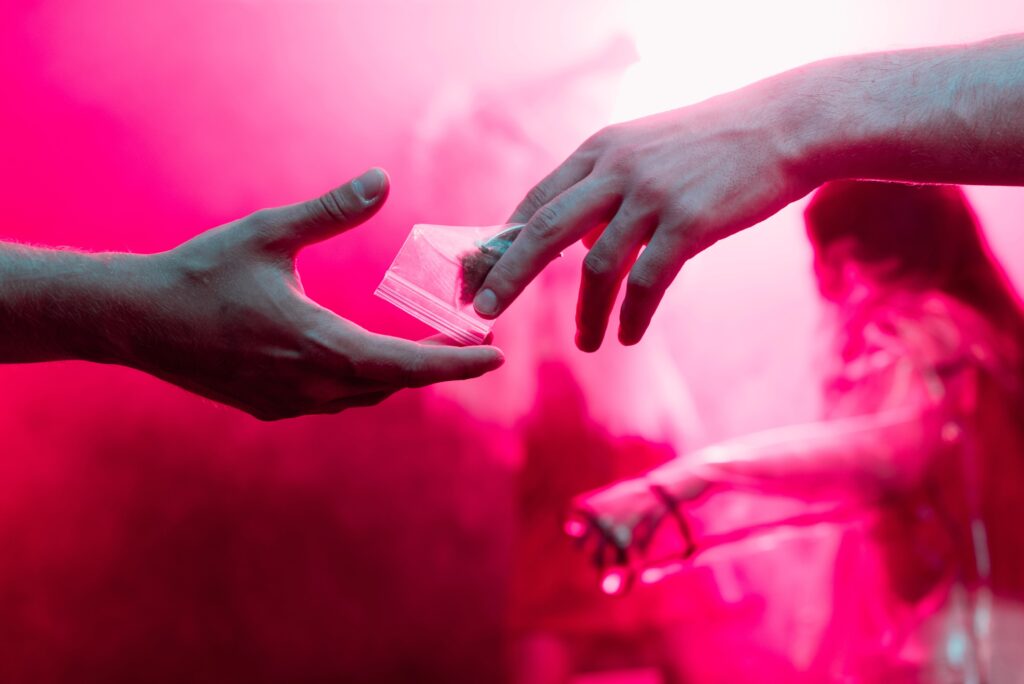
You’re in a crowded room, the bass thumps in your chest, lights flicker in every color, and there’s a wild electricity in the air, every heartbeat matched by the energy on the dance floor. In the middle of all this, you might hear whispers about certain pills or powders passed hand to hand, easy to overlook in the blur of music and voices. These moments often involve club drug examples that people casually reference without fully understanding what they are or how they affect the body. But have you ever stopped to wonder what these so-called club drugs really do, or what risks might be lurking beneath the surface? Gaining some clarity here is more than just smart; it’s a way to protect yourself or someone you care about, and if things ever get overwhelming, support and understanding are closer than you might think.
What Are Club Drugs?
“Club drugs,” often called “party drugs,” aren’t a strict scientific category. Instead, it’s a broad term for a group of psychoactive drugs popular among teens and young adults at social events like concerts, nightclubs, festivals, and raves. People often use them to feel more energetic, lower their inhibitions, or enhance their sensory experiences, aiming to magnify the lights, music, and feelings of connection in a crowd. According to MedlinePlus, these substances act on the central nervous system, causing significant changes in mood and awareness.
This group includes a mix of stimulants, depressants, and hallucinogens. While they all have different effects, they share a common thread of being associated with nightlife and social gatherings. The most well-known examples we’ll explore here include MDMA, GHB, ketamine, and Rohypnol. Their prevalence in these scenes is concerning, as their unpredictable effects and potential for harm often get lost in the excitement of the moment.
Common Club Drug Examples and Their Effects
When people ask, “What are the different types of club drugs?” they’re usually referring to a handful of substances that have become common in party scenes. Each one comes with its own set of desired effects and a corresponding list of serious risks. Understanding these club drugs examples, from their street names to their impact on your mind and body, is the first step toward making informed and safer choices. Let’s take a closer look at four of the most common types of party drugs.
Ecstasy (E, X, Molly, MDMA)
MDMA is a synthetic drug that acts as both a stimulant and a hallucinogen, altering mood and perception. It’s widely known by street names like Ecstasy, Molly, X, and E. It usually comes in the form of colorful tablets often stamped with logos, but it can also be found as capsules or a white powder. Because it has stimulant properties, professional stimulant addiction treatment can be an effective way to address dependence. If you or someone you know is struggling, help is available through specialized ecstasy and MDMA rehab programs.
Users often seek the feelings of euphoria, increased energy, and emotional warmth it produces. It can make people feel more connected to others and enhance sensory experiences. But, MDMA can cause dangerous spikes in body temperature (hyperthermia), leading to dehydration, kidney failure, or heart problems. According to the National Institute on Drug Abuse, it can also lead to anxiety, confusion, and depression. Long-term use may damage the brain’s serotonin system, affecting mood and memory.
GHB (Liquid Ecstasy)
GHB is a powerful central nervous system (CNS) depressant. Its common street names include “G” and “Liquid Ecstasy.” It typically appears as a colorless, odorless liquid or as a white powder that dissolves easily in drinks. Because of these properties, it has unfortunately earned a reputation as a date rape drug.
In small doses, GHB can cause euphoria, increased sociability, and relaxation. The line between a dose that produces a high and one that causes a dangerous overdose is incredibly thin. GHB can lead to drowsiness, dizziness, unconsciousness, amnesia, and seizures. Mixing it with alcohol is extremely risky and can cause severe respiratory depression, coma, or death.
Ketamine (K)
Ketamine is a dissociative anesthetic, meaning it distorts perceptions of sight and sound and produces feelings of detachment from the environment and oneself. It’s used legally in medicine, particularly in veterinary practices. Its street names include “Special K,” “K,” “Vitamin K,” and “Cat Valium.” It’s typically sold as a white powder that can be snorted or a liquid that can be injected.
Users take ketamine to experience its hallucinogenic and out-of-body effects. Ketamine causes impaired motor function, making it difficult to move or respond to one’s surroundings. It can also lead to high blood pressure, respiratory problems, and confusion. Long-term use can cause significant cognitive damage and bladder issues. Support is available through dedicated ketamine addiction rehab programs.
Rohypnol (Roofies)
Rohypnol is a potent benzodiazepine, a class of drugs typically prescribed for anxiety or sleep issues. It is illegal in the United States. Known on the street as “Roofies” or “Roach,” it comes as a small pill that can be dissolved in liquid. Newer versions include a dye that is supposed to make it visible in drinks, but older, colorless pills are still found.
Rohypnol causes intense sedation, muscle relaxation, and amnesia. Its effects are amplified when mixed with alcohol. Like GHB, Rohypnol is notoriously used as a date rape drug because it can incapacitate someone and cause them to have no memory of what happened. It can lead to blackouts, confusion, and loss of motor control. If you or a loved one needs support, benzodiazepine rehab can provide a path to recovery.
Why Club Drugs Are Dangerous
The dangers of club drugs go far beyond the immediate side effects of any single substance. One of the biggest risks is their unknown purity. Drugs sold on the street are often “cut” or mixed with other substances, from caffeine and methamphetamine to more dangerous chemicals. You never truly know what you’re taking, which makes the effects unpredictable and potentially deadly.
Another major risk is polydrug use, which means using multiple substances at once. Mixing any club drug with alcohol is especially dangerous. For example, combining a stimulant like MDMA with a depressant like alcohol puts immense strain on the heart and can mask the signs of overdose. Mixing depressants like GHB or Rohypnol with alcohol dramatically increases the risk of respiratory failure, coma, and death. Because alcohol is so common in party settings, the risk of these dangerous combinations is high. If you’re concerned about your drinking habits, finding a trusted alcohol rehab program can be a crucial step.
Frequently Asked Questions
Club drugs act on the nervous system in different ways depending on whether they function as stimulant and depressant drugs, psychedelic drugs, or central nervous system depressants. Some increase energy and body temperature, while others cause sedation and impaired awareness. Effects may include changes in blood pressure, increased body temperature, muscle pain, impaired judgment, and altered perception. Higher doses raise the risk of drug overdose, including club drug overdose.
Repeated club drug use can lead to substance abuse, physical dependence, and worsening mental health conditions, including anxiety or depression. Withdrawal symptoms vary by substance but may include fatigue, mood changes, muscle pain, and a withdrawal syndrome that includes headache and sleep disturbances. Long-term use has also been linked to renal toxicity, cardiovascular strain, and possible underlying disorders that require medical evaluation.
Anyone experiencing adverse effects, withdrawal symptoms, or signs of drug overdose should seek immediate medical care. Long-term recovery often involves substance abuse treatment, medical monitoring, and support from services connected to Health and Human Services, the National Institute on Drug Abuse, or local mental health services administration resources. Early intervention can reduce long-term harm and improve outcomes.
Where to Get Help for Problems With Club Drug Use
Here in the Atlanta, Georgia area, Inner Voyage provides compassionate, personalized paths to recovery. We understand the challenges you’re facing and offer a supportive environment where you can heal without judgment. Our team is dedicated to helping you find your way back to yourself.
Navigating the risks of club drugs, especially when dealing with substances like GHB or the possibility of addiction, can feel isolating. But recognizing the need for change is a powerful first move. Taking steps to protect yourself and understanding when to ask for help are signs that you value your well-being. If you’re ready to talk about what’s next, our team at Inner Voyage is here to listen. You can call us at (470) 460-8437 or contact us to explore your options in a confidential, caring space. Making that call is a concrete next step toward taking back control.
Sources
- MedlinePlus. (December 6, 2023). Club drugs. MedlinePlus.
- New York City Department of Health and Mental Hygiene. Club drugs (Ecstasy, Herbal Ecstasy, Rohypnol, GHB, Ketamine). New York City Department of Health and Mental Hygiene.
- Illinois Department of Human Services. (January 2023). Facts you should know about club drugs – IDHS 4492. Illinois Department of Human Services.
- National Center for Biotechnology Information. (June 1, 2004). Club drugs: MDMA, gamma-hydroxybutyrate (GHB), Rohypnol, and ketamine. American Family Physician.
- U.S. Department of Veterans Affairs. Club drugs (GHB, Ketamine, and Rohypnol). U.S. Department of Veterans Affairs.
- National Institute on Drug Abuse. (April 19, 2024). MDMA (Ecstasy/Molly). National Institute on Drug Abuse.
- Drug Enforcement Administration. MDMA, Ecstasy, Molly, XTC, E, X, Beans, Adams. Drug Enforcement Administration.
- Substance Abuse and Mental Health Services Administration. National helpline for mental health, drug, alcohol issues. Substance Abuse and Mental Health Services Administration.
- National Center for Biotechnology Information. (March 22, 2023). Prevalence of self-reported adverse effects associated with drug use …. PubMed Central.
- National Center for Biotechnology Information. (April 30, 2021). Illicit drug use and associated problems in the nightlife scene. PubMed Central.
- Boston University. (September 19, 2023). Do you think your drink was spiked? How to recognize the …. Boston University.
- University of Florida. (February 6, 2026). Drink spiking prevention. University of Florida.
- Centers for Disease Control and Prevention. (September 20, 2024). Standard safe operating procedures. Centers for Disease Control and Prevention.
- Johns Hopkins Bloomberg School of Public Health. (September 29, 2025). A guide to compassionate polysubstance overdose response. Johns Hopkins Bloomberg School of Public Health.
- National Center for Biotechnology Information. (November 9, 2017). Management of suspected opioid overdose with naloxone …. National Center for Biotechnology Information.
- Substance Abuse and Mental Health Services Administration. (August 25, 2025). Medications for substance use disorders. Substance Abuse and Mental Health Services Administration.
- Substance Abuse and Mental Health Services Administration. FindTreatment.gov: Home. Substance Abuse and Mental Health Services Administration.
- National Institute on Drug Abuse. (July 6, 2020). Treatment and recovery. National Institute on Drug Abuse.
- Centers for Disease Control and Prevention. (April 25, 2024). Treatment of substance use disorders. Centers for Disease Control and Prevention.
- American Society of Addiction Medicine. (August 3, 2021). ASAM clinical guidelines. American Society of Addiction Medicine.
Help is Here When You’re Ready
"*" indicates required fields