

How Long Can Alcohol Be Detected in Urine?
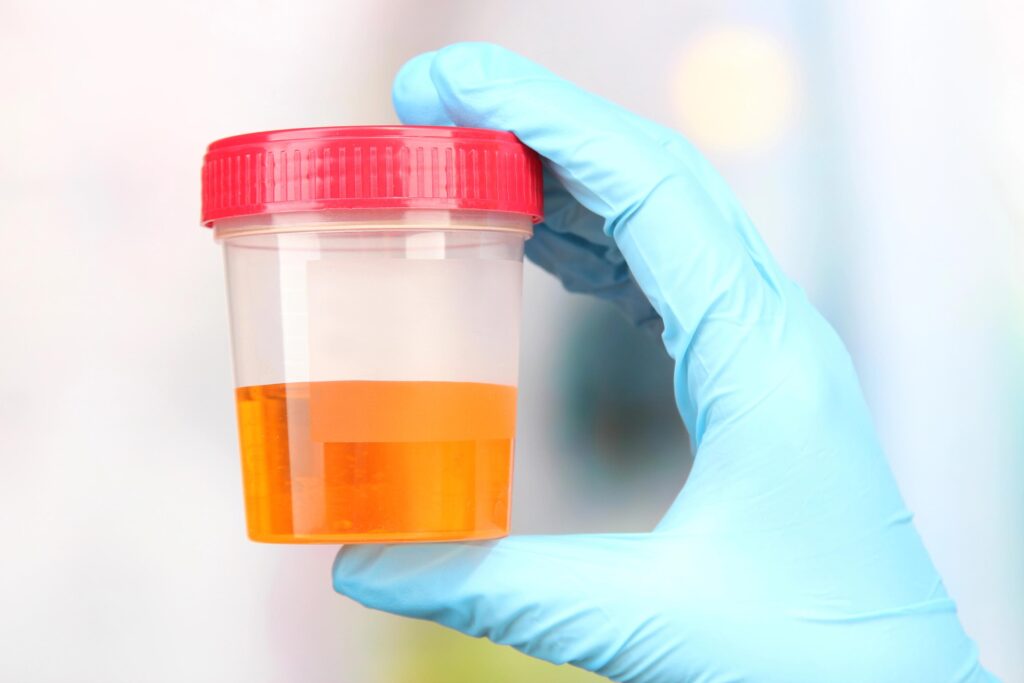
If you’re asking, “How long is alcohol detectable in urine?” you’re likely looking for clear, straightforward answers. Maybe you’re facing a test for work or legal reasons, or you’re part of a recovery program. Whatever your situation, it’s a question that often comes with a lot of stress and uncertainty. We get it. Understanding the timelines, the different types of tests, and the factors that influence results can help you feel more in control. Let’s walk through this together, step by step, so you have the information you need.
Types of Urine Tests and How They Work
When it comes to urine tests for alcohol, there are two main types, and they work very differently. The first is a standard test that detects ethanol, the type of alcohol found in drinks. This test has a very short memory, typically only detecting alcohol for up to 12 hours after consumption. Because it’s cleared from the body so quickly, it’s mostly used to check for very recent drinking.
The second, and more common, type of test looks for something else: metabolites. When your body processes alcohol, it creates byproducts called ethyl glucuronide (EtG) and ethyl sulfate (EtS). These metabolites stay in your system much longer than ethanol itself. An EtG or EtS test can detect alcohol consumption for up to 80 hours, or over three days, after your last drink. Because of this extended window, these urine tests are the standard for situations that require monitoring for abstinence, such as in medical detox programs or legal settings.
Windows of Detection in Urine Tests
The window for detecting alcohol in urine isn’t a single, fixed number. It varies significantly depending on the type of test used, the amount of alcohol consumed, and the test’s sensitivity, or “cutoff” level. Think of a cutoff as a threshold; if the alcohol metabolite level is below that line, the test is negative.
EtG tests are the most common for monitoring, and their detection times vary widely. For someone who has had only a few drinks (light drinking), metabolites might be gone within 48 hours. For heavy drinking, they can linger for much longer. The lab’s cutoff level plays a huge role here. A highly sensitive test with a low cutoff can find smaller traces of EtG for a longer period.
For example, research shows that an EtG test with a 100 ng/mL cutoff is most likely to detect heavy drinking for up to five days and any drinking within the previous two days. In contrast, a test with a higher cutoff of 500 ng/mL, often used in legal contexts to avoid false positives, may only detect heavy drinking from the previous day. This is why understanding the specific test you’re taking is so important.
| Cutoff Level (ng/mL) | Detection Window (Heavy Drinking) | Detection Window (Light Drinking) |
|---|---|---|
| 100 | Detection Window: Up to 5 days | Detection Window: Up to 2 days |
| 500 | Detection Window: ~24-48 hours | Detection Window: Less than 24 hours |
So, when is alcohol no longer detected? For a standard ethanol test, it’s usually within 12 hours. For an EtG test, it depends. After light drinking, you can generally expect metabolites to be clear within two days. After heavy drinking, they could remain detectable for three to five days, particularly on a very sensitive test. For those in alcohol rehab programs in Atlanta, this longer window helps provide an accurate picture of abstinence.
Determinants of Alcohol Retention in Urine
The time alcohol stays in your system is unique to you. It’s not a one-size-fits-all timeline because several personal factors influence how your body processes alcohol and gets rid of its metabolites. At Inner Voyage, our comprehensive assessments consider these individual variables to create a truly personalized recovery plan.
Here are some of the key determinants:
- Amount and Frequency of Consumption: The more you drink, and the more often you drink, the longer the metabolites will be present in your urine. Heavy or chronic drinking causes EtG to build up, extending the detection window.
- Metabolism Rate: Everyone’s body works at a different pace. Your unique metabolism, influenced by genetics and overall health, affects how quickly you process alcohol.
- Body Weight and Composition: Your size, as well as your body’s ratio of fat to muscle, impacts how alcohol is distributed and metabolized. Generally, a smaller person will have a higher blood alcohol concentration (BAC) from the same amount of alcohol.
- Age: As we get older, our metabolism tends to slow down, and changes in body composition can mean alcohol is processed less efficiently.
- Gender: Due to differences in body water, enzymes, and hormones, men and women metabolize alcohol differently. For example, a woman weighing 150 pounds might reach a higher BAC after four drinks than a 200-pound man would after six drinks.
- Liver Function: Your liver does most of the work of breaking down alcohol. If it’s not functioning at 100%, whether due to genetics or liver damage, the process will be slower.
- Hydration Level: While staying hydrated is important for your health, you can’t simply “flush” alcohol metabolites out of your system by drinking a lot of water. It might dilute your urine, but it won’t speed up your liver’s processing time. In fact, a sample that is too diluted can be flagged by the lab.
Urine Test Limitations
It’s important to know that no test is perfect. While modern urine tests are quite advanced, they have limitations you should be aware of. According to a 2017 study, EtG urine tests can detect recent drinking with about 70% to 85% accuracy, depending on whether the consumption was light or heavy. But accuracy isn’t the only concern; false positives are a major source of anxiety for many people.
A false positive happens when a test says you’ve been drinking, but you haven’t. This can be particularly stressful in legal or employment situations. The main cause is incidental exposure to alcohol from everyday products. Things like mouthwash, hand sanitizer, certain cold medicines, and even some foods like kombucha or overripe fruit contain small amounts of ethanol. For highly sensitive EtG tests with low cutoffs, this accidental exposure can sometimes be enough to trigger a positive result.
The cutoff level is key to minimizing this risk. Studies show a clear link between the cutoff and the rate of false positives. With a sensitive 100 ng/mL cutoff, the false positive rate can be as high as 16%. At a 500 ng/mL cutoff, that rate drops to around 3%. This is why it’s so important for labs and administrators to use these tests responsibly and to consider the possibility of incidental exposure, especially when results are near the cutoff.
The Impact of Urine Alcohol Testing in Various Sectors
Understanding the technical side of urine alcohol tests is one thing, but their real-world consequences are what truly matter. A test result can have a significant impact on your life, from your job to your family. These tests are used in several sectors, each with its own set of rules and repercussions.
Legal Implications
In the legal system, EtG testing is frequently used to monitor individuals on probation, in DUI programs, or involved in family court cases, such as child custody disputes. The primary purpose is to verify abstinence from alcohol when it’s a condition of a legal agreement or court order. A positive test may be seen as a violation of these terms, leading to serious consequences.
Given the high stakes, understanding the limitations of these tests is critical. The possibility of a false positive from incidental exposure can create a challenging situation. If you are in a legal situation that requires alcohol monitoring, being aware of how these tests work and what can influence them is essential for protecting yourself.
Employment Repercussions
In the workplace, urine alcohol tests are used for several reasons. Pre-employment screening is common, especially for jobs where safety is a top concern. Companies may also conduct random testing for employees in safety-sensitive roles or require a test after a workplace accident to determine if alcohol was a factor.
While employers have the right to maintain a safe workplace, employees also have rights. It’s important that companies have clear, transparent policies about their testing procedures. If you’re looking for support that fits around your work schedule, options like an outpatient rehab Atlanta can provide the help you need without disrupting your career.
Risks of Alcohol Misuse
Beyond the immediate stress of a urine test, it’s helpful to look at the bigger picture of why this monitoring exists. Frequent or heavy alcohol consumption carries significant risks that can affect nearly every aspect of your life. These aren’t just statistics; they represent real challenges that people face every day. The health risks range from short-term issues like impaired judgment to long-term problems like liver disease, heart conditions, and an increased risk of cancer.
It can also strain relationships, impact work performance, and affect mental health, contributing to anxiety and depression. Understanding these consequences of alcohol misuse helps frame why support and accountability are so important. If you feel like your drinking is causing problems, please know that you’re not alone, and it’s a sign of strength, not weakness, to seek support.
Frequently Asked Questions
Alcohol is typically detectable in urine for about 12 to 24 hours after alcohol consumption when using standard urine tests. However, more advanced urine alcohol tests like ethyl glucuronide (EtG) tests can detect alcohol metabolites for up to 72 hours or longer depending on how much alcohol was consumed and individual metabolism. Detection windows vary based on several factors like alcohol intake, body composition, and how fast the body processes ethanol.
Several factors influence how long alcohol stays detectable in a urine sample. These include alcohol metabolism, body size, genetic factors, and how much food was consumed before drinking. Heavy drinking or chronic heavy alcohol use can extend the detection window, while lighter alcohol consumption may result in lower urine alcohol concentration and shorter detection times.
There are different urine alcohol tests used to detect alcohol consumption. Standard urine tests measure current intoxication levels, while EtG tests and ethyl sulfate (EtS) tests detect alcohol metabolites and can identify recent alcohol consumption even after ethanol has left the bloodstream. These highly sensitive tests are often used in legal settings or treatment programs to monitor alcohol use.
Yes, false positives can occur in urine alcohol tests due to exposure to non-beverage sources of alcohol such as mouthwash, hand sanitizer, or certain medications. Because EtG tests are highly sensitive, even low levels of exposure may lead to a positive test result. Confirmatory testing and accurate interpretation of ng/mL levels, such as a 500 ng/mL cutoff, are important for identifying alcohol consumption accurately.
Alcohol is broken down by enzymes like alcohol dehydrogenase and eliminated through urine, breath, and sweat. Blood alcohol concentration (BAC) decreases over time as the body works to eliminate alcohol. While you cannot significantly speed up this process, staying hydrated and allowing time for metabolism are the most effective ways to flush alcohol from your system.
Making Sense of Urine Alcohol Tests and Detection Windows
Learning about alcohol detection times is often just one piece of a much larger puzzle. If your concern over a test result has made you reflect on your relationship with alcohol, that awareness is a powerful first step. A test that shows a pattern of use isn’t a judgment; it’s information. It can be a sign that it’s time to reach out for support and explore healthier ways to cope and move forward.
Feeling worried or overwhelmed is completely normal, but you don’t have to figure this out on your own. There are people who understand what you’re going through and are ready to help you navigate what comes next. Choosing to seek help is a courageous decision that can lead to lasting, positive change in your life.
A great next step is to simply have a confidential conversation about your options. You can call us at (470) 460-8437 to speak with someone who understands. The team at Inner Voyage is here to help you create a personalized recovery plan that works for you. You can also contact us whenever you’re ready.
Sources
- National Institute on Drug Abuse. (January 5, 2025). Treatment approaches for drug addiction. National Institute on Drug Abuse.
- McHugh, R. K., Hearon, B. A., & Otto, M. W. (2010). Cognitive behavioral therapy for substance use disorders. The Psychiatric Clinics of North America, 33(3), 511–525.
Help is Here When You’re Ready
"*" indicates required fields