Dual Diagnosis Treatment for Real-Life Stability
Our evening IOP is especially beneficial for individuals who are navigating both mental health conditions and substance use concerns. Through a coordinated dual diagnosis treatment plan, our clinical team addresses how emotional health, trauma history, stress, and substance use patterns influence one another.
Rather than treating these concerns separately, treatment planning is integrated and individualized. Through coordinated care, our treatment team addresses how emotional health, trauma, and substance use interact in daily life.
Clients receive structured support, evidence-based therapy, and individualized treatment planning that allows them to continue work, school, or family responsibilities while building long-term tools for recovery.
Individual Therapy for Mental Health
Patients participate in regular individual therapy sessions where therapists address symptoms, stressors, trauma, and treatment goals tailored to their specific needs.
These individual sessions help clients strengthen coping skills, process experiences, and build insight while receiving personalized clinical support.
Therapeutic Group Work That Reinforces Accountability
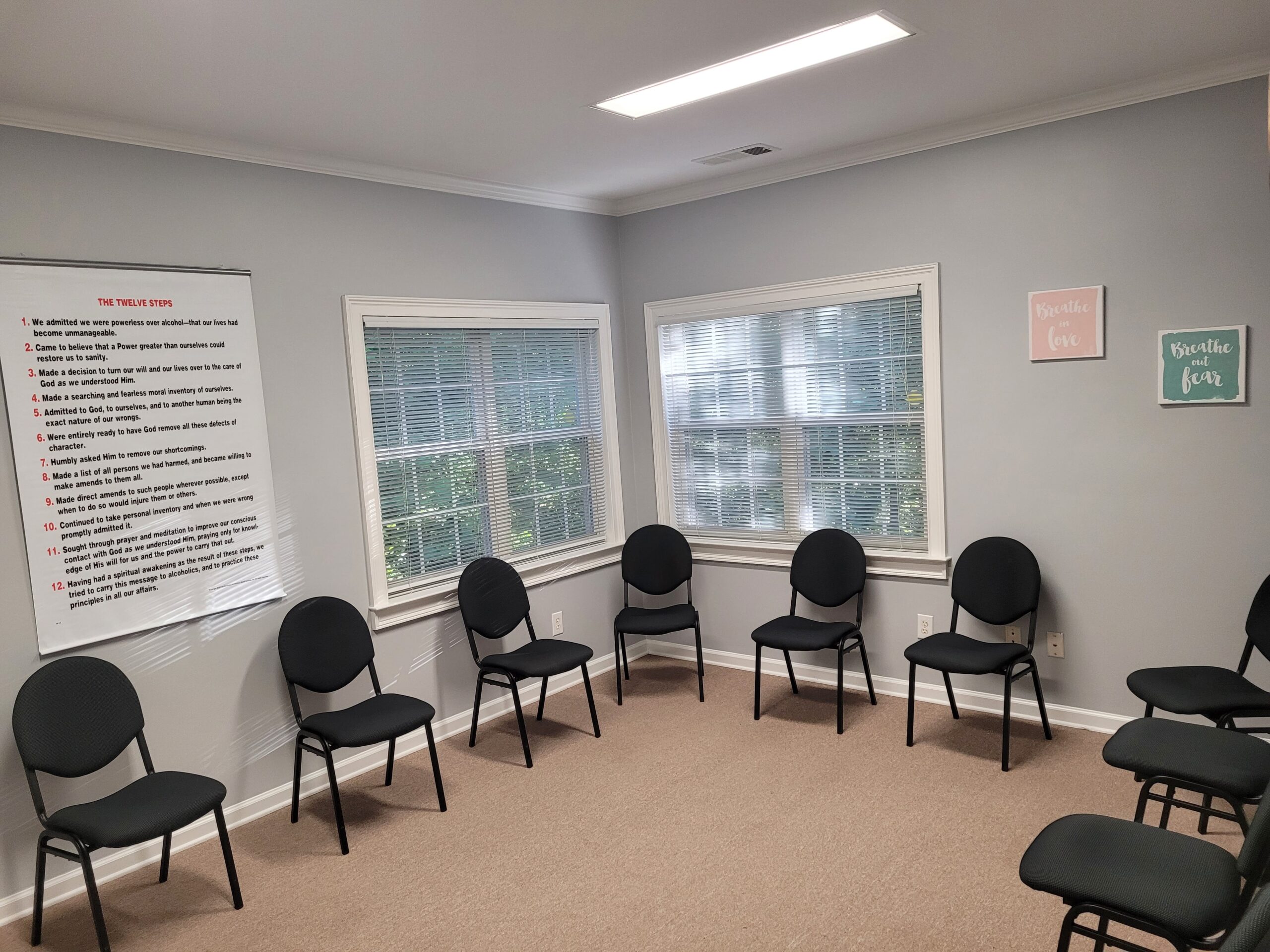
Group therapy sessions provide structured support through process groups, psychoeducation, and peer interaction. Group settings allow patients to connect with others, practice communication skills, and receive feedback as they build confidence in recovery.
Psychiatric Support and Medication Management
For individuals managing bipolar disorder, anxiety, trauma-related symptoms, or other mental health conditions, medication can be an important part of treatment.
Our clinical professionals coordinate medication management to support stability and symptom reduction, working alongside a client’s primary care provider when appropriate.
Skill Building and Coping Skills Development
Evening IOP includes skill-building sessions focused on emotional regulation, stress management, healthy routines, and coping strategies that can be applied immediately in daily life. These tools help patients manage symptoms while maintaining responsibilities at home, work, or school.
Structured Evening Schedule
The evening intensive outpatient program operates on a structured schedule designed for adults with daytime obligations. Programming occurs multiple evenings per week, providing consistent support without disrupting daily responsibilities. This makes evening IOP an effective option for individuals who need a higher level of care than traditional outpatient treatment.