Request a call to speak with an admissions specialist. We are here to help you.

"*" indicates required fields

Addiction Treatment for Women in Atlanta, GA

Inner Voyage Recovery offers rehab for women in Atlanta, GA: a drug and alcohol addiction treatment center providing whole-person treatment for adult women. Whether you are looking for women’s addiction treatment at women-only rehab centers, outpatient drug and alcohol rehab, or gender-specific counseling, our women’s addiction treatment program is built around your specific needs. We serve women from Atlanta and across Georgia seeking compassionate, evidence-based care. Our gender-responsive care addresses the unique challenges women face in recovery: trauma, shame, guilt, family dynamics, caregiving responsibilities, co-occurring disorders, and motherhood. Comprehensive support addressing addiction, trauma, and mental health is the standard at IVR, not an add-on. Research shows women encounter more barriers than men when seeking addiction treatment and are less likely to complete the admissions process. Our women’s program is designed to overcome these obstacles, providing compassionate, tailored care for lasting recovery. Personalized, tailored treatment plans based on thorough assessments. Same day admissions available for immediate support. Free insurance verification and confidential, HIPAA-compliant service. Call (470) 460-8437 to get started.

Free Insurance Check

Free & Confidential | HIPAA Compliant | No Obligation

"*" indicates required fields

1
2
3
4
This field is for validation purposes and should be left unchanged.
rehab for women

Why Women's Addiction Treatment Centers Get Better Results

Addiction affects women differently from men. The path into substance use is different, the substances of choice often differ, the physical effects are more severe at lower doses and shorter durations, and the barriers to treatment are distinct. Yet for decades, addiction research and treatment were designed almost exclusively around male patients.

Gender-specific treatment was developed to address this gap. Research suggests many women in women-only treatment settings report stronger engagement and retention, and greater comfort addressing trauma and co-occurring mental health needs, than in mixed-gender programs. They are more likely to engage openly in therapy, more likely to address trauma and co-occurring mental health conditions, and more likely to complete treatment. For women who are also managing anxiety, depression, PTSD, or other mental health conditions alongside addiction, this difference is especially significant. Dual diagnosis treatment centers Georgia that are designed specifically around women’s clinical needs produce meaningfully better outcomes than programs where gender-specific care is an afterthought rather than a foundation.

Table of Contents

How Addiction Affects Women Differently

Understanding why women-specific treatment matters starts with understanding how addiction develops and progresses differently in women. These are not minor variations. They are clinically significant differences that affect how women enter treatment, what they need from it, and what makes recovery sustainable.

Telescoping

Women progress from first use to dependence faster than men, a phenomenon researchers call telescoping. A woman who begins drinking at the same time as a man will develop alcohol use disorder more quickly, experience more severe consequences sooner, and often present to treatment with a more advanced condition despite a shorter use history. This pattern holds across multiple substances. The implication for treatment is significant: by the time a woman seeks help, the severity of her condition may be greater than it appears based on the timeline alone.

Trauma and Abuse History

Up to 80% of women in addiction treatment report histories of physical or sexual abuse. For many, substance use did not begin as recreation. It began as coping. Substances became a way to manage the anxiety, hypervigilance, emotional numbing, and intrusive memories that are hallmarks of unresolved trauma. Treatment that does not address the underlying trauma typically does not produce lasting recovery, because the root of the substance use remains untreated. Our trauma therapy Atlanta approach is integrated into every women’s treatment plan from the beginning, not introduced as a separate track after the addiction has been addressed.

Co-Occurring Mental Health Conditions

Women with substance use disorders are more likely than men to have co-occurring anxiety, depression, PTSD, and eating disorders. These conditions need to be treated alongside the addiction, not sequentially. Telling a woman to address her mental health after she has dealt with her addiction is a clinical approach that research has consistently shown to be less effective than integrated, simultaneous treatment. Our dual diagnosis treatment centers Georgia program exists specifically because co-occurring disorders are the rule, not the exception, in women’s addiction treatment.

Relationship and Family Context

Women are more likely to begin using substances within the context of a relationship and more likely to have a partner who also uses. The social and relational context of substance use is often central to how a woman’s addiction developed and how it is maintained. Relationship dynamics play a significant role in both the development of addiction and in barriers to seeking treatment. A woman whose partner uses substances, discourages treatment, or creates conflict around the idea of sobriety faces a set of challenges that a treatment program must be prepared to address directly. Our family therapy for addiction services are integrated into our women’s program specifically for this reason.

Shame and Stigma

Women who struggle with addiction face a more severe and qualitatively different level of social stigma than men. The cultural script for women, and for mothers in particular, leaves no room for addiction. Women who internalize this script experience profound shame and guilt that delay help-seeking and complicate engagement in treatment. Fear of judgment, fear of losing custody of children, and fear of being seen as an unfit mother are among the most powerful barriers to treatment that women face. At Inner Voyage, rebuilding self-esteem and empowerment is a core part of treatment, not a side effect of it.

Physiology

Women have higher blood alcohol concentration than men after consuming the same amount of alcohol, due to lower body water content and differences in enzyme activity. They are more susceptible to alcohol-related organ damage, including liver disease, cardiovascular disease, and neurological damage, at lower levels of consumption and over shorter periods of time. These physiological differences mean that the same level of use that produces manageable consequences in a man may produce serious health consequences in a woman, and that recovery planning must account for the likelihood of more advanced physical health concerns even in women with shorter use histories.

Women of Color

Women of color face compounded barriers in addiction treatment that go beyond those faced by women generally. These include systemic barriers to accessing care, higher rates of trauma including racial trauma, greater fear of child welfare involvement, and cultural stigma that can be more severe than in the general population. Gender-responsive care at Inner Voyage is culturally informed and recognizes these compounded challenges as real.

Women of Color

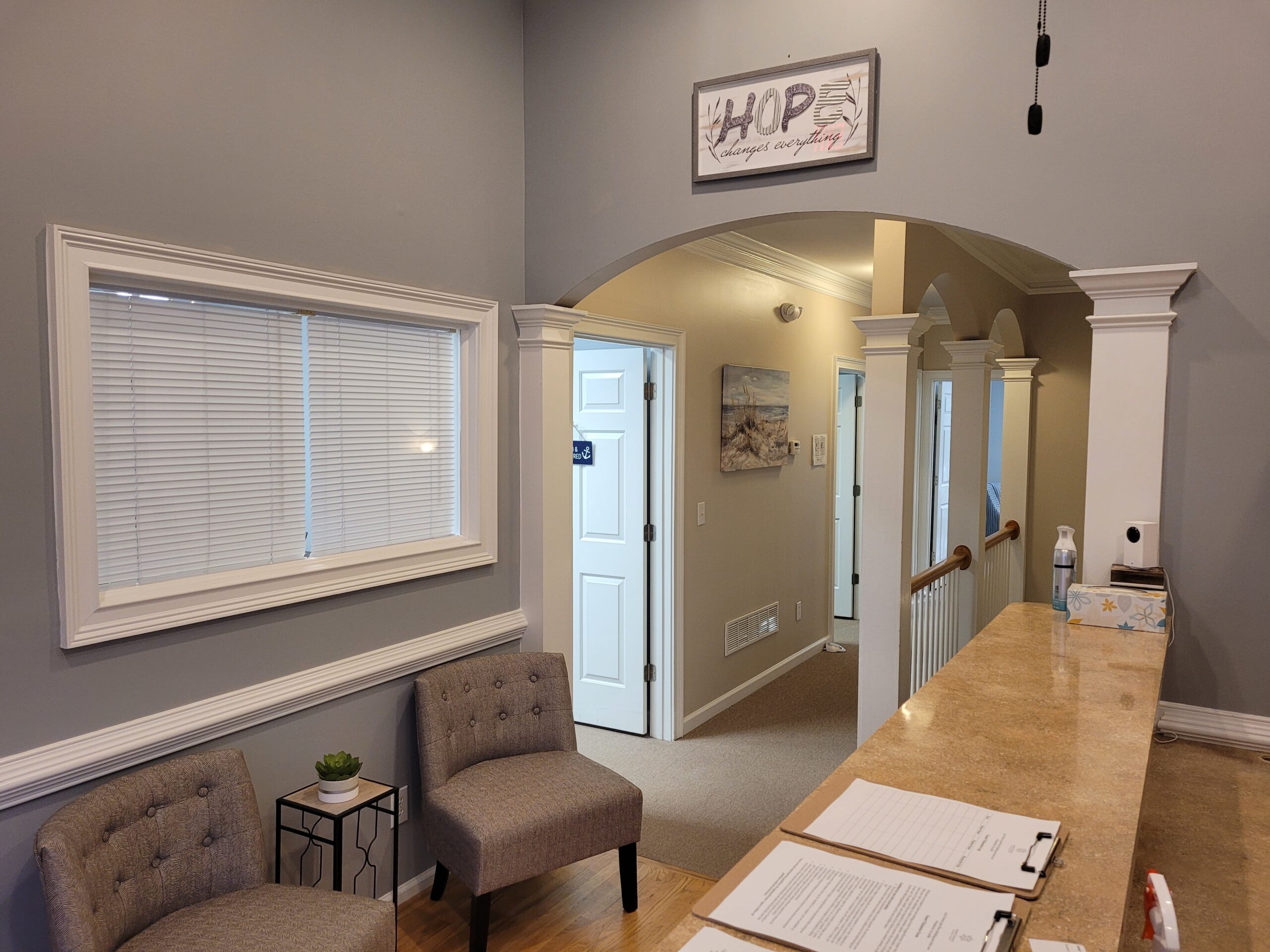
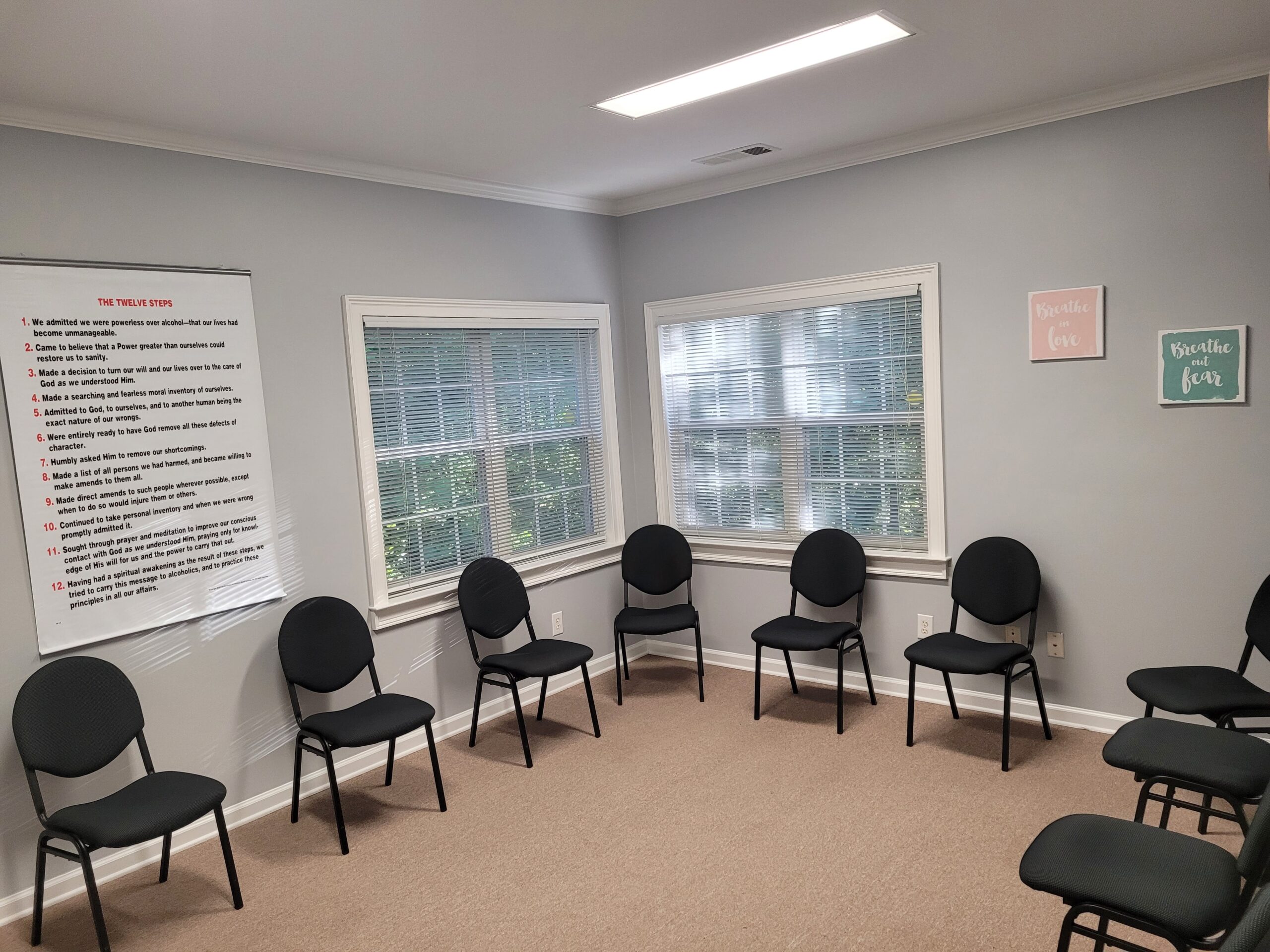
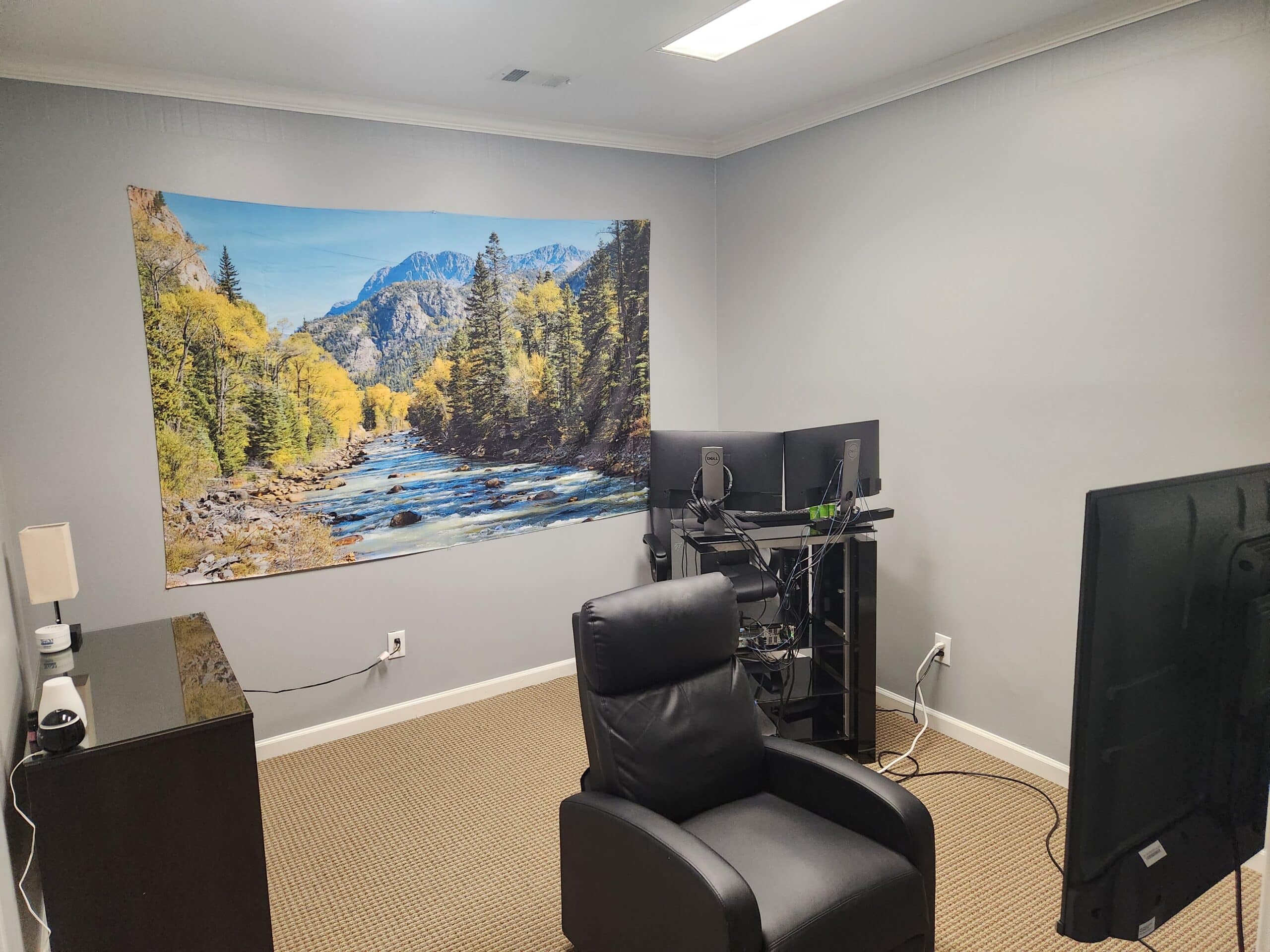
Check Out Our Facility in Atlanta, GA

Discover why our programs are top rated today. Talk with our admissions team about the right treatment plan to bring lasting recovery.

Why Women Avoid Addiction Rehab and How to Overcome It

Understanding why women delay or avoid treatment is essential to removing those barriers. The most common reasons women give for not seeking help are not about willingness. They are about circumstances. Addressing these barriers directly is one of the most important things a women’s rehab program can do.

Fear of Losing Custody

This is the most cited barrier for mothers with substance use disorders. Fear that seeking treatment will trigger a CPS investigation or custody battle keeps many women from ever making the call, even when they know they need help. In most situations, seeking treatment voluntarily is viewed more favorably by family courts and child welfare agencies than waiting until a crisis forces the issue. Judges and case workers consistently view voluntary treatment as evidence of responsibility and commitment to parenting, not evidence of unfitness.

Treatment records are protected under HIPAA and, for most substance use treatment programs, 42 CFR Part 2. Disclosures generally require your written consent, with limited exceptions required by law. Our admissions team can help connect you with appropriate Georgia family law resources as part of your care coordination if you have specific custody concerns.

Caregiving Responsibilities

Women are more likely than men to be the primary caregiver for children, elderly parents, or other family members. The perception that treatment requires leaving these responsibilities behind is one of the most common and most significant barriers to seeking help. The reality is that outpatient treatment options, including a partial hospitalization program Atlanta, Atlanta IOP, evening intensive outpatient program, and virtual IOP programs, allow women to receive intensive treatment while maintaining their caregiving roles. You can attend treatment during school hours or in the evenings after the kids are in bed.

Financial Dependence and Workplace Challenges

Women are more likely to be financially dependent on a partner and more likely to face workplace challenges related to substance use, including attendance issues, performance problems, job loss, or the need to take leave for treatment. Some women also face legal needs connected to their substance use, including DUI, possession charges, or custody proceedings. IVR’s admissions team can help navigate insurance coverage, FMLA leave, and practical planning, and can connect you with appropriate legal resources as part of your care coordination. Women who experience gender discrimination in the workplace may also face elevated stress that contributes to substance use, and our treatment addresses the full context of your life, not just the substance use in isolation.

Partner Who Uses Substances

When a woman’s partner also struggles with substance use, seeking treatment can feel like a threat to the relationship. Partners may actively discourage treatment, create conflict around the idea of sobriety, or undermine progress in ways that are both overt and subtle. This is one of the most challenging situations women in recovery face, and it is more common than most people realize. Family therapy for addiction can help address these dynamics directly. The decision about whether to pursue recovery regardless of what your partner does is one of the most important decisions you will make. You cannot wait for someone else to be ready. You can only decide for yourself.

Shame, Guilt, and the Path to Empowerment

The cultural image of a good mother leaves no room for addiction. Women who internalize this image often experience profound shame and guilt that delay help-seeking for months or years. Shame and guilt are among the most powerful barriers to recovery, not because women lack strength, but because the stigma attached to women with addiction is uniquely severe and deeply internalized. At Inner Voyage, addressing shame directly through individual therapy, peer connection with other women who understand, and evidence-based approaches designed specifically for shame-based patterns, is a core part of treatment from day one.

Domestic Violence and Substance Use

The connection between domestic violence and substance use in women is well-documented. Women who experience physical abuse, emotional abuse, or sexual violence are significantly more likely to develop substance use disorders. For many women, substances become a way to cope with the fear, pain, and helplessness that come with an abusive relationship. Developmental trauma, meaning trauma experienced in childhood or adolescence, also plays a significant role. Women with histories of childhood abuse, neglect, or family instability are at significantly higher risk for both mental health conditions and substance use disorders as adults.

Leaving an abusive relationship and entering treatment for substance use often needs to happen together or in close sequence. Our trauma-informed approach recognizes this connection and builds individualized recovery plans that address both. We can also connect you with Georgia domestic violence resources as part of your care coordination.

Past Negative Treatment Experiences

Women who have previously been in mixed-gender treatment settings often report feeling unsafe, feeling that their specific experiences were not addressed, or feeling that the program was designed for someone else. These experiences are valid, and they are one of the primary reasons gender-specific treatment exists. If a previous treatment experience did not work, that is information about the fit between the program and your needs, not a verdict on your capacity for recovery.

Past Negative Treatment Experiences

Request A Confidential Call

Help is Here When You're Ready

If you or someone you love is struggling with substance use or other mental health issues, Inner Voyage Recovery can help. Request a callback below to receive care and support you can trust.

"*" indicates required fields

Addiction Treatment Options for Women at Inner Voyage Recovery

Our women’s program is built around the understanding that lasting recovery requires addressing the full picture: the substance use, the trauma, the co-occurring mental health conditions, the relationships, and the practical barriers that got in the way of getting help in the first place.

Detox and Residential Care

If you need to detox before starting outpatient treatment, Inner Voyage coordinates placement in medically supervised detox Atlanta programs and manages your transition into our outpatient program. Alcohol and benzodiazepine withdrawal can be medically dangerous and should never be managed without medical supervision. For women who need 24-hour structured support, inpatient alcohol rehab Atlanta provides an immersive healing environment with coordinated transition to our outpatient program when you are ready.

Partial Hospitalization Program

A partial hospitalization program Atlanta provides structured daytime treatment five days per week, four to six hours per day. You go home each evening. PHP provides the highest level of outpatient support and is appropriate for women who need intensive clinical care but do not require 24-hour supervision. It is the right level of care for women stepping down from residential treatment or for those whose symptoms are severe enough that standard outpatient is not sufficient.

Intensive Outpatient Program

Our Atlanta IOP provides treatment three to five days per week, approximately three hours per session, and can be scheduled to work around childcare, work, or school. IOP is one of the most practical and widely accessible options for women with caregiving responsibilities and is appropriate for women who need rigorous clinical support while living at home.

Evening IOP

Our evening intensive outpatient program provides the same clinical structure as our standard IOP but scheduled in the evening hours, designed specifically for women who work or manage caregiving during the day and need treatment that fits around those responsibilities without requiring them to choose between getting help and meeting their obligations.

Virtual IOP

Our virtual IOP programs provide treatment from home via secure telehealth with full HIPAA-protected confidentiality. No travel is required. Virtual IOP reduces transportation, scheduling, and privacy concerns for women who need flexible remote access to care and can be an excellent option for women who are not yet ready to be seen entering a facility or who live outside the immediate Atlanta area.

Outpatient Rehab

Our outpatient rehab Atlanta program provides ongoing individual or group therapy one to two sessions per week. It is used as a step-down after completing a more intensive program or as a standalone option for women in earlier stages of addressing substance use who do not yet require a higher level of care.

Our outpatient rehab Atlanta program provides ongoing individual or group therapy

Experience the Inner Voyage Difference

How can our Atlanta Sober Living Program help you?

New Skills

Learn to manage stress with mindfulness, breathing, exercise, and more.

Stability

Get help building a routine that works for your life and recovery.

Caring Staff

Our alumni love us, and you will too. We have 67 five-star reviews (and growing).

Insurance Accepted


We accept major insurance carriers. And if you’re inclined, we have self-pay and other options. Just ask our admissions staff!

Veteran Support

You’ll benefit from our staff’s specialized trainings and support for veterans. We understand what you’ve experienced, and can help you process it for good and leave it in the past.

Evidence-based Therapies

At Inner Voyage Recovery, every therapy offered in our women’s program is selected and integrated based on clinical evidence and its specific relevance to the challenges women face in addiction recovery. No single therapeutic approach addresses every dimension of a woman’s experience, which is why our treatment model draws on a comprehensive range of evidence-based modalities. Whether a woman’s primary challenges involve unresolved trauma, emotional dysregulation, shame-based thinking, relationship conflict, or co-occurring mental health conditions, there is a therapeutic approach within our program designed to address it directly. The following therapies form the clinical foundation of our women’s treatment program.

EMDR Therapy

EMDR therapy Atlanta is an evidence-based approach that helps the brain reprocess traumatic memories so they no longer drive substance use or emotional dysregulation. EMDR works by using bilateral stimulation, typically eye movements, to help the brain process traumatic experiences that have become stuck. Many women report significant and lasting reduction in PTSD symptoms after completing EMDR treatment. Given that up to 80% of women in addiction treatment have trauma histories, EMDR is a central clinical tool in our women’s program.

Cognitive Behavioral Therapy

CBT Atlanta identifies the thought patterns and situational triggers that lead to substance use and teaches practical strategies for responding differently. CBT is especially effective for addressing the shame-based thinking patterns that are common in women with addiction, helping women examine and challenge the internalized beliefs that shame reinforces and replace them with more accurate and balanced self-assessments.

Dialectical Behavior Therapy

DBT therapy Atlanta builds skills in emotional regulation, distress tolerance, and interpersonal effectiveness. Originally developed to treat chronic emotional dysregulation and self-harm, DBT is widely used for co-occurring trauma and substance use challenges. For women whose substance use is closely connected to emotional dysregulation, DBT provides a structured, practical framework for developing the skills needed to manage intense emotions without turning to substances.

Medication-Assisted Treatment

When clinically appropriate, medications like naltrexone, buprenorphine, or Vivitrol can reduce cravings and support sustained recovery. Our medication-assisted treatment Atlanta program is not a replacement for therapy but a clinical tool that makes therapy more effective by reducing the neurological burden of craving and withdrawal enough that the real work of treatment can take place.

Group Therapy

Group therapy Atlanta in a women-only setting provides a space to share experiences, build peer support, and reduce the profound isolation that often accompanies addiction. Many women report that group therapy was the most valuable part of their treatment. The experience of being in a room with other women who understand, who do not judge, and who have navigated similar experiences is itself therapeutic in ways that individual sessions cannot fully replicate.

Individual Therapy

Individual therapy Atlanta provides one-on-one sessions with a licensed clinician to address personal history, trauma, mental health symptoms, and recovery goals in a private, confidential setting. Individual therapy is where the most personal and often most difficult clinical work happens, and having a consistent, trusted therapeutic relationship is one of the strongest predictors of positive treatment outcomes.

Family Therapy

Family therapy for addiction helps repair relationships, address enabling patterns, set healthy boundaries, and build a support structure that sustains recovery. Addiction affects everyone in the family system. Family therapy creates a structured space for the people who matter most to a woman in recovery to understand what she has been through, learn how to support her effectively, and work through the relational damage that addiction often leaves behind.

Holistic Therapy

Holistic therapy Atlanta incorporates body-based healing approaches including yoga, mindfulness, and somatic practices that support nervous system regulation, trauma recovery, self-esteem, and empowerment in recovery. The body holds trauma in ways that talk therapy alone cannot fully address, and holistic approaches provide important complementary support for the clinical work happening in individual and group sessions.

Experiential Therapy

Experiential therapy Georgia uses action-based approaches including psychodrama, role-play, and dramatic exploration to help women process difficult relationships, past trauma, and current life challenges in a supported group setting. Experiential therapy is particularly valuable for women who struggle to access or articulate emotional experiences through traditional talk therapy formats.

Psychiatric Services

Our psychiatry Atlanta team provides evaluation, diagnosis, and medication management for co-occurring mental health conditions as part of an integrated treatment plan. For women with anxiety disorders, mood disorders, PTSD, or other conditions that require psychiatric assessment and management, having psychiatric services integrated into the treatment program rather than requiring a separate referral is a significant practical and clinical advantage.

Your Path to Recovery Made Simple

How to Begin Your Recovery Journey

We know beginning treatment can feel intimidating, so we’ve made the process simple and stress-free.

1

Get in touch
with us

Call or complete our contact form to connect with an admissions specialist who takes the time to listen and understand your situation.

2

Complete an assessment
& insurance review

Our team will review your history, discuss your needs, and confirm insurance coverage or explore self-pay options to make things easy.
3

Start your
treatment

Begin a personalized program built around your goals, supported by evidence-based care and a compassionate clinical team.

Co-Occurring Disorder Treatment and Trauma-Informed Care

Many women entering treatment for substance use also struggle with anxiety counseling Atlanta level concerns, depression treatment Atlanta, PTSD therapist Atlanta needs, eating disorders, ADHD, or other mental health conditions. Co-occurring disorder treatment addresses both the addiction and the mental health condition simultaneously. Treating one without the other typically leads to relapse, because the untreated condition continues to generate the emotional pain and distress that the substance use was managing.

Our dual diagnosis treatment centers Georgia program is built around integrated, simultaneous treatment. You will never be told to address your mental health after your addiction. Our clinical team includes psychiatric services providers who can evaluate, diagnose, and manage medications for co-occurring conditions as part of a comprehensive, individualized treatment plan.

Our trauma-informed approach recognizes that many women have histories of physical abuse, emotional abuse, or sexual abuse that directly contribute to their substance use. Type one trauma, meaning single-incident trauma such as an assault or accident, and type two trauma, meaning repeated or prolonged trauma such as childhood abuse or domestic violence, both require specific clinical attention in treatment. Understanding which type of trauma a woman has experienced shapes the clinical approach her treatment team takes and the specific therapies that will be most effective.

What a Typical Week Looks Like

While every treatment plan is individualized, a typical week in our women’s PHP or IOP program might include the following. An individual therapy session with a primary therapist, women’s group therapy covering peer support, process groups, and skills groups, trauma-focused therapy using EMDR or trauma-informed CBT, psychoeducation groups covering addiction education, relapse prevention, and coping skills, a family therapy session scheduled as clinically appropriate, a psychiatric appointment for women with co-occurring conditions, experiential therapy using holistic or body-based approaches, a mindfulness and stress management group, a yoga or movement-based therapy session, a parenting skills or family dynamics session for mothers, and relapse prevention and empowerment planning.

The structure is intensive by design. Recovery requires consistent, repeated practice of new skills in a supported environment. The goal is not simply to complete a program but to internalize a genuinely different way of relating to yourself, your emotions, and the people in your life.

Substances Commonly Affecting Women

While addiction can involve any substance, certain substances disproportionately affect women or affect them in ways that are clinically distinct from how the same substances affect men. Understanding these differences is not about creating a hierarchy of severity. It is about ensuring that treatment is informed by the specific physiological, psychological, and social dynamics at play for each woman who walks through our doors. The following substances are among those most commonly seen in women seeking rehab for women at Inner Voyage Recovery, along with what women and their families should know about each one.

Alcohol

Alcohol use disorder is the most common substance use disorder among women. Women develop alcohol-related health problems faster and at lower consumption levels than men. Alcohol-related liver disease, cardiovascular damage, and neurological effects progress more rapidly in women due to physiological differences in how alcohol is metabolized and how the body responds to its toxic effects.

Alcohol use disorder in women is often connected to anxiety, depression, or trauma. Heavy drinking, even without physical dependence, can cause significant harm to a woman’s health, relationships, and mental health. Many women describe using alcohol to quiet an overactive stress response or to feel calm enough to manage daily responsibilities. This coping pattern develops into dependence quickly and often without the woman fully recognizing the progression. Medical detox may be required for women with alcohol dependence, as withdrawal can be dangerous. Learn more about alcohol addiction treatment Atlanta at Inner Voyage.

Common signs of alcohol use disorder in women include drinking alone, drinking to manage anxiety or stress, hiding consumption from family, drinking before events to feel comfortable, increasing tolerance, and experiencing withdrawal symptoms such as shaking, sweating, or anxiety when not drinking. Naltrexone and Vivitrol are FDA-approved medications that reduce cravings and support sobriety and may be incorporated into a comprehensive treatment plan.

Prescription Medications

Women are prescribed benzodiazepines, including Xanax, Valium, and Klonopin, and opioid pain medications at higher rates than men. What begins as a legitimate prescription can develop into dependence, particularly with benzodiazepines, which produce physical dependence within weeks of daily use. Women with histories of anxiety, chronic pain, or trauma are at elevated risk for developing dependence on prescribed medications, and the transition from prescribed use to problematic use often happens gradually and without the woman fully recognizing what is occurring.

A critical safety note: do not stop taking benzodiazepines abruptly. Withdrawal can cause seizures and is potentially life-threatening. Medical detox with a supervised taper is required. Our admissions team can help coordinate this safely and ensure your transition into our women’s outpatient program is medically managed from the start.

Opioids and Fentanyl

Women are more likely than men to experience chronic pain and are prescribed opioid pain medications at higher rates. The transition from prescribed opioids to illicit use often begins when prescriptions run out or become too expensive to fill. Illicit fentanyl is now present across the drug supply in counterfeit pills and mixed into other substances, including those not typically associated with opioids. A single counterfeit pill can contain a lethal dose. Naloxone is available at Georgia pharmacies without a prescription and should be accessible in any home where opioid use is present. Learn more about opioid rehab Atlanta and fentanyl rehab Atlanta at Inner Voyage.

Medication-assisted treatment with medications such as buprenorphine, methadone, or naltrexone is a well-supported, evidence-based approach for opioid use disorder. Our clinical team will recommend the right medication based on your specific history and needs.

Stimulants

Stimulant use, including cocaine and methamphetamine, affects women differently than men. Women report more intense euphoria from stimulants, develop dependence more quickly, and experience more severe withdrawal. Stimulant use in women is often connected to weight control, energy management, or coping with undiagnosed or undertreated ADHD symptoms. Behavioral therapies, including CBT are effective for stimulant use disorders, and treatment should address any underlying mood disorders or ADHD that may be contributing to the stimulant use. Learn more about cocaine rehab Atlanta and meth addiction treatment Atlanta options at Inner Voyage.

Women's Health Considerations in Recovery

Women's Health Considerations in Recovery

Recovery from addiction involves the whole person, and for women, that means addressing health considerations that are specific to female physiology, hormonal function, and reproductive health. These are not peripheral concerns. They are central to understanding how addiction develops in women, how it progresses, and what full recovery looks like. The health considerations below are areas where women’s treatment at Inner Voyage goes beyond standard addiction care to address the complete clinical picture of each woman’s health and recovery needs.

Pregnancy and Prenatal Care

If you are pregnant and using substances, please reach out for help immediately. Substance use during pregnancy poses serious risks to fetal development, and some substances require immediate medical management. You will not be judged. You will be helped. In Georgia, pregnant women who seek treatment voluntarily are protected under state policy that encourages treatment over prosecution. Medication-assisted treatment with buprenorphine is the recommended standard of care for pregnant women with opioid use disorder. Untreated opioid withdrawal during pregnancy carries risks that are greater than the risks of properly managed MAT. The earlier you seek help, the better the outcomes for you and your baby. Our admissions team can help connect you with OB/GYN and prenatal care resources as part of your treatment plan.

Hormonal Factors and Alcohol

Estrogen affects alcohol metabolism and increases alcohol’s impact on the body. Women’s sensitivity to alcohol changes across the menstrual cycle, with higher sensitivity in the premenstrual phase. This means that the same amount of alcohol can affect a woman differently at different points in her cycle, a factor that is relevant to understanding cravings, consumption patterns, and relapse risk. Alcohol also disrupts hormonal balance, which can worsen mood disorders, sleep quality, and menstrual regularity. Recovery often produces significant improvement in hormonal balance and mood stability as the body heals.

Eating Disorders and Addiction

Eating disorders and substance use disorders co-occur at high rates in women. Alcohol is frequently used to suppress appetite. Stimulants are sometimes used for weight control. Purging behaviors and substance use can become intertwined as coping mechanisms in ways that make each more difficult to treat independently. Treatment that addresses only the substance use without assessing for eating disorder behaviors is clinically incomplete for many women. Our clinical team screens for eating disorder symptoms as part of the intake process to ensure no co-occurring condition goes unaddressed.

Your Legal Rights and Protections

Fear of legal consequences is one of the most significant barriers to women seeking treatment. Understanding your rights removes this barrier.

HIPAA and treatment confidentiality. Healthcare providers are legally required to keep your treatment information confidential. Your employer, family members, and child welfare agencies cannot be notified about your treatment without your written consent, with the exception of narrow circumstances involving imminent danger to yourself or others.

42 CFR Part 2. Substance use disorder treatment records have an additional layer of federal protection beyond HIPAA. This regulation limits disclosure of substance use treatment records without your written consent and was created specifically because of the stigma around addiction and the barriers that disclosure creates to treatment-seeking.

FMLA. If you have worked for your employer for at least 12 months and your employer has 50 or more employees, you are entitled to up to 12 weeks of job-protected unpaid leave for addiction treatment. Your employer cannot terminate you for using FMLA leave, and your health insurance continues during your leave.

ADA. Addiction is considered a disability under the Americans with Disabilities Act. Your employer cannot discriminate against you for being in recovery, and you are entitled to reasonable accommodations to support your recovery.

Voluntary treatment and custody. Family courts generally view voluntary treatment as evidence of responsible parenting. Seeking help before a crisis forces the issue is consistently viewed more favorably than waiting. We strongly recommend speaking with a family law attorney in Georgia if you have specific custody concerns, and our admissions team can help connect you with appropriate resources.

The Best Atlanta

How can our friendly staff help you?

Depth

The best way to achieve lasting recovery is deep healing. We guide you to what needs to be healed, and help you through it.

Support

We’re your partner and guide, every step of the way. With that level of support, recovery is more likely.

Strength

There is strength in your journey. You’ve gotten this far. Now let’s take it all the way. We rely on your strengths as much as ours.

Accountability

Call it accountability, “tough love,” or whatever you like: We hold you to a higher standard. We see your potential and help you realize it.

Aftercare

No recovery is complete without aftercare planning and support. Our Alumni program helps you stick to sobriety for good.

Flexibility

Join our PHP and get support that fits your schedule. We specialize in helping busy adults get the support they need.

Family, Children, and Relationships in Recovery

Addiction does not happen in isolation, and neither does recovery. For women, the relational context of their lives, their children, their partners, their family of origin, and their broader support network, plays a central role in both how addiction developed and what sustained recovery requires. At Inner Voyage Recovery, we treat the family system as part of the clinical picture, not as a separate concern to be addressed after treatment is complete. The sections below address the most common relational dynamics our clinical team works with in our women’s program and how we help women navigate them as part of a comprehensive, individualized recovery plan.

Parenting in Recovery

If you are a mother, your children are one of the most powerful motivators for recovery and also one of the most powerful sources of fear and shame. Many mothers in recovery describe the moment they realized their children were being affected by their substance use as the turning point that led them to seek help. Recovery makes you a better parent. It is not something that takes you away from your children. The structure, self-awareness, and emotional regulation skills you build in treatment are directly transferable to parenting, and children consistently thrive when their parent is in recovery.

IVR’s flexible outpatient options allow many mothers to maintain their parenting responsibilities while in treatment. Evening IOP and virtual IOP were built specifically for people who cannot step away from their daily responsibilities.

Romantic Relationships and Recovery

Romantic relationships play a significant role in both addiction and recovery for women. Relationships can be a source of the stress, trauma, or enabling that drives substance use, and they can also be a powerful motivator and source of support in recovery. Recovery often changes relationship dynamics significantly. Some relationships strengthen as sobriety brings clarity and honesty. Others become incompatible with sobriety as it becomes clear that the relationship itself was built around the substance use. Understanding how your romantic relationships interact with your substance use is an important part of the treatment process.

When both partners are using substances, recovery becomes more complex. A partner who continues using after you seek treatment can undermine your recovery actively or passively. Family therapy for addiction at IVR can help address these dynamics directly. The decision about whether to pursue recovery regardless of what your partner does is one of the most important you will make. You cannot wait for someone else to be ready. You can only decide for yourself.

Setting Boundaries with Family

Family members with the best intentions can enable substance use through behavior that feels like love: covering for missed obligations, providing money, minimizing the severity of the problem, or simply not saying anything. Treatment helps both the person in recovery and their family members understand the difference between support and enabling. Al-Anon and Nar-Anon are support groups specifically for family members of people with addiction, and they provide a community of people who understand what families go through and practical tools for navigating it.

Life After Treatment

Life After Treatment: Sustaining Recovery

Completing a formal treatment program is a significant milestone, but it is not the end of the recovery process. The period immediately following discharge is statistically one of the highest-risk periods for relapse, and the quality of the continuing care plan in place at that point makes a measurable difference in long-term outcomes. At Inner Voyage Recovery, we do not treat aftercare as a list of referrals handed to a woman on her last day. We treat it as a structured clinical process that begins weeks before discharge and builds the specific supports, connections, and accountability structures each woman needs to sustain her recovery in the real world.

Aftercare and Continuing Care Planning

The transition out of treatment is one of the most vulnerable periods in recovery. At IVR, aftercare is part of the treatment process, not an afterthought. Your individualized recovery plan includes step-down to a lower level of care when coming from PHP or IOP, ongoing outpatient therapy, connection to support group participation through SMART Recovery, Women for Sobriety, or Alcoholics Anonymous, relapse prevention planning tailored to your personal early warning signs, and peer activities that support connection and accountability in recovery.

Sober Living for Women

After completing an intensive outpatient program, many women benefit from sober living. Sober living Atlanta provides a substance-free home environment with peer accountability and structure during the transition to full independence, reducing relapse risk during the most vulnerable early recovery period. Women’s structured living in Atlanta offers a middle step between intensive treatment and independent living for women who need additional support before returning to fully independent living.

Alumni Program

Our alumni program for addiction keeps you connected to the Inner Voyage community after treatment ends, providing ongoing peer support, connection, and accountability as you build your life in recovery. Staying connected to a recovery community after completing formal treatment is one of the strongest predictors of long-term sobriety.

Support Groups for Women

Alcoholics Anonymous provides women-only AA meetings widely available across the Atlanta area. SMART Recovery offers a science-based alternative to 12-step programs. Women for Sobriety is a peer support organization developed specifically for women, addressing the emotional and spiritual aspects of recovery through a positive-focused approach. Al-Anon provides support specifically for family members of people with addiction.

Find A New Way Forward with Inner Voyage Recovery Center

How to Get Started

The hardest part is making the first call. Everything after that is one step at a time.

Call (470) 460-8437 or use our online insurance verification tool to get started. We accept most major insurance plans, including Blue Cross Blue Shield addiction treatment and Tricare rehab coverage. Insurance verification is free, confidential, and HIPAA-compliant. Same-day admissions are available for women who are ready to begin.

A member of our clinical team will talk with you about your history, current situation, and goals to determine the right level of care and program components for your specific situation. Your treatment plan is built around your specific needs, not a standard template. It addresses your substance use, any co-occurring mental health conditions, trauma history, and practical considerations including schedule and childcare. Most women can begin treatment within 24 to 48 hours of completing their assessment.

If you are uninsured or underinsured, self pay rehab options are available. SAMHSA’s National Helpline at 1-800-662-4357 also provides free referrals to local treatment facilities 24 hours a day, seven days a week. Georgia Medicaid may cover addiction treatment for qualifying individuals, and Georgia DBHDD administers state-funded treatment programs and recovery services.

Why Choose Inner Voyage Recovery for Women's Treatment

As a women’s recovery center in Atlanta, Inner Voyage Recovery offers women’s outpatient programs that fit around real life: work, caregiving, and daily responsibilities. IVR stands out for its dedicated women’s program, trauma-informed clinical approach, and flexible scheduling that makes treatment accessible for women at every stage of life and recovery. We combine evidence-based addiction treatment with co-occurring mental health care, gender-responsive therapy, and personalized treatment plans based on thorough assessments.

We accept most major insurance and offer free insurance verification. A treatment referral from your doctor, therapist, or EAP is not required to begin. You can call us directly.

Take the Next Step

If you are ready to get help, or if you are not sure yet but want to understand your options, the team at Inner Voyage Recovery is here to help you figure out what comes next. Call (470) 460-8437 for a confidential conversation, or contact us. Same-day admissions are available for women who are ready to begin.

Frequently asked questions

Yes. Inner Voyage Recovery accepts most major insurance plans, and Medicare covers addiction treatment services for eligible individuals. For women who are uninsured or underinsured, sliding fee scale options may be available based on income. Additional resources include Georgia Medicaid for qualifying individuals and SAMHSA’s National Helpline at 1-800-662-4357, which provides free, confidential referrals to local treatment facilities and community-based organizations 24 hours a day, seven days a week at no cost. Our admissions team will work with you to identify the most accessible payment pathway for your situation so that cost is not a barrier to getting help.

Yes. The connection between intimate partner violence and substance use in women is well-documented, and our trauma-informed clinical approach is specifically designed to address both simultaneously. Many women enter treatment carrying histories of physical abuse, emotional abuse, or sexual violence that directly contributed to their substance use. Our women’s program builds individualized recovery plans that recognize this connection and provide clinical support for both the addiction and the trauma that underlies it. We can also connect women with Georgia domestic violence resources as part of their care coordination, and our family therapy for addiction program helps women navigate the complex relationship dynamics that often accompany intimate partner violence and substance use.

Parenting skills development is a dedicated component of our women’s program for mothers in treatment. Sessions focus on rebuilding parenting confidence, establishing healthy routines with children, developing practical communication strategies, and building the emotional regulation skills that directly transfer to more effective, present parenting in recovery. Anger management and conflict resolution training is also integrated into treatment, providing structured skills for managing frustration, emotional reactivity, and interpersonal conflict in healthy ways. These skills are not supplementary. They are central to building the kind of stable, functional daily life that sustains long-term recovery, particularly for women who are navigating high-conflict relationships or complex family dynamics alongside their substance use.

Yes. Anxiety management and stress management are structured components of our women’s program, not afterthoughts. Women with anxiety disorders benefit most from an integrated approach that treats the anxiety and the substance use simultaneously, because the two are so frequently intertwined. Many women use alcohol, benzodiazepines, or other substances specifically to manage anxiety symptoms, which means that treating the substance use without addressing the underlying anxiety typically leads to relapse. Our anxiety counseling Atlanta services are integrated into women’s treatment plans and may include mindfulness-based approaches, CBT Atlanta techniques for identifying and challenging anxiety-driven thought patterns, DBT therapy Atlanta skills for distress tolerance and emotional regulation, and psychiatric evaluation and medication management through our psychiatry Atlanta team for women whose anxiety requires additional clinical support.

Inner Voyage Recovery Center’s Top Values

Every treatment will be uniquely tailored to you, because you’re unique.

Sober Living

Our team is 100% sober, including from Alcohol. We help our clients achieve sobriety and stick to it through thick and thin, because sobriety is the foundation of a fulfilling life.

Integrity

Our team is 100% sober, including from Alcohol. We help our clients achieve sobriety and stick to it through thick and thin, because sobriety is the foundation of a fulfilling life.

Everyone Belongs

Our team is 100% sober, including from Alcohol. We help our clients achieve sobriety and stick to it through thick and thin, because sobriety is the foundation of a fulfilling life.

Limitless Potential

Our team is 100% sober, including from Alcohol. We help our clients achieve sobriety and stick to it through thick and thin, because sobriety is the foundation of a fulfilling life.

Ready to Take The First Step?

If you are ready to get help, or if you are not sure yet but want to understand your options, call us. Our admissions team is made up of people who understand what you are going through and can help you figure out what comes next. Call (470) 460-8437 for a confidential conversation.

If you’re looking for more information, connect with our team by phone, email, or through our online form. We’re here to answer your questions, talk through your options, and support you as you begin your path toward lasting recovery.

Sources

  1. NIDA. (2020). Sex and Gender Differences in Substance Use.
  2. SAMHSA. (2024). National Survey on Drug Use and Health.
  3. NIAAA. (2023). Women and Alcohol.
  4. ATTC Network. (2019). Substance Use Disorder Treatment for Women.
  5. CDC. (2024). Drug Overdose Deaths.
  6. NIDA. (2021). Substance Use in Women Research Report.
  7. Greenfield, S. F., et al. (2010). Substance Abuse Treatment Entry, Retention, and Outcome in Women. Drug and Alcohol Dependence.
  8. U.S. DHHS. (2020). 42 CFR Part 2: Confidentiality of Substance Use Disorder Records.
  9. U.S. DOL. Family and Medical Leave Act.
  10. EEOC. Americans with Disabilities Act.
  11. NIDA. (2019). Principles of Drug Addiction Treatment: A Research-Based Guide (3rd ed.).
  12. ACOG. (2022). Opioid Use Disorder and Pregnancy.
  13. NIDA. (2020). Medications to Treat Opioid Use Disorder Research Report.
  14. Substance Abuse and Mental Health Services Administration. (2009). Substance Abuse Treatment: Addressing the Specific Needs of Women. TIP 51.
  15. Brady, K. T., & Randall, C. L. (1999). Gender Differences in Substance Use Disorders. Psychiatric Clinics of North America.
  16. Georgia DBHDD. (2025). Substance Abuse Prevention.
  17. National Alliance on Mental Illness. (2024). Women and Mental Health.
  18. Al-Anon Family Groups. Find a Meeting.
  19. SMART Recovery. Find a Meeting.
  20. CMS. Mental Health Parity and Addiction Equity Act.

Free & Easy Insurance Check

Alliant logo featuring a small black triangle followed by "Alliant" in bold black italic text.

Request a Confidential Call

"*" indicates required fields

This field is for validation purposes and should be left unchanged.
Preferred Method*
Get Treatment For All Your Healthcare Needs

Other Treatment Programs

Request A Confidential Call

Request a call and an Inner Voyage Recovery Center team member will be in touch.

"*" indicates required fields