Partial Hospitalization Program
Our partial hospitalization program offers structured, intensive clinical support while allowing young adults to return home in the evenings. PHP provides a high level of therapeutic engagement for those who need stability, accountability, and consistent care.
Intensive Outpatient Program
The intensive outpatient program provides clients with focused treatment several days per week while balancing school, work, and family responsibilities. IOP reinforces coping strategies, relapse prevention skills, and emotional regulation in a flexible format.
Outpatient Programs and Step-Down Care
As progress is made, many clients transition to outpatient programs that allow them to continue treatment while rebuilding independence. Outpatient care supports young adults as they apply skills learned in treatment to daily life, school, work, and relationships.
Group Therapy and Peer Support
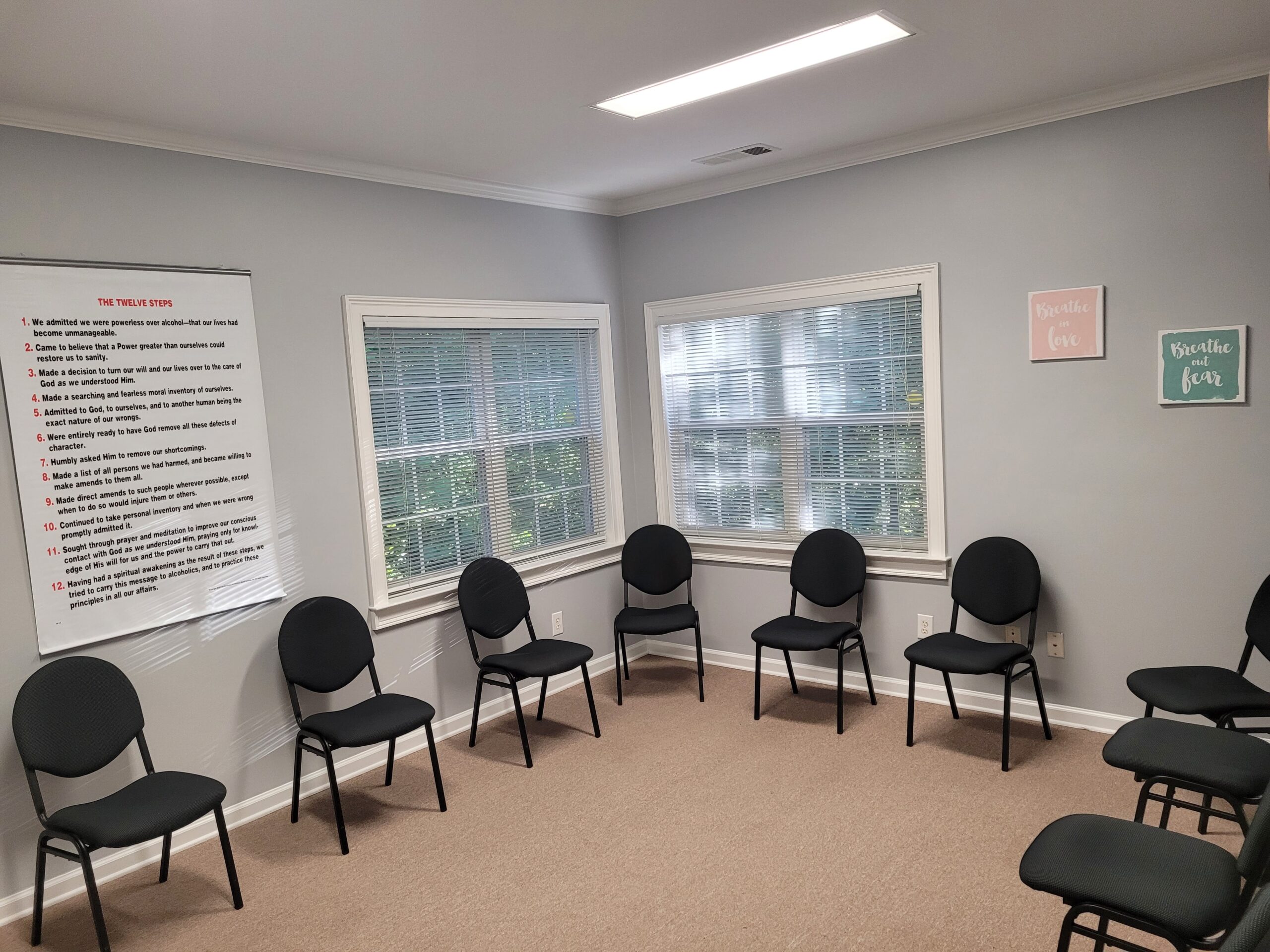
Group therapy is a central part of young adult treatment. Connecting with other young adults in the same age group helps reduce isolation, build sober friendships, and strengthen accountability. Teen counseling in Atlanta in group settings encourages honesty, peer support, and shared learning.
Individual Therapy and Specialized Counseling
Through individual therapy, young adults explore mental health concerns, substance use patterns, trauma, and personal goals. Therapists in teen counseling Atlanta use evidence-based approaches to support emotional growth, healthy coping skills, and long-term recovery.
Family Therapy
Family involvement is an important part of young adult recovery. Family therapy and family counseling help repair relationships, improve communication, and support healing within the family system. These sessions also help family members understand substance use disorder and mental illness.
Adventure Therapy and Experiential Therapy
Our program may include adventure therapy and experiential activities that help young people build confidence, resilience, and teamwork. These experiences encourage healthy risk-taking, self-discovery, and emotional development in ways that traditional therapy alone may not provide.
Medication Assisted Treatment
For some individuals, medication-assisted treatment may be part of a comprehensive care plan. The clinical team at our young adult rehab center provides careful medication management to support stabilization and recovery while addressing both mental health and substance use needs.