Request a call to speak with an admissions specialist. We are here to help you.

"*" indicates required fields

Trauma Therapist Atlanta: Healing Trauma, Mental Health, and Substance Use

Living with trauma can reshape daily life in ways that are not always obvious at first. It can affect sleep, stress, relationships, emotional regulation, and the ability to feel safe or present. For some people, trauma shows up as anxiety, tension, or emotional numbness. For others, it looks like avoidance, isolation, or coping patterns that gradually become harder to manage. Over time, the nervous system may stay on alert, reacting as though danger is still present even when it is not. That is why effective trauma therapy Atlanta care goes beyond surface-level coping. It is not only about revisiting a traumatic event. It is about helping the body and mind feel safer again, understanding how past experiences continue to shape the present, and building enough stability for real healing to take place. At Inner Voyage Recovery Center, treatment is approached through that wider lens. Care is paced, supportive, and designed to meet each person where they are, often integrating trauma work with mental health support and, when needed, structured programs across Atlanta and Georgia to support long-term recovery.

Free Insurance Check

Free & Confidential | HIPAA Compliant | No Obligation

"*" indicates required fields

1
2
3
4
This field is for validation purposes and should be left unchanged.
Trauma therapy Atlanta focuses on mental health and trauma informed therapy with a licensed professional counselor who addresses mental health, perinatal mental health, and overall wellness for children, young adults, and adults in targeted therapy sessions.

The Impact of Trauma on Mental Health

Trauma can affect people in different ways, but the underlying pattern is often the same: the mind may understand that something is over, while the body continues reacting as if it is still happening. A traumatic event can leave the nervous system on edge long after the event itself has passed. This may lead to symptoms such as disrupted sleep, racing thoughts, difficulty focusing, heightened stress, persistent fatigue, or an ongoing sense of disconnection from others and from oneself.

For some people, trauma is connected to childhood trauma, relational trauma, grief, sexual assault, or repeated experiences that taught the body not to relax. Others may be dealing with trauma tied to one specific event. The details vary, but the result can look similar: anxiety, depression, emotional overwhelm, avoidance, shutdown, and a constant sense that daily life takes more energy than it should.

This is where trauma-informed therapy becomes important. A trauma-informed therapist does not assume that symptoms exist in isolation. They understand that emotional and behavioral patterns often develop for a reason. If someone feels stuck, highly reactive, numb, or unable to trust, the question is not simply what is wrong with them. It is also what has happened to them, what their nervous system learned, and what support they need now. Many trauma therapists in Atlanta use this approach because it helps create a safer therapeutic process and reduces the risk of retraumatization.


Table of Contents

The Nervous System, Survival Mode, and Substance Use

A dysregulated nervous system can make ordinary life feel difficult to manage. Some people feel on edge all the time. Others feel detached from their body, emotionally flat, or unable to calm down after stress. A person may know, on a logical level, that they are safe, yet still feel trapped in survival mode. That gap between what the mind knows and what the body feels is one reason trauma recovery often has to involve more than insight alone.

When the nervous system is stuck in chronic stress, substance use can begin to feel like relief. Alcohol may quiet the mind. Pills may dull panic. Other substances may create distance from overwhelming emotional pain. Over time, those patterns can become less about choice and more about self-protection. That does not mean the substance use is harmless. It means it often develops in response to pain, not in isolation from it.

This is why integrated treatment is so important when trauma and addiction overlap. Dual diagnosis treatment centers Georgia can help address both trauma-related symptoms and substance use at the same time, rather than forcing someone to separate one problem from the other. At Inner Voyage, this kind of integrated care matters because lasting recovery is usually stronger when both the trauma and the survival strategies around it are addressed together.

A licensed professional counselor skilled in additional services like somatic therapy can help adults and young adults develop better wellness routines and training to care deeply about their recovery.

Emotional and Physical Symptoms That Trauma Therapy Can Address

Trauma does not stay in one place. It often shows up emotionally, physically, and behaviorally at the same time, shaping how a person feels, responds, and moves through daily life. Many people do not immediately recognize these patterns as trauma-related. They just feel overwhelmed, disconnected, or like they’re not themselves.

Emotional symptoms may include:

  • Feeling constantly on edge or overwhelmed
  • Difficulty trusting others or forming close relationships
  • Emotional reactivity, irritability, or panic
  • Shame, grief, or persistent anxiety
  • Emotional numbness or a sense of disconnection
  • Feeling frozen or unable to relax

Physical symptoms may include:

  • Sleep disruption or chronic fatigue
  • Muscle tension or body aches
  • Racing heart or shallow breathing
  • Digestive issues or loss of appetite
  • A persistent sense that the body cannot settle

Behavioral patterns may include:

  • Avoidance of people, places, or emotions
  • Perfectionism or overworking
  • Isolation or withdrawal from others
  • Substance use or reliance on unhealthy coping strategies
  • Staying constantly busy to avoid stillness

These are not just stress responses. They are often signs that the nervous system is still carrying unresolved threats.

This is where somatic therapy and somatic experiencing become especially valuable. Trauma is not only stored in thoughts. It is held in physical responses and patterns within the body. Somatic approaches help clients reconnect with those sensations in a safe, gradual way, building tolerance, improving emotional regulation, and supporting the nervous system as it learns how to settle again.

Whether you are addressing your trauma through virtual therapy or inpatient supports, training your brain as adults or adolescents can support your overall wellness.

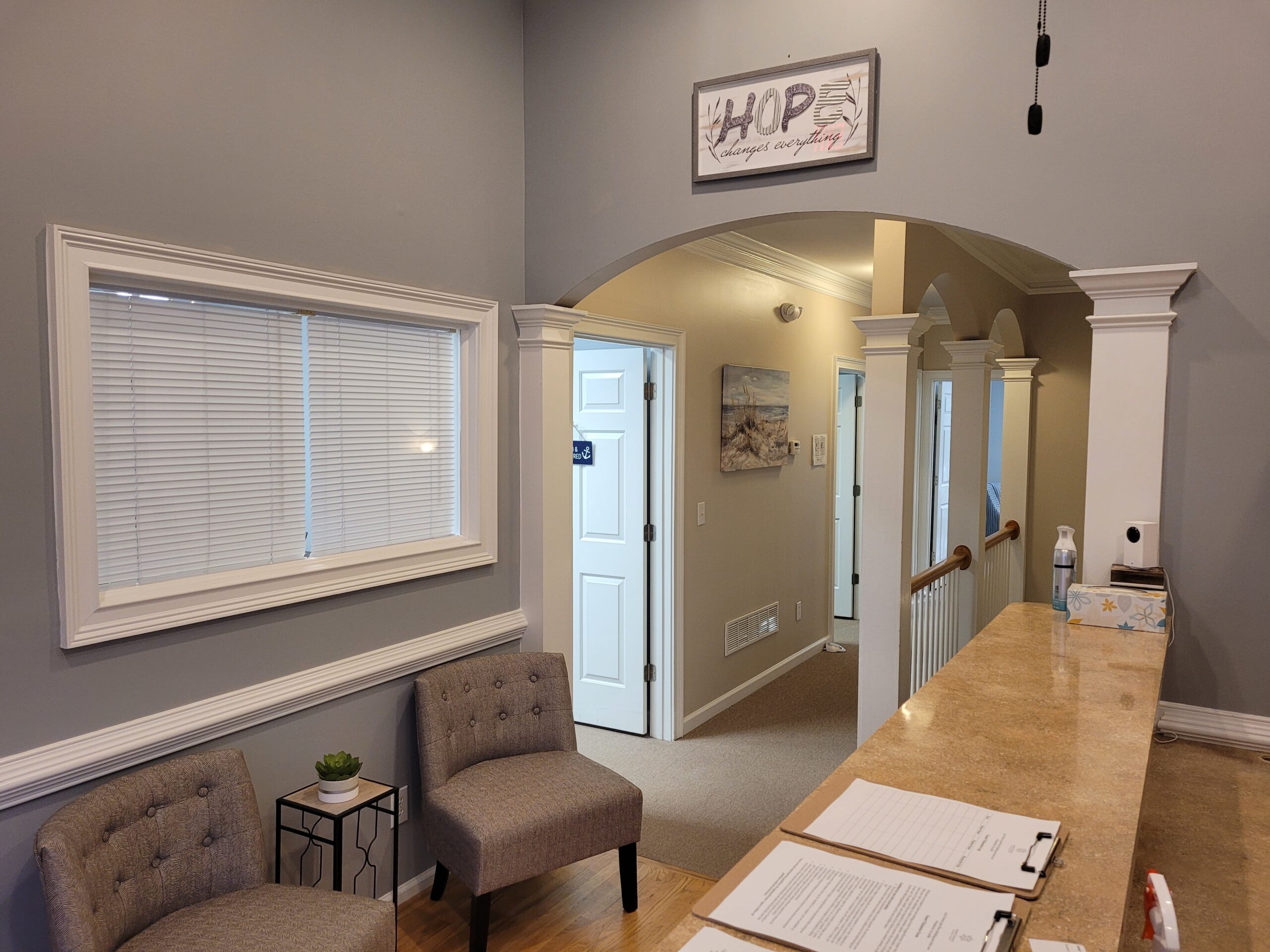
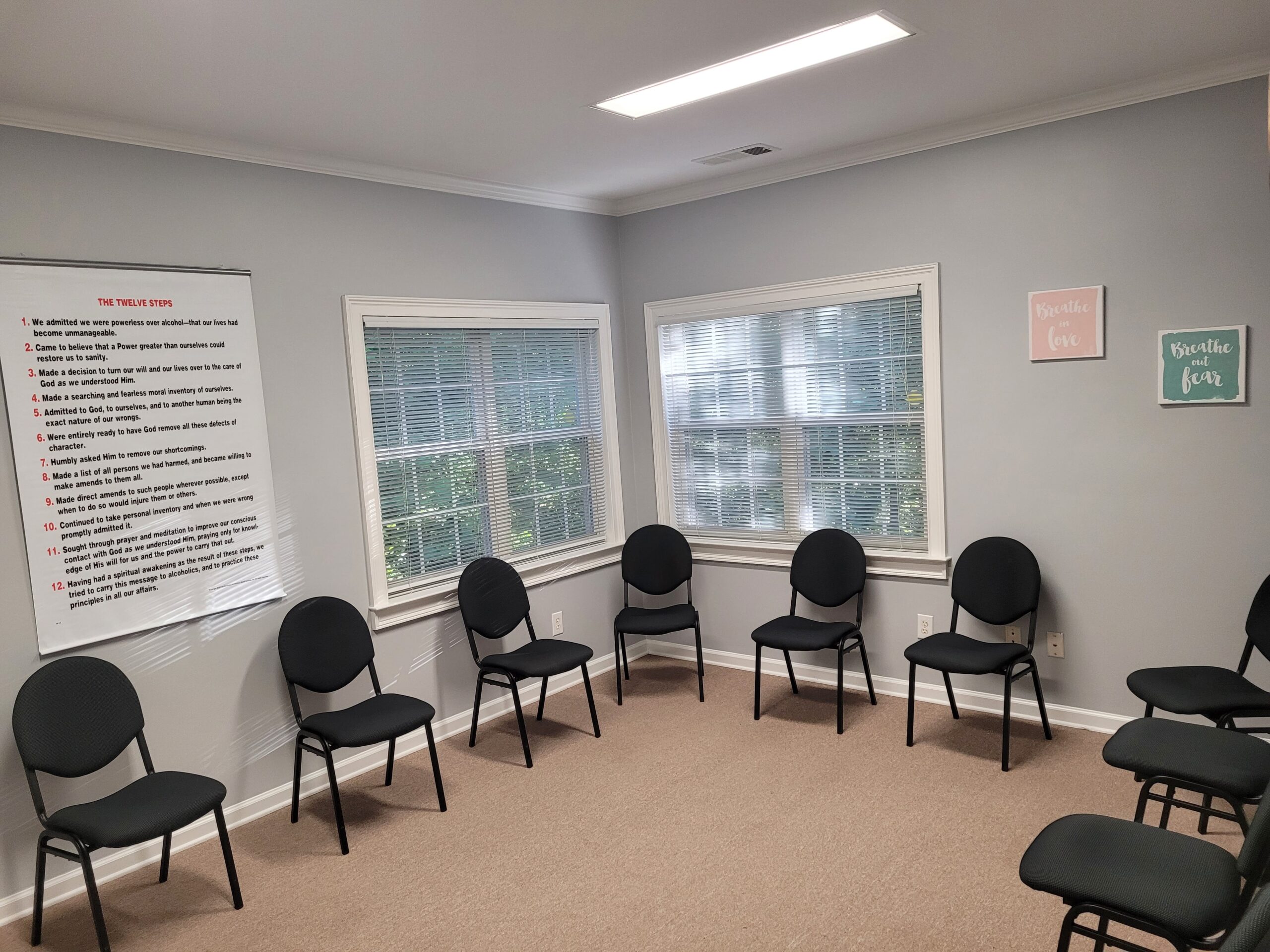
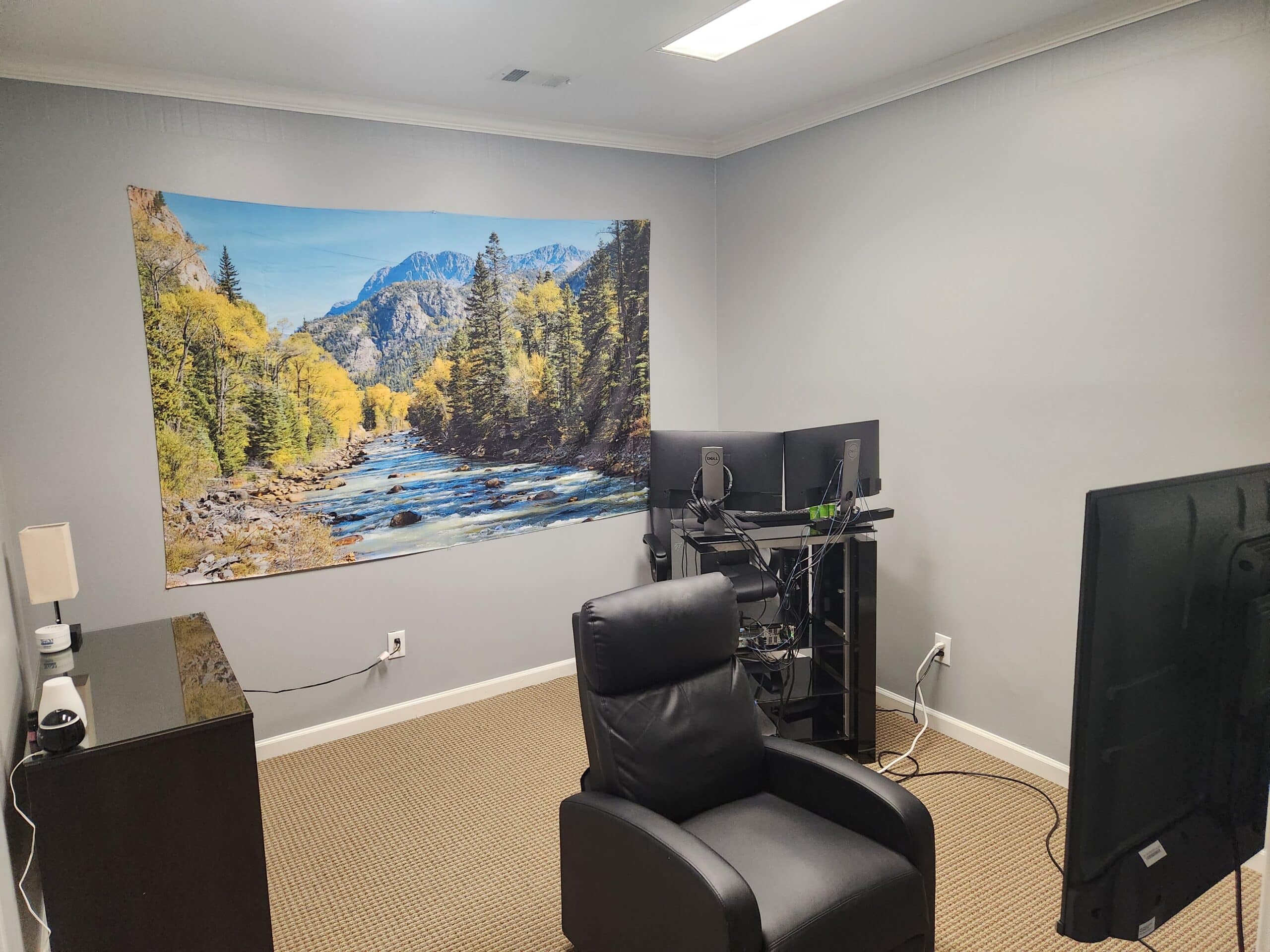
Check Out Our Facility in Atlanta, GA

Discover why our programs are top rated today. Talk with our admissions team about the right treatment plan to bring lasting recovery.

Evidence Based Trauma Recovery and Somatic Therapy

Trauma treatment is most effective when it is both compassionate and grounded in proven methods. At Inner Voyage, care is not one-size-fits-all. It is built on evidence-based therapies that can be tailored to each person’s history, symptoms, and healing pace.

EMDR Therapy Atlanta

Eye Movement Desensitization and Reprocessing is one of the most recognized approaches in trauma recovery. EMDR therapy Atlanta helps clients process painful memories without requiring them to relive every detail. For those who feel overwhelmed by traditional talk therapy, this method can create distance from traumatic memories while reducing their emotional intensity.

CBT Atlanta for Trauma Patterns

Cognitive Behavioral Therapy focuses on how trauma shapes thought patterns and emotional responses. CBT Atlanta helps clients identify beliefs like self-blame, fear, or hopelessness and replace them with more stable, grounded thinking. Over time, this can support better emotional regulation and reduce anxiety tied to past experiences.

DBT Therapy Atlanta and Emotional Regulation

For clients dealing with intense emotions or difficulty staying grounded, DBT therapy Atlanta provides practical tools for distress tolerance, emotional regulation, and healthier relationships. This approach is especially helpful when trauma overlaps with substance use or impulsive coping behaviors.

Holistic and Somatic Therapy Atlanta

Trauma is not only cognitive. It lives in the body. That is why holistic therapy Atlanta plays an important role in recovery. Somatic approaches help clients reconnect with physical sensations, regulate stress responses, and feel more present in their bodies. This work supports nervous system balance and can reduce the sense of being stuck in constant activation or shutdown.

Request A Confidential Call

Help is Here When You're Ready

If you or someone you love is struggling with substance use or other mental health issues, Inner Voyage Recovery can help. Request a callback below to receive care and support you can trust.

"*" indicates required fields

Individual, Group, and Family Therapy at Inner Voyage

Trauma recovery is rarely a single-lane process. Most people benefit from a combination of therapeutic support that meets them at different levels.

Individual Therapy Atlanta

Individual therapy Atlanta provides a private space to explore trauma, emotional pain, and personal history. This is where deeper patterns begin to surface, and where clients can safely work through experiences at their own pace. The therapeutic relationship itself often becomes part of the healing process.

Group Therapy Atlanta

Group therapy Atlanta helps reduce isolation and creates connection. Hearing others share similar struggles can be grounding and validating. Group settings also allow clients to practice communication, build trust, and develop emotional awareness in a supportive environment.

Family Therapy Atlanta

When trauma affects relationships, family therapy Atlanta can help repair trust and improve communication. It gives loved ones a clearer understanding of trauma recovery while helping clients set healthier boundaries and expectations. This added layer of support can make long-term healing feel more sustainable and less isolating.

Experience the Inner Voyage Difference

How can our Atlanta Trauma Treatment help you?

New Skills

Learn to manage stress with mindfulness, breathing, exercise, and more.

Stability

Get help building a routine that works for your life and recovery.

Caring Staff

Our alumni love us, and you will too. We have 67 five-star reviews (and growing).

Insurance Accepted


We accept major insurance carriers. And if you’re inclined, we have self-pay and other options. Just ask our admissions staff!

Veteran Support

You’ll benefit from our staff’s specialized trainings and support for veterans. We understand what you’ve experienced, and can help you process it for good and leave it in the past.

Trauma Therapy Atlanta, GA, and Holistic Treatment at Inner Voyage

At Inner Voyage Recovery Center, trauma care is not approached as something separate from the rest of a person’s life. It is part of the larger treatment picture. Many clients are not only dealing with trauma. They may also be navigating anxiety, depression, bipolar disorder, post-traumatic stress, substance abuse, grief, or other mental health concerns that need to be addressed with care.

That broader model is why holistic therapy Atlanta is such an important anchor in Inner Voyage’s treatment map. Holistic treatment does not replace evidence-based care. It complements it. Clients may benefit from mindfulness, body-based approaches, experiential work, and other supportive practices that help them reconnect more fully with themselves. Trauma-informed yoga, meditation, and other grounding practices can support nervous system regulation and build a stronger sense of safety in the body.

For some clients, psychiatry Atlanta may also be part of the process, especially if symptoms such as depression, panic, sleep disruption, or bipolar disorder are affecting daily functioning. A psychiatric assessment can help clarify whether medication support or additional mental health services may be useful as part of treatment.

Your Path to Recovery Made Simple

How to Begin Your Recovery Journey

We know beginning treatment can feel intimidating, so we’ve made the process simple and stress-free.

1

Get in touch
with us

Call or complete our contact form to connect with an admissions specialist who takes the time to listen and understand your situation.

2

Complete an assessment
& insurance review

Our team will review your history, discuss your needs, and confirm insurance coverage or explore self-pay options to make things easy.
3

Start your
treatment

Begin a personalized program built around your goals, supported by evidence-based care and a compassionate clinical team.

In-Person Trauma Therapy, Online Therapy, and Practical Considerations

When people begin searching for trauma therapy, the emotional side is often the focus. But practical considerations matter just as much. The right setting can shape how safe, supported, and consistent the healing process feels over time.

In-Person Trauma Therapy in Atlanta

In-person care can offer a deeper sense of grounding, especially for clients who feel overwhelmed, activated, or disconnected. At Inner Voyage, the environment itself becomes part of the work. The setting outside the pace of Atlanta allows space to slow down, regulate, and step out of survival mode. For many clients, that physical separation from daily stress makes it easier to engage fully in trauma recovery.

Online Therapy and Flexible Access

Virtual therapy can be a helpful option for those balancing work, family, or distance. Online sessions increase accessibility and allow clients to stay connected to care even when life feels full. While it may not replace the depth of in-person treatment for everyone, it can still provide meaningful emotional support and continuity in the healing process.

Insurance, Cost, and Treatment Planning

Practical factors often shape treatment decisions. Many clients consider:

  • Insurance coverage and out-of-network benefits
  • Self-pay options and program structure
  • Session rates and overall treatment costs
  • What services are included within a treatment plan

At Inner Voyage, these conversations are part of the process. Understanding the full picture helps clients make informed decisions that align with both their clinical needs and real-life circumstances.

Higher Levels of Care at Inner Voyage

For clients who need more than weekly therapy, structured programs can provide stronger support:

Partial Hospitalization Program Atlanta

A partial hospitalization program Atlanta offers intensive daytime treatment with clinical structure, while still allowing clients to return home in the evenings. This level of care is often helpful for those who need stability without full residential treatment.

Atlanta IOP

An Atlanta IOP (intensive outpatient program) provides consistent therapy, group work, and accountability several times a week. It allows clients to stay engaged in recovery while beginning to rebuild daily routines and responsibilities.

Outpatient Rehab Atlanta

Outpatient rehab Atlanta offers continued support with more flexibility. This level of care can be especially useful for clients navigating both trauma recovery and substance use while maintaining work, family, or personal commitments.

At Inner Voyage, these options are not separate tracks. They are part of a connected system of care that adjusts based on what each person actually needs, creating a path that feels supported, realistic, and sustainable.

Your brain doesn't have to live in consistent fight or flight mode, built new tools in targeted sessions building up relationships today.

The Best Trauma Treatment in Atlanta

How can our friendly staff help you?

Depth

The best way to achieve lasting recovery is deep healing. We guide you to what needs to be healed, and help you through it.

Support

We’re your partner and guide, every step of the way. With that level of support, recovery is more likely.

Strength

There is strength in your journey. You’ve gotten this far. Now let’s take it all the way. We rely on your strengths as much as ours.

Accountability

Call it accountability, “tough love,” or whatever you like: We hold you to a higher standard. We see your potential and help you realize it.

Aftercare

No recovery is complete without aftercare planning and support. Our Alumni program helps you stick to sobriety for good.

Flexibility

Join our PHP and get support that fits your schedule. We specialize in helping busy adults get the support they need.
Find A New Way Forward with Inner Voyage Recovery Center

FAQ

Beginning trauma therapy can feel uncertain, especially if you are not sure what to expect. Early sessions are usually focused on helping you feel safe, understand your needs, and build trust with your therapist. Rather than rushing into difficult memories, most trauma therapists focus on stabilization, emotional support, and helping you stay grounded in the present moment. This creates a foundation for deeper healing over time.
Trauma therapists use a range of evidence-based treatment methods depending on your needs. This may include approaches like somatic experiencing, cognitive therapies, or other trauma-informed therapy models that help regulate the brain and body together. A licensed professional counselor or clinician will typically work closely with you to create a plan that fits your history, symptoms, and comfort level.
Yes. Trauma therapy often supports a wide range of mental health concerns, including anxiety, depression, eating disorders, and challenges related to perinatal mental health. It can also support young adults, adults, and even adolescents who are navigating trauma in different stages of life. In some cases, couples therapy may also be recommended when trauma has affected relationships.
Many programs now offer virtual sessions in addition to in-person care, helping make trauma therapy more accessible. Clients may also want to ask about practical considerations, such as insurance plans or whether a provider offers a sliding scale. These options can help you stay consistent with your care, which is an important part of the healing process.

Finding the right therapist is about more than credentials or training. It is about whether you feel understood and supported in a compassionate space. A good therapist will listen without judgment, move at a pace that works for you, and adjust therapy methods based on your needs. Feeling safe, respected, and able to engage openly is one of the strongest indicators that you are in the right place for trauma therapy.

Inner Voyage Recovery Center’s Top Values

Every treatment will be uniquely tailored to you, because you’re unique.

Sober Living

Our team is 100% sober, including from Alcohol. We help our clients achieve sobriety and stick to it through thick and thin, because sobriety is the foundation of a fulfilling life.

Integrity

Our team is 100% sober, including from Alcohol. We help our clients achieve sobriety and stick to it through thick and thin, because sobriety is the foundation of a fulfilling life.

Everyone Belongs

Our team is 100% sober, including from Alcohol. We help our clients achieve sobriety and stick to it through thick and thin, because sobriety is the foundation of a fulfilling life.

Limitless Potential

Our team is 100% sober, including from Alcohol. We help our clients achieve sobriety and stick to it through thick and thin, because sobriety is the foundation of a fulfilling life.

Beginning Trauma Recovery at Inner Voyage

Trauma can shape daily life in ways that are easy to miss at first. It can affect how you think, feel, sleep, trust, and cope with stress. For some, it also becomes tied to substance use or patterns that once felt protective but no longer feel sustainable. Real healing means looking at the full picture, not just managing symptoms, but understanding what your mind and body have been carrying and what they need now.

At Inner Voyage Recovery Center, trauma recovery is approached with that level of care. Treatment is not rushed or one-dimensional. It is built around helping you feel safe enough to begin, supported enough to continue, and steady enough to move forward at your own pace.

If you are ready to take the next step, you can call our team at (470) 460-8437 or reach out through our confidential contact form to explore your options. You can also find Inner Voyage on Google to learn more about our programs, read reviews, and see how others have begun their recovery journey here.

If you’re looking for more information, connect with our team by phone, email, or through our online form. We’re here to answer your questions, talk through your options, and support you as you begin your path toward lasting recovery.

Free & Easy Insurance Check

Alliant logo featuring a small black triangle followed by "Alliant" in bold black italic text.

Request a Confidential Call

"*" indicates required fields

This field is for validation purposes and should be left unchanged.
Preferred Method*
Get Treatment For All Your Healthcare Needs

Other Mental Health Treatments

Request A Confidential Call

Request a call and an Inner Voyage Recovery Center team member will be in touch.

"*" indicates required fields