Virtual Versus In-Person Programs and Residential Treatment
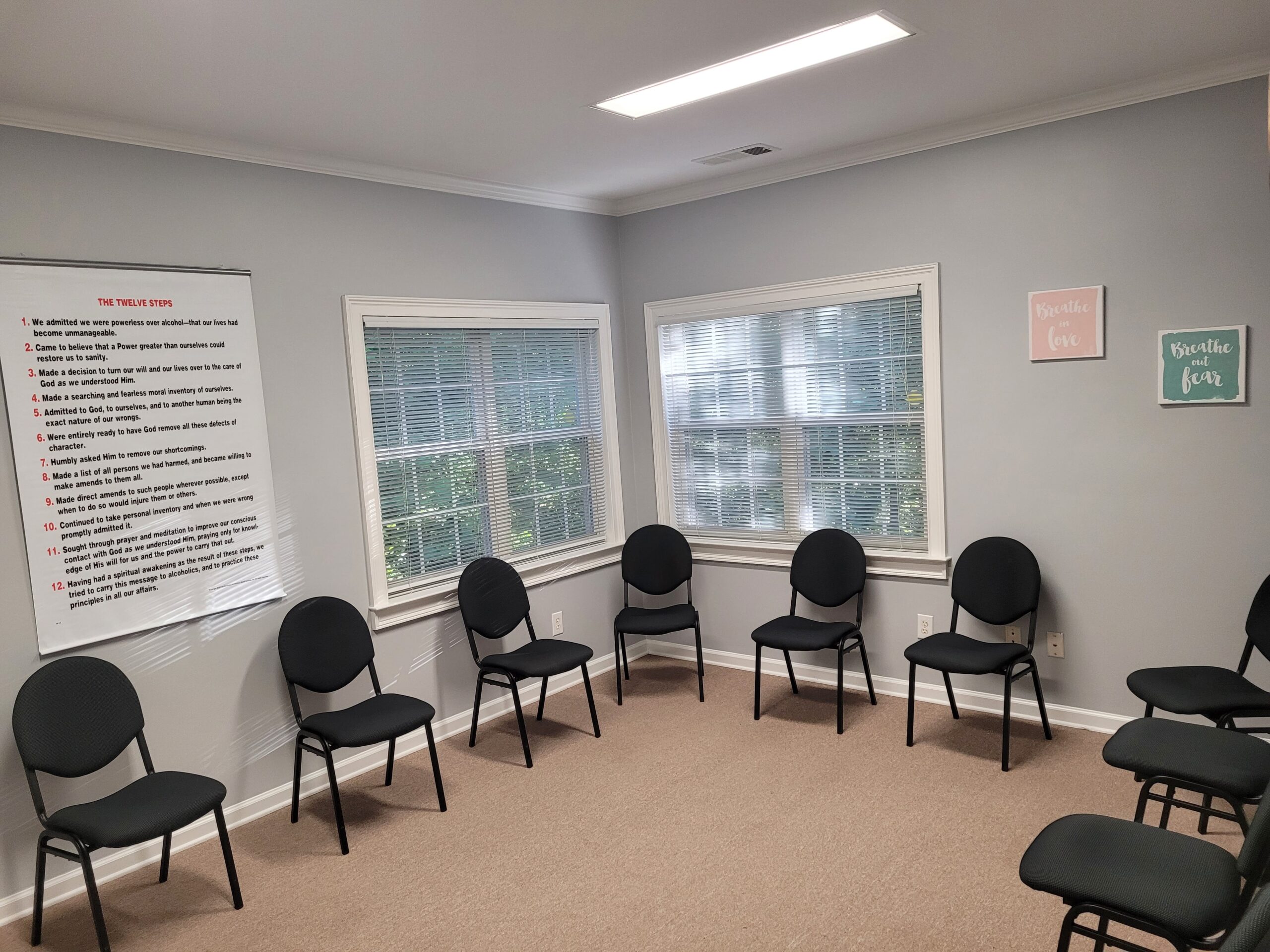
Virtual services bring together the structure of an intensive outpatient program with the accessibility of online therapy. In-person programs offer the benefit of physical proximity to clinicians and peers, which some participants prefer.
They may also include hands-on interventions that aren’t possible online. However, virtual treatment allows many individuals to engage consistently because they do not need to navigate transportation, rigid scheduling, or childcare.
Residential treatment, by comparison, requires individuals to live on-site for a period of time. This level of care is best for people who need 24/7 support, medical oversight, or a safe environment away from triggers. Virtual programs do not replace residential treatment, but they serve as a crucial option for people who need structured care but can maintain safety and stability at home.
Ultimately, virtual programs offer a balance: they provide more structure than weekly sessions, more flexibility than in-person IOP, and more specialized support than traditional outpatient care.
Why Someone Might Choose a Virtual IOP Program
A virtual addiction treatment program allows individuals to access intensive outpatient support while staying grounded in everyday life. Many people choose virtual treatment programs because they work, attend school, care for family members, or manage other responsibilities that make in-person IOP challenging.
Common reasons someone may choose virtual intensive outpatient care include:
- Staying engaged in daily routines and home life
- Accessing evidence-based treatment from their own homes
- Needing flexible scheduling for work, school, or childcare
- Wanting additional structure after finishing residential treatment
- Reducing barriers like transportation and commute time
- Preferring privacy and comfort during therapy
- Wanting consistent support during stressful life periods
Online IOP offers a supportive, structured environment that adapts to each participant’s needs while maintaining strong clinical oversight. The goal is to create a treatment program that fits the person, not the other way around.
Ultimately, those who choose virtual services often find that the combination of accessibility, structure, and high-quality care makes long-term progress easier to sustain.