

Can You Overdose on Cough Drops?
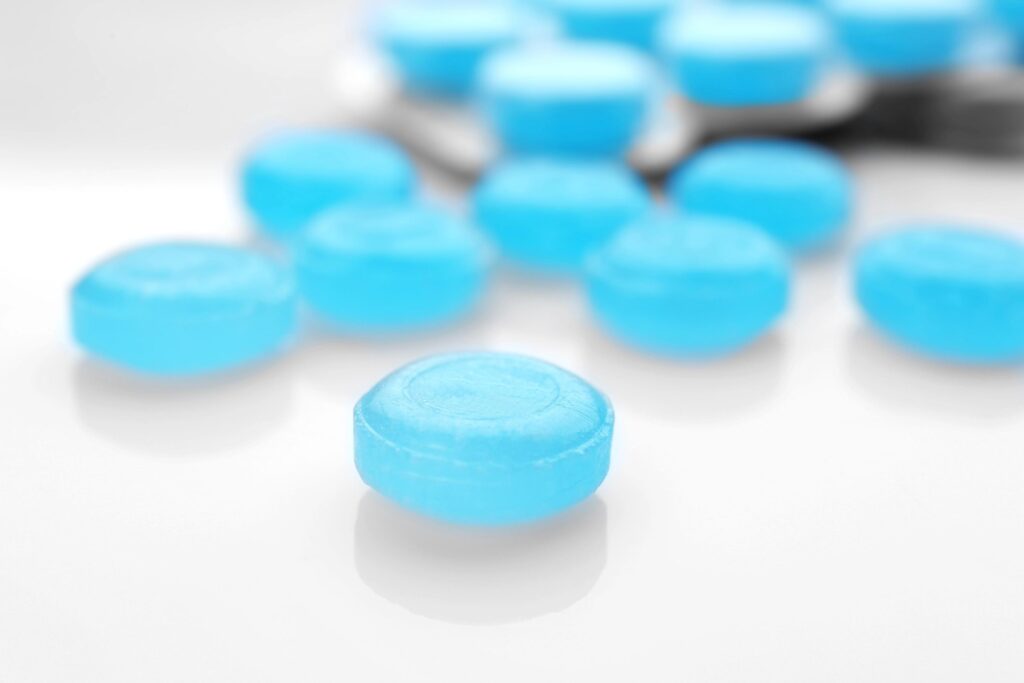
When you’re dealing with a sore throat or a nagging cough, reaching for a cough drop can feel like the most natural thing in the world. They offer that quick, soothing relief you’re looking for. But as you pop another one in your mouth, a question might cross your mind: just how many cough drops is too many? It’s a valid question, because while they seem like simple candies, many cough drops are actually medicated. Understanding the difference is the first step toward using them safely and effectively to get back on your feet.
How Many Cough Drops Are Too Many?
It’s a question that comes up often, especially in the middle of cold and flu season. While there isn’t a single, universal rule that applies to all brands, a good rule of thumb is to follow the directions on the package. Most products recommend dissolving one drop in your mouth every 2 hours as needed, and many suggest not exceeding 10-12 cough drops in a 24-hour period. It’s important to remember that these aren’t just sweets; they’re over-the-counter medicated products designed to provide temporary relief.
The reason for these limits is the active ingredients they contain, such as menthol or benzocaine, which can cause unwanted side effects if used in excess. The amount of these ingredients can vary quite a bit from one brand to another, which is why checking the label for the specific safe dosage instructions is always the best approach. Following the guidance on the packaging helps you get the relief you need for your throat without overdoing it. Being mindful of these details is an important part of managing symptoms and understanding the risks of overconsuming even common medications, an area we explore further in our resources on prescription drug rehab Georgia.
What Happens if You Eat Too Many Cough Drops?
Going over the recommended dose of cough drops might not seem like a big deal, but it can lead to some genuinely uncomfortable side effects. Your body is reacting to an excess of certain ingredients, and the symptoms often depend on what’s in the specific brand you’re using. For many people, the issue starts with the high sugar content, which can lead to an upset stomach or nausea. If you opt for sugar-free versions, you might not be in the clear either.
These often contain sorbitol, a sugar alcohol that can have a laxative effect, causing bloating, gas, and diarrhea if you consume too much. Then there are the active ingredients like menthol. While menthol is great for soothing a sore throat, too much of it can lead to symptoms like dizziness, stomach pain, and heartburn. It’s a good reminder that even simple remedies need to be used with care.
Common Side Effects
When you consume too many cough drops, the most immediate issues are often digestive. This is largely due to the high concentration of sweeteners used in them. Here’s a quick breakdown of what you might experience:
- High Sugar Intake: Regular cough drops are often packed with sugar. Eating too many in a short period can lead to a sudden spike in your blood sugar levels, followed by a crash. This can also cause general stomach upset, cramps, and nausea.
- Sugar Alcohols (Sorbitol): To avoid sugar, many brands offer sugar-free options using sugar alcohols like sorbitol. Your body doesn’t digest these completely, so they travel to your large intestine where bacteria ferment them. This process can cause significant gas, bloating, and in some cases, severe diarrhea.
Serious Side Effects
While less common, consuming a very large number of cough drops can lead to more serious side effects related to the active ingredients. It’s important to be aware of these, even if they are rare:
- Menthol Poisoning: It would take a huge number of cough drops to cause this, but menthol poisoning is a serious condition. Symptoms can include a rapid heart rate, breathing difficulties, confusion, and in extreme cases, seizures.
- Allergic Reactions: Some people may have an allergic reaction to menthol or other ingredients in cough drops. Signs of a reaction can range from a mild skin rash to severe swelling, hives, and difficulty breathing. If you experience these, it’s crucial to seek medical help right away. Recognizing the signs of a severe reaction or overdose is critical, and our drug overdose survival guide can provide valuable information in an emergency.
Can You Overdose on Cough Drops?
Hearing the term “overdose” in relation to cough drops can be alarming, but it’s important to put it in perspective. Yes, a fatal overdose on menthol-based cough drops is technically possible, but it is extremely rare. To reach a lethal dose of menthol, an average adult would need to consume thousands of cough drops in a very short amount of time, an amount that would be nearly impossible to ingest. The body would likely react with severe nausea and vomiting long before a dangerous level was reached.
However, the conversation changes when cough drops contain an active ingredient called Dextromethorphan, or DXM. While the risk of a fatal menthol overdose is minimal, the potential for misuse and serious harm from DXM is a much more significant concern. Some cough and cold products contain DXM for its cough-suppressing qualities, but at high doses, it acts as a dissociative drug, creating a risk for intentional overdose and abuse.
Dextromethorphan (DXM) Cough Drops
Dextromethorphan (DXM) is a common cough suppressant found in many over-the-counter cold and flu medicines. When used as directed, it’s safe and effective. The concern arises when it’s taken in large quantities for its psychoactive effects. Unlike menthol, which primarily soothes the throat, DXM acts on the brain and can cause hallucinations, euphoria, and a sense of detachment from reality, similar to a dissociative anesthetic.
This potential for a “high” is why some individuals, particularly teens and young adults, abuse products containing DXM. Common over-the-counter products like Robitussin and NyQuil contain this ingredient, making them accessible but also posing a risk for abuse. This risk is especially relevant for adolescents and young adults, a group we focus on supporting through our specialized young adult rehab programs.
DXM Addiction
When someone starts using cough medicine not for a cough but to experience a high, it’s a clear sign of abuse that can quickly lead to DXM addiction. This is particularly concerning among teens, as studies have shown that about 2.7% of teenagers have reported misusing over-the-counter cough medicines. What starts as experimentation can develop into a serious problem as the body builds a tolerance, meaning more of the drug is needed to achieve the same effect.
This cycle of increasing use can lead to physical dependence and psychological addiction, where the person feels unable to function without the substance. If you recognize these patterns in yourself or someone you care about, it’s a sign that it’s time to seek help. Taking that first step toward recovery is a brave and important one.
DXM Addiction Symptoms
Recognizing the signs of DXM addiction is the first step toward getting help. The symptoms can be physical, behavioral, and psychological. If you notice several of these signs, it may indicate a growing dependence.
- Behavioral Signs: This can include secretive behavior, such as hiding cough medicine boxes, a sudden change in friends or social circles, a drop in performance at school or work, and neglecting responsibilities.
- Physical Signs: Physical symptoms of DXM abuse include poor coordination, slurred speech, uncontrollable eye movements, and a rapid heart rate. You might also notice empty cough medicine packages in the trash.
- Psychological Signs: Confusion, paranoia, and hallucinations are significant red flags. Mood swings, agitation, and a general sense of detachment from reality are also common psychological symptoms of DXM dependence.
Frequently Asked Questions
Most cough drops are designed for temporary relief of sore throat or cough symptoms, but taking many cough drops in a short period can lead to problems. A typical cough drop contains active ingredients such as menthol, mint oils, or other soothing compounds that suppress cough reflexes and provide a cooling sensation.
For most over the counter cough drop brands, dosage guidelines recommend spacing them out throughout the day rather than eating cough drops continuously. Consuming too many cough drops may increase the risk of stomach upset, throat irritation, or other negative symptoms. The exact amount that becomes too much can vary depending on body weight, health conditions, and the specific active ingredients in the throat lozenges.
A cough drop overdose is uncommon but possible, especially with medicated cough drops that contain high doses of menthol or other active ingredients. Excessive menthol intake may lead to menthol toxicity or menthol poisoning in rare cases.
Symptoms of menthol overdose may include stomach pain, abdominal pain, nausea, dizziness, and throat irritation. In severe cases people may experience difficulty breathing or other severe symptoms that require medical attention. Anyone who suspects a cough drop overdose should contact a healthcare professional or local poison control center.
Menthol cough drops are widely used during cold and flu season to ease throat pain, nasal congestion, and persistent cough. However, taking cough drops in large amounts can lead to health risks. Too much menthol may cause stomach upset, mild stimulation, or irritation in the mouth and throat.
Very high doses of pure menthol could potentially affect the central nervous system or blood pressure. Although a lethal dose from cough drops alone is extremely unlikely, excessive consumption can still cause negative symptoms that may require medical attention.
Sugar free cough drops often contain sugar substitute ingredients such as sorbitol. When many cough drops are consumed, these sweeteners can have a laxative effect and cause stomach upset, abdominal pain, or diarrhea.
People who eat large amounts of sugar free varieties may also notice bloating or digestive discomfort. Because these throat lozenges have a sweet taste, it can be easy to consume them like candy, especially during flu season when cough worse or throat pain persists.
Most cases of taking too many cough drops only cause mild stomach upset or throat irritation. However, some symptoms should be taken seriously. Difficulty breathing, severe abdominal pain, or signs of allergic reactions require immediate medical attention.
If someone develops severe symptoms or shows signs of menthol toxicity, it may be necessary to go to the emergency room or contact a healthcare provider. A healthcare professional can evaluate whether the symptoms are related to cough drops, other medications, combination medication, or underlying health conditions.
Practicing Awareness While Seeking Symptom Relief with Cough Drops
Navigating the line between relief and risk with cough drops comes down to awareness. While menthol drops used as directed are generally safe, it’s crucial to always read the label and respect the recommended dosage to avoid uncomfortable digestive side effects. The more significant concern lies with products containing DXM, where the risk of abuse and addiction is real, especially for young adults.
If you’re concerned about a teen in your life, a concrete next step is to check your medicine cabinet for products containing Dextromethorphan and have an open conversation about the risks. Recognizing the difference between using medicine for a cough and misusing it for a high is key to staying safe.
If anything you’ve read today resonates with your own experiences, please know that help is available. You can call us at (470) 460-8437 for a confidential conversation or learn more about the compassionate, evidence-based care we provide at Inner Voyage. Our team is here to help you get the treatment you need, and you can reach out to our team to begin that process today.
Sources
- U.S. Food and Drug Administration. (December 1, 2024). THE ORIGINAL NATURAL HERB COUGH DROPS … – DailyMed. DailyMed.
- U.S. Government Publishing Office. (July 14, 2023). 21 CFR Part 341 — Cold, Cough, Allergy, Bronchodilator … – eCFR. eCFR.
- National Library of Medicine. (2008). [Anaphylactic shock after sucking on a throat lozenge] – PubMed. PubMed.
- National Center for Biotechnology Information. (January 2025). Dextromethorphan – StatPearls – NCBI Bookshelf – NIH. StatPearls.
- National Library of Medicine. (January 15, 2022). Dextromethorphan: MedlinePlus Drug Information. MedlinePlus.
- Drug Enforcement Administration. (January 1, 2025). DXM – DEA.gov. DEA.gov.
- National Library of Medicine. (November 2, 2023). Dextromethorphan overdose: MedlinePlus Medical Encyclopedia. MedlinePlus.
- National Center for Biotechnology Information. (June 26, 2023). Dextromethorphan Toxicity – StatPearls – NCBI Bookshelf. StatPearls.
- Substance Abuse and Mental Health Services Administration. (June 9, 2023). National Helpline for Mental Health, Drug, Alcohol Issues – SAMHSA. SAMHSA.
- National Library of Medicine. (December 7, 2025). Cognitive deterioration from long-term abuse of dextromethorphan. PubMed.
- National Library of Medicine. (January 8, 2025). Poison control center – emergency number – MedlinePlus. MedlinePlus.
- Health Resources and Services Administration. (January 26, 2026). Find a Poison Center. Poison Help.
- National Library of Medicine. (April 3, 2024). Drug use first aid: MedlinePlus Medical Encyclopedia. MedlinePlus.
- National Institute on Drug Abuse. (October 24, 2024). Understanding an Overdose and How to Respond to One. NIDA.
Help is Here When You’re Ready
"*" indicates required fields