

Why Does Cocaine Give You Energy?
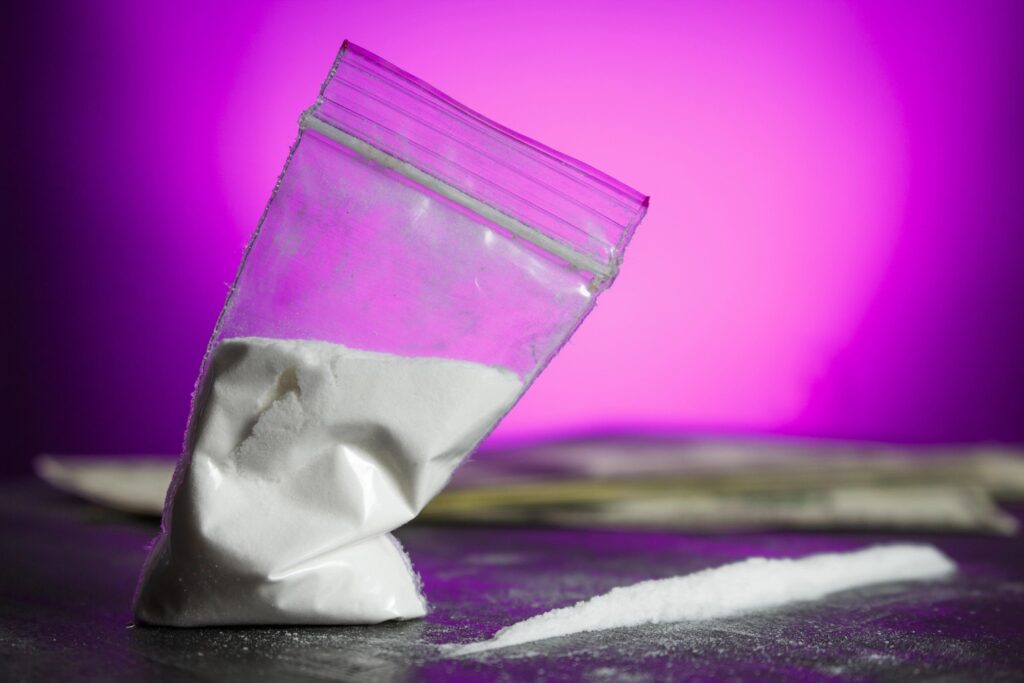
If you’ve ever wondered, “Does cocaine give you energy?” the simple answer is yes, but it’s a borrowed energy that comes at a very high cost. Many people are drawn to cocaine, also known as coke, because it creates a powerful, temporary surge of alertness and euphoria. It can make you feel on top of the world, full of confidence and ready to take on anything. But this intense high is short-lived, and what comes after is a crash that can leave you feeling depleted, anxious, and depressed. Understanding how this cycle works is the first step toward seeing the bigger picture of cocaine use and its real impact on your life.
What is Cocaine?
Cocaine is a powerful stimulant drug made from the leaves of the coca plant, which is native to South America. It works by speeding up the messages between your brain and body, creating that intense feeling of energy. It’s most often seen as a fine, white powder, which is why it has street names like “snow” or “powder.” This form, called cocaine hydrochloride, is usually snorted or dissolved in water and injected.
Another common form is crack cocaine, which is made by processing powder cocaine into a rock-like crystal that can be smoked. Smoking crack delivers the drug to the brain much faster, creating a quicker, more intense, but shorter high. Because of the serious health risks involved, professional Atlanta cocaine addiction treatment is often necessary for those struggling with its use. According to the National Institute on Drug Abuse, cocaine is a highly addictive substance that can have severe short- and long-term consequences.
Short-Term Effects of Cocaine Use
So, what does that burst of energy from cocaine actually feel like? When someone uses cocaine, they often experience a flood of positive feelings. This is the “high” that makes the drug so appealing. However, these desired effects come with a host of immediate and dangerous side effects. The experience is a trade-off, and the negative side almost always outweighs the positive.
- Perceived Positive Effects. The initial rush often brings intense happiness or euphoria, making you feel extremely alert, talkative, and confident. It can also decrease the need for sleep and food.
- Physical Effects. Your body reacts almost instantly. Your heart rate speeds up, your blood pressure rises, and your body temperature increases. You might also notice dilated pupils and muscle twitches.
- The Crash. The high from cocaine is brief, lasting anywhere from five minutes to an hour and a half, depending on how it’s used. What follows is the “crash” or comedown, which is characterized by feelings of deep fatigue, depression, and irritability. This is often accompanied by intense anxiety and paranoia, which drives the urge to use again just to escape the negative feelings.
These short-term effects are just the beginning of a dangerous cycle. The temporary high creates a powerful illusion of control and well-being, but the crash that follows reveals the true cost.
What Does Cocaine Do to Your Brain?
Cocaine’s ability to produce that energetic high comes from the way it hijacks your brain’s natural chemistry. Your brain uses a chemical messenger, or neurotransmitter, called dopamine to signal pleasure and reward. Normally, after dopamine is released, it’s taken back up by the nerve cell that released it, shutting off the signal.
Cocaine blocks this recycling process. This causes a large amount of dopamine to build up between nerve cells, flooding the brain’s reward circuit and creating an intense feeling of pleasure and euphoria. This part of your brain, known as the limbic system, is responsible for motivation and pleasure, and cocaine overstimulates it in a way that natural rewards can’t.
Over time, the brain starts to adapt to these dopamine surges. It becomes less sensitive, which means you need more and more cocaine to feel the same level of pleasure. With continued use, the brain’s frontal cortex, which is responsible for decision-making and impulse control, becomes impaired. This makes it incredibly difficult to stop using the drug, even when you know the negative consequences. The brain is essentially rewired to prioritize finding and using cocaine above everything else, which is the hallmark of addiction.
Long-Term Effects of Cocaine Use
While the short-term high is what often draws people in, the long-term effects of cocaine use are devastating and can impact every part of your life. The temporary feeling of energy is replaced by lasting damage to your physical and mental health. Chronic cocaine abuse puts immense strain on the cardiovascular system, constricting blood vessels and forcing the heart to work harder.
This can lead to an increased risk of heart attack and stroke, even in young people. The damage isn’t limited to the heart. Depending on how it’s used, cocaine can cause severe physical harm. Snorting can lead to the loss of smell, chronic nosebleeds, and a perforated septum (a hole in the wall separating the nostrils). Smoking can cause lung damage and breathing problems.
The mental health consequences are just as severe. Long-term use often leads to persistent anxiety, paranoia, and even hallucinations. Many people develop severe depression as their brain’s dopamine system becomes depleted. It’s a steep price to pay for a fleeting high, but you don’t have to face it alone. Help is available to start the healing process.
Cocaine Addiction Risk
Yes, there is a significant risk of addiction with cocaine use. Because of how powerfully it affects the brain’s reward system, tolerance can develop quickly. This means your brain adapts to the excess dopamine, and you need to use more of the drug more frequently to get the same effect. This escalating use leads to physical and psychological dependence. When you’re dependent, you’ll experience uncomfortable withdrawal symptoms like fatigue, depression, and intense cravings if you try to stop. One study highlighted the risk, showing that 15% of people who used cocaine developed a cocaine addiction within 10 years. If you find yourself unable to stop, exploring options for quitting and getting help for cocaine addiction is a crucial step.
Treatment Options for People Who Use Cocaine
If you or someone you care about is struggling with cocaine use disorder, it’s important to know that recovery is possible. Effective treatment focuses on addressing the whole person, not just the substance use. Behavioral therapies are at the core of most treatment plans. Therapies like cognitive behavioral therapy (CBT) help you recognize the thoughts and situations that lead to drug use, and they teach you healthier coping skills to manage triggers and cravings.
Support systems are also a vital part of recovery. This can include individual counseling, group therapy, or community-based programs like 12-step groups. These settings provide a safe space to share your experiences and learn from others who understand what you’re going through. The goal of CBT Atlanta is to empower you with the tools and support needed to build a fulfilling, substance-free life. It’s a process, but with the right help, lasting recovery is achievable.
Frequently Asked Questions
Using cocaine often creates a short-lived but intense feeling of euphoria and confidence. People report feeling extremely alert, talkative, and energetic. This is because the drug causes a surge of dopamine, a chemical in the brain linked to pleasure and reward.
However, these desirable feelings can be accompanied by anxiety, irritability, and paranoia. The experience is a trade-off, and the high is quickly followed by a crash, which can leave a person feeling exhausted and depressed.
The duration of cocaine’s effects depends heavily on how it’s used. When smoked as crack cocaine or injected, the intense rush is very brief, typically lasting only about 5 to 10 minutes. This short duration often leads to repeated use in a short period to maintain the high.
If snorted, the effects take longer to begin and may last for 15 to 30 minutes. Regardless of the method, the high is temporary, which contributes to the cycle of addiction as people chase that initial feeling.
Yes, a comedown, or “crash,” is a defining part of the cocaine use cycle. Once the drug’s effects wear off, the brain’s depleted dopamine levels lead to a range of unpleasant symptoms. You might feel intense fatigue, anxiety, agitation, and a strong sense of depression.
This crash is often what drives the powerful urge to use the drug again—simply to escape the negative feelings. It’s a difficult cycle that can quickly lead to dependence and addiction.
Cocaine can be detected in the body long after the effects have faded. For a typical urine test, it can show up for 2 to 4 days after last use. In blood or saliva, it’s usually detectable for up to 2 days.
Hair follicle tests have a much longer detection window, often finding traces of cocaine for up to 90 days or more. How long it stays in your system can vary based on factors like metabolism, hydration, and the amount used.
No, mixing cocaine and alcohol is extremely dangerous. When these two substances are combined, the liver creates a third chemical called cocaethylene. This new substance intensifies the euphoric effects but places a massive strain on the heart and cardiovascular system.
Cocaethylene significantly increases the risk of heart attack, stroke, and other life-threatening events, even in young, otherwise healthy people. The combination is much more toxic to the body than using either drug on its own.
Helping someone with a cocaine addiction starts with compassion and understanding. Try to express your concerns in a calm, non-judgmental way, focusing on how their substance use has affected them and you. It’s also important to set healthy boundaries to protect your own well-being.
Encourage them to seek professional treatment and offer to help them find resources. Remember that you can’t force someone to change, but your support can be a powerful motivator when they are ready to seek help for their addiction.
Finding Hope and Healing from Cocaine Use
The “energy” that cocaine provides is a dangerous illusion. It’s a temporary loan from your future well-being, and the debt it creates comes with severe consequences for your brain, your heart, and your life. But no matter how deep you feel you are in this cycle, a path to a healthy, sober life is always possible. Recovery isn’t just about stopping drug use; it’s about rediscovering yourself and finding joy and purpose without relying on a substance.
Making the decision to seek help is one of the bravest things you can do. It’s not a sign of weakness but a profound act of strength and self-care. You don’t have to walk this path by yourself. In Georgia, there are compassionate professionals ready to support you every step of the way, offering a judgment-free space where you can heal and build a new foundation for your future.
Lasting recovery is not only possible but achievable with the right support. Addressing the root causes of cocaine use with therapies and building a strong support network can help you manage cravings and create a life free from substance dependence.
If you’re ready to stop trading your future for a fleeting high, we are here to help. You can start a confidential conversation with our team by calling (470) 460-8437 or contact us today. At Inner Voyage, we’ll help you find a path forward.
Sources
- (September 27, 2024). Cocaine | National Institute on Drug Abuse (NIDA). National Institute on Drug Abuse.
- Drug Enforcement Administration. (April 1, 2021). Cocaine. DEA.gov.
- National Library of Medicine. (January 24, 2024). Cocaine. MedlinePlus.
- Substance Abuse and Mental Health Services Administration. (June 9, 2023). National Helpline for Mental Health, Drug, Alcohol Issues. SAMHSA.
- National Institute on Drug Abuse. (July 6, 2020). Treatment and Recovery. National Institute on Drug Abuse.
- National Institute of Mental Health. (January 2025). Finding Help for Co-Occurring Substance Use and Mental Disorders. National Institute of Mental Health.
- National Center for Biotechnology Information. (January 1, 2004). The Neurobiology of Cocaine Addiction. Neuropsychopharmacology.
- National Center for Biotechnology Information. (March 22, 2006). Cocaine Increases Dopamine Release by Mobilization of a Synapsin-Dependent Reserve Pool. The Journal of Neuroscience.
- National Center for Biotechnology Information. (January 29, 2019). Acute and Chronic Effects of Cocaine on Cardiovascular Health. International Journal of Environmental Research and Public Health.
- National Center for Biotechnology Information. (April 6, 2020). Common Comorbidities with Substance Use Disorders Research Report. National Center for Biotechnology Information.
- National Center for Biotechnology Information. (January 1, 2009). Clinical Guidelines for Withdrawal Management and Treatment of Drug Dependence in Closed Settings. National Center for Biotechnology Information.
- National Center for Biotechnology Information. (October 20, 2016). An extreme case of cocaine-induced midline destructive lesion. Italian Journal of Maxillofacial Surgery.
- National Center for Biotechnology Information. (March 1, 2004). New Medications for the Treatment of Cocaine Dependence. Psychiatric Pharmacology.
- National Center for Biotechnology Information. (September 29, 2016). Benefits of peer support groups in the treatment of addiction. Substance Abuse and Rehabilitation.
- (November 20, 1996). Crack cocaine and cocaine hydrochloride. Are the differences myth or reality?. Addiction.
- Oregon Health & Science University. (October 5, 2018). Research shows a single dose of cocaine irreversibly alters brain. Oregon Health & Science University.
- West Virginia University. (January 1, 2021). Dopamine Reward Pathway in Cocaine Addiction. West Virginia University.
- Drug Enforcement Administration. (May 17, 2017). [PDF] Drug Slang Code Words. DEA.gov.
- Drug Enforcement Administration. [PDF] Cocaine (Street Names: Coke, Snow, Crack, Rock). U.S. Department of Justice.
Help is Here When You’re Ready
"*" indicates required fields