Request a call to speak with an admissions specialist. We are here to help you.

"*" indicates required fields

Using FMLA for Rehab: Your Rights and How to Qualify

There are moments when the need for help becomes clear, but work still feels like a barrier you cannot move. You may recognize that something has to change, yet questions about your job, your income, or what happens if you step away keep pulling you back. For many people, that uncertainty delays getting the care they already know they need. This is where understanding FMLA for rehab can change the conversation. The Family and Medical Leave Act allows eligible employees to take unpaid, job-protected leave for a serious health condition, including medically necessary substance abuse treatment. That means stepping into care does not always require sacrificing your position or your future. At Inner Voyage Recovery Center, we help people navigate both sides of that decision, from understanding their leave options to building a personalized treatment plan that may begin with detox and continue through structured support, making it possible to focus on recovery without losing everything else in the process.

Free Insurance Check

Free & Confidential | HIPAA Compliant | No Obligation

"*" indicates required fields

1
2
3
4
This field is for validation purposes and should be left unchanged.
FMLA for rehab is something that an employee unable to navigate things like health insurance portability for drug and alcohol treatment alone. Often, they consider unpaid leave as their only option.

What the Family and Medical Leave Act Covers

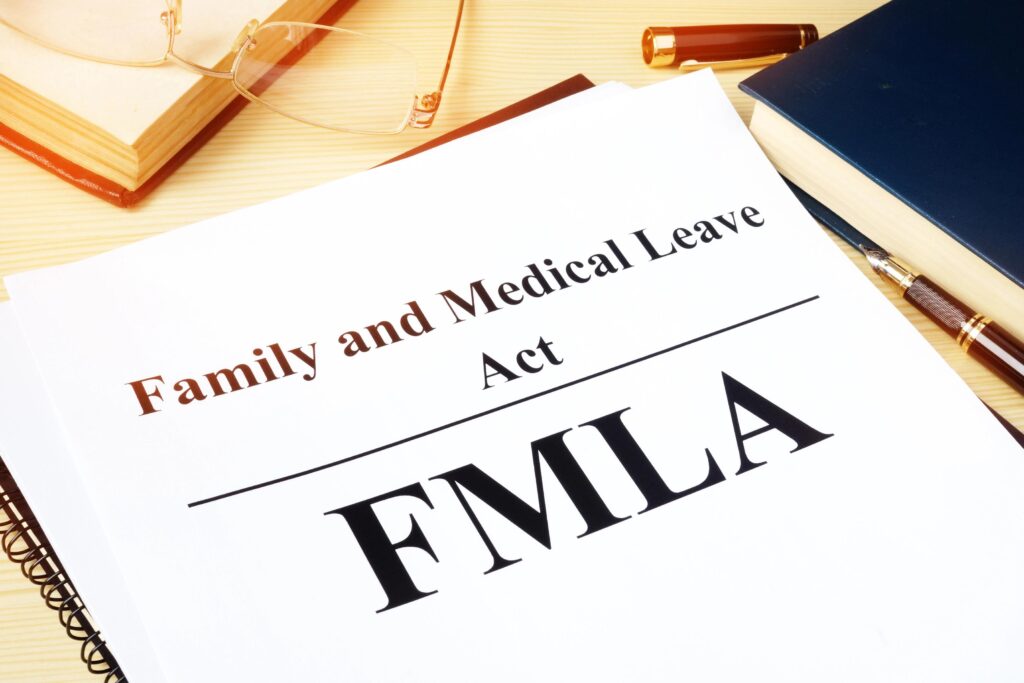
The Medical Leave Act is a federal law that allows eligible employees to take up to 12 weeks of unpaid, job-protected leave in a 12-month period for specific medical and family reasons. One of the most important protections under the law is that your employer must maintain your group health insurance benefits during the leave period under the same terms as if you were actively working. That means the leave is unpaid, but your job protection and health insurance benefits remain in place if you qualify.

The law is often discussed in broad terms, but the practical protections matter. FMLA can help preserve your position while you are in treatment, and if your leave is approved, your employer generally must restore you to the same job or an equivalent position when you return. This is one reason people use FMLA for addiction treatment, mental health treatment, or other serious health issues that require stepping away from work temporarily.

There are limits, though, and they matter too. FMLA does not guarantee paid leave. It does not erase prior disciplinary action for violations of company policies. It also does not protect substance-related job issues outside a treatment framework. For example, if an employee is terminated under company policy for failing a drug test before requesting medically necessary leave, the FMLA may not undo that action. But if a person is actively entering a treatment program for a qualifying medical reason, the FMLA protects the leave itself.

Table of Contents

Does Rehab Count as a Serious Health Condition?

For FMLA to apply, the employee must have a serious health condition that qualifies under the family medical leave act FMLA. Substance abuse can meet that standard when substance abuse treatment is medically necessary, whether in an inpatient setting or through continuing outpatient care under a licensed healthcare provider. In other words, a substance use disorder is recognized under family and medical leave when the need for care is documented, structured, and tied to a legitimate health condition requiring treatment.

This distinction matters more than most people realize. Family medical leave act FMLA leave does not cover absences caused by active substance use. It protects time away for seeking treatment. That means missing work due to intoxication would not qualify, but entering a treatment program, completing necessary documentation, and engaging in ongoing care for a serious health issue may be protected. When handled correctly, FMLA protects employees who are taking real steps toward recovery, not avoiding responsibility under company policies.

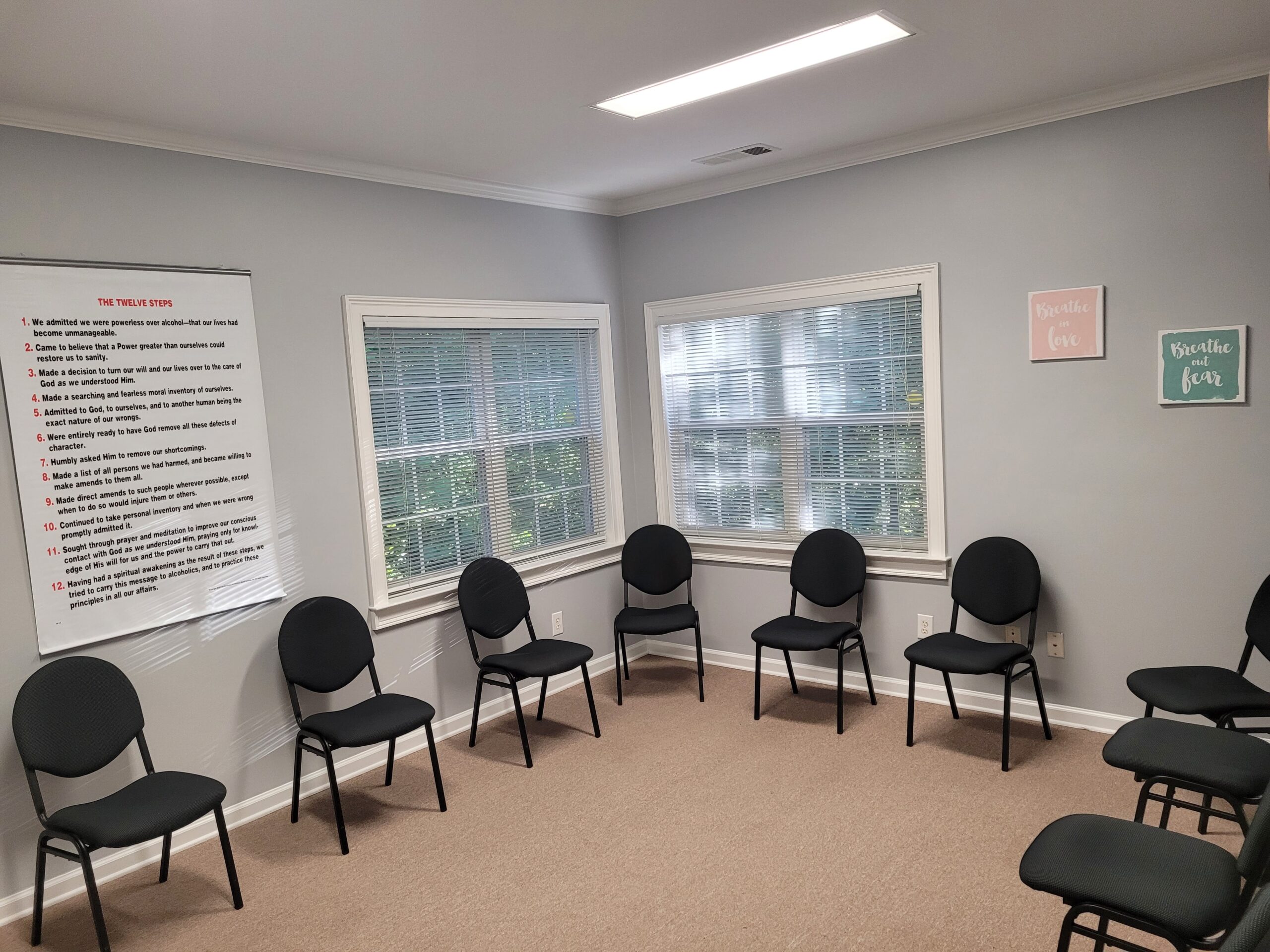
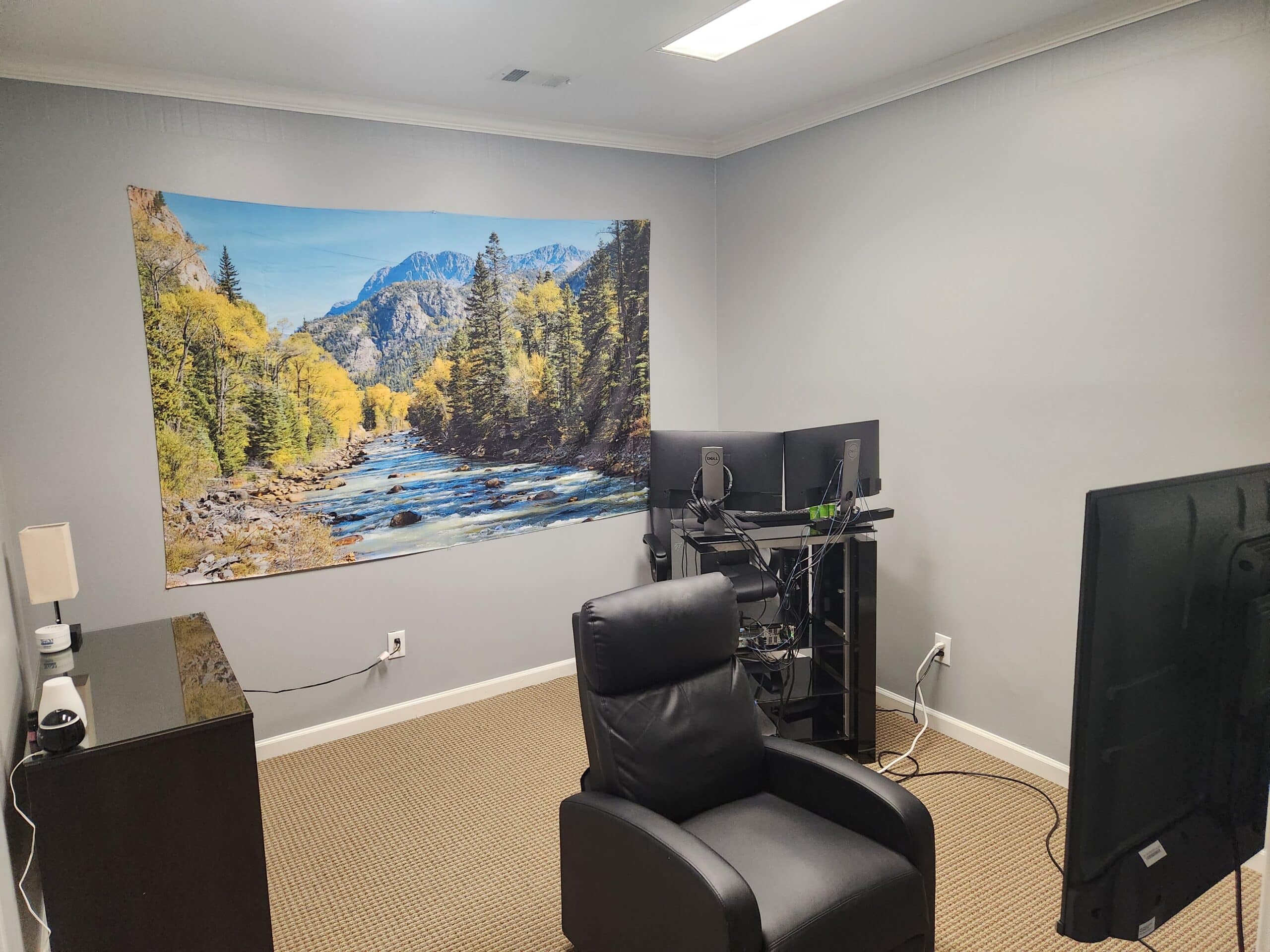
Check Out Our Facility in Atlanta, GA

Discover why our programs are top rated today. Talk with our admissions team about the right treatment plan to bring lasting recovery.

FMLA Eligibility Requirements for Rehab

Not every employee automatically qualifies for the Family and Medical Leave Act (FMLA), but many do once they understand the criteria. Under the medical leave act, eligibility depends on a few key factors tied to both the employer and the employee’s work history.

First, the employee must work for a covered employer, typically defined as a company with at least 50 employees within a 75-mile radius. Second, the employee must have been employed for at least 12 months, though the months need not be consecutive. Third, the employee must have worked at least 1,250 hours in the 12 months preceding the leave period. When these conditions are met, eligible employees may qualify for unpaid job-protected leave for a serious health condition, including substance abuse treatment or mental health treatment supported by a healthcare provider.

Verifying eligibility is often the first practical step in seeking treatment. For many people, the decision to enter a rehab program or begin a structured treatment plan depends on whether they can maintain health insurance benefits, protect their role, and step away without risking long-term stability. This is where speaking with an HR department or leave administrator can provide clarity on company policies, required FMLA paperwork, and what to expect during the leave period.

At Inner Voyage Recovery Center, these conversations are part of early planning. Understanding whether you qualify for FMLA for rehab helps shape realistic next steps, whether that means preparing for a higher level of care or building a flexible path forward that supports both recovery and job security.

What Kinds of Rehab Can Be Covered Under FMLA?

FMLA can apply to both inpatient and outpatient care as long as the treatment program is medically necessary and supported by proper documentation from a healthcare provider. This means that FMLA for rehab is not limited to a single level of care. It can support a range of addiction treatment options depending on the individual’s health condition.

Someone may use FMLA leave for:

The level of care depends on what is clinically appropriate, not just what is available. Some people begin with detox to safely manage withdrawal, while others may need a more structured environment to create distance from everyday stressors. As stability builds, treatment often shifts into more flexible options that support both recovery and a gradual return to daily responsibilities, all while maintaining job protection and continuity under FMLA.

Request A Confidential Call

Help is Here When You're Ready

If you or someone you love is struggling with substance use or other mental health issues, Inner Voyage Recovery can help. Request a callback below to receive care and support you can trust.

"*" indicates required fields

How to Request FMLA Leave for Rehab

Requesting FMLA leave can feel overwhelming, especially when you’re unsure how much to share. The key is finding the balance. You do not need to disclose every detail of your substance use disorder or mental health condition, but you do need to indicate that you require leave for a qualifying medical reason under the Medical Leave Act.

Most employees start by notifying their employer or HR department that they need time off for a serious health condition. From there, you will typically receive FMLA paperwork, including the Certification of Health Care Provider form (WH-380-E). This form must be completed by your healthcare provider and returned within a set timeframe, usually 15 days, to confirm the need for job-protected leave and outline the expected duration.

This process becomes much easier with the right support. A structured treatment program like Inner Voyage Recovery Center can help coordinate documentation, clarify next steps, and guide you through the leave request process, so you can focus on entering treatment rather than navigating paperwork alone.

What Medical Information Do You Have to Share

A common concern with FMLA leave is the amount of personal information you have to disclose. The answer is less than most people think. Employers only need enough medical information to determine whether your leave qualifies under the family and medical leave guidelines. You are not required to share full details about your substance use disorder, trauma history, or personal circumstances.

Your healthcare provider will complete the required certification, confirming that you have a qualifying serious health condition, that treatment for substance abuse is medically necessary, and outlining the expected duration of care. Beyond that, your information must be kept confidential and separate from standard personnel records.

This protection exists for a reason. FMLA protects your ability to seek treatment with privacy and dignity, so you can focus on your recovery journey without unnecessary exposure in the workplace.

Job Protection, Job Security, and What FMLA Does Not Do

One of the most important benefits of FMLA leave is job protection. If your leave qualifies, your employer generally cannot terminate you for taking it, and your health insurance benefits must continue under the same terms. When you return, you are entitled to the same role or an equivalent position with similar pay and conditions, reinforcing both job security and stability during treatment.

However, FMLA has limits. Requested leave does not override legitimate layoffs, disciplinary action, or violations of company policies that would have resulted in termination regardless of leave. It protects your right to seek care, not every employment outcome.

For those who qualify and follow the process, FMLA protects something critical. It creates space to pursue addiction treatment or mental health treatment without having to choose between recovery and your career.

Find A New Way Forward with Inner Voyage Recovery Center

Health Insurance Benefits During the Leave Period

A key benefit of FMLA leave is the continuation of health insurance benefits. Employers must maintain your coverage under the same terms as if you were still working, which is essential when entering addiction treatment that may include detox, therapy, medication, and ongoing care.

While FMLA does not guarantee paid leave or full coverage for a rehab program, it preserves your access to insurance during the leave period. This makes it easier to move through different levels of care without losing support.

At Inner Voyage Recovery Center, this continuity allows clients to begin with detox or residential treatment and transition into options like outpatient rehab Atlanta or virtual IOP programs, creating a more stable and realistic path through recovery.

FMLA and Mental Health Treatment Alongside Substance Abuse

For many people, FMLA leave is not just about substance abuse treatment. It also supports care for underlying mental health conditions like anxiety, depression, trauma, or panic that often exist alongside addiction. When these challenges meet the criteria of a serious health condition, they can qualify for protected leave under the family and medical leave framework.

This is especially important for individuals who need integrated, whole-person care. Treatment may include:

The goal is not to treat one issue in isolation, but to support long-term stability through a coordinated treatment plan. FMLA protects the ability to step into this level of care, recognizing that both addiction and mental health are valid, medically necessary reasons to seek help.

FAQ

Yes, FMLA can be used to seek addiction treatment or enter a drug rehab program when it is considered medically necessary. The leave must be tied to a qualifying health condition and supported by a healthcare provider. This allows an employee to seek substance abuse treatment without automatically risking his or her job, as long as the process is followed correctly.

In most cases, yes. FMLA leave provides job protection while you attend alcohol rehab or other forms of treatment for valid medical reasons. However, it does not override existing company policies related to performance or prior disciplinary action. It protects the leave itself, not every employment situation.

FMLA can cover a full range of support services tied to recovery. This may include individual therapy, group therapy, and continuing care after a primary drug rehab program. These services are often part of a structured plan designed to support long-term recovery in a supportive environment.

In some cases, yes. If an employee is not completely unable to work, they may use intermittent or reduced schedule leave while attending continuing treatment. This allows individuals to balance job performance with ongoing care, depending on what the treatment plan and healthcare provider recommend.

Not always. An Employee Assistance Program may offer short-term counseling or referrals, but it does not replace FMLA leave. Many employers provide both options. FMLA is used when an employee is unable to work due to a qualifying condition and needs unpaid leave, while EAP services can supplement care or help initiate the process.

Contact Inner Voyage Recovery Center

Taking time away from work for treatment is a major decision, and the fear of losing your job can make it feel even heavier. But understanding FMLA for rehab can change that equation. Federal protections exist to help keep your job secure and your health benefits active while you step into care. Choosing recovery is not stepping away from your life. It is protecting it.

At Inner Voyage Recovery Center, we help you navigate both the paperwork and the deeper work that comes with lasting change. From verifying insurance to building a personalized treatment plan, our team is here to guide you through each step. If you are ready to explore your options, reach out for a confidential conversation. Call us at (470) 460-8437 or contact us today to begin mapping out your path forward.

If you’re looking for more information, connect with our team by phone, email, or through our online form. We’re here to answer your questions, talk through your options, and support you as you begin your path toward lasting recovery.

Free & Easy Insurance Check

Alliant logo featuring a small black triangle followed by "Alliant" in bold black italic text.

Recovery Starts Here

"*" indicates required fields

This field is for validation purposes and should be left unchanged.
Preferred Method*
Get Treatment For All Your Healthcare Needs

Other Treatment Programs

Request A Confidential Call

Request a call and an Inner Voyage Recovery Center team member will be in touch.

"*" indicates required fields