Request a call to speak with an admissions specialist. We are here to help you.

"*" indicates required fields

Ketamine Addiction Treatment and Recovery

Ketamine use can be difficult to talk about because it does not always begin the way people expect addiction to begin. For some, it starts in nightlife or social settings. For others, it is tied to depression, emotional pain, or a need for relief that slowly becomes harder to manage without it. What begins as a way to disconnect or feel lighter can gradually shift into something mo re consuming, where ketamine use becomes a way to regulate mood, avoid distress, or create distance from thoughts that feel overwhelming. That shift is important to recognize. When ketamine becomes less about occasional use and more about dependence, cravings, or emotional survival, it may be time to consider ketamine addiction treatment. At Inner Voyage Recovery Center, care is built around understanding the full picture, not just the substance itself. Treatment focuses on helping you reconnect with your mental and emotional health, address underlying challenges, and begin a recovery process that feels stable, supported, and sustainable.

Free Insurance Check

Free & Confidential | HIPAA Compliant | No Obligation

"*" indicates required fields

1
2
3
4
This field is for validation purposes and should be left unchanged.
Ketamine addiction treatment may require professional help treatment options with an addiction recovery program.

What Is Ketamine?

Ketamine is a dissociative anesthetic originally developed for medical use. In a clinical setting, it is administered at sub-anesthetic doses, often through intravenous infusions or as a nasal spray, under close supervision by medical and mental health professionals. It has legitimate uses in anesthesia and, in certain settings, may be considered in carefully controlled treatment for depression. Outside a controlled environment, though, ketamine carries real misuse potential.

The drug’s appeal often comes from its dissociative effects. Ketamine can make a person feel detached from their body, surroundings, or emotional pain. For someone who is overwhelmed, depressed, anxious, or carrying unresolved trauma, that detachment can feel like relief. Over time, however, that same sense of escape can become part of a vicious cycle. The person may start returning to ketamine not just for the experience itself, but for the distance it creates from daily life.

Frequent ketamine use often leads to cravings and increased tolerance. A person may need higher doses to produce the same effects. The psychological pull can become strong, especially if the drug has become tied to self-medication, isolation, or relief from co-occurring disorders. Ketamine addiction is often more psychological than physically dramatic at first, but that does not make it less serious. Dependence can still deepen quickly, particularly when the person begins organizing their mood, coping, and routines around the substance.

Table of Contents

The Effects of Ketamine on Physical and Mental Health

Ketamine affects both physical and mental health in ways that can become increasingly disruptive over time. In the short term, the effects may feel unpredictable or disorienting, especially as dosage increases or use becomes more frequent.

Short-term effects of ketamine use may include:

  • Dissociation or feeling detached from reality
  • Dizziness, nausea, or blurred vision
  • Increased blood pressure
  • Confusion or impaired awareness
  • Intense hallucinations or entering a “K-hole”
  • Panic, poor judgment, or risk of accidental injury

At higher doses, these experiences can become overwhelming and even dangerous, especially without medical supervision.

There is also a strong connection to mental health. Many people turn to ketamine to cope with anxiety, depression, or trauma, but over time, it can deepen those same struggles. What once felt like relief can evolve into a pattern of isolation, emotional volatility, and worsening depressive symptoms, making integrated addiction treatment an important part of recovery.

Withdrawal symptoms may be severe, and if you are caring for you or a loved one, the first step will be discussing treatment options with an addiction center like Inner Voyage.

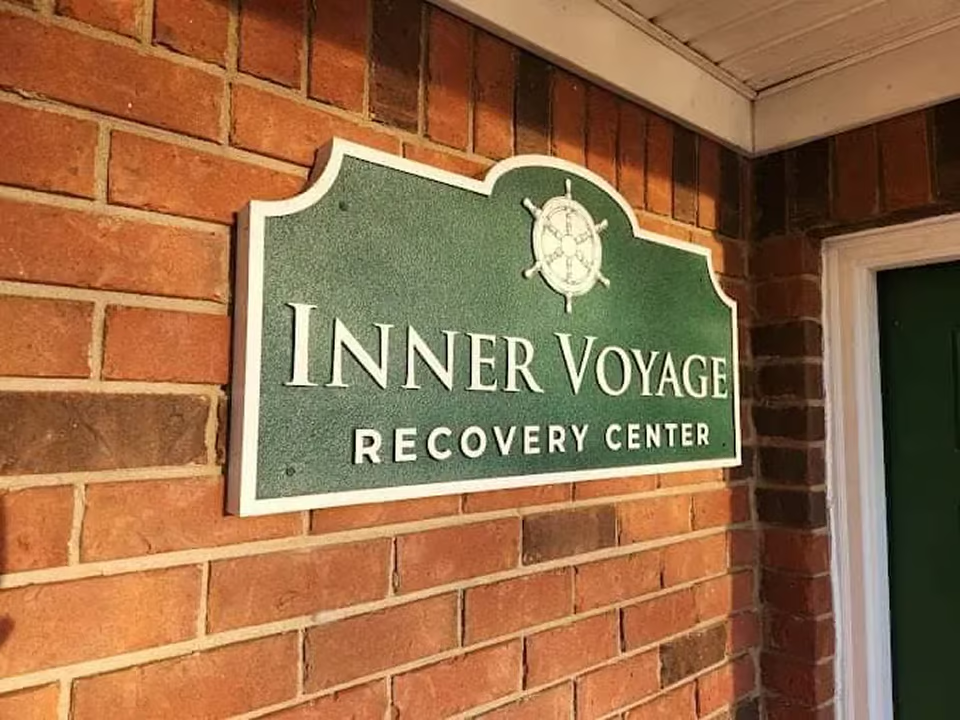
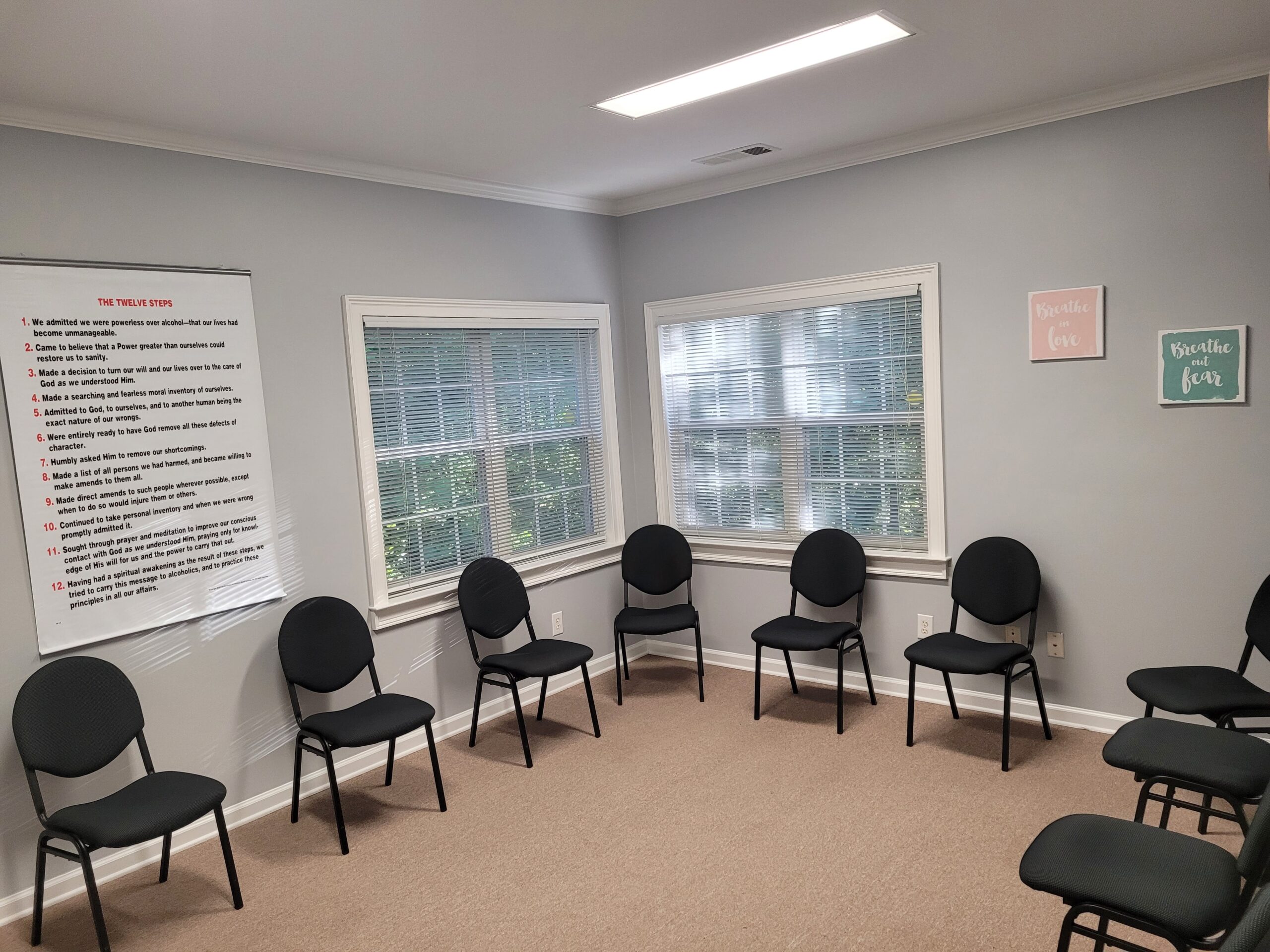
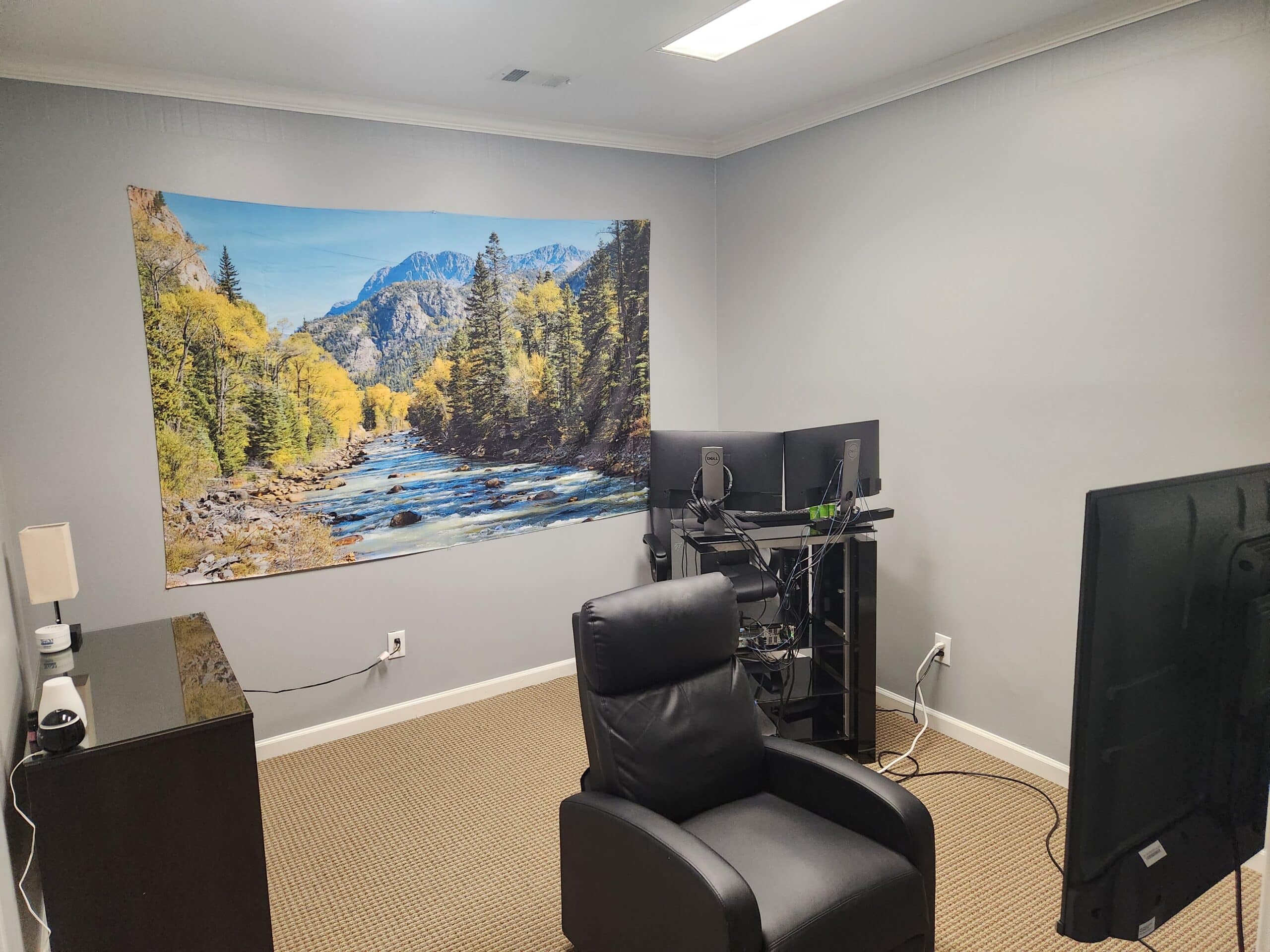
Check Out Our Facility in Atlanta, GA

Discover why our programs are top rated today. Talk with our admissions team about the right treatment plan to bring lasting recovery.

Signs of Ketamine Addiction

The signs of ketamine addiction do not always look the same from one person to another, but certain patterns are common. Some signs are behavioral. Others are emotional or physical. The larger concern is whether the drug has started to shape daily life in ways that feel hard to control.

Common signs of problematic ketamine use may include:

  • Intense cravings or preoccupation with using
  • Secrecy about drug use
  • Needing higher doses to get the same effects
  • Withdrawal from social activities or loved ones
  • Mood swings, irritability, or emotional distance
  • Using ketamine despite negative consequences
  • Difficulty keeping up with work, school, or personal responsibilities
  • Continuing ketamine use even when physical or mental health is getting worse

Some people also begin to build routines around ketamine, keeping it nearby, planning around when they can use it, or using it to get through specific emotional states. Others feel caught between wanting to stop and not knowing how to function without it. Those are often signs that professional treatment may be needed.

Withdrawal Symptoms and Why Detox Is a Vital Step

At Inner Voyage Recovery Center, early recovery is approached with the understanding that stopping ketamine use is only part of the process. What happens immediately after is often what determines whether someone can stabilize and move forward. That is why beginning with detox Atlanta is often the most appropriate first step when someone is actively struggling with ketamine addiction.

The detoxification process allows the body to clear ketamine while providing support for withdrawal symptoms, which can vary based on the frequency, duration, and intensity of use. While ketamine withdrawal is typically more psychological than physically dangerous compared to substances like alcohol or benzodiazepines, it can still be deeply challenging. Many individuals experience intense cravings, anxiety, emotional distress, low mood, sleep disruption, agitation, and a lingering sense of emptiness or disconnection.

This early stage can feel disorienting. Without support, it becomes difficult to manage both the mental and emotional impact of withdrawal while also trying to avoid returning to use. A medically supervised detox creates a more stable transition by offering structure, monitoring, and clinical care during this vulnerable phase.

If you or a loved one is dealing with deug use or addiction, rehab offers a space to work through addiction to ketamine, alcohol, cocaine, or other drug use in a safe space.

Inpatient Treatment and Outpatient Treatment Options

After detox, the next question is what kind of treatment environment will provide the right level of support. Not everyone needs the same setting, and not everyone enters recovery from the same place. At Inner Voyage Recovery Center, this decision is approached thoughtfully, helping each client move into the level of care that best supports their stability, safety, and long-term recovery.

Inpatient Treatment

For some individuals, inpatient treatment offers the strongest beginning. This level of care provides 24/7 support within a structured, substance-free environment, allowing clients to fully focus on recovery without outside distractions. It is often recommended for those experiencing severe dependence, higher relapse risk, unstable living conditions, or co-occurring mental health concerns that require close monitoring. At Inner Voyage, this level of care is represented by inpatient alcohol rehab Atlanta, where clients are supported through a more immersive and consistent healing process.

Partial Hospitalization Program (PHP)

For those who need a high level of support without overnight care, a partial hospitalization program Atlanta can be a strong option. PHP offers intensive, structured treatment during the day while allowing clients to return home in the evening. At Inner Voyage, this level of care helps bridge the gap between inpatient and outpatient treatment, offering both structure and flexibility as clients begin to rebuild their routines.

Intensive Outpatient Program (IOP)

An Atlanta IOP (intensive outpatient program) provides flexibility while maintaining consistent therapeutic support. Clients attend therapy several times per week while beginning to re-engage with daily life, including work, school, or family responsibilities. Inner Voyage uses IOP as a way to help clients stay connected to treatment while gradually stepping back into everyday life with support still in place.

Outpatient Rehab

Outpatient rehab Atlanta is often part of a longer-term recovery plan. It allows individuals to continue therapy and support at a lower intensity while building stability in their daily routines. At Inner Voyage, outpatient care helps reinforce progress, maintain accountability, and provide ongoing guidance as clients continue forward in their recovery.

The value of these different treatment options for ketamine misuse is that they allow care to adapt to the person’s needs, creating a more sustainable and supportive recovery process without forcing a one-size-fits-all approach.

Request A Confidential Call

Help is Here When You're Ready

If you or someone you love is struggling with substance use or other mental health issues, Inner Voyage Recovery can help. Request a callback below to receive care and support you can trust.

"*" indicates required fields

Ketamine Addiction Treatment and Co-Occurring Mental Health

A meaningful ketamine addiction treatment plan should never assume the substance is the only issue. For many people, ketamine misuse is closely tied to depression, anxiety, trauma, or other mental health concerns that remain active beneath the surface. If those challenges are not addressed, it becomes much harder to maintain progress after detox, and the pull toward substance use can return quickly.

Dual Diagnosis Treatment in Georgia

This is why dual diagnosis treatment centers Georgia play such an important role in recovery. At Inner Voyage Recovery Center, integrated care allows clients to work through ketamine dependence while also receiving support for underlying mental health conditions. Treating both at the same time creates a more stable foundation, helping reduce relapse risk and supporting long-term healing.

Psychiatry and Clinical Support in Atlanta

process. Inner Voyage offers access to psychiatry Atlanta, where clients can receive psychiatric evaluation, medication management, and ongoing guidance as part of a comprehensive treatment plan. When addiction specialists and mental health professionals work together, care becomes more cohesive and effective.

Individual Therapy, Group Therapy, and Therapeutic Support

Recovery from ketamine addiction requires more than structure alone. It involves understanding why the substance became necessary and building new ways to cope, respond, and move through daily life without it.

Individual Therapy in Atlanta

At Inner Voyage, individual therapy Atlanta provides a safe, private space to explore the deeper layers of substance use. Clients work through trauma, anxiety, depression, and self-medication patterns while developing healthier coping mechanisms that support long-term recovery.

Group Therapy in Atlanta

Group therapy Atlanta offers a different kind of support. In a shared setting, clients connect with others facing similar challenges, reducing isolation and building a sense of accountability. These sessions often become a powerful part of the recovery journey, helping individuals feel understood while practicing new skills in real time.

Evidence-Based Therapy Approaches

Inner Voyage incorporates evidence-based approaches such as cognitive behavioral therapy (CBT Atlanta) and motivational interviewing into each personalized treatment plan. These methods help clients manage cravings, shift thought patterns, and develop healthier coping mechanisms that support lasting change.

Experience the Inner Voyage Difference

How can our Atlanta Ketamine Addiction Rehab help you?

New Skills

Learn to manage stress with mindfulness, breathing, exercise, and more.

Stability

Get help building a routine that works for your life and recovery.

Caring Staff

Our alumni love us, and you will too. We have 67 five-star reviews (and growing).

Insurance Accepted


We accept major insurance carriers. And if you’re inclined, we have self-pay and other options. Just ask our admissions staff!

Veteran Support

You’ll benefit from our staff’s specialized trainings and support for veterans. We understand what you’ve experienced, and can help you process it for good and leave it in the past.

Trauma-Informed and Holistic Therapy in Addiction Recovery

At Inner Voyage Recovery Center, treatment goes beyond symptom control. Recovery is not only about stopping ketamine use. It is about helping each person reconnect with themselves, regulate stress more effectively, and build a life that no longer depends on escape.

Trauma Therapy in Atlanta

For many individuals, ketamine use is connected to deeper emotional experiences such as trauma, grief, or anxiety. That is where trauma therapy Atlanta becomes an important part of the healing process. At Inner Voyage, trauma-informed care creates a safe space to explore these experiences at a pace that feels manageable, without pressure or forced disclosure. Over time, clients begin to understand how disconnection developed and how to move toward a more grounded sense of self.

Holistic Therapy in Atlanta

Healing also involves the body, not just the mind. Through holistic therapy Atlanta, clients are supported in reconnecting with physical and emotional awareness in a more balanced way. This may include mindfulness practices, grounding techniques, and experiential therapies that help regulate the nervous system and reduce the need for avoidance or dissociation.

Experiential and EMDR Therapy in Georgia

Inner Voyage also incorporates approaches like experiential therapy Georgia and EMDR therapy Atlanta, which can help process trauma and emotional distress more directly. These therapies allow clients to work through underlying experiences that may be contributing to substance use, supporting a deeper and more lasting recovery process.

This level of care matters because recovery is not just about abstinence. It is about learning to feel, cope, and function in everyday life without disconnecting.

Addiction support is available. Contact our rehab center to learn more.

Your Path to Recovery Made Simple

How to Begin Your Recovery Journey

We know beginning treatment can feel intimidating, so we’ve made the process simple and stress-free.

1

Get in touch
with us

Call or complete our contact form to connect with an admissions specialist who takes the time to listen and understand your situation.

2

Complete an assessment
& insurance review

Our team will review your history, discuss your needs, and confirm insurance coverage or explore self-pay options to make things easy.
3

Start your
treatment

Begin a personalized program built around your goals, supported by evidence-based care and a compassionate clinical team.

The Best Ketamine Rehab in Atlanta

How can our friendly staff help you?

Depth

The best way to achieve lasting recovery is deep healing. We guide you to what needs to be healed, and help you through it.

Support

We’re your partner and guide, every step of the way. With that level of support, recovery is more likely.

Strength

There is strength in your journey. You’ve gotten this far. Now let’s take it all the way. We rely on your strengths as much as ours.

Accountability

Call it accountability, “tough love,” or whatever you like: We hold you to a higher standard. We see your potential and help you realize it.

Aftercare

No recovery is complete without aftercare planning and support. Our Alumni program helps you stick to sobriety for good.

Flexibility

Join our PHP and get support that fits your schedule. We specialize in helping busy adults get the support they need.
Find A New Way Forward with Inner Voyage Recovery Center

FAQ

Relapse prevention is a core part of recovery from ketamine addiction because it helps individuals recognize triggers, manage stress, and respond differently to urges tied to substance use. Many people return to drug abuse not because they lack motivation, but because underlying patterns and environments have not changed. Effective relapse prevention focuses on building awareness, strengthening coping strategies, and creating structure that supports long-term stability.

Support groups and peer support play a powerful role in recovery efforts by reducing isolation and creating a sense of shared understanding. Connecting with others who have experienced ketamine dependence or other drugs like cocaine can help individuals feel less alone and more accountable. These environments provide encouragement, perspective, and real-life insight that often cannot be replicated in isolation.

Inpatient rehab may be appropriate when ketamine addiction has significantly impacted daily functioning, mental health, or safety. An addiction center offering residential care can provide structure, supervision, and focused treatment for individuals who need a more immersive environment. This level of care is often recommended when recreational use has escalated into dependence or when outpatient options are not enough to support stability.

There are several common reasons why ketamine dependence develops, often tied to emotional and psychological factors. Many individuals use ketamine to cope with stress, trauma, or other underlying root causes related to mental health or life circumstances. Over time, the brain begins to associate the substance with relief, making it harder to stop without support. This pattern is similar across many forms of substance use disorder, even when the substance itself differs.

Ongoing support is essential for helping each patient stay connected to their recovery goals after initial treatment ends. Recovery is not a one-time event. It evolves over time and must adapt to each person’s individual needs. Continued care, whether through therapy, support groups, or structured follow-up, helps reinforce progress and reduce the risk of returning to drug abuse or other drugs. Seeking professional guidance during this phase ensures that recovery remains active, supported, and sustainable.

Inner Voyage Recovery Center’s Top Values

Every treatment will be uniquely tailored to you, because you’re unique.

Sober Living

Our team is 100% sober, including from Alcohol. We help our clients achieve sobriety and stick to it through thick and thin, because sobriety is the foundation of a fulfilling life.

Integrity

Our team is 100% sober, including from Alcohol. We help our clients achieve sobriety and stick to it through thick and thin, because sobriety is the foundation of a fulfilling life.

Everyone Belongs

Our team is 100% sober, including from Alcohol. We help our clients achieve sobriety and stick to it through thick and thin, because sobriety is the foundation of a fulfilling life.

Limitless Potential

Our team is 100% sober, including from Alcohol. We help our clients achieve sobriety and stick to it through thick and thin, because sobriety is the foundation of a fulfilling life.

Beginning Ketamine Addiction Treatment at Inner Voyage

Ketamine use can become difficult to recognize as a problem until it begins affecting mood, daily life, and the ability to function without it. By the time many people reach out, they are not just trying to stop using a substance. They are trying to understand how it became necessary in the first place and how to move forward without losing their sense of stability. At Inner Voyage Recovery Center, ketamine addiction treatment is designed around that reality, offering a structured, supportive path that meets each person where they are and helps them build something more sustainable.

Recovery takes time, and it does not have to happen alone. If you or someone you care about is struggling, you can call (470) 460-8437 to speak confidentially with our team or reach out through our online contact form to get started. You can also find Inner Voyage Recovery Center on Google to learn more about our programs and hear from others who have taken this step. Support is here when you are ready to begin.

If you’re looking for more information, connect with our team by phone, email, or through our online form. We’re here to answer your questions, talk through your options, and support you as you begin your path toward lasting recovery.

Sources

National Center for Biotechnology Information. (January 30, 2024). Ketamine. StatPearls.

U.S. Drug Enforcement Administration. Drug fact sheet: Ketamine. U.S. Department of Justice.

National Center for Biotechnology Information. (April 15, 2022). Ketamine treatment for depression: a review. National Institutes of Health.

Harvard University. (May 31, 2023). How ketamine affects three key regions of brain. Harvard Gazette.

National Library of Medicine. (March 3, 2025). Neurobiological mechanisms of ketamine use, its addiction, and comorbidity. PubMed.

National Center for Biotechnology Information. Psychological effects of ketamine in healthy volunteers. National Institutes of Health.

National Center for Biotechnology Information. (September 21, 2021). Test-retest reliability and cross-cultural applicability of DSM-5 opioid and other hallucinogen use disorder diagnostic algorithms. National Institutes of Health.

National Center for Biotechnology Information. (June 26, 2024). The pharmacological management of ketamine use disorder: a systematic review. National Institutes of Health.

National Center for Biotechnology Information. (December 2, 2019). Effectiveness of inpatient versus outpatient complex treatment programs in early intervention for patients with borderline personality disorder. National Institutes of Health.

National Library of Medicine. (January 27, 2005). Variations in and factors influencing family members’ decisions for palliative home care. PubMed.

National Center for Biotechnology Information. (September 27, 2023). Study protocol: implementing and evaluating a trauma-informed care model in a youth residential substance use treatment service. National Institutes of Health.

University of San Francisco. Trauma-informed treatment for alcohol use disorder. University of San Francisco.

National Center for Biotechnology Information. (May 11, 2017). Cognitive behavior therapy may sustain antidepressant effects of intravenous ketamine in treatment-resistant depression. National Institutes of Health.

National Center for Biotechnology Information. (May 24, 2024). Enhancing substance use disorder recovery through integrated mental health services: a qualitative exploration of lived experiences. National Institutes of Health.

Substance Abuse and Mental Health Services Administration. (June 9, 2023). National helpline for mental health, drug, alcohol issues. U.S. Department of Health and Human Services.

Columbia University Irving Medical Center. (December 5, 2019). Single dose of ketamine plus talk therapy may reduce alcohol use. Columbia University.

National Center for Biotechnology Information. (July 24, 2018). Efficacy of ketamine in the treatment of substance use disorders: a systematic review. National Institutes of Health.

National Center for Biotechnology Information. (September 29, 2016). Benefits of peer support groups in the treatment of addiction. National Institutes of Health.

Emory University. (October 27, 2022). Addiction alliance of georgia opens new treatment center in atlanta. Emory University.

National Center for Biotechnology Information. (March 28, 2023). Utilizing a national wastewater monitoring program to address the opioid epidemic. National Institutes of Health.

Free & Easy Insurance Check

Alliant logo featuring a small black triangle followed by "Alliant" in bold black italic text.

Recovery Starts Here

"*" indicates required fields

This field is for validation purposes and should be left unchanged.
Preferred Method*
Get Treatment For All Your Healthcare Needs

Other What We Treat

Request A Confidential Call

Request a call and an Inner Voyage Recovery Center team member will be in touch.

"*" indicates required fields