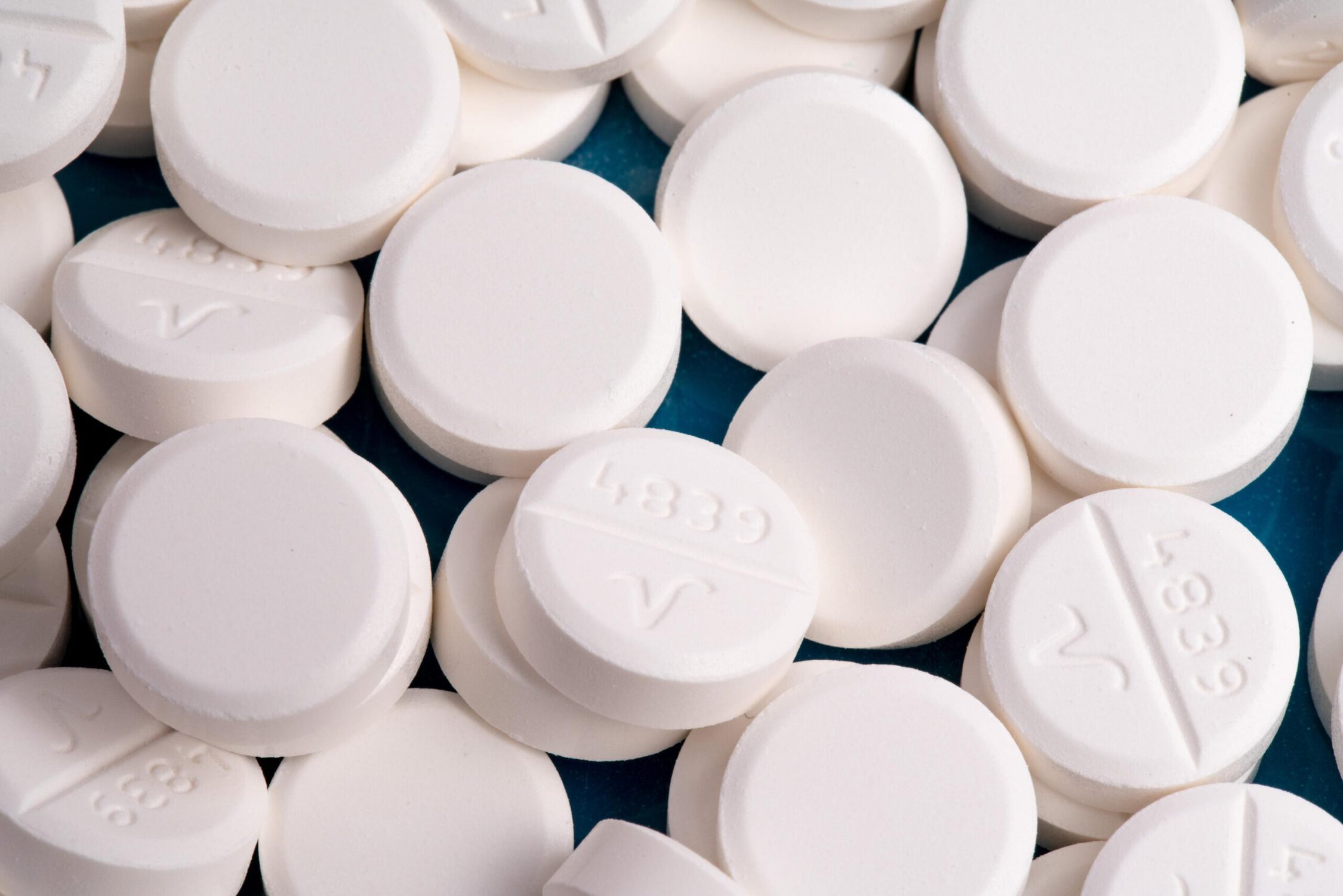
Stopping oxycodone triggers a powerful physiological reaction known as withdrawal. Because the brain has adapted to the drug, sudden removal causes the nervous system to misfire. This leads to intense physical and psychological opioid withdrawal symptoms. You might experience severe muscle aches, sweating, nausea, and racing anxiety.
The timeline for withdrawal depends on how long you used the medication and your dosage. Short-acting forms of the drug clear the body quickly, bringing on symptoms fast. Extended-release versions might delay the worst symptoms by a day or two. Either way, the acute physical phase usually subsides within a week to ten days.
| Withdrawal Phase |
Time Since Last Dose |
Common Symptoms |
Medical Support Needed |
| Early Phase |
8 to 24 hours |
Anxiety, sweating, muscle aches, insomnia |
Vital sign monitoring, comfort medications |
| Peak Phase |
2 to 5 days |
Nausea, vomiting, diarrhea, intense cravings |
Hydration support, medication-assisted treatment |
| Late Phase |
1 to 2 weeks |
Lingering fatigue, mood swings, mild anxiety |
Counseling, sleep aids, transition to therapy |
The symptoms of oxycodone withdrawal fall into two overlapping categories. Physical symptoms often include chills, yawning, a runny nose, dilated pupils, stomach cramps, and a racing heartbeat. Psychological symptoms can be just as draining, with restlessness, depression, and overwhelming anxiety making each hour feel longer than the last. The intensity depends on your dosage, how long you used the drug, and your overall health. This is exactly why a personalized, medically guided plan matters so much during the earliest and most fragile days of recovery.
The acute phase is only part of the story. Many people also experience post-acute withdrawal syndrome, or PAWS, in the weeks and months that follow. PAWS brings lingering low mood, disrupted sleep, irritability, and sudden waves of craving long after the physical symptoms fade. These symptoms are not a sign of failure. They reflect a brain still recalibrating its dopamine and stress systems after long-term opioid use. Having clinical support to manage this stretch is often what separates a lasting recovery from an early relapse.
Attempting to detox from oxycodone at home is highly dangerous and rarely successful. Without medical supervision, the physical pain and mental distress often become unbearable. This suffering frequently leads to a rapid relapse. Relapsing after a few days of detox is especially risky because your tolerance has already dropped. Taking your usual dose at this stage can easily cause a fatal overdose.
A professional detox in Atlanta program keeps you safe and comfortable. Medical staff monitor your vital signs around the clock to prevent severe dehydration. They also provide targeted medications to calm your nervous system and reduce pain. This level of care turns a terrifying ordeal into a manageable first step toward recovery.