Request a call to speak with an admissions specialist. We are here to help you.

"*" indicates required fields

Compassionate Meth Addiction Treatment in Georgia

Meth use can change a person’s life quickly. What may begin as experimentation, a way to stay awake, or an attempt to push through emotional pain can become a pattern that affects physical health, mental clarity, relationships, and a person’s sense of stability. Over time, methamphetamine addiction can wear down the body, disrupt the central nervous system, and make it harder to feel motivation, pleasure, or rest without the drug. That shift is not always obvious at first, but it becomes harder to ignore as daily life starts revolving around the substance. For many people, reaching out for drug rehab Atlanta is not about a single moment of crisis. It is about recognizing that something deeper needs support. That is part of what makes recovery feel so difficult at first. Many people are not only facing substance use. They are also dealing with exhaustion, anxiety, depression, trauma, cravings, and the emotional impact meth has had on their life. Effective meth addiction treatment Atlanta programs need to account for all of that. Recovery is not only about stopping drug use. It is about helping the body stabilize, helping the mind heal, and building a path forward that feels realistic and sustainable. At Inner Voyage Recovery Center, treatment begins with that broader understanding, creating space for both immediate support and long-term healing without overwhelming the process.

Free Insurance Check

Free & Confidential | HIPAA Compliant | No Obligation

"*" indicates required fields

1
2
3
4
This field is for validation purposes and should be left unchanged.
Meth addiction treatment Atlanta at Inner Voyage treatment facility can help those looking for medical detox, meth treatment and meth users twith a qualified treatment facility.

The Neurological Impact of Meth Addiction

Meth addiction affects far more than mood or energy. Methamphetamine acts directly on the brain’s reward system and the central nervous system, leading to a sharp increase in dopamine and other neurotransmitters. That immediate surge can create euphoria, confidence, alertness, and a false sense of control. Over time, though, repeated meth use can damage the systems that regulate pleasure, motivation, sleep, attention, and emotional stability.

That is one reason meth addiction today often involves more than a strong urge to keep using. Many people also experience a diminished ability to feel normal without the drug. This can show up as emotional flatness, low motivation, depression, irritability, or anhedonia, which is the reduced ability to experience pleasure. People may feel exhausted but unable to sleep, deeply restless but emotionally numb, or highly reactive to stress and unable to calm down. These changes are not a sign of weakness. They are part of how methamphetamine dependence affects the brain and body over time.

As use continues, other physical symptoms often become more visible. These may include severe weight loss, neglect of basic health, sleep deprivation, gum disease, skin problems, and a general decline in physical functioning. The body may feel constantly overworked and undernourished. Even when a person wants to quit meth, the withdrawal process and psychiatric symptoms can make that first step feel daunting without professional treatment.

Table of Contents

Signs of Meth Abuse and Methamphetamine Addiction

Recognizing meth abuse early can help people access care before the impact becomes even more severe. For some, the signs appear gradually. For others, changes are rapid and hard to miss. Methamphetamine addiction often includes a combination of behavioral, emotional, and physical symptoms.

Common signs may include:

  • Staying awake for long periods and then crashing
  • Intense mood swings or irritability
  • Suspicion, insomnia, paranoia, or hallucinations
  • Withdrawal from family or support systems
  • Severe weight loss or poor self-care
  • Obsessive focus on obtaining or using the drug
  • Continuing meth use despite negative consequences at work, home, or in relationships

Some meth users also begin neglecting responsibilities, taking more risks, or isolating from people who once mattered to them. Others may experience overwhelming shame about the way their substance use has changed their life. Whether the signs are subtle or severe, the pattern matters. A chronic disorder like meth addiction rarely improves through pressure alone. It usually requires a structured and compassionate response.

Meth addiction treatment learns how to address methamphetamine withdrawal through targeted therapy to support you when you quit meth.

Meth addiction treatment learns how to address methamphetamine withdrawal through targeted therapy to support you when you quit meth.

Common Meth Withdrawal Symptoms and Why Medical Detox Matters

For many people, the fear of meth withdrawal is one of the biggest barriers to seeking addiction treatment. That fear is valid. Methamphetamine withdrawal can be physically draining and emotionally intense, especially when the brain is adjusting after prolonged stimulant use. Without support, the withdrawal process can feel overwhelming enough to keep someone stuck in the cycle of use.

Common Meth Withdrawal Symptoms

Meth withdrawal symptoms can affect both the body and mind. While the experience varies, many people report:

  • Extreme fatigue and lack of energy
  • Depression and low mood
  • Anxiety and agitation
  • Intense meth cravings
  • Sleep disruption or insomnia
  • Increased appetite
  • Difficulty concentrating
  • Paranoia or hallucinations in more severe cases

In some situations, individuals may also experience severe mood swings or suicidal thinking, which is why professional care is strongly recommended during this stage.

Timeline of Meth Withdrawal

The detox process does not happen all at once. It typically follows a general pattern:

  • First 24–72 hours: Crash phase with exhaustion, sleep, and emotional lows
  • First week: Peak withdrawal symptoms, including cravings, mood instability, and agitation
  • Weeks following: Lingering symptoms such as low motivation, sleep issues, and emotional sensitivity

Even after the most intense phase passes, the brain and body need time to stabilize. This is why recovery does not end after detox. It begins there.

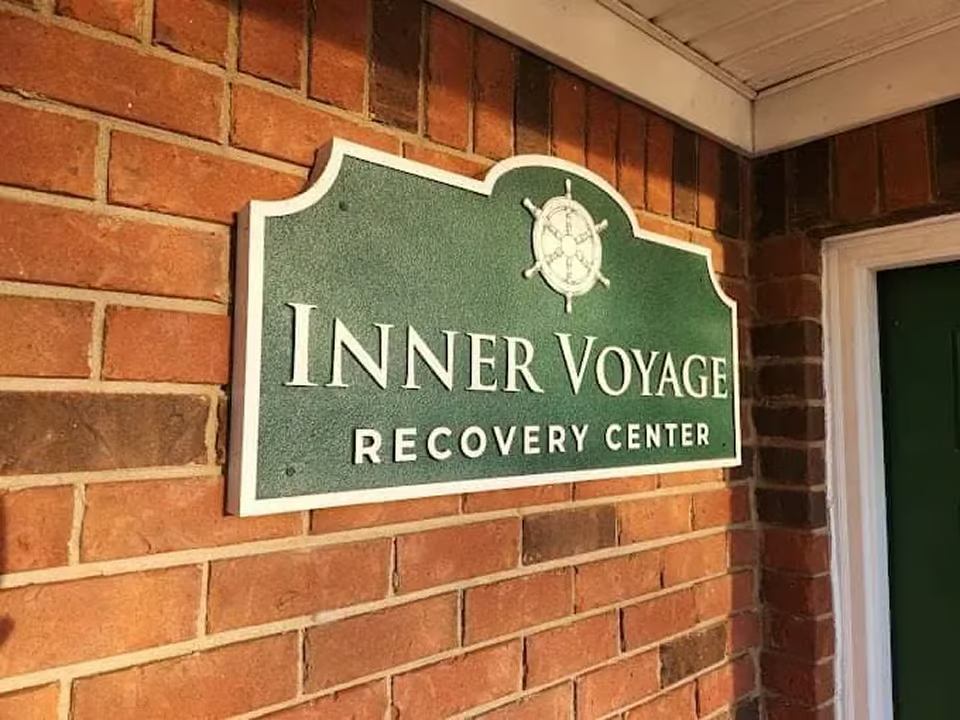
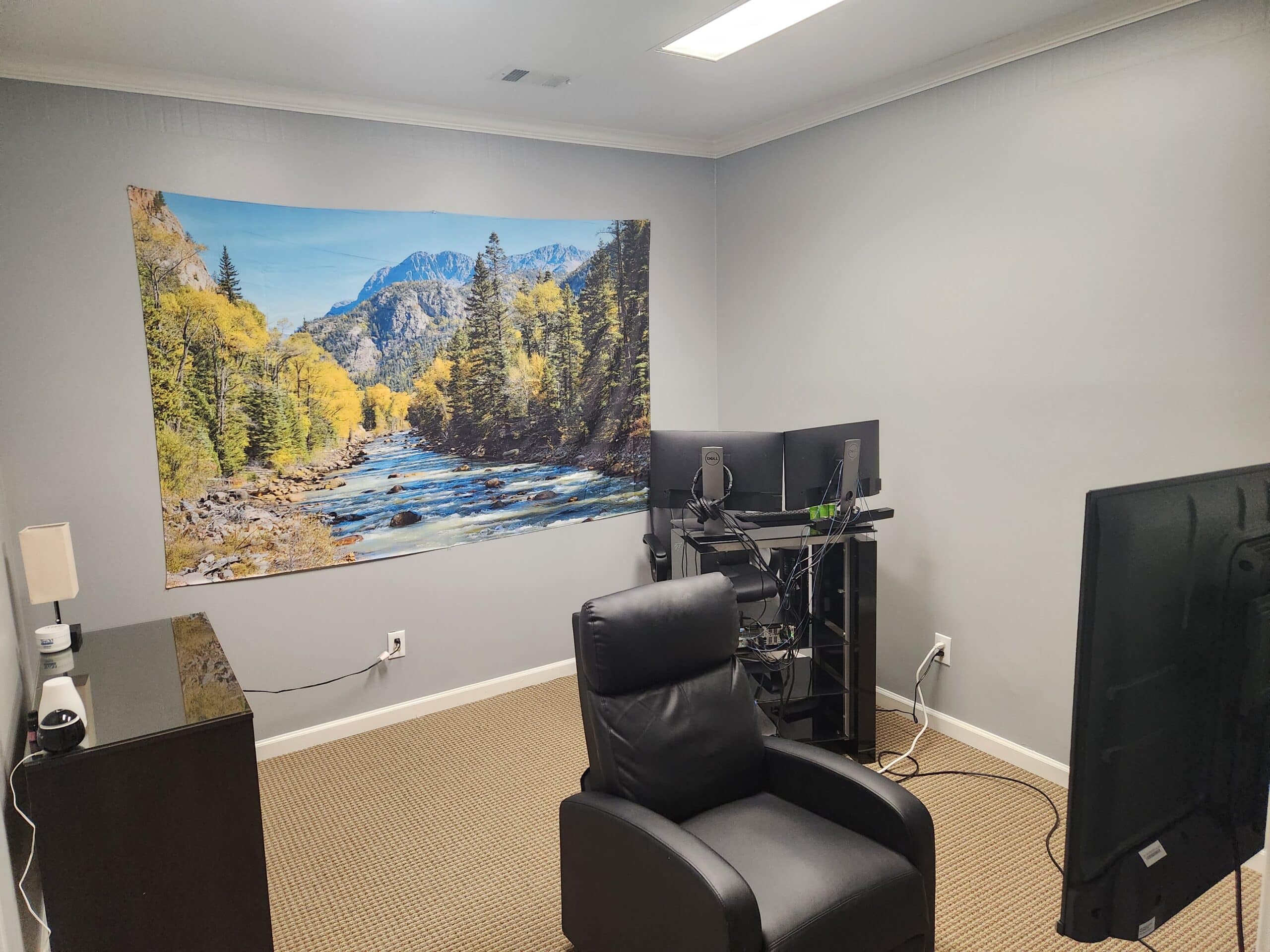
Check Out Our Facility in Atlanta, GA

Discover why our programs are top rated today. Talk with our admissions team about the right treatment plan to bring lasting recovery.

Meth Detox and the First Steps of Addiction Treatment

Detox is not the full answer to meth addiction, but it is often the first and most necessary step. The detox process helps clear harmful substances from the body, allowing the brain and central nervous system to begin stabilizing after prolonged meth use. For many people, entering detox Atlanta is the point where the cycle of use is finally interrupted in a meaningful way.

This stage can feel physically and emotionally intense, which is why support matters. Meth withdrawal often comes with exhaustion, depression, cravings, and psychological distress that can make it difficult to stop without help. A structured detox setting provides a safer environment where those symptoms can be monitored and managed with care.

At Inner Voyage Recovery Center, detox is approached as a stabilizing foundation, not a rushed process. Clients are given space to rest, reset, and begin regaining a sense of physical and emotional balance. Starting with the right level of support during detox can make the next steps in recovery feel more possible, even when everything initially feels overwhelming.

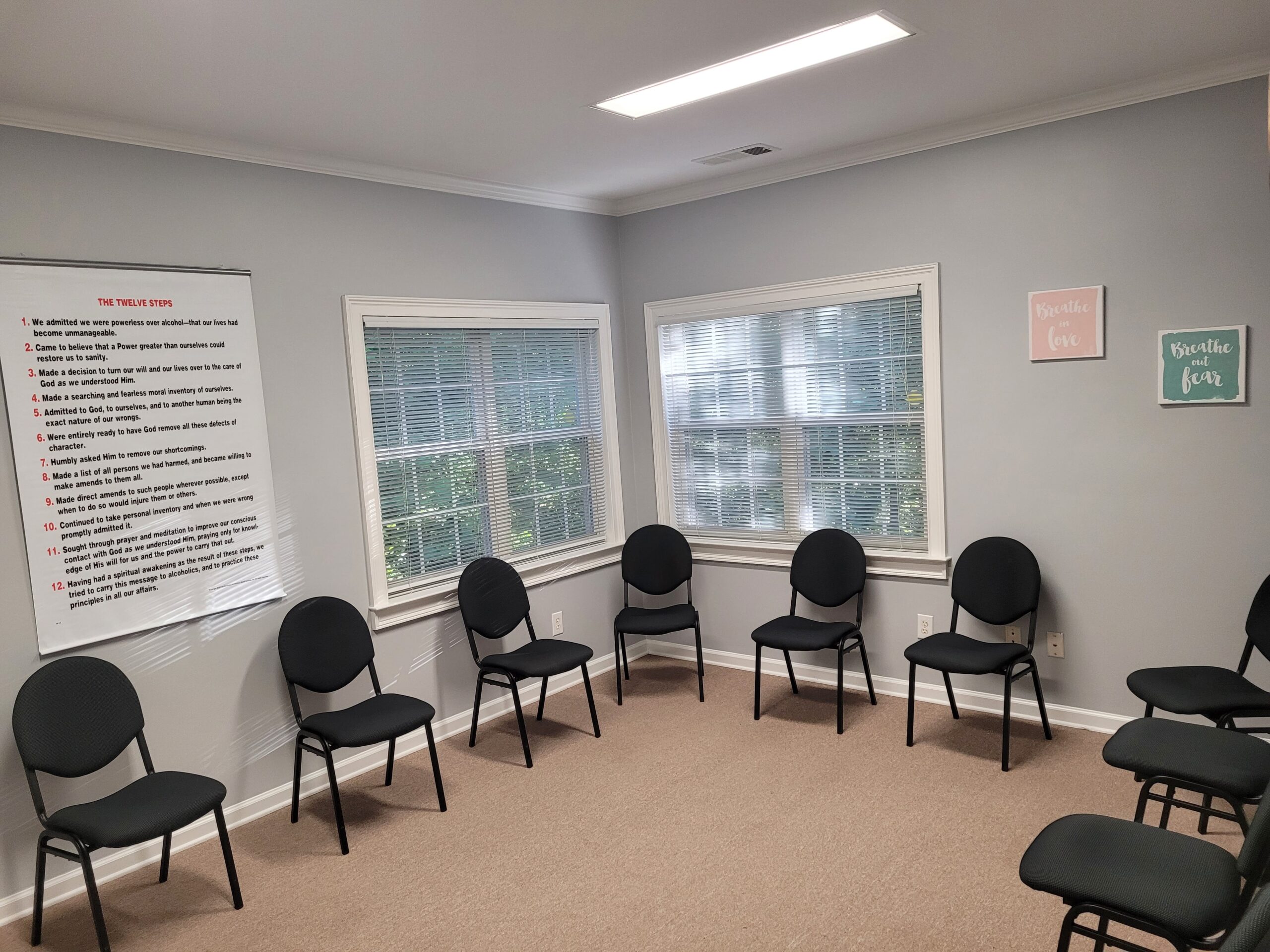
Group sessions can help you find support with other users who have experienced a similar path and journey, and gain support with insights to withdrawal symptoms and more.

Meth Addiction Treatment Offered Across Different Levels of Care

Recovery from methamphetamine use does not follow a single path. The right level of care depends on the severity of use, mental health needs, environment, and how stable someone feels physically and emotionally after detox from meth. A strong treatment center builds a comprehensive treatment plan that can adjust over time, guided by addiction specialists, psychological assessments, and a dedicated treatment team.

At Inner Voyage Recovery Center, care is designed to meet people where they are, then evolve as recovery progresses.

Residential Care and Structured Stabilization

For individuals who need the highest level of support, residential treatment can provide a structured and immersive environment. Inner Voyage uses inpatient alcohol rehab Atlanta as its residential anchor within the site structure, serving as the pathway for clients who need consistent, round-the-clock care.

This level of care removes outside distractions and allows the treatment team to focus fully on stabilization, early recovery work, and proper treatment planning. It is often the most effective starting point for individuals with more severe methamphetamine addiction or co-occurring mental health conditions.

Partial Hospitalization Program (PHP)

A partial hospitalization program Atlanta offers a step down from residential care while still providing intensive, structured support. Clients participate in full-day programming that may include therapy sessions, behavioral therapy, medication-assisted treatment when clinically appropriate, and ongoing monitoring.

PHP allows individuals to begin rebuilding independence while still staying closely connected to their treatment team and recovery environment.

Intensive Outpatient Program (IOP)

An Atlanta IOP creates a bridge between high-structure care and everyday life. This level of care is often ideal for individuals who are ready to return to work, school, or family responsibilities but still need consistent clinical support.

IOP typically includes multiple therapy sessions per week, recovery planning, and continued guidance from addiction specialists. It allows clients to practice new coping strategies in real-world settings while staying grounded in treatment.

Outpatient Rehab and Ongoing Support

For those who need more flexibility, outpatient rehab Atlanta provides continued care with fewer weekly hours while maintaining a connection to recovery resources. This level of care supports long-term progress and helps reinforce the habits built during earlier stages of treatment.

Some clients may also benefit from virtual options when access or scheduling becomes a barrier, ensuring continuity of care even as life circumstances shift.

Request A Confidential Call

Help is Here When You're Ready

If you or someone you love is struggling with substance use or other mental health issues, Inner Voyage Recovery can help. Request a callback below to receive care and support you can trust.

"*" indicates required fields

Cognitive Behavioral Therapy and Evidence-Based Meth Treatment

Treatment for meth addiction often relies on behavioral and evidence-based approaches, especially since there are no FDA-approved medications specifically for methamphetamine dependence. A strong treatment plan focuses on reshaping brain patterns, stabilizing behavior, and helping patients build healthier responses over time.

At Inner Voyage, these therapy methods are part of a broader clinical approach guided by addiction specialists and a coordinated treatment team.

CBT and Behavioral Therapy for Meth Addiction

Cognitive behavioral therapy remains one of the most effective tools in treating methamphetamine addiction. CBT Atlanta helps patients identify the thought patterns, emotional triggers, and behaviors that drive meth use, including:

  • Shame, hopelessness, or negative self-perception
  • Impulsive decision-making or risk-taking
  • Performance-driven pressure or burnout
  • Reliance on stimulants to manage mental health problems

By directly addressing these patterns, CBT supports long-term recovery by helping patients replace unstable responses with more grounded, realistic coping strategies.

Contingency Management and Motivation Rebuilding

Contingency management is another evidence-based approach often used in stimulant addiction treatment. This method reinforces positive behaviors through structured incentives, helping patients rebuild motivation while the brain’s reward system recovers from prolonged methamphetamine use.

For many individuals, this approach creates early momentum in the recovery process, especially when natural motivation and pleasure responses are still recalibrating.

Group Therapy Atlanta and Peer Support

Meth addiction often isolates people from others, which is why group therapy Atlanta plays such a central role in treatment. Group settings provide a space where patients can:

  • Speak openly about cravings, relapse fears, and emotional struggles
  • Participate in process groups and psycho educational groups
  • Build accountability with peers in recovery
  • Develop healthier communication and social patterns

Hearing shared experiences can reduce isolation and help normalize the challenges of early recovery, making the process feel more manageable.

Family Therapy Atlanta and Relationship Repair

Addiction rarely impacts only one person. Family therapy Atlanta helps address the strain meth use can place on relationships, trust, and communication.

Family involvement may include:

  • Rebuilding trust after substance abuse
  • Setting healthier boundaries
  • Understanding triggers and the recovery process
  • Learning how to support without enabling

When appropriate, family therapy strengthens the recovery foundation by improving the environment patients return to after treatment.

Dual Diagnosis and Trauma-Informed Treatment

Meth addiction is often connected to deeper mental health conditions such as trauma, depression, anxiety, or bipolar symptoms. In many cases, methamphetamine use develops as a way to cope with overwhelming emotional distress.

This is where dual diagnosis treatment centers Georgia become essential. Integrated care allows both substance use and mental health conditions to be treated together, rather than in isolation.

At Inner Voyage, this may include support through:

  • Trauma therapy Atlanta
  • EMDR therapy Atlanta
  • Psychiatry Atlanta
  • Anxiety counseling Atlanta
  • Depression treatment Atlanta

Trauma-informed care focuses on creating a safe, structured environment where patients can begin healing without pressure. Instead of forcing immediate disclosure, treatment is paced to support stabilization, emotional safety, and long-term progress.

Experience the Inner Voyage Difference

How can our Atlanta Meth Rehab help you?

New Skills

Learn to manage stress with mindfulness, breathing, exercise, and more.

Stability

Get help building a routine that works for your life and recovery.

Caring Staff

Our alumni love us, and you will too. We have 67 five-star reviews (and growing).

Insurance Accepted


We accept major insurance carriers. And if you’re inclined, we have self-pay and other options. Just ask our admissions staff!

Veteran Support

You’ll benefit from our staff’s specialized trainings and support for veterans. We understand what you’ve experienced, and can help you process it for good and leave it in the past.

Your Path to Recovery Made Simple

How to Begin Your Recovery Journey

We know beginning treatment can feel intimidating, so we’ve made the process simple and stress-free.

1

Get in touch
with us

Call or complete our contact form to connect with an admissions specialist who takes the time to listen and understand your situation.

2

Complete an assessment
& insurance review

Our team will review your history, discuss your needs, and confirm insurance coverage or explore self-pay options to make things easy.
3

Start your
treatment

Begin a personalized program built around your goals, supported by evidence-based care and a compassionate clinical team.

The Best Meth Rehab in Atlanta

How can our friendly staff help you?

Depth

The best way to achieve lasting recovery is deep healing. We guide you to what needs to be healed, and help you through it.

Support

We’re your partner and guide, every step of the way. With that level of support, recovery is more likely.

Strength

There is strength in your journey. You’ve gotten this far. Now let’s take it all the way. We rely on your strengths as much as ours.

Accountability

Call it accountability, “tough love,” or whatever you like: We hold you to a higher standard. We see your potential and help you realize it.

Aftercare

No recovery is complete without aftercare planning and support. Our Alumni program helps you stick to sobriety for good.

Flexibility

Join our PHP and get support that fits your schedule. We specialize in helping busy adults get the support they need.
Find A New Way Forward with Inner Voyage Recovery Center

FAQ

If meth use is starting to affect your health, relationships, or ability to function, it may be time to consider meth addiction treatment Atlanta options. Many people delay getting help because they feel they should be able to stop on their own, but meth addiction today often involves both physical dependence and psychological patterns that are difficult to break without support. Early intervention can make the healing process more stable and increase the chances of long-term addiction recovery.

A meth addiction treatment center offers structured care designed to address both methamphetamine abuse and the underlying causes behind it. This typically includes an initial assessment, individualized treatment programs, individual therapy sessions, and access to support groups. Many centers also address co-occurring disorders such as anxiety, depression, or trauma, creating a more complete approach to treatment for meth addiction rather than focusing on substance use alone.

Detox from meth can involve both physical and emotional withdrawal symptoms, including fatigue, depression, anxiety, sleep disruption, and strong cravings. A medically supervised detox provides support from medical professionals who can monitor safety, manage symptoms, and guide the early stages of recovery. While methamphetamine detox does not always involve medications, having professional help during this phase can reduce risk and make the transition into further treatment programs more manageable.

After methamphetamine detox, ongoing care is essential for long-term recovery. Treatment options may include outpatient programs, individual therapy, behavioral therapy, and structured rehab programs that focus on rebuilding daily stability. Some individuals also benefit from continued support groups and a step-down approach through different levels of care. The goal is to support the therapeutic process over time, not just short-term stabilization.

Yes, it is possible to successfully overcome addiction to crystal meth, even after long-term use. Recovery often involves more than stopping the drug. It includes addressing patterns connected to methamphetamine use, whether the substance was used in powder or crystal rock form, and building healthier coping strategies. With professional help, consistent support, and the right treatment options, many people can regain stability and move forward with a stronger sense of control and direction.

Inner Voyage Recovery Center’s Top Values

Every treatment will be uniquely tailored to you, because you’re unique.

Sober Living

Our team is 100% sober, including from Alcohol. We help our clients achieve sobriety and stick to it through thick and thin, because sobriety is the foundation of a fulfilling life.

Integrity

Our team is 100% sober, including from Alcohol. We help our clients achieve sobriety and stick to it through thick and thin, because sobriety is the foundation of a fulfilling life.

Everyone Belongs

Our team is 100% sober, including from Alcohol. We help our clients achieve sobriety and stick to it through thick and thin, because sobriety is the foundation of a fulfilling life.

Limitless Potential

Our team is 100% sober, including from Alcohol. We help our clients achieve sobriety and stick to it through thick and thin, because sobriety is the foundation of a fulfilling life.

Taking the First Step Toward Authentic Self-Building

Meth addiction can quietly take over more space in your life than you ever intended, affecting your health, your relationships, and your sense of control. Reaching out for help does not mean you have failed. It means you are paying attention to what is no longer working and considering what recovery could look like with the right support. At Inner Voyage Recovery Center, care is built around helping you stabilize, understand the patterns behind meth use, and begin rebuilding in a way that feels realistic and sustainable.

If you are ready to take that next step, you can call our team at (470) 460-8437 to speak confidentially with an admissions counselor or connect through our confidential contact form to explore your options. You can also find us on Google to learn more about our programs, reviews, and approach to care. However you choose to reach out, support is here when you are ready.

If you’re looking for more information, connect with our team by phone, email, or through our online form. We’re here to answer your questions, talk through your options, and support you as you begin your path toward lasting recovery.

Sources

National Institute on Drug Abuse. (2008, July 3). Chronic methamphetamine induces structural changes in frontal lobe neurons. National Institutes of Health.

Yang, X., et al. (2018, December 21). Alteration of brain structure with long-term abstinence from methamphetamine. Frontiers in Psychiatry.

Zweben, A., et al. (2005, October 1). The nature, time course and severity of methamphetamine withdrawal. Addiction, 100(9), 1320–1329.

Lee, N. K., & Penn, P. E. (2006, November 6). Contingency management for the treatment of methamphetamine use disorders. American Journal of Psychiatry, 163(11), 1993–1999.

Mazza, M., et al. (2024, March 28). The effectiveness of mindfulness in the treatment of methamphetamine-dependent patients: a systematic review. Middle East Current Psychiatry, 31(1), 1–12.

Roll, J. M., et al. (2006). An evidence-based component of methamphetamine use disorder treatment. National Drug Abuse Treatment Clinical Trials Network.

Centers for Disease Control and Prevention. (2020, March 27). Patterns and characteristics of methamphetamine use among adults—United States, 2015–2018. Morbidity and Mortality Weekly Report.

National Center for Biotechnology Information. (2025, December 13). Methamphetamine. StatPearls.

Chen, L. Y., et al. (2011). Methamphetamine and paranoia: The methamphetamine experience questionnaire. American Journal on Addictions, 20(5), 452–459.

Rawson, R. A., et al. (2014, March 12). Time to relapse following treatment for methamphetamine use: the role of social network characteristics in a multi-site sample. Journal of Substance Abuse Treatment, 46(5), 617–622.

Free & Easy Insurance Check

Alliant logo featuring a small black triangle followed by "Alliant" in bold black italic text.

Recovery Starts Here

"*" indicates required fields

This field is for validation purposes and should be left unchanged.
Preferred Method*
Get Treatment For All Your Healthcare Needs

Other What We Treat

Request A Confidential Call

Request a call and an Inner Voyage Recovery Center team member will be in touch.

"*" indicates required fields