

Disability and Addiction
Key Takeaways
- People with disabilities may face extra challenges with substance use, but personalized care can help address both physical and mental health needs.
- Laws like the Americans with Disabilities Act provide legal protections and workplace support for many individuals who are working on their recovery.
- Successful treatment focuses on removing barriers by using accessible communication and coordinated medical care to help people build a stable life.
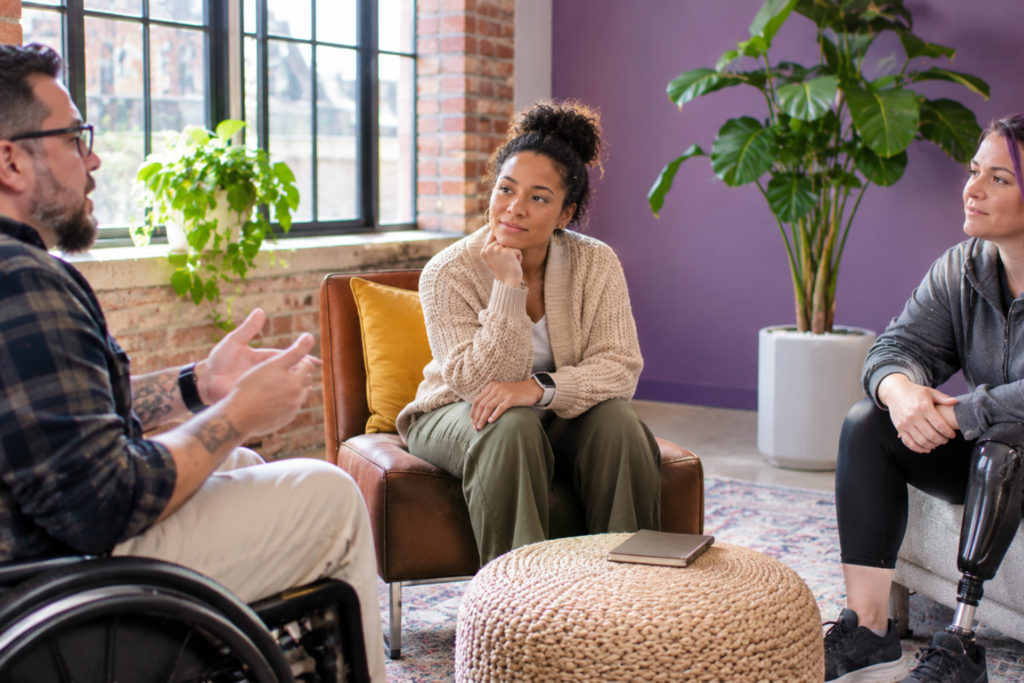
The relationship between addiction and disability can be complicated, especially when physical limitations, chronic pain, mental health conditions, or accessibility barriers affect daily life. For someone experiencing drug or alcohol addiction alongside a disability, finding appropriate treatment may involve additional questions about medical needs, legal protections, employment, and insurance coverage. Addiction and disability can also intersect in ways that are not immediately visible. Anxiety, depression, trauma, and other mental health concerns may influence substance use, while ongoing addiction can make existing symptoms more difficult to manage. Understanding these connections is an important part of finding compassionate, individualized care that supports recovery without overlooking a person’s broader health needs.
The Link Between Disability and Substance Use
Addiction and disability can intersect through physical health concerns, emotional stress, social isolation, and barriers to accessing appropriate care. For individuals experiencing substance use disorders alongside mental health conditions, dual diagnosis treatment centers Georgia may provide integrated support that addresses both concerns within an individualized treatment plan.
Living with a disability does not mean someone will develop an addiction. However, certain experiences, including chronic pain, trauma, limited social support, or difficulty accessing healthcare, may contribute to substance use risk factors. These circumstances deserve careful attention rather than assumptions about a person’s choices or capabilities.
Understanding Co-Occurring Disorders
Co-occurring disorders involve a substance use disorder and a mental health condition occurring together. Depression, anxiety, post-traumatic stress disorder, and other psychiatric conditions may influence substance use patterns, while continued drug or alcohol use can worsen emotional symptoms.
At Inner Voyage Recovery Center, our outpatient approach considers these connections through individualized assessment, evidence-based therapies, and coordinated treatment planning. Our holistic therapy Atlanta services may complement clinical care when appropriate, helping qualifying clients develop healthier responses to stress while building a foundation for long-term recovery.
Exploring Types of Disabilities and Addiction Risks
Physical, mental, sensory, and intellectual disabilities can influence how individuals experience substance use, access healthcare, and participate in addiction treatment. These differences do not determine whether someone will develop an addiction, but they may affect the type of support needed during recovery.
Effective treatment considers the individual’s medical history, communication preferences, mental health symptoms, and daily responsibilities. A person-centered approach helps identify barriers without reducing someone to a diagnosis.
Physical Disabilities and Addiction
Some individuals with physical disabilities experience chronic pain, limited mobility, or medical conditions requiring ongoing treatment. Managing these concerns alongside substance use disorders can be challenging, particularly when medications with dependence or misuse potential are involved.
Prescription opioids may be appropriate for certain medical conditions, and physical dependence does not automatically mean someone has developed an addiction. When substance use becomes problematic, coordinated medical care can help address pain management, medication safety, and recovery needs without dismissing legitimate physical symptoms.
Mental Health Disabilities and Addiction
Mental health conditions such as depression, anxiety disorders, schizophrenia, bipolar disorder, and post-traumatic stress disorder may occur alongside substance use disorders. These conditions can influence emotional regulation, decision-making, relationships, and daily functioning.
Integrated addiction and mental health treatment addresses both concerns rather than focusing exclusively on substance use. Our trauma therapy Atlanta services may be appropriate for qualifying clients whose experiences of trauma contribute to emotional distress or unhealthy coping patterns.
Sensory Disabilities and Addiction
People who are Deaf, hard of hearing, blind, or have low vision may encounter communication barriers when seeking substance abuse treatment. Group therapy, educational materials, intake assessments, and recovery resources should be accessible to individuals with different communication and sensory needs.
Depending on individual circumstances and applicable accessibility requirements, reasonable accommodations may include qualified interpreters, captioning, accessible documents, or other communication supports. Discussing these needs before treatment begins can help determine whether a program can provide appropriate access.
Intellectual Disabilities and Addiction
Individuals with intellectual or developmental disabilities may benefit from treatment approaches that account for differences in communication, learning, and information processing. Some people also experience co-occurring mental health conditions that require additional clinical consideration.
Treatment plans may incorporate clear explanations, accessible educational materials, repetition, and practical skill-building when appropriate. Family members or caregivers can sometimes provide valuable support, although their involvement should respect the individual’s preferences, privacy, and decision-making rights.
Recovery support should be based on each person’s abilities, goals, and clinical needs rather than assumptions about disability.
Addiction and the ADA: Legal Protections and Benefits
The Americans with Disabilities Act (ADA), enacted on July 26, 1990, prohibits disability discrimination in areas such as employment, public services, and public accommodations. Depending on the circumstances, substance use disorders may qualify as disabilities when they substantially limit one or more major life activities.
A physical or mental impairment may affect activities such as working, concentrating, communicating, or caring for oneself. The ADA also recognizes limitations involving major bodily functions, including neurological and brain functions.
| Circumstance | General ADA Considerations | Important Distinction |
|---|---|---|
| Alcohol use disorder | May qualify as a disability | Employers may enforce legitimate workplace conduct and performance standards |
| History of drug addiction | May qualify for protection | Protection depends on the applicable legal requirements and circumstances |
| Participation in supervised rehabilitation | May qualify for protection when current illegal drug use has stopped | Participation alone does not excuse current illegal drug use |
| Current illegal drug use | Limited protection under specific ADA provisions | Employers and covered entities may act on current illegal drug use as permitted by law |
| Co-occurring mental or physical disability | May independently qualify for protection | Disability protections and Social Security benefit eligibility are separate determinations |
Is Addiction Considered a Disability Under the ADA?
Addiction can qualify as a disability under the ADA when it meets the applicable legal definition. Alcohol use disorder and drug addiction are treated differently in certain situations, particularly regarding current illegal drug use.
People who have successfully completed rehabilitation, are participating in supervised rehabilitation without current illegal drug use, or have a history of addiction may receive legal protections against discrimination. These protections do not automatically prevent employers from enforcing lawful workplace rules.
People recovering from opioid use disorder may qualify for ADA protections when they meet the applicable legal requirements. This can include individuals receiving prescribed medications for opioid use disorder who are not currently engaged in illegal drug use.
Reasonable Accommodations and Employment
Qualified employees with disabilities may be entitled to reasonable accommodations that allow them to perform essential job functions, unless an accommodation would create an undue hardship for the employer.
Depending on the situation, accommodations might include schedule adjustments for medical appointments, modifications to workplace procedures, or accessible communication methods. Employers may request appropriate documentation when a disability or need for accommodation is not obvious.
Individuals seeking accommodations can also consult the ADA National Network for educational resources about disability rights and workplace accessibility.
National Disability Employment Awareness Month and Addiction Recovery
National Disability Employment Awareness Month, observed each October, highlights the importance of workplace inclusion and equal employment opportunities for people with disabilities. These conversations are especially relevant for individuals navigating addiction recovery alongside physical or mental health conditions.
The Americans with Disabilities Act helps protect eligible individuals from disability discrimination, including certain people recovering from substance use disorders. Reasonable accommodations may help qualifying employees attend treatment, manage ongoing healthcare needs, and maintain employment while participating in recovery.
Greater awareness can also help challenge the stigma surrounding addiction and disability. Recognizing that people deserve access to appropriate healthcare, meaningful employment, and supportive communities creates more opportunities for long-term stability and personal growth.
How Substance Use Affects Disability Benefits
The Social Security Administration (SSA) evaluates disability benefits under rules that differ from ADA protections. To qualify for Social Security Disability Insurance or Supplemental Security Income, applicants generally must establish a medically determinable impairment that meets the applicable disability requirements, including duration and severity.
For adults, the impairment generally must have lasted or be expected to last at least 12 months, or be expected to result in death. When drug addiction or alcoholism is involved, the SSA considers whether the person would still meet its disability criteria if they stopped using drugs or alcohol.
If the Social Security Administration determines that drug or alcohol use is material to an applicant’s disability, the person may not qualify for disability benefits on that basis. However, a substance use disorder does not automatically prevent eligibility when other medical conditions independently meet Social Security’s disability requirements.
Challenges for Those With Disabilities and Addiction
People with disabilities may encounter additional barriers when seeking addiction treatment, including transportation difficulties, inaccessible facilities, financial concerns, and challenges coordinating medical and mental health services. These obstacles can affect treatment participation even when someone is motivated to recover.
Stigma can create another barrier. Individuals experiencing both disability and substance use disorders may face assumptions about their capabilities, medical needs, or willingness to participate in treatment. Compassionate care begins with recognizing these experiences and developing practical solutions that respect each person’s circumstances.
Managing Medications Safely
Medication management is particularly important for individuals living with chronic pain, neurological conditions, or co-occurring mental health disorders. Some medications used to treat physical or psychiatric symptoms may interact with substances or other prescriptions, making coordinated medical oversight essential.
For qualifying clients, medication-assisted treatment Atlanta may be considered as part of an individualized recovery plan. This approach can incorporate appropriate medications alongside counseling and behavioral therapies, depending on clinical needs and prescribing arrangements.
Clients should share an accurate medication history with their healthcare providers, including prescriptions, over-the-counter medications, and supplements. Addiction recovery should support necessary medical treatment rather than require individuals to abandon appropriate care.
Systemic and Housing Barriers
Accessible housing, reliable transportation, and consistent healthcare can all influence recovery. Some individuals need mobility accommodations, accessible communication, or additional assistance managing medical appointments and daily responsibilities.
Outpatient treatment may offer flexibility for people who can safely participate while living at home or in another appropriate environment. Our evening intensive outpatient program may provide scheduling options for qualifying adults balancing treatment with employment or other commitments.
Before beginning care, prospective clients should discuss accessibility requirements and scheduling needs with the admissions team so available accommodations and program suitability can be evaluated.
Transitions That Affect Long-Term Recovery
Changes in employment, housing, healthcare coverage, or family support can create additional stress during recovery. For individuals managing a disability, interruptions in medical treatment or access to necessary services may make these transitions especially challenging.
People leaving the criminal justice system may face further barriers involving healthcare access, employment, and continuity of treatment. Coordinating appropriate support can help address these challenges without assuming that everyone experiences the same risks.
Building a Supportive Recovery Plan
Long-term recovery often depends on continued access to medical care, mental health treatment, supportive relationships, and practical coping strategies. A comprehensive plan should consider both substance use and the individual’s broader health needs.
Support may include:
- Coordinated healthcare: Communication between appropriate medical, psychiatric, and addiction treatment providers.
- Accessible treatment resources: Communication supports, transportation planning, and reasonable accommodations when applicable.
- Individualized coping strategies: Skills for managing stress, cravings, chronic pain, and emotional symptoms.
- Family and peer support: Healthy relationships and recovery communities that respect personal boundaries.
- Continued treatment planning: Ongoing assessment of recovery needs, medical concerns, and changes in daily functioning.
These supports can help individuals develop stability and accountability while building a recovery process that accommodates their needs.
When Higher Levels of Care Are Required
Outpatient addiction treatment can support many individuals living with disabilities, but some circumstances require additional medical supervision or a more intensive level of care. Severe withdrawal symptoms, significant medical complications, or immediate safety concerns may need to be addressed before outpatient participation is appropriate.
Medical detox may be necessary when withdrawal from alcohol, benzodiazepines, or other substances creates serious health risks. Individuals with complex physical disabilities or ongoing medical needs may also require specialized evaluation to determine the safest treatment setting.
Inner Voyage Recovery Center specializes in outpatient addiction and dual diagnosis treatment for adults who can safely participate in care while living at home. When higher levels of care are required, medical stabilization or more intensive treatment may be necessary before outpatient services begin.
Transitioning Into Outpatient Addiction Treatment
Once medical needs have been assessed and an individual is appropriate for outpatient care, treatment can focus on substance use, emotional well-being, and the development of practical recovery skills.
Our clinical approach considers co-occurring mental health concerns, personal recovery goals, and relevant medical information when developing individualized treatment plans. Prospective clients can discuss accessibility needs and available outpatient services with our admissions team before beginning care.
Finding Compassionate Addiction Treatment and Disability Support
Living with a disability while navigating drug or alcohol addiction can bring challenges that extend beyond substance use. Physical health concerns, mental health symptoms, accessibility needs, and uncertainty about legal protections may all influence the recovery process. At Inner Voyage Recovery Center, our outpatient programs support qualifying adults experiencing addiction and co-occurring mental health disorders. Recovery does not require having every answer before reaching out. Our admissions team can discuss available services, insurance benefits, and accessibility considerations to help you understand your options. Contact us by calling (470) 460-8437 to learn more about beginning outpatient treatment.
Frequently asked questions
How Are Addiction and Disability Connected Through Substance Use Disorders?
Addiction and disability can intersect through chronic pain, mental health conditions, social isolation, and barriers to healthcare. Individuals with certain disabilities may experience additional risk factors for substance use disorders, although having a disability does not mean someone will develop an addiction. Depression, anxiety, and trauma can increase vulnerability, particularly when emotional symptoms remain untreated. Integrated addiction treatment considers these overlapping concerns while supporting recovery, independence, and overall well-being.
Are Drug or Alcohol Addiction and Other Disabilities Protected Under the Americans With Disabilities Act?
Under the Americans with Disabilities Act, drug or alcohol addiction may qualify as a disability when a physical or mental impairment substantially limits major life activities or bodily functions, including neurological functions. The ADA provides important protections for qualifying individuals with alcohol use disorder or a history of drug addiction. However, specific exclusions apply to current illegal drug use, and eligibility depends on the circumstances. Individuals may still have protections related to other qualifying disabilities. The ADA helps eligible individuals access the same opportunities available to others.
Why Are Alcohol Addictions Treated Differently From Drug Addiction Under Disability Laws?
Alcohol addictions are treated differently from drug addiction under certain provisions of the ADA. Alcohol use disorder may qualify as a disability, while current illegal drug use is subject to specific exclusions. Employers can enforce legitimate workplace conduct and performance standards regardless of disability status. Individuals diagnosed with alcohol addiction may still qualify for reasonable accommodations when legally appropriate. These protections help reduce stigma while recognizing that addiction recovery and workplace responsibilities can coexist.
Can Substance Abuse Affect Disability Benefits or Access to Treatment?
Substance abuse can affect disability benefits when the Social Security Administration determines that drug or alcohol use is material to a disability determination. Medical evidence must establish whether other disabilities would remain disabling without substance use. Individuals may also face barriers to accessing a treatment program, particularly after involvement with the criminal justice system. People facing barriers to addiction treatment may benefit from working with healthcare professionals, disability support organizations, or community programs that can help them explore accessible treatment options.
How Can Dual Diagnosis Treatment Support People With Disabilities and Addiction?
Dual diagnosis treatment addresses substance use alongside co-occurring mental health conditions such as depression, anxiety, or trauma-related disorders. Chronic pain and other physical disabilities may also require coordinated medical care. At Inner Voyage Recovery Center, outpatient treatment plans consider individual symptoms, personal circumstances, and recovery goals. Group therapy, individual counseling, and appropriate clinical support can help clients engage in recovery while developing healthier coping strategies and a stronger foundation for long-term stability.
Sources
- ADA National Network. (n.d.). ADA National Network.
- Centers for Disease Control and Prevention. (2021). Mental health and substance use among adults with disabilities. Morbidity and Mortality Weekly Report.
- National Institute on Drug Abuse. (n.d.). Co-occurring disorders and health conditions.
- Social Security Administration. (2013). SSR 13-2p: Titles II and XVI: Evaluating cases involving drug addiction and alcoholism (DAA).
- U.S. Department of Justice. (n.d.). The Americans with Disabilities Act and the opioid crisis: Combating discrimination against people in treatment or recovery.
Help is Here When You’re Ready
"*" indicates required fields