Request a call to speak with an admissions specialist. We are here to help you.

"*" indicates required fields

How Motivational Interviewing Supports Addiction Recovery

Motivational interviewing in addiction treatment is a collaborative counseling approach for people who may want change while still feeling uncertain about what that change will require. Instead of confronting someone about substance use or telling them what to do, motivational interviewing helps clients explore mixed feelings, identify their own reasons for change, and build confidence in their ability to move forward.

Free Insurance Check

Free & Confidential | HIPAA Compliant | No Obligation

"*" indicates required fields

1
2
3
4
This field is for validation purposes and should be left unchanged.
Therapist and client in a counseling session at Inner Voyage Recovery Center.

What Is Motivational Interviewing?

Motivational interviewing, or MI, is a collaborative, goal-oriented counseling style that helps clients explore their own reasons for behavior change. When substance use occurs alongside depression, anxiety, trauma-related symptoms, or another qualifying mental health condition, dual diagnosis treatment centers Georgia can integrate addiction and mental health care within the same outpatient treatment plan.

MI respects the clientโ€™s autonomy rather than assuming that a health professional knows what will motivate that individual. Through careful listening, open questions, reflections, and collaborative conversation, the counselor helps clients identify differences between their current behaviors and their own values or future goals. SAMHSA describes motivation in MI as something evoked from the client rather than imposed by the counselor.
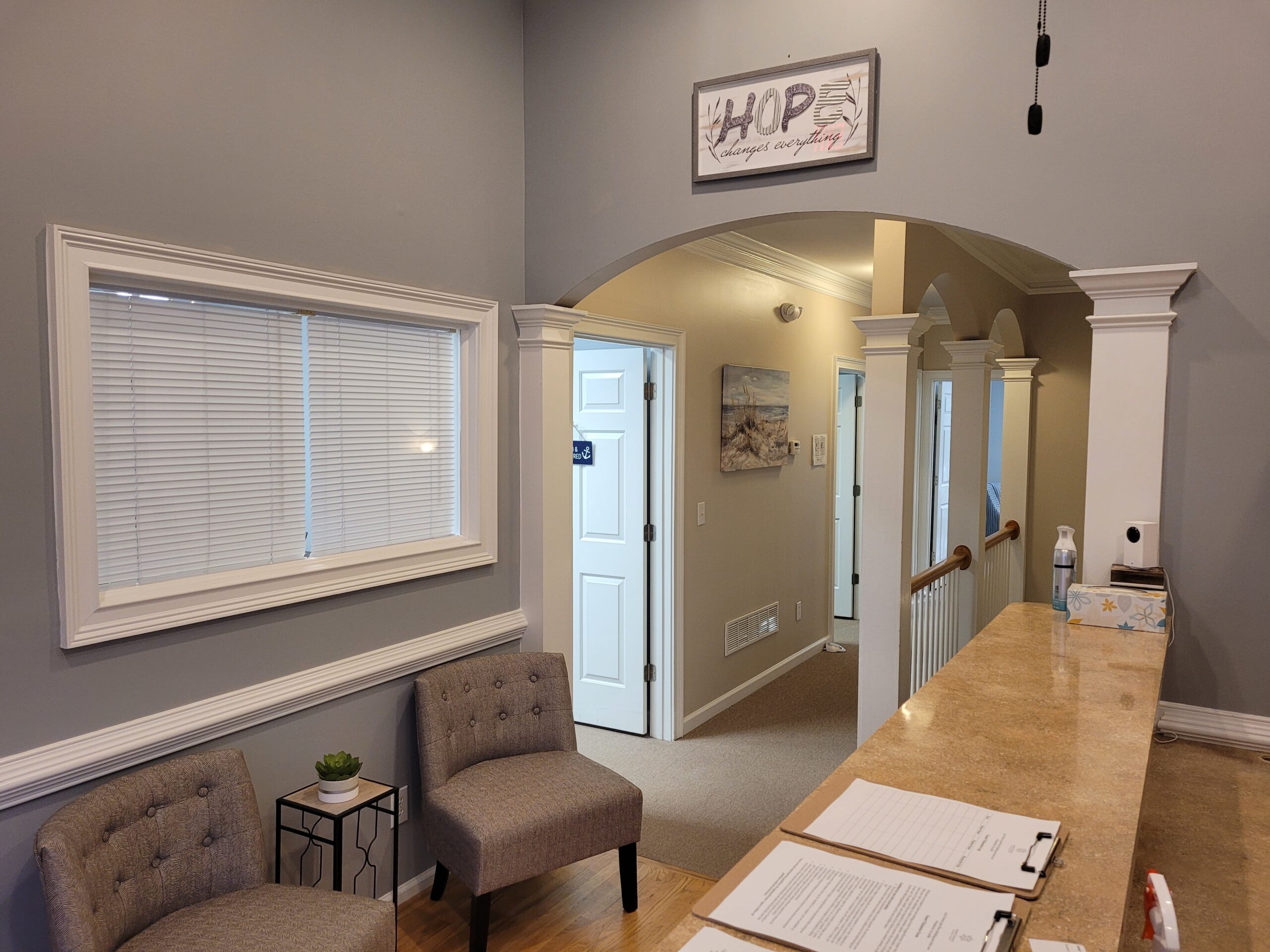
Table of Contents

Motivational Interviewing Practice and OARS

Motivational interviewing practice uses communication skills commonly summarized as OARS: open questions, affirmations, reflective listening, and summaries. These techniques help the counselor understand the clientโ€™s perspective without turning the first session into a lecture or argument.

  • Open questions: Encourage clients to describe their experiences, concerns, own values, and reasons for considering change.
  • Affirmations: Recognize the clientโ€™s strengths, effort, past successes, and capacity to make positive changes.
  • Reflective listening: Demonstrates careful listening by reflecting meaning and emotion rather than immediately offering advice.
  • Summaries: Bring important themes together and can reinforce change talk that has emerged during the conversation.

These skills help create mutual respect and a collaborative relationship. MI focuses on helping people hear and develop their own reasons for change rather than supplying those reasons.

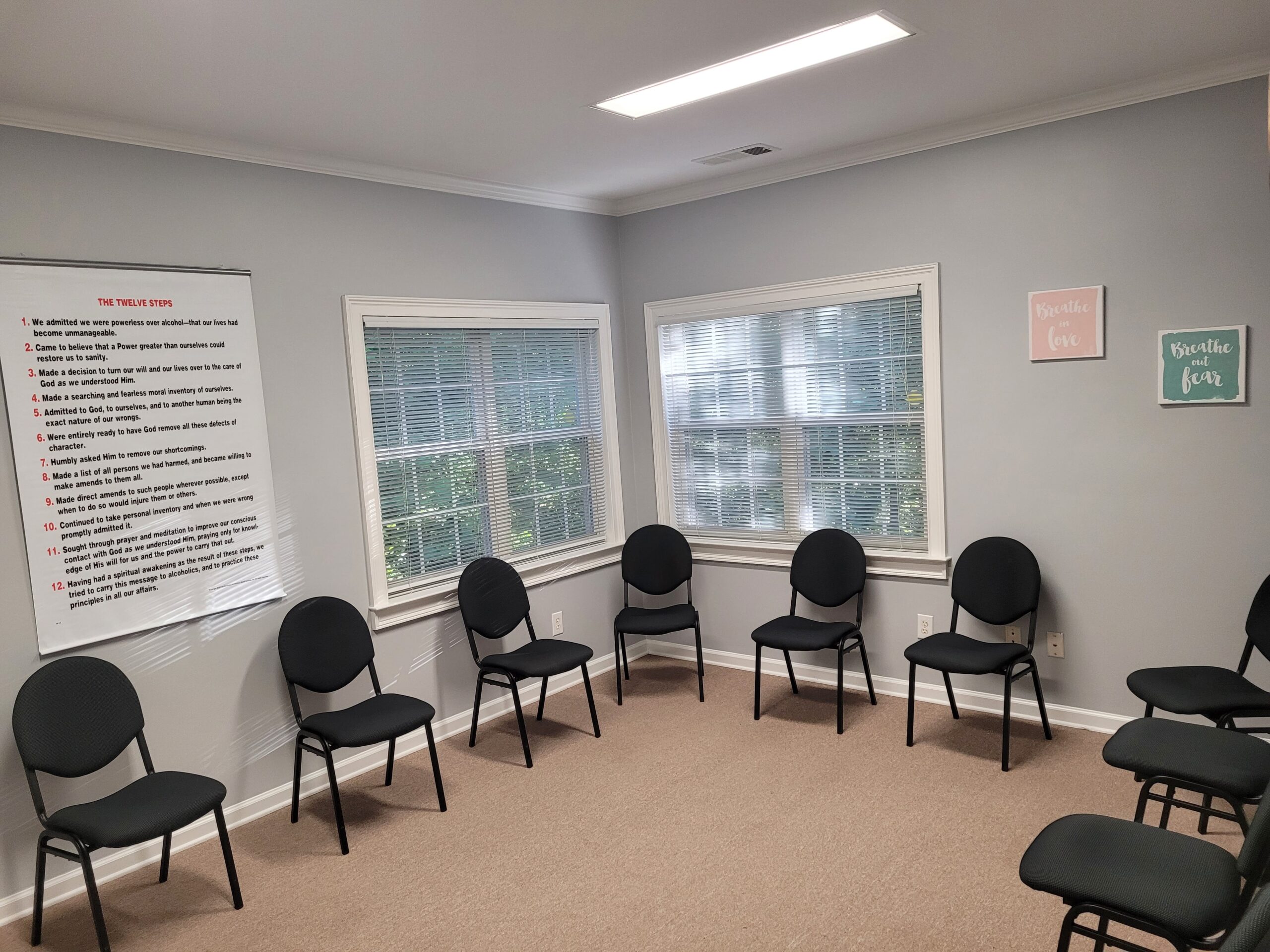
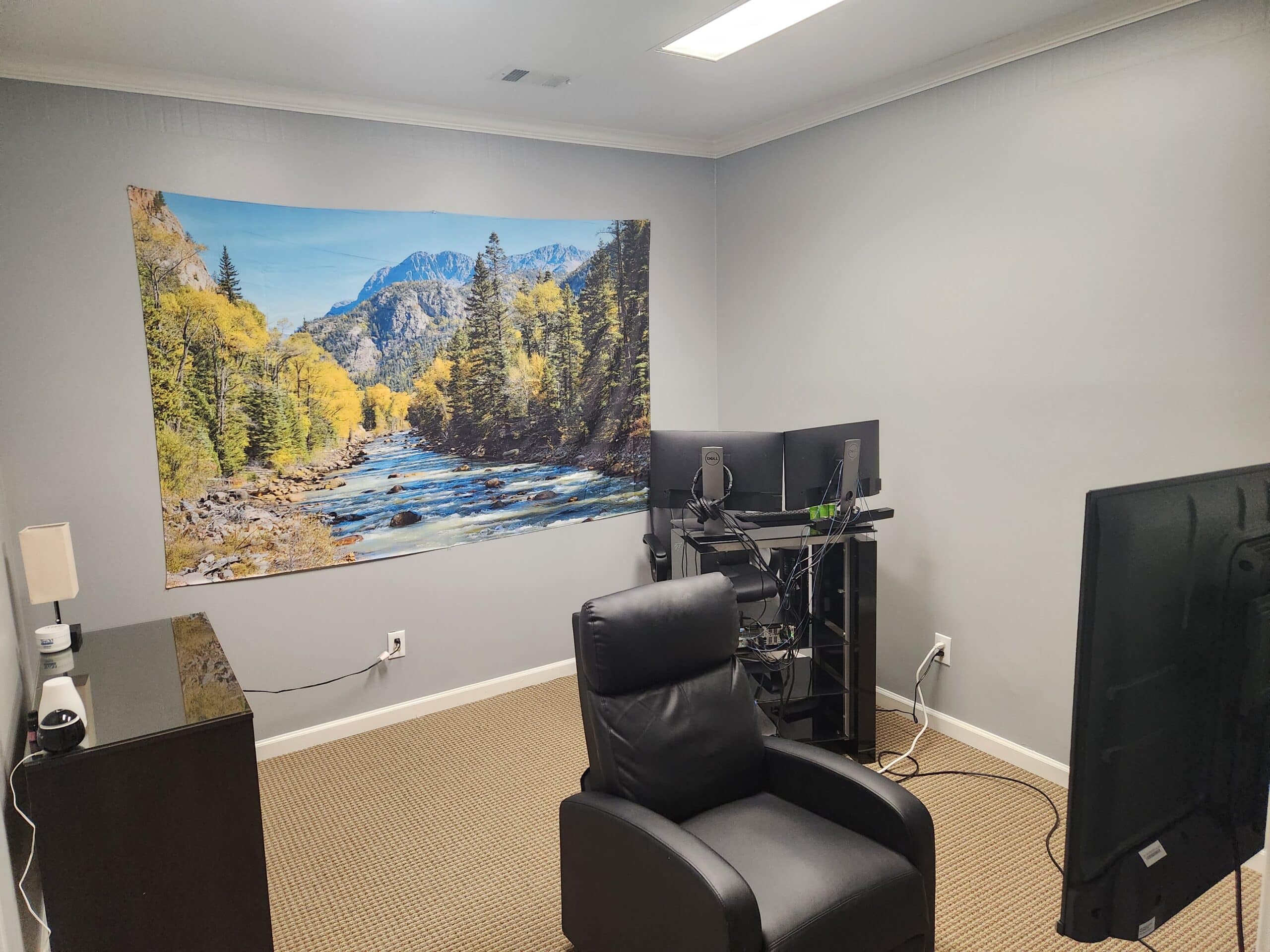
Check Out Our Facility in Atlanta, GA

Discover why our programs are top rated today. Talk with our admissions team about the right treatment plan to bring lasting recovery.

The Four Processes of Motivational Interviewing (MI)

Motivational interviewing includes four processes: engaging, focusing, evoking, and planning. These processes provide structure without forcing every client through a rigid sequence. A counselor may return to an earlier process when motivation, circumstances, or readiness changes.

Process What It Focuses On Role in Addiction Treatment
Engaging Building trust and a collaborative relationship Creates the foundation for honest discussion about substance use
Focusing Identifying a shared direction for treatment Helps clarify which behavior or recovery goal needs attention
Evoking Drawing out the clientโ€™s own reasons for change Strengthens internal motivation and change talk
Planning Developing practical next steps Turns motivation into an individualized plan for behavior change

Planning does not mean pushing someone into action before they are ready. When sustain talk remains strong, the counselor may return to evoking and continue exploring ambivalence before developing a change plan.

Change Talk and Sustain Talk

Change talk refers to statements that move toward change, such as recognizing negative consequences, expressing a desire for something different, or describing confidence in the ability to make a change. Sustain talk reflects reasons for continuing current behaviors or uncertainty about changing them. Both can appear in the same conversation.

Rather than arguing against sustain talk, the counselor listens for opportunities to explore and strengthen change talk. As clients begin describing their own reasons, abilities, needs, or commitment to change, those statements can help guide the recovery process toward planning and action.

Motivational Interviewing and the Contemplation Stage

The contemplation stage describes a period when someone recognizes reasons to change but also sees reasons to continue the current behavior. For people struggling with alcohol use, drug use, or another substance use disorder, this can sound like wanting a healthier life while questioning whether treatment is necessary or whether recovery will be possible.

Motivational interviewing can be particularly useful when someone feels stuck in this kind of ambivalence. The goal is not to force a decision, but to explore the personโ€™s readiness, motivation, confidence, current behaviors, future goals, and previous successes so they can identify their own reasons for change.

Request A Confidential Call

Help is Here When You're Ready

If you or someone you love is struggling with substance use or other mental health issues, Inner Voyage Recovery can help. Request a callback below to receive care and support you can trust.

"*" indicates required fields

Motivational Interviewing in Addiction Treatment

Addiction treatment motivational interviewing can be useful when a person is seeking treatment but has mixed feelings about reducing or stopping alcohol or drug use. A counselor does not need to manufacture motivation. Instead, MI creates space for clients to examine what substance use gives them, what it costs them, and how those current behaviors fit with the life they want.

This counseling approach can complement other evidence-based interventions used in substance abuse and addiction treatment. MI does not replace comprehensive care or address every factor contributing to addiction by itself. Its role is more focused: strengthening engagement, supporting the patientโ€™s motivation and autonomy, and helping people participate more actively in decisions about behavior change. Research and systematic reviews have examined MI across alcohol use disorder, drug use, opioid addiction, primary care, criminal justice, and other health care settings.

Motivational Interviewing in Health Care and Substance Abuse Treatment

Motivational interviewing has been used in addiction treatment, primary care, behavioral health, and other human services settings because it helps patients identify their own reasons for change. Health professionals may use MI when someone understands that a behavior has negative consequences but still feels uncertain about changing it.

The approach encourages patients to examine associated behaviors from their own perspective instead of relying only on advice from a clinician. A good listener can use open questions, reflective listening, and an elicit-provide-elicit communication style to understand what the patient already knows, share information when appropriate, and then invite the patientโ€™s response.

Substance Use Disorders and Mental Health

Substance use disorders frequently overlap with mental health concerns, and motivation may shift as depression, anxiety, trauma-related symptoms, stress, or other symptoms change. MI can support engagement and readiness, but it is not a standalone treatment for a co-occurring mental health disorder. When both concerns are present, treatment should address addiction and mental health together rather than expecting motivational interviewing alone to resolve both.

At Inner Voyage, dual-diagnosis care can combine MI with therapies and services appropriate to the clientโ€™s clinical needs. This allows the treatment team to explore substance use while also considering mental health, relationships, coping patterns, and other factors that can affect long-term recovery.

Research Behind Motivational Interviewing

Motivational interviewing emerged from clinical psychology work led by William R. Miller in the early 1980s and was later developed further with Stephen Rollnick. Since then, research, meta-analyses, and systematic reviews have examined MI across substance use, alcohol use disorder, health behavior, and other clinical settings.

Research generally suggests that MI can positively affect treatment engagement and behavior change for some patients, although outcomes vary by population, condition, treatment setting, and how MI is delivered. More sessions are not automatically better; the quality of the collaborative process and the fit with the patientโ€™s readiness remain important.

Experience the Inner Voyage Difference

How can our Atlanta Detox program help you?

New Skills

Learn to manage stress with mindfulness, breathing, exercise, and more.

Stability

Get help building a routine that works for your life and recovery.

Caring Staff

Our alumni love us, and you will too. We have 67 five-star reviews (and growing).

Insurance Acceptedโ€จ

We accept major insurance carriers. And if youโ€™re inclined, we have self-pay and other options. Just ask our admissions staff!

Veteran Support

Youโ€™ll benefit from our staffโ€™s specialized trainings and support for veterans. We understand what youโ€™ve experienced, and can help you process it for good and leave it in the past.

What to Expect From This Counseling Approach

A motivational interviewing session is conversational, but it still has a clinical purpose. The counselor listens for the clientโ€™s perspective, readiness, confidence, and reasons for change while helping the conversation move toward meaningful goals.

  • A collaborative conversation: The counselor works with you rather than positioning themselves as the sole authority on your life.
  • Questions about what matters to you: Sessions explore your own values, current behaviors, future goals, and the consequences of substance use.
  • Careful listening: Reflections and summaries help clarify what you are saying and give you room to correct or expand on it.
  • Respect for autonomy: You remain involved in decisions rather than being pressured into goals you have not chosen.
  • Attention to strengths: Past successes and existing abilities can help build self-efficacy and confidence in your capacity to achieve change.

This counseling style encourages clients to participate actively in the recovery process while keeping treatment grounded in clinical needs.

Your Path to Recovery Made Simple

How to Begin Your Recovery Journey

We know beginning treatment can feel intimidating, so weโ€™ve made the process simple and stress-free.

1

Get in touch
with us

Call or complete our contact form to connect with an admissions specialist who takes the time to listen and understand your situation.

2

Complete an assessment
& insurance review

Our team will review your history, discuss your needs, and confirm insurance coverage or explore self-pay options to make things easy.
3

Start your
treatment

Begin a personalized program built around your goals, supported by evidence-based care and a compassionate clinical team.

How Motivational Interviewing Fits Into Outpatient Addiction Treatment

Motivational interviewing is not a standalone level of care. At Inner Voyage, it can be incorporated into outpatient addiction treatment alongside other therapies based on the clientโ€™s substance use, mental health, readiness for change, and individual treatment plan.

A partial hospitalization program Atlanta can provide highly structured daytime outpatient support, while Atlanta IOP and the evening intensive outpatient program allow clients to continue practicing recovery skills within everyday life. Outpatient rehab Atlanta can provide ongoing support at a lower weekly intensity.

The Best Atlanta PHP

How can our Atlanta PHP program help you?

Depth

The best way to achieve lasting recovery is deep healing. We guide you to what needs to be healed, and help you through it.

Support

Weโ€™re your partner and guide, every step of the way. With that level of support, recovery is more likely.

Strength

There is strength in your journey. Youโ€™ve gotten this far. Now letโ€™s take it all the way. We rely on your strengths as much as ours.

Accountability

Call it accountability, โ€œtough love,โ€ or whatever you like: We hold you to a higher standard. We see your potential and help you realize it.

Aftercare

No recovery is complete without aftercare planning and support. Our Alumni program helps you stick to sobriety for good.

Flexibility

Join our PHP and get support that fits your schedule. We specialize in helping busy adults get the support they need.

When Higher Levels of Care Are Required

Motivational interviewing can support engagement, but it does not determine whether outpatient care is safe or clinically appropriate. When higher levels of care are required because someone needs medical stabilization, continuous supervision, or another more intensive level of support, address those needs before outpatient treatment begins.

Those higher levels of care are separate from Inner Voyageโ€™s outpatient programs. Once a person is clinically appropriate for outpatient care, motivational interviewing can be used alongside other treatment approaches to strengthen engagement, clarify recovery goals, and support continued behavior change.

Find A New Way Forward with Inner Voyage Recovery Center

Frequently asked questions

Motivational interviewing may support positive patient outcomes by improving the engagement process and helping people identify their own reasons for change. Rather than prescribing motivation, the counselor listens to the patientโ€™s perspective, explores ambivalence, and reinforces the patientโ€™s strengths. This collaborative approach can encourage positive behaviors while respecting the patientโ€™s autonomy and readiness for treatment.

To develop discrepancy, the counselor helps clients compare current behaviors with their values, priorities, and future goals. Open questions and reflective listening can reveal where substance use no longer fits the life someone wants. The goal is not to argue about pros and cons, but to help the person recognize the difference themselves. That insight can strengthen the patientโ€™s confidence and inspire change.

Motivational interviewing can support engagement for people with severe substance use or co-occurring mental health concerns, but it should not be treated as the only intervention. Most patients with complex clinical needs benefit from a broader treatment plan that may combine MI with therapy, medication management, psychiatric care, or other evidence-based approaches. More intensive mental health symptoms may require interventions beyond motivational interviewing alone.

Change talk is central to the evoking process because it reflects the clientโ€™s own desire, reasons, ability, or commitment to change. As readiness increases, the planning process turns that motivation into practical next steps. Planning may include coping strategies, treatment participation, relapse-prevention skills, and other interventions that help translate intention into behavior.

Research shows that motivational interviewing has been studied across addiction treatment, primary care, college students, health behavior, and criminal justice system settings. Systematic reviews and other research have found benefits for treatment engagement and behavior change in some populations, although results vary by condition and setting. MI grew from the clinical work of William R. Miller, later developed extensively with Stephen Rollnick, and remains one of several evidence-based approaches used to support motivation and recovery.

Inner Voyage Recovery Centerโ€™s Top Values

Every treatment will be uniquely tailored to you, because youโ€™re unique.

Sober Living

Our team is 100% sober, including from Alcohol. We help our clients achieve sobriety and stick to it through thick and thin, because sobriety is the foundation of a fulfilling life.

Integrity

Our team is 100% sober, including from Alcohol. We help our clients achieve sobriety and stick to it through thick and thin, because sobriety is the foundation of a fulfilling life.

Everyone Belongs

Our team is 100% sober, including from Alcohol. We help our clients achieve sobriety and stick to it through thick and thin, because sobriety is the foundation of a fulfilling life.

Limitless Potential

Our team is 100% sober, including from Alcohol. We help our clients achieve sobriety and stick to it through thick and thin, because sobriety is the foundation of a fulfilling life.

Reviews

Hear from those who’ve walked this path

Build Motivation for Recovery With Inner Voyage

Feeling uncertain about change does not mean treatment cannot work. For many people with substance use disorders, mixed feelings are part of the process. Motivational interviewing creates room to explore those feelings without judgment while helping clients identify their own reasons for pursuing a healthier life. At Inner Voyage Recovery Center, motivational interviewing can be incorporated into individualized outpatient addiction and dual-diagnosis treatment for qualifying adults. Contact us by calling (470) 460-8437 to speak with our admissions team about your needs and available outpatient treatment options.

If youโ€™re looking for more information, connect with our team by phone, email, or through our online form. Weโ€™re here to answer your questions, talk through your options, and support you as you begin your path toward lasting recovery.

Sources

Substance Abuse and Mental Health Services Administration. Chapter 3โ€”Motivational Interviewing as a Counseling Style. Substance Abuse and Mental Health Services Administration.

Substance Abuse and Mental Health Services Administration. (2019). TIP 35: Enhancing Motivation for Change in Substance Use Disorder Treatment. Substance Abuse and Mental Health Services Administration.

Substance Abuse and Mental Health Services Administration. (2020). Using Motivational Interviewing in Substance Use Disorder Treatment. Substance Abuse and Mental Health Services Administration.

Substance Abuse and Mental Health Services Administration. (2023). Quality Treatment for Mental Health, Drugs and Alcohol. Substance Abuse and Mental Health Services Administration.

Free & Easy Insurance Check

Alliant logo featuring a small black triangle followed by "Alliant" in bold black italic text.

Request a Confidential Call

"*" indicates required fields

This field is for validation purposes and should be left unchanged.
Preferred Method*
Get Treatment For All Your Healthcare Needs

Other Therapeutic Services

Request A Confidential Call

Request a call and an Inner Voyage Recovery Center team member will be in touch.

"*" indicates required fields