Request a call to speak with an admissions specialist. We are here to help you.

"*" indicates required fields

Treatment For Narcissistic Personality Disorder

Narcissistic personality disorder can affect far more than how someone sees themselves. It can shape self-esteem, intimate relationships, responses to criticism, emotional regulation, and the way a person relates to family members, friends, or coworkers. Beneath an outward sense of confidence or self-importance, some people experience a much more fragile sense of self, making conflict, rejection, or perceived failure especially difficult to tolerate. Narcissistic personality disorder treatment is primarily built around psychotherapy and an individualized understanding of symptoms, relationships, early life experiences, and co-occurring conditions.

Free Insurance Check

Free & Confidential | HIPAA Compliant | No Obligation

"*" indicates required fields

1
2
3
4
This field is for validation purposes and should be left unchanged.
Group therapy session at Inner Voyage Recovery Center in Atlanta.

Narcissistic Personality Disorder and Mental Health

Narcissistic personality disorder, or NPD, is a mental health disorder characterized by persistent patterns involving grandiosity, a strong need for admiration, difficulties with empathy, and problems with self-esteem regulation. These patterns are more enduring than occasional self-centeredness or confidence and can create significant distress or disruption in a personโ€™s life and interpersonal relationships.

People with NPD may also experience depression, anxiety, substance use disorders, or other personality disorders. When substance use occurs alongside a qualifying mental health condition, dual diagnosis treatment centers Georgia can provide coordinated outpatient care for those co-occurring concerns. Personality disorder symptoms still require careful assessment so that each part of the clinical picture is addressed appropriately.

Table of Contents

What Are Narcissistic Personality Traits?

Having narcissistic traits does not automatically mean someone has narcissistic personality disorder. Many people occasionally seek validation, struggle with criticism, focus heavily on achievement, or become defensive when their self-esteem is threatened. A formal diagnosis involves a persistent pattern that affects personality functioning, relationships, and daily life across different situations.

People with NPD may move between outward grandiosity and underlying vulnerability. Terms such as vulnerable narcissism or covert narcissism are sometimes used to describe presentations marked by hypersensitivity, withdrawal, resentment, or fragile self-esteem, but these are not separate DSM diagnoses. A mental health professional evaluates the broader, long-term pattern rather than diagnosing based on one behavior.

Common Signs of Narcissistic Personality Disorder

NPD symptoms can look different from one person to another. Some people display an obvious grandiose sense of self-importance, while others experience substantial shame, self-criticism, or dysregulated self-esteem beneath a more guarded presentation.

  • Grandiosity: A person may have an exaggerated sense of self-importance, achievement, status, or uniqueness.
  • Need for admiration: Self-esteem may depend heavily on praise, approval, or recognition from other people.
  • Difficulty with empathy: Understanding or responding to others’ emotional needs may be challenging.
  • Sensitivity to criticism: Feedback, rejection, or failure may trigger anger, defensiveness, withdrawal, shame, or intense self-criticism.
  • Relationship difficulties: Entitlement, interpersonal conflict, self-centeredness, or using relationships for personal gain may interfere with healthy connections.
  • Unstable self-esteem: Confidence may shift sharply depending on achievement, attention, comparison, or interpersonal interactions.

Clinicians should understand narcissistic symptoms within the personโ€™s overall history and functioning. A checklist alone cannot determine whether someone has NPD.

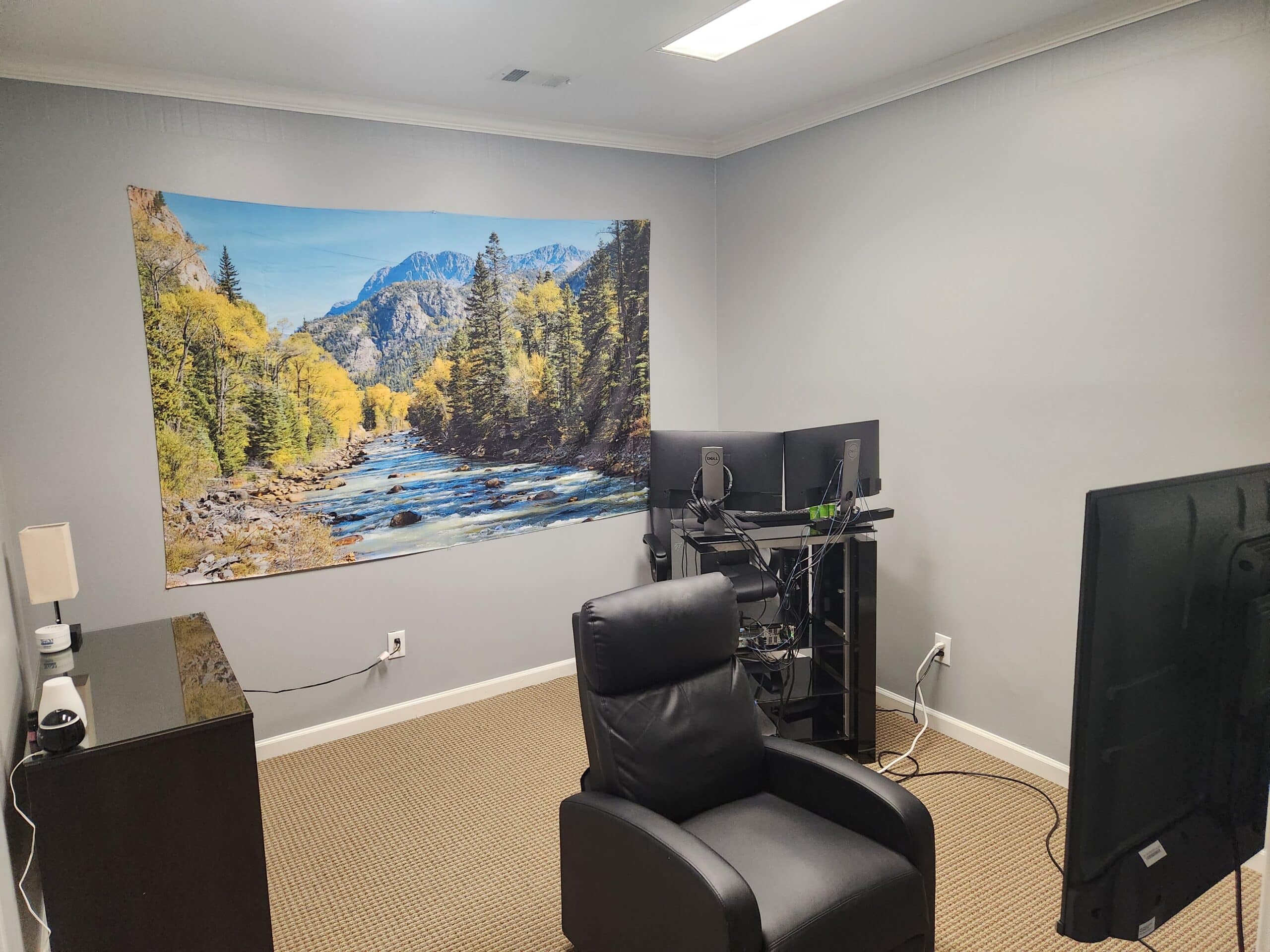
Check Out Our Facility in Atlanta, GA

Discover why our programs are top rated today. Talk with our admissions team about the right treatment plan to bring lasting recovery.

Diagnosing Narcissistic Personality Disorder

Diagnosing narcissistic personality disorder requires a comprehensive evaluation by a qualified mental health professional. Clinicians consider personality traits, self-esteem regulation, interpersonal relationships, emotional patterns, sense of self, early life experiences, and whether the behaviors remain consistent across time and different situations.

The Diagnostic and Statistical Manual of Mental Disorders, Fifth Edition, Text Revision, describes nine diagnostic features of NPD, with at least five required for the diagnosis. The American Psychiatric Association also emphasizes that occasional narcissistic traits are not the same as a personality disorder. NPD involves patterns that are persistent, maladaptive, and associated with meaningful distress or impairment.

Narcissistic Personality Disorder and Other Personality Disorders

Personality disorders can share certain features, which is one reason formal diagnosis matters. Narcissistic personality disorder, borderline personality disorder, and antisocial personality disorder can all affect interpersonal relationships, but the patterns driving those difficulties are not identical. The comparison below highlights broad distinctions clinicians may consider.

Condition Common Clinical Themes Important Distinction
Narcissistic personality disorder Grandiosity, need for admiration, impaired empathy, difficulty regulating self-esteem Interpersonal patterns often center on maintaining self-esteem or a sense of specialness
Borderline personality disorder Emotional instability, fear of abandonment, unstable relationships, identity disturbance Emotional and relationship shifts are often tied strongly to abandonment sensitivity and difficulty regulating intense emotions
Antisocial personality disorder Disregard for othersโ€™ rights, deceitfulness, impulsivity, or repeated rule violations Exploitation may be more strongly associated with material or personal gain
Other personality disorders Persistent patterns affecting thinking, emotions, relationships, or behavior Symptoms depend on the specific personality disorder and its underlying pattern

Because these conditions can overlap in certain behaviors, clinicians look at motivation, emotional patterns, personality functioning, and long-term interpersonal context rather than relying on a single trait.

Request A Confidential Call

Help is Here When You're Ready

If you or someone you love is struggling with substance use or other mental health issues, Inner Voyage Recovery can help. Request a callback below to receive care and support you can trust.

"*" indicates required fields

Co-Occurring Conditions and Narcissistic Personality

NPD frequently does not occur in isolation. Depression, anxiety disorders, bipolar disorder, post-traumatic stress disorder, substance use disorders, eating disorders, and other personality disorders may complicate the clinical picture. Mood symptoms or substance use can also make it harder to determine which behaviors are persistent personality traits and which are connected to another mental health condition.

This overlap is particularly important when someone is using alcohol or drugs to regulate self-esteem, manage rejection, escape shame, or cope with interpersonal conflict. Treating the substance use without addressing the underlying emotional and relational patterns may leave important drivers of the behavior untouched. Clinical sources likewise recognize depressive disorders, substance use disorders, and other personality disorders as common co-occurring conditions.

How Narcissistic Personality Disorder Is Generally Treated

Psychotherapy is the primary approach used to treat narcissistic personality disorder. Treatment is often a longer-term therapeutic process because personality functioning, relationship patterns, self-esteem regulation, and deeply held narcissistic beliefs develop over time. Progress may involve greater self-reflection, stronger emotion regulation, improved interpersonal awareness, and healthier responses to criticism or conflict.

The therapeutic alliance is especially important. A consistent relationship with a qualified mental health provider can create room to examine painful patterns without reinforcing shame or defensiveness. Treatment goals may include developing a more stable sense of self, improving empathy, strengthening coping skills, and building healthier relationships.

Experience the Inner Voyage Difference

How can our Atlanta Detox program help you?

New Skills

Learn to manage stress with mindfulness, breathing, exercise, and more.

Stability

Get help building a routine that works for your life and recovery.

Caring Staff

Our alumni love us, and you will too. We have 67 five-star reviews (and growing).

Insurance Acceptedโ€จ

We accept major insurance carriers. And if youโ€™re inclined, we have self-pay and other options. Just ask our admissions staff!

Veteran Support

Youโ€™ll benefit from our staffโ€™s specialized trainings and support for veterans. We understand what youโ€™ve experienced, and can help you process it for good and leave it in the past.

Therapy Approaches Used for Narcissistic Personality Disorder

Several therapeutic approaches may be considered depending on the personโ€™s needs. Psychodynamic psychotherapy can explore how early life experiences, attachment, self-esteem, and unconscious relationship patterns contribute to current difficulties. Mentalization-based treatment may help a person better understand their own mental states and those of other people.

Cognitive behavioral approaches can also help identify rigid narcissistic beliefs, challenge unhelpful thought patterns, and develop more flexible responses to interpersonal stress. When a person is also receiving care for substance use or another qualifying mental health concern, CBT Atlanta may support those co-occurring treatment goals as part of outpatient care.

Dialectical Behavior Therapy and Emotion Regulation

Dialectical behavior therapy was originally developed for borderline personality disorder, but DBT-informed skills such as mindfulness, distress tolerance, interpersonal effectiveness, and emotion regulation may also be useful when a person struggles with intense emotions or reactive interpersonal patterns.

For clients receiving outpatient care for substance use or another qualifying mental health condition, DBT therapy Atlanta may help strengthen emotional regulation and distress-tolerance skills. These tools can complement other appropriate mental health treatment when multiple concerns are present.

Group Therapy and Family Relationships

Group therapy can provide an interpersonal setting where people practice listening, receive feedback, recognize recurring relationship patterns, and communicate more effectively. Family therapy may also help loved ones improve boundaries, reduce unhealthy interaction patterns, and communicate more clearly when personality traits or mental health concerns affect the family system.

Within Inner Voyageโ€™s outpatient programs, group therapy Atlanta and family therapy Atlanta may support qualifying substance use and co-occurring mental health treatment goals. The role of these therapies depends on the concerns being treated and the individual care plan.

Your Path to Recovery Made Simple

How to Begin Your Recovery Journey

We know beginning treatment can feel intimidating, so weโ€™ve made the process simple and stress-free.

1

Get in touch
with us

Call or complete our contact form to connect with an admissions specialist who takes the time to listen and understand your situation.

2

Complete an assessment
& insurance review

Our team will review your history, discuss your needs, and confirm insurance coverage or explore self-pay options to make things easy.
3

Start your
treatment

Begin a personalized program built around your goals, supported by evidence-based care and a compassionate clinical team.

Medication Management and Other Mental Health Conditions

There is no medication specifically approved to treat narcissistic personality disorder itself. Prescription medications may sometimes be used when another diagnosed mental health condition occurs alongside NPD, such as depression, anxiety, bipolar disorder, or significant mood instability.

For qualifying clients receiving outpatient treatment for co-occurring mental health or substance use concerns, psychiatry Atlanta can provide psychiatric assessment and medication management when clinically appropriate.

Narcissistic Personality Disorder and Substance Use

Substance use may become intertwined with narcissistic symptoms in several ways. Alcohol or drugs may temporarily blunt low self-esteem, shame, interpersonal distress, rejection, or the emotional impact of a personal crisis. At the same time, substance use can increase impulsivity, relationship conflict, mood instability, and difficulty engaging consistently in therapy.

When substance use is part of the picture, treatment should address it directly rather than assuming every difficulty stems from the personality disorder. Inner Voyage provides outpatient care for qualifying substance use and co-occurring mental health concerns, including therapy, psychiatric support, medication management when appropriate, and structured outpatient programming. When coordinating care, consider personality disorder-specific needs alongside the broader clinical picture.

The Best Atlanta PHP

How can our Atlanta PHP program help you?

Depth

The best way to achieve lasting recovery is deep healing. We guide you to what needs to be healed, and help you through it.

Support

Weโ€™re your partner and guide, every step of the way. With that level of support, recovery is more likely.

Strength

There is strength in your journey. Youโ€™ve gotten this far. Now letโ€™s take it all the way. We rely on your strengths as much as ours.

Accountability

Call it accountability, โ€œtough love,โ€ or whatever you like: We hold you to a higher standard. We see your potential and help you realize it.

Aftercare

No recovery is complete without aftercare planning and support. Our Alumni program helps you stick to sobriety for good.

Flexibility

Join our PHP and get support that fits your schedule. We specialize in helping busy adults get the support they need.

Outpatient Dual Diagnosis Care at Inner Voyage

Inner Voyage provides outpatient treatment for qualifying adults with substance use and co-occurring mental health concerns. When personality traits or a diagnosed personality disorder are also part of someoneโ€™s history, the treatment team can consider how those patterns may affect substance use, emotional regulation, relationships, motivation, and recovery without assuming that every concern has the same cause.

When more structure is appropriate, Atlanta IOP can provide multiple therapy sessions each week while clients continue living outside the treatment setting. The appropriate level of outpatient care depends on the concerns being treated, current symptoms, substance use, psychiatric stability, home support, and the personโ€™s ability to participate safely and consistently.

When Higher Levels of Care Are Required

When higher levels of care are required because a person is experiencing severe psychiatric instability, an acute mental health crisis, serious substance-related complications, an inability to function safely, or another condition requiring continuous supervision, more intensive services may be necessary before outpatient treatment is appropriate.

These higher levels of care are separate from Inner Voyageโ€™s outpatient programs. Once the person is clinically stable enough to participate safely, outpatient treatment may focus on co-occurring mental health conditions, substance use, relationship patterns, self-esteem regulation, coping skills, and longer-term behavioral change.

Find A New Way Forward with Inner Voyage Recovery Center

Frequently asked questions

A mental health professional diagnoses narcissistic personality disorder by looking at long-standing personality traits, self-esteem regulation, interpersonal relationships, emotional responses, and personality functioning across different situations. The Diagnostic and Statistical Manual used by the American Psychiatric Association identifies specific criteria for a formal diagnosis and requires at least five features. Diagnosing narcissistic personality disorder also involves ruling out other mental health conditions that could better explain the symptoms.

Yes. Narcissistic personality disorder can occur alongside other mental disorders, including mood disorders, anxiety, post-traumatic stress disorder, bipolar disorder, substance use disorders, and other personality disorders. Co-occurring conditions can influence narcissistic symptoms, emotional regulation, self-criticism, and the treatment plan. Proper treatment considers the personโ€™s broader mental health rather than focusing on NPD symptoms alone

Borderline personality disorder and narcissistic personality disorder can both affect sense of self, emotional stability, and intimate relationships, but the underlying patterns differ. People with NPD may struggle with a grandiose sense of self-importance, dysregulated self-esteem, sensitivity to criticism, or a fragile ego. Borderline personality disorder more often involves intense fear of abandonment, unstable relationships, and marked emotion regulation difficulties. A mental health provider can distinguish these patterns through careful assessment.

Narcissistic personality disorder treatment primarily relies on talk therapy. The therapeutic process may include cognitive behavioral approaches, psychodynamic therapy, dialectical behavior therapy skills, group therapy, or family therapy depending on individual needs. Treatment can support self-reflection, distress tolerance, healthier coping skills, improved self-direction, and stronger interpersonal interactions. Long-term therapy may be needed because pathological personality traits and narcissistic beliefs often develop over many years.

Antisocial personality disorder and narcissistic personality disorder may both involve difficult interpersonal behavior, but they are distinct diagnoses. NPD commonly centers on self-esteem regulation, admiration, entitlement, and maintaining a sense of self-importance. Antisocial personality disorder involves a broader pattern of disregarding the rights of others, deceitfulness, impulsivity, or rule violations. A qualified clinician considers motivation, behavior over time, interpersonal context, and other mental health conditions before diagnosing.

Inner Voyage Recovery Centerโ€™s Top Values

Every treatment will be uniquely tailored to you, because youโ€™re unique.

Sober Living

Our team is 100% sober, including from Alcohol. We help our clients achieve sobriety and stick to it through thick and thin, because sobriety is the foundation of a fulfilling life.

Integrity

Our team is 100% sober, including from Alcohol. We help our clients achieve sobriety and stick to it through thick and thin, because sobriety is the foundation of a fulfilling life.

Everyone Belongs

Our team is 100% sober, including from Alcohol. We help our clients achieve sobriety and stick to it through thick and thin, because sobriety is the foundation of a fulfilling life.

Limitless Potential

Our team is 100% sober, including from Alcohol. We help our clients achieve sobriety and stick to it through thick and thin, because sobriety is the foundation of a fulfilling life.

Reviews

Hear from those who’ve walked this path

Begin Dual Diagnosis Care at Inner Voyage

Personality traits and mental health conditions can influence how someone experiences stress, relationships, substance use, and recovery. When addiction or another qualifying mental health concern is present, addressing those overlapping needs can create a stronger foundation for long-term stability.

At Inner Voyage Recovery Center, our outpatient programs support qualifying adults with co-occurring mental health and substance use concerns through individualized dual-diagnosis care. Contact us by calling (470) 460-8437 to discuss your needs, insurance coverage, and available outpatient treatment options.

If youโ€™re looking for more information, connect with our team by phone, email, or through our online form. Weโ€™re here to answer your questions, talk through your options, and support you as you begin your path toward lasting recovery.

Sources

American Psychiatric Association. (2024). What Is Narcissistic Personality Disorder?. American Psychiatric Association.

Merck Manual Professional Edition. (2025). Narcissistic Personality Disorder (NPD). Merck & Co., Inc.

National Library of Medicine. (2024). Narcissistic Personality Disorder. StatPearls, NCBI Bookshelf.

National Library of Medicine. (2023). Narcissistic Personality Disorder: Progress in Understanding and Treatment. Focus: The Journal of Lifelong Learning in Psychiatry.

Free & Easy Insurance Check

Alliant logo featuring a small black triangle followed by "Alliant" in bold black italic text.

Request a Confidential Call

"*" indicates required fields

This field is for validation purposes and should be left unchanged.
Preferred Method*
Get Treatment For All Your Healthcare Needs

Other Mental Health Treatments

Request A Confidential Call

Request a call and an Inner Voyage Recovery Center team member will be in touch.

"*" indicates required fields