Request a call to speak with an admissions specialist. We are here to help you.

"*" indicates required fields

Treatment For Mood Disorder

Living with a mood disorder can affect far more than how you feel from one day to the next. Depression, bipolar disorder, chronic mood swings, and other emotional changes can influence sleep, energy, relationships, work, and the way you cope with stress. When alcohol or other substances become part of that coping pattern, treatment may need to address both concerns together. Mood disorder treatment can include psychotherapy, medication management, lifestyle support, and care for co-occurring substance use when needed. At Inner Voyage Recovery Center, our outpatient mental health and dual-diagnosis programs focus on understanding the whole picture rather than treating symptoms in isolation.

Free Insurance Check

Free & Confidential | HIPAA Compliant | No Obligation

"*" indicates required fields

1
2
3
4
This field is for validation purposes and should be left unchanged.
Group therapy session at Inner Voyage Recovery Center in Atlanta for mood disorder treatment.

What Is a Mood Disorder?

A mood disorder is a mental health condition that causes persistent or significant changes in a personโ€™s emotional state. These changes may involve a depressed mood, periods of unusually elevated or irritable energy, frequent mood swings, or a combination of symptoms that interfere with daily life.

Mood disorders include major depressive disorder, persistent depressive disorder, bipolar I disorder, bipolar II disorder, cyclothymic disorder, seasonal affective disorder, and premenstrual dysphoric disorder (PMDD). Although symptoms differ, people with mood disorders may struggle with sleep, motivation, concentration, energy, relationships, or emotional regulation.

If you are navigating both a mood disorder and an addiction, your needs are valid and treatable. Seeking bipolar disorder treatment or care for severe depression means looking at the whole picture. Treating the substance use on its own will not heal the underlying emotional pain. Real recovery calls for an integrated setting, which is why specialized dual diagnosis treatment centers Georgia matter so much. They address both conditions at once, with empathy and clinical expertise.
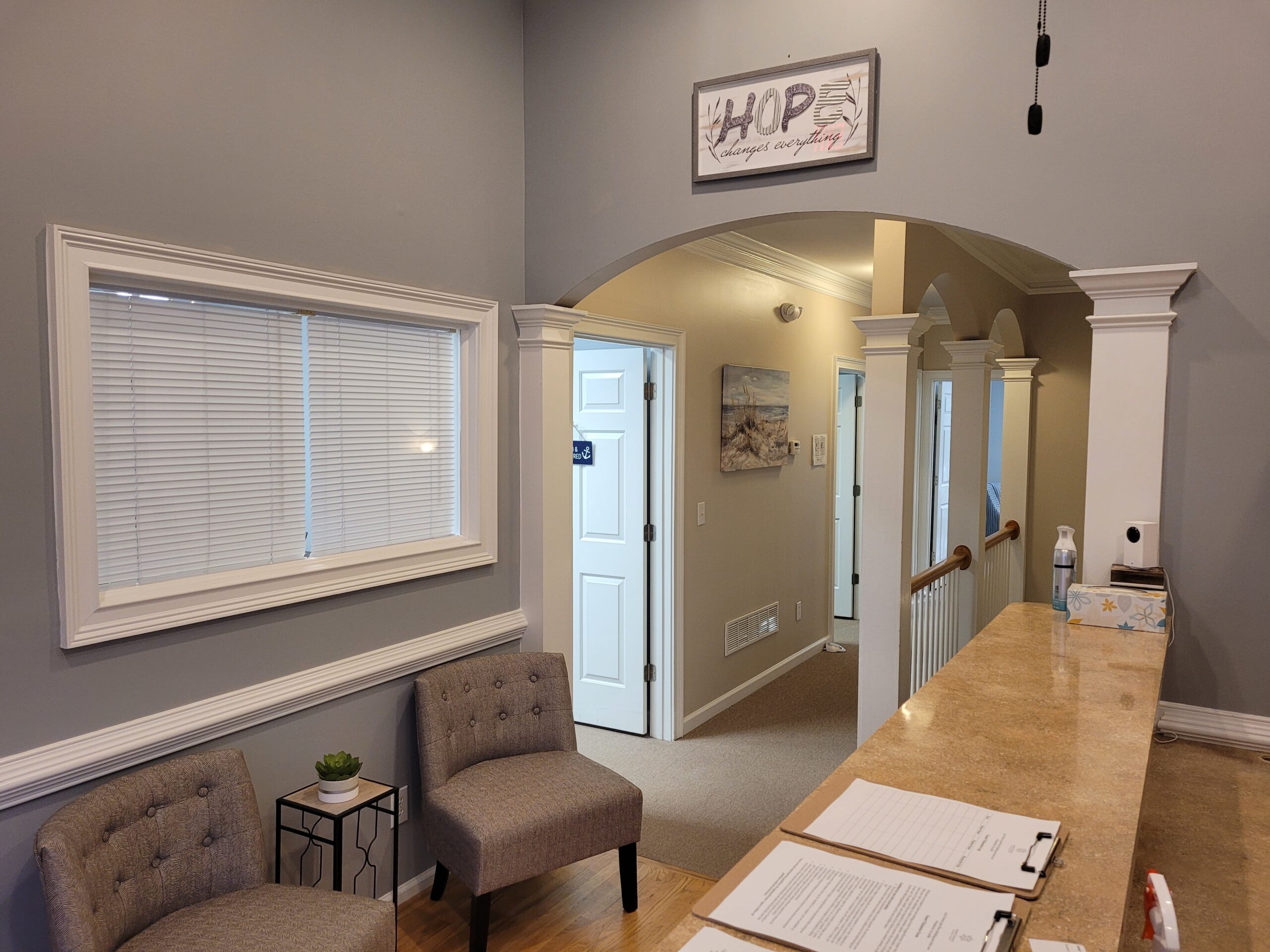
Table of Contents

Common Depressive Disorders and Bipolar Disorders

Mood disorders can take several forms, and the symptoms, duration, and patterns of mood changes can differ significantly from one diagnosis to another. Depressive disorders are generally characterized by persistent low mood and related symptoms, while bipolar and related disorders involve periods of depression alongside episodes of elevated or unusually irritable mood.

Understanding these differences is important because mood disorders are not treated identically. A mental health professional considers the type and duration of symptoms, depressive or manic episodes, medical history, substance use, and other mental health concerns when developing an individualized treatment plan.

Major Depressive Disorder and Persistent Depressive Disorder

Major depressive disorder, sometimes called major depression or clinical depression, involves depressive symptoms that persist for at least two weeks and significantly interfere with daily functioning. Symptoms may include low mood, loss of interest, fatigue, changes in sleep or appetite, difficulty concentrating, and feelings of worthlessness or hopelessness.

Persistent depressive disorder involves a longer-lasting depressed mood. In adults, symptoms continue for at least two years, although their intensity may fluctuate. Mild depression can still affect well-being, relationships, motivation, and physical health even when symptoms do not feel as severe as a major depressive episode.

Bipolar I Disorder, Bipolar II Disorder, and Cyclothymic Disorder

Bipolar disorder includes shifts between depressive symptoms and periods of elevated or irritable mood. Bipolar I disorder involves at least one manic episode, while bipolar II disorder involves depressive episodes alongside hypomanic episodes that are less severe than full mania.

Cyclothymic disorder involves ongoing mood swings that are less intense than those seen in bipolar I or bipolar II disorder but still disrupt everyday life. Racing thoughts, reduced need for sleep, impulsivity, increased energy, or periods of depressed mood can all be important pieces of a mood disorder diagnosis. When bipolar symptoms are present, bipolar disorder treatment Atlanta may be relevant within outpatient care.

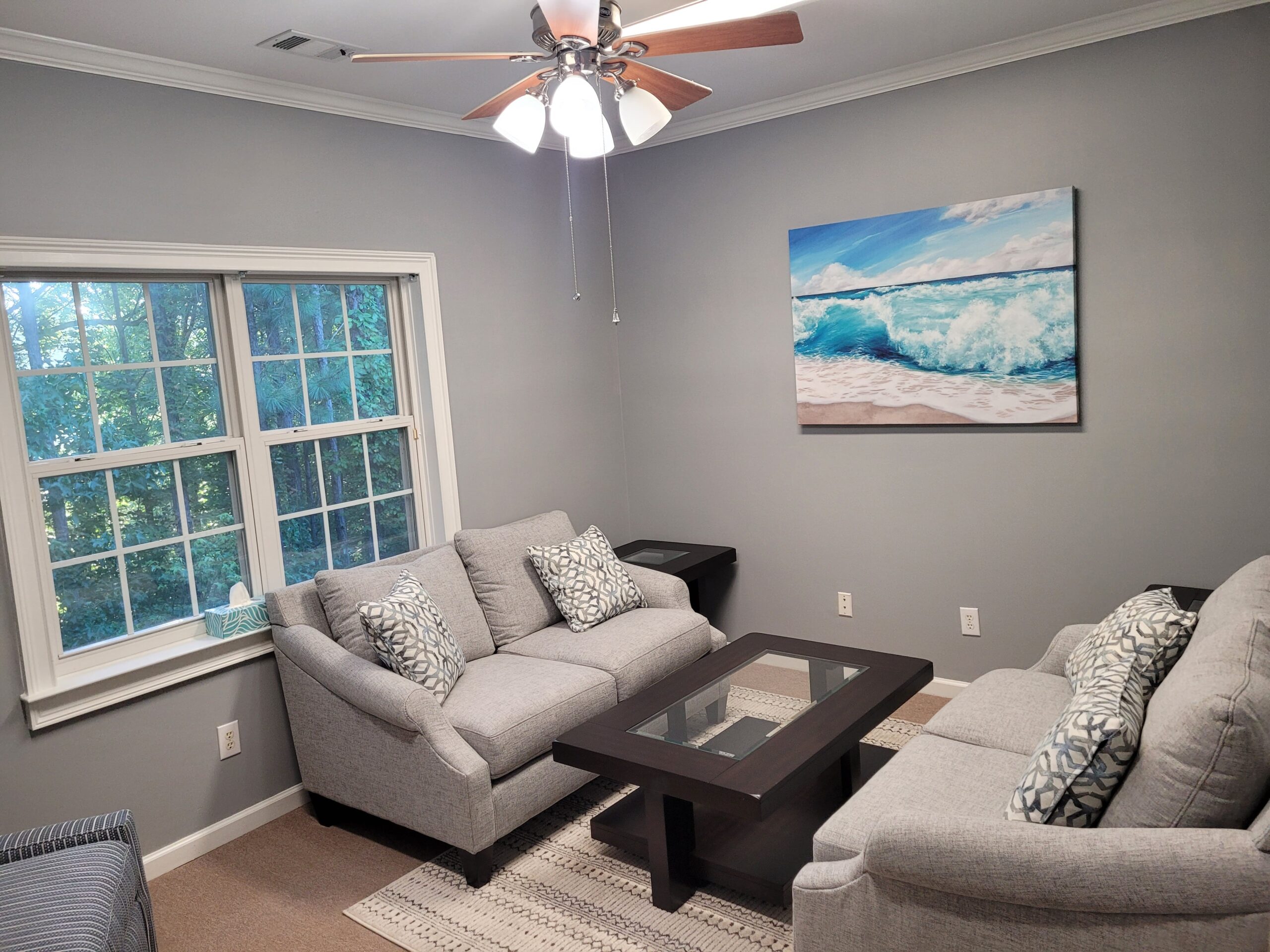
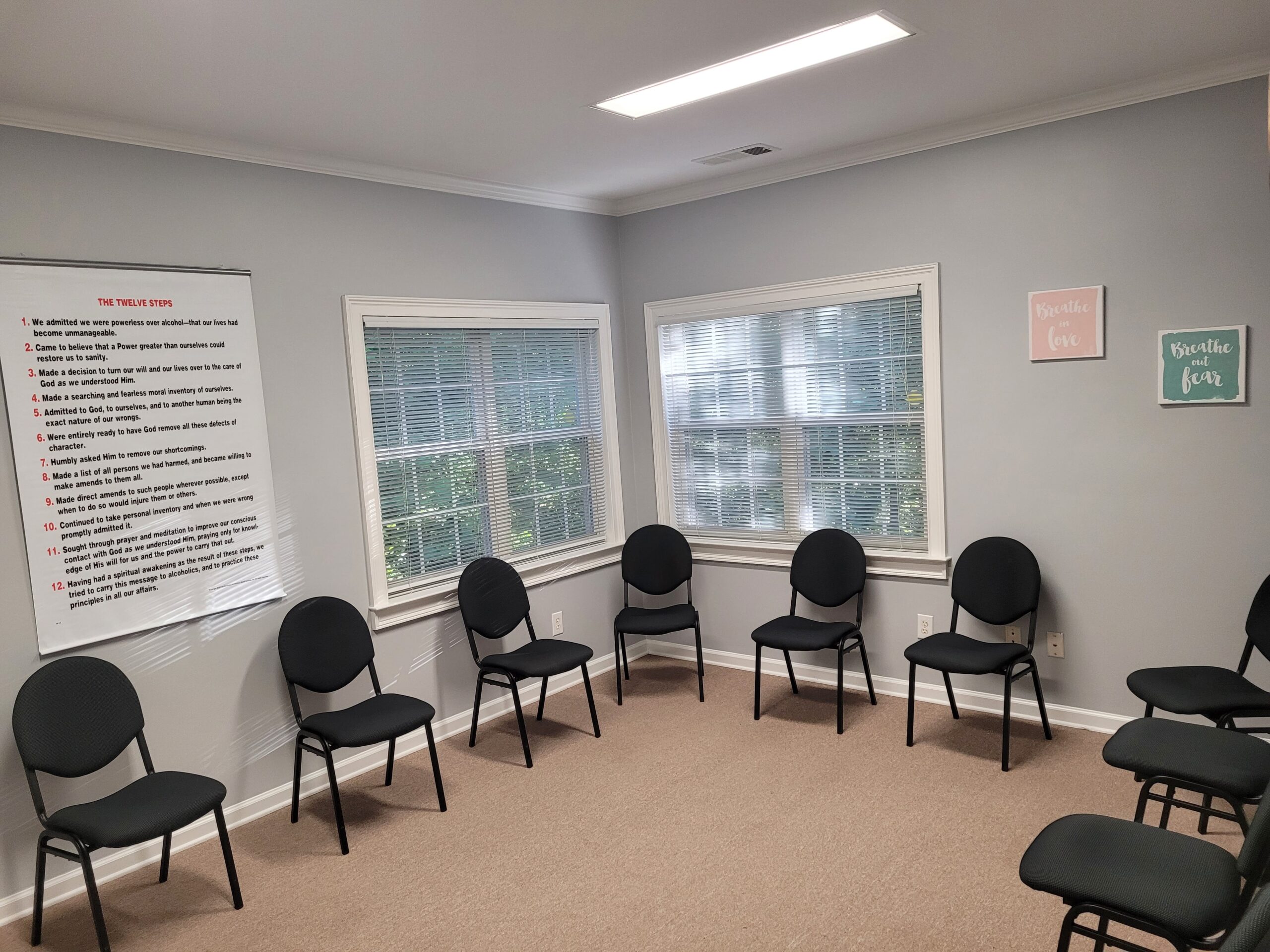
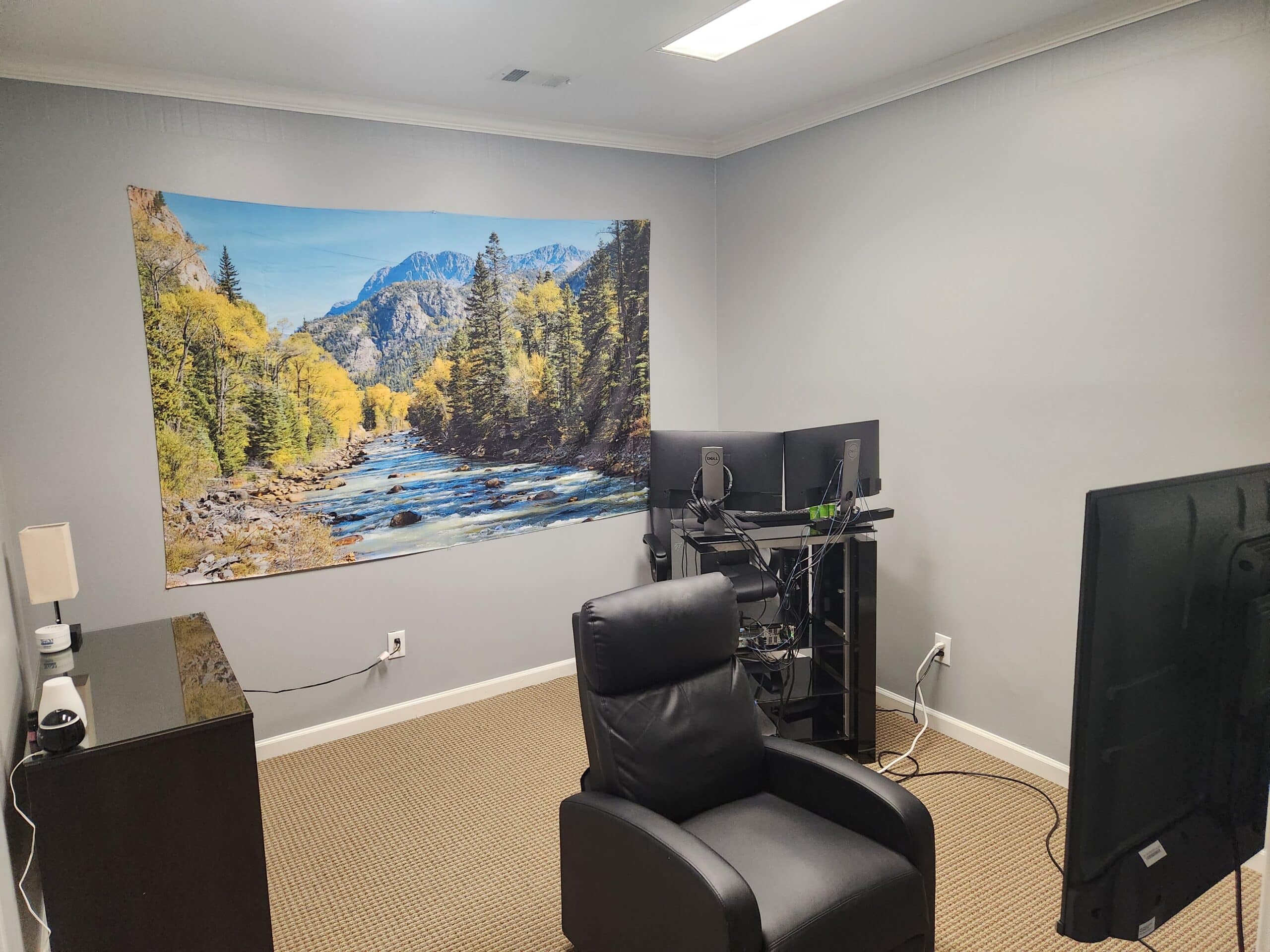
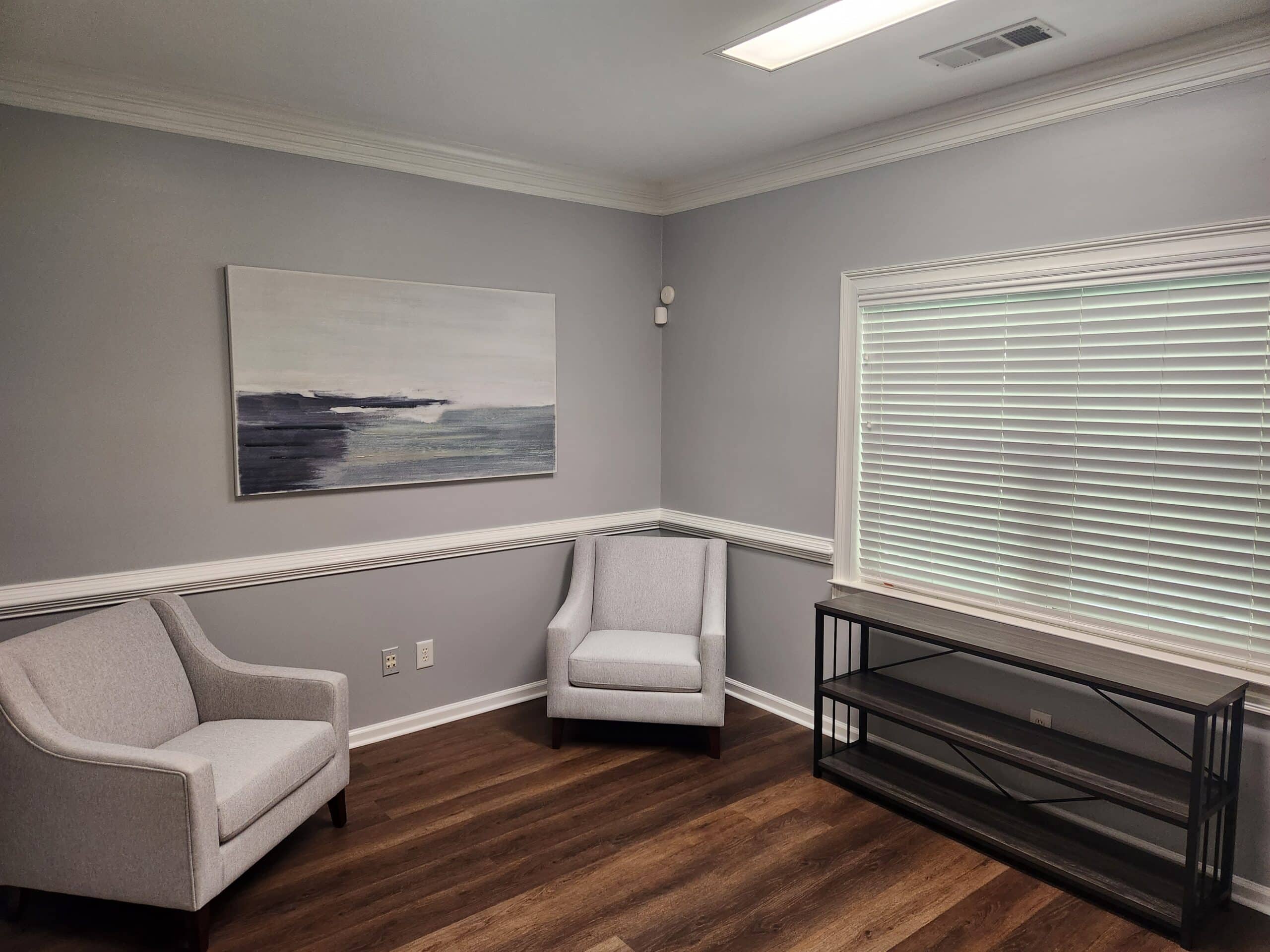
Check Out Our Facility in Atlanta, GA

Discover why our programs are top rated today. Talk with our admissions team about the right treatment plan to bring lasting recovery.

Other Mood Disorders and Medical Conditions

Other mood disorders may be connected to hormonal changes, life stages, environmental factors, or medical conditions. Seasonal affective disorder (SAD), for example, follows a seasonal pattern. Premenstrual dysphoric disorder (PMDD) involves significant mood symptoms related to the menstrual cycle, while postpartum depression can occur during the pregnancy and postpartum period.

Certain medical conditions can also produce symptoms that resemble a mood disorder. Thyroid problems, neurological conditions, some medications, substance use, and other physical health concerns may affect mood. This is one reason a thorough psychiatric and medical assessment matters before deciding on treatment.

How Is a Mood Disorder Diagnosis Made?

There is no single blood test or scan that confirms most mood disorders. A mood disorder diagnosis is generally based on a psychiatric evaluation, symptom history, physical health review, and the length and severity of mood changes. Mental health professionals may also use standardized questionnaires to understand the frequency and impact of symptoms.

Diagnosis matters most when symptoms could have multiple explanations. Substance abuse can mimic or worsen mood disorder symptoms, and anxiety disorders, personality disorders, psychotic disorders, or medical conditions may overlap with depression or bipolar symptoms.

A thoughtful assessment looks at depressive episodes, manic episodes, sleep, substance use, family history, chronic stress, genetic factors, environmental factors, medications, and other risk factors before creating an individualized treatment plan.

Request A Confidential Call

Help is Here When You're Ready

If you or someone you love is struggling with substance use or other mental health issues, Inner Voyage Recovery can help. Request a callback below to receive care and support you can trust.

"*" indicates required fields

Mood Disorders and Co-Occurring Substance Use

Mood disorders and substance use disorders can influence one another in complex ways. Someone experiencing severe depression may use alcohol or drugs for temporary relief from emotional pain. A person experiencing manic or hypomanic symptoms may become more impulsive and increase substance use. In turn, substances can disrupt sleep, intensify mood swings, and make symptoms harder to evaluate accurately.

When both conditions are present, dual diagnosis treatment centers Georgia can provide coordinated care for mental health and substance use at the same time. At Inner Voyage, dual-diagnosis support is designed around a shared treatment plan rather than asking clients to manage two separate treatment paths.

Integrated care may include therapy, psychiatric support, medication management, substance use treatment, and practical coping skills. This coordinated approach helps the treatment team distinguish between withdrawal effects, substance-induced mood symptoms, and an underlying mood disorder while adjusting care as the person stabilizes.

How Mood Disorder Treatment Supports Mental Health

Mood disorder treatment is individualized because the right approach depends on the diagnosis, symptom severity, physical health, substance use, and personal history. Many people benefit from a combination of psychotherapy, medication management, and lifestyle support rather than one intervention alone.

Treatment plans may also change over time. A person experiencing severe depression may initially need more frequent psychiatric monitoring, while someone who has achieved greater mood stability may focus more heavily on therapy, relationships, relapse prevention, and daily coping skills.

At Inner Voyage, outpatient mental health care can be integrated with substance use treatment when co-occurring conditions are present. This allows the treatment team to consider the personโ€™s emotional well-being and recovery needs together.

Cognitive Behavioral Therapy for Mood Disorders

Cognitive behavioral therapy can help people identify negative thought patterns that contribute to depressive symptoms, anxiety, hopelessness, or unhealthy coping behaviors. CBT also teaches practical ways to challenge those thoughts and respond differently when difficult emotions arise. Through CBT Atlanta, clients may work on behavioral activation, emotional awareness, problem-solving, and coping strategies that support mood stability and substance use recovery.

Dialectical Behavior Therapy and Emotional Regulation

Dialectical behavior therapy (DBT) focuses heavily on mindfulness, distress tolerance, interpersonal effectiveness, and emotional regulation. These skills can be useful for people who struggle with intense mood swings, frequent anger outbursts, impulsive behavior, or difficulty managing emotional distress.

DBT therapy Atlanta can help qualifying clients learn how to tolerate difficult emotions without immediately acting on them. DBT does not replace medication or other forms of mental health care when those treatments are needed, but it can strengthen the coping skills used between appointments.

Experience the Inner Voyage Difference

How can our Atlanta Detox program help you?

New Skills

Learn to manage stress with mindfulness, breathing, exercise, and more.

Stability

Get help building a routine that works for your life and recovery.

Caring Staff

Our alumni love us, and you will too. We have 67 five-star reviews (and growing).

Insurance Acceptedโ€จ

We accept major insurance carriers. And if youโ€™re inclined, we have self-pay and other options. Just ask our admissions staff!

Veteran Support

Youโ€™ll benefit from our staffโ€™s specialized trainings and support for veterans. We understand what youโ€™ve experienced, and can help you process it for good and leave it in the past.

Individual, Group, and Family Therapy

Different therapy formats can support different aspects of mood disorder treatment. Individual therapy Atlanta gives clients space to explore depressive symptoms, mood swings, chronic stress, trauma, substance use, and other personal concerns in a private setting.

Group therapy Atlanta can reduce isolation and provide opportunities to practice communication, emotional regulation, and coping strategies with others. When mood symptoms affect relationships at home, family therapy Atlanta may help loved ones improve communication and better understand the recovery process.

Medication Management for Mood Disorders

Medication management may be part of mood disorder treatment when clinically appropriate. Selective serotonin reuptake inhibitors (SSRIs) and other antidepressants are commonly prescribed for depressive disorders, while bipolar disorder often requires mood stabilizers or certain atypical antipsychotic medications.

Medication choices require careful evaluation. Antidepressants that may be appropriate for major depressive disorder are not automatically appropriate for bipolar disorder, particularly when manic episodes are part of the clinical picture. A prescriber may consider diagnosis, symptom history, physical health, substance use, other medications, and potential side effects before making a recommendation.

Through psychiatry Atlanta, qualifying clients can receive psychiatric assessment and medication management as part of their outpatient treatment plan. Medication can help alleviate symptoms, while therapy addresses the thought patterns, behaviors, stressors, and underlying concerns that medication alone cannot resolve.

Lifestyle Support and Holistic Mental Health Care

Therapy and medication can be important parts of mood disorder treatment, but everyday routines also influence emotional well-being. Consistent sleep, movement, nutrition, stress management, and healthy social connection can support the broader treatment plan.

Holistic therapy Atlanta may incorporate practices that encourage mindfulness, nervous system regulation, and greater awareness of the relationship between physical health and emotional state. These approaches complement evidence-based mental health care rather than replacing it.

To support long-term stability, we encourage specific lifestyle modifications. These daily habits naturally strengthen your mood regulation:

  • Consistent sleep hygiene: Maintaining a steady sleep schedule is critical. Quality sleep helps your brain process emotions and reduces irritability.
  • Regular physical exercise: Movement releases endorphins and balances stress hormones. Whether it is yoga, walking, or strength training, exercise improves your energy and mental clarity.
  • Limiting alcohol and drugs: Complete abstinence from recreational substances allows your brain chemistry to heal and stabilize.
  • Mindfulness and meditation: These practices teach you to observe your thoughts without judgment, and they are excellent tools for managing sudden cravings or anxiety spikes.
  • Nutritional support: Eating a balanced diet provides the essential nutrients your brain needs to repair itself during recovery.

These habits can strengthen the work being done in therapy and support greater consistency in daily life. Lifestyle changes are not a substitute for mental health care, but they can help reinforce emotional stability, stress management, and long-term recovery when used alongside an individualized treatment plan.

Your Path to Recovery Made Simple

How to Begin Your Recovery Journey

We know beginning treatment can feel intimidating, so weโ€™ve made the process simple and stress-free.

1

Get in touch
with us

Call or complete our contact form to connect with an admissions specialist who takes the time to listen and understand your situation.

2

Complete an assessment
& insurance review

Our team will review your history, discuss your needs, and confirm insurance coverage or explore self-pay options to make things easy.
3

Start your
treatment

Begin a personalized program built around your goals, supported by evidence-based care and a compassionate clinical team.

Outpatient Mood Disorder Treatment at Inner Voyage

Inner Voyage provides outpatient mental health and substance use treatment for adults who are clinically appropriate for this level of care. When mood symptoms occur alongside alcohol or drug use, a coordinated dual-diagnosis plan can address both concerns without separating mental health care from addiction recovery.

Depending on individual needs, outpatient care may include therapy, psychiatry, medication management, group support, holistic approaches, and treatment for co-occurring anxiety, trauma, or substance use. The frequency and structure of treatment should reflect the personโ€™s symptoms, stability, support system, and recovery goals. For people who need more structure than standard outpatient appointments, Atlanta IOP can provide multiple treatment sessions each week while clients continue living at home.

Partial Hospitalization and Structured Outpatient Care

A partial hospitalization program Atlanta provides a more intensive daytime treatment schedule while remaining an outpatient level of care. PHP may be appropriate when mood symptoms or co-occurring substance use require substantial clinical structure without overnight treatment.

The right level of care depends on medical and psychiatric stability, symptom severity, substance use, safety, and the personโ€™s ability to function outside scheduled treatment hours.

The Best Atlanta PHP

How can our Atlanta PHP program help you?

Depth

The best way to achieve lasting recovery is deep healing. We guide you to what needs to be healed, and help you through it.

Support

Weโ€™re your partner and guide, every step of the way. With that level of support, recovery is more likely.

Strength

There is strength in your journey. Youโ€™ve gotten this far. Now letโ€™s take it all the way. We rely on your strengths as much as ours.

Accountability

Call it accountability, โ€œtough love,โ€ or whatever you like: We hold you to a higher standard. We see your potential and help you realize it.

Aftercare

No recovery is complete without aftercare planning and support. Our Alumni program helps you stick to sobriety for good.

Flexibility

Join our PHP and get support that fits your schedule. We specialize in helping busy adults get the support they need.

When Higher Levels of Care Are Required

When higher levels of care are required because of severe symptoms, inability to remain safe, acute mania, psychosis, serious substance withdrawal, or another medical or psychiatric concern, a more supervised setting may be necessary before outpatient treatment is appropriate.

Higher levels of care can include emergency evaluation, inpatient psychiatric stabilization, residential treatment, or other medically supervised services depending on the situation. These settings are separate from the outpatient programs Inner Voyage provides.

Once a person is stable enough for outpatient care, treatment can focus on continuing mood stabilization, substance use recovery, coping skills, medication management, and the transition back into everyday life.

Find A New Way Forward with Inner Voyage Recovery Center

Frequently asked questions

Mood disorders affect more than a personโ€™s emotional state. Symptoms of mood disorders can influence sleep, energy, concentration, relationships, work, motivation, and decision-making. Depression may cause persistent low mood and loss of interest, while bipolar conditions can involve depressive and elevated mood episodes. Genetics, chronic stress, substance use, medical conditions, and significant life events are among the factors that may increase a personโ€™s likelihood of developing mood disorders.

Depression and bipolar disorder can both involve depressive episodes, but bipolar disorders also include periods of mania or hypomania. This distinction matters because the approaches used to treat depression are not automatically appropriate for bipolar disorder. Treatment may combine medication with talk therapy, including cognitive behavioral therapy, to address symptoms and help stabilize mood. A careful diagnosis helps determine which approach is appropriate.

Mood disorders are diagnosed through clinical assessment rather than one definitive laboratory test. A mental health professional may review symptoms, their duration and severity, family and medical history, substance use, medications, and other possible explanations. Conditions such as anxiety disorders, panic disorder, thyroid problems, or substance-induced symptoms can sometimes overlap with mood symptoms, making a thorough evaluation important.

Yes. Mood disorders can occur during childhood and adolescence as well as adulthood. Younger people may show irritability, withdrawal, changes in sleep or school performance, or frequent emotional outbursts. Disruptive mood dysregulation disorder, for example, is diagnosed in children and involves persistent irritability and severe, recurrent temper outbursts. Professional evaluation helps distinguish these symptoms from developmentally typical emotional changes.

Mood disorders are often treated with psychotherapy, medication, or a combination of approaches, but some people continue experiencing significant symptoms. Treatment-resistant depression may require adjustments to medication, different forms of psychotherapy, or other treatments. For severe cases, specialized medical providers may consider brain stimulation therapy such as electroconvulsive therapy (ECT), which Inner Voyage does not offer. Treatment should be individualized according to diagnosis, previous response, medical history, and symptom severity.

Inner Voyage Recovery Centerโ€™s Top Values

Every treatment will be uniquely tailored to you, because youโ€™re unique.

Sober Living

Our team is 100% sober, including from Alcohol. We help our clients achieve sobriety and stick to it through thick and thin, because sobriety is the foundation of a fulfilling life.

Integrity

Our team is 100% sober, including from Alcohol. We help our clients achieve sobriety and stick to it through thick and thin, because sobriety is the foundation of a fulfilling life.

Everyone Belongs

Our team is 100% sober, including from Alcohol. We help our clients achieve sobriety and stick to it through thick and thin, because sobriety is the foundation of a fulfilling life.

Limitless Potential

Our team is 100% sober, including from Alcohol. We help our clients achieve sobriety and stick to it through thick and thin, because sobriety is the foundation of a fulfilling life.

Reviews

Hear from those who’ve walked this path

Begin Mood Disorder and Dual Diagnosis Treatment at Inner Voyage

Mood disorders can affect relationships, work, physical health, substance use, and a personโ€™s overall sense of stability. The right treatment plan looks beyond a single symptom and considers diagnosis, emotional patterns, medical needs, environmental stressors, and the ways a person has learned to cope.

At Inner Voyage Recovery Center, our outpatient mental health and dual-diagnosis programs bring therapy, psychiatric support, and substance use treatment together when co-occurring conditions are present. Care is individualized so clients can work toward greater emotional stability while building practical skills for long-term recovery. Contact us by calling (470) 460-8437 to discuss your symptoms, insurance coverage, and available outpatient treatment options.

If youโ€™re looking for more information, connect with our team by phone, email, or through our online form. Weโ€™re here to answer your questions, talk through your options, and support you as you begin your path toward lasting recovery.

Sources

National Institute of Mental Health. (n.d.). Depression. National Institute of Mental Health.

National Institute of Mental Health. (n.d.). Finding Help for Co-Occurring Substance Use and Mental Disorders. National Institute of Mental Health.

National Institute on Drug Abuse. (September 30, 2024). Co-Occurring Disorders and Health Conditions. National Institute on Drug Abuse.

Substance Abuse and Mental Health Services Administration. (September 26, 2025). Managing Life with Co-Occurring Disorders. Substance Abuse and Mental Health Services Administration.

Free & Easy Insurance Check

Alliant logo featuring a small black triangle followed by "Alliant" in bold black italic text.

Request a Confidential Call

"*" indicates required fields

This field is for validation purposes and should be left unchanged.
Preferred Method*
Get Treatment For All Your Healthcare Needs

Other Mental Health Treatments

Request A Confidential Call

Request a call and an Inner Voyage Recovery Center team member will be in touch.

"*" indicates required fields