Request a call to speak with an admissions specialist. We are here to help you.

"*" indicates required fields

Relapse Prevention Strategies for Addiction Recovery

Relapse prevention helps people recognize warning signs, understand triggers, and develop coping skills before substance use returns. Relapse is often a process rather than a single event, and changes in emotions, thinking, routines, or support can appear before a physical return to alcohol or drug use. At Inner Voyage Recovery Center, relapse prevention is incorporated into individualized outpatient addiction and dual-diagnosis treatment for qualifying adults. Care can focus on substance use, mental health, cravings, coping strategies, relationships, and the practical supports needed to protect long-term recovery.

Free Insurance Check

Free & Confidential | HIPAA Compliant | No Obligation

"*" indicates required fields
1
2
3
4
This field is for validation purposes and should be left unchanged.
Therapist and client discussing relapse prevention strategies in a cozy office.

Understanding Relapse and Warning Signs

Relapse can develop through emotional, mental, and physical changes rather than appearing without warning. For people receiving care through dual diagnosis treatment centers Georgia, recognizing those shifts may also involve understanding how anxiety, depression, trauma-related symptoms, or other qualifying mental health concerns affect cravings, stress tolerance, and substance use.

Table of Contents

Emotional Relapse

Emotional relapse may involve changes in self-care, mood, routines, or connection with others before someone is consciously thinking about substance use. Warning signs can include isolation, poor sleep, bottling up feelings, skipping therapy, or neglecting basic needs.

Paying attention to these shifts matters because early intervention may be simpler than waiting for cravings or planning to use to become more intense.

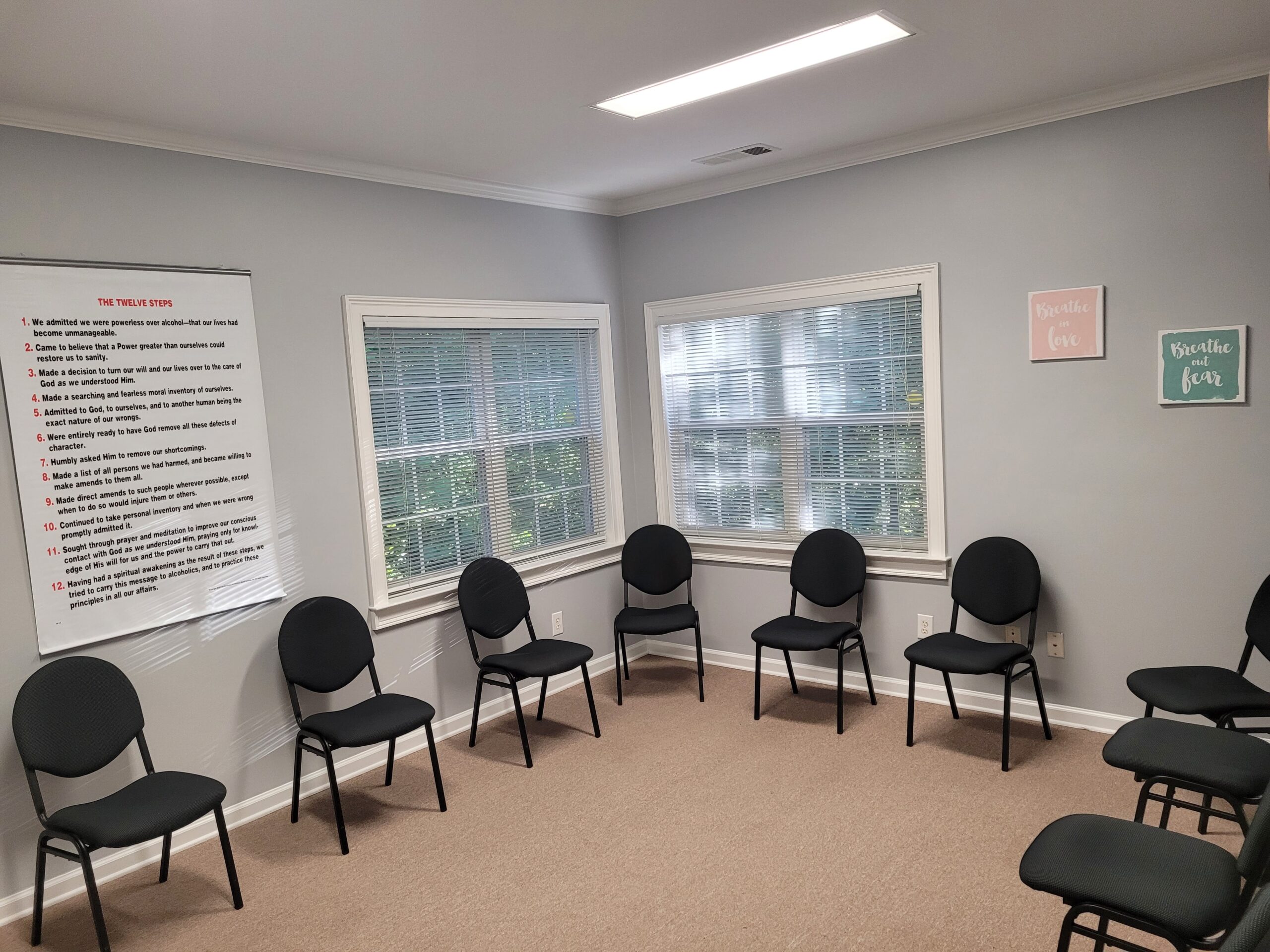
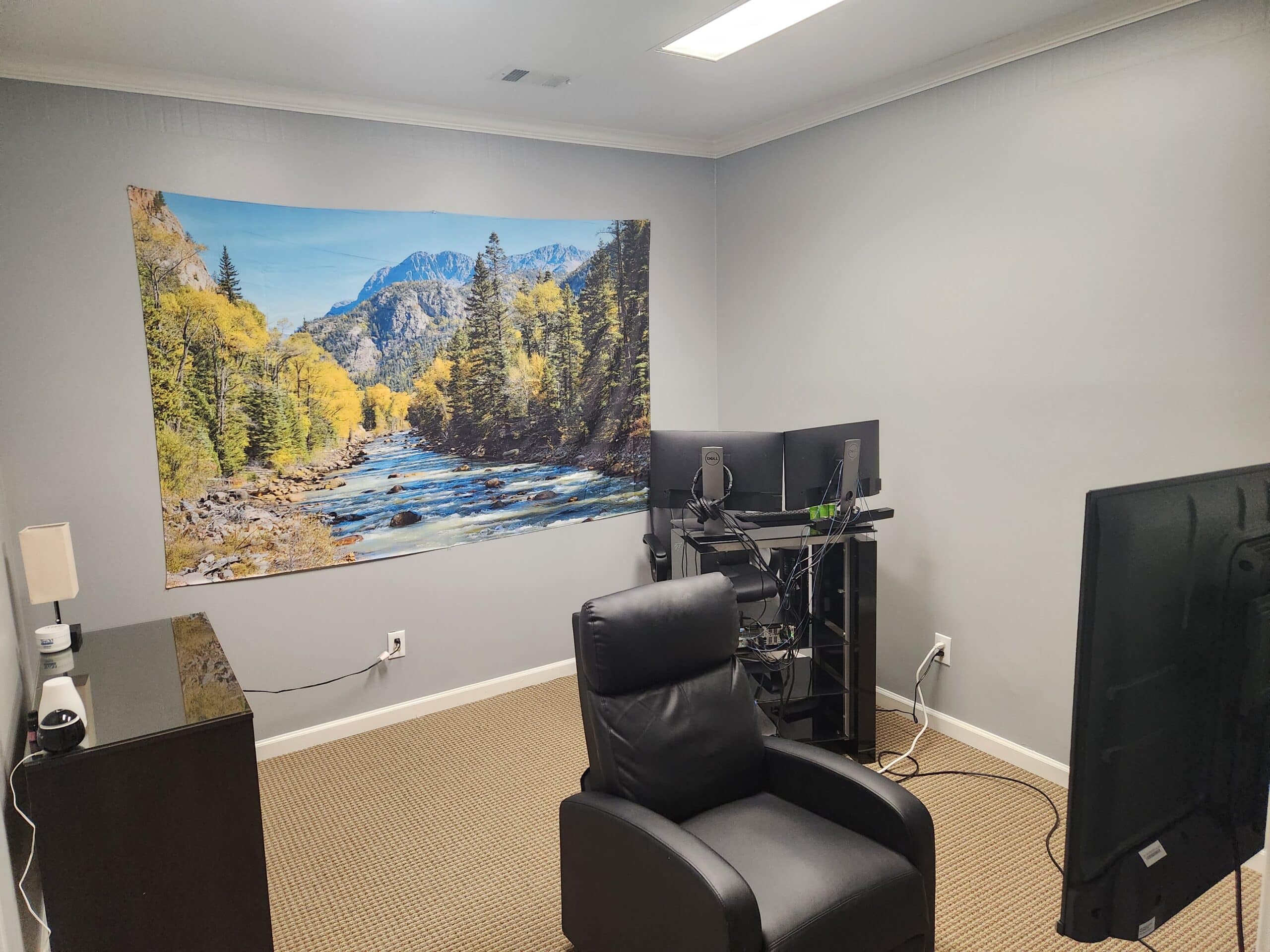
Check Out Our Facility in Atlanta, GA

Discover why our programs are top rated today. Talk with our admissions team about the right treatment plan to bring lasting recovery.

Mental Relapse

Mental relapse involves a growing internal conflict between wanting to stay in recovery and wanting to return to alcohol or other drugs. A person may begin romanticizing past use, thinking about people or places connected to past use, bargaining with themselves, or experiencing stronger cravings.

This is often the point where coping strategies, peer support, therapy, and a written relapse prevention plan become especially important.

Physical Relapse

Physical relapse occurs when substance use resumes after a period of abstinence or reduced use. A brief lapse and a more sustained return to problematic use are not always the same, but either can signal that the current plan needs review.

Returning to treatment quickly after a lapse can help reduce the likelihood that one episode turns into a longer pattern of substance use.

Request A Confidential Call

Help is Here When You're Ready

If you or someone you love is struggling with substance use or other mental health issues, Inner Voyage Recovery can help. Request a callback below to receive care and support you can trust.

"*" indicates required fields

Building a Relapse Prevention Plan

A relapse prevention plan should be practical enough to use during a difficult day, not just something discussed once in therapy. It can identify high-risk situations, personal warning signs, coping strategies, support contacts, and steps to take when cravings intensify.

A useful plan may include:

  • Personal warning signs: Changes in sleep, mood, isolation, negative self-talk, skipped appointments, or renewed interest in past use.
  • Potential triggers: Internal triggers such as anxiety, shame, anger, or loneliness, and external triggers such as people, places, or situations connected to substance use.
  • Coping strategies: Skills for managing cravings, emotional distress, or high-risk situations without alcohol or other drugs.
  • Support contacts: Family members, friends, peer support, counselors, or others you can contact before risk increases.
  • Immediate next steps: Specific actions to take when warning signs appear, such as leaving a risky environment, attending therapy, or increasing treatment support.

Reviewing and adjusting the relapse prevention plan regularly can help keep it useful as recovery circumstances change.

High-Risk Situations and Potential Triggers

High-risk situations are the people, places, emotions, or circumstances that increase the likelihood of substance use. Triggers can be internal, such as anxiety, low self-esteem, anger, grief, or negative self-talk, or external, such as a familiar bar, an old using friend, or a stressful social setting.

Identifying triggers is not about avoiding life forever. It is about understanding where risk rises and planning a response before cravings become harder to manage.

Experience the Inner Voyage Difference

How can our Atlanta Detox program help you?

New Skills

Learn to manage stress with mindfulness, breathing, exercise, and more.

Stability

Get help building a routine that works for your life and recovery.

Caring Staff

Our alumni love us, and you will too. We have 67 five-star reviews (and growing).

Insurance Acceptedโ€จ

We accept major insurance carriers. And if youโ€™re inclined, we have self-pay and other options. Just ask our admissions staff!

Veteran Support

Youโ€™ll benefit from our staffโ€™s specialized trainings and support for veterans. We understand what youโ€™ve experienced, and can help you process it for good and leave it in the past.

Relapse Prevention Techniques for Common Triggers

Different triggers call for different coping skills. The goal is to build several strategies so one difficult moment does not depend on a single response.

High-Risk Situation Possible Warning Sign Relapse Prevention Technique
Social pressure Urge to drink or use to feel more comfortable Leave early, call support, use grounding skills
Conflict or anger Racing thoughts, resentment, impulsive reactions Pause, use breathing or DBT skills, contact a therapist
Loneliness Reaching out to people connected to past use Contact peer support, family, or a recovery friend
Exhaustion Reduced judgment, irritability, stronger cravings Prioritize sleep, food, rest, and treatment attendance
Exposure to past-use environments Romanticizing prior substance use Leave the setting, review consequences, use the relapse prevention plan

Relapse prevention techniques work best when they are practiced before a high-risk situation occurs.

Mindfulness-Based Relapse Prevention

Mindfulness can help people notice cravings, thoughts, and emotions without automatically acting on them. Mindfulness-based relapse prevention combines awareness practices with relapse-prevention skills so clients can notice discomfort while choosing a response that supports recovery.

Techniques such as urge surfing, paced breathing, and grounding can help reduce craving intensity for some people. The goal is not to make every urge disappear, but to increase the ability to tolerate it without returning to substance use.

Your Path to Recovery Made Simple

How to Begin Your Recovery Journey

We know beginning treatment can feel intimidating, so weโ€™ve made the process simple and stress-free.

1

Get in touch
with us

Call or complete our contact form to connect with an admissions specialist who takes the time to listen and understand your situation.

2

Complete an assessment
& insurance review

Our team will review your history, discuss your needs, and confirm insurance coverage or explore self-pay options to make things easy.
3

Start your
treatment

Begin a personalized program built around your goals, supported by evidence-based care and a compassionate clinical team.

Cognitive Behavioral Therapy and Negative Self-Talk

Cognitive behavioral therapy can help clients identify thought patterns that increase relapse risk, including hopelessness, all-or-nothing thinking, and negative self-talk after a difficult day or a lapse.

CBT Atlanta can help clients examine the connection between thoughts, emotions, and substance use. Reframing thoughts such as โ€œI already failed, so it does not matter what happens nextโ€ can be especially important in reducing the Abstinence Violation Effect, where guilt after a lapse contributes to a more sustained return to use.

Motivational Interviewing and Preventing Relapse

Motivational interviewing can support relapse prevention by helping clients reconnect with their own reasons for recovery when motivation begins to slip. A counselor may help the person explore current behaviors, past successes, long-term goals, and the consequences of returning to substance use.

This approach can be especially helpful when a client feels torn between wanting to maintain abstinence and wanting short-term relief from cravings or emotional distress. Motivational interviewing supports autonomy while keeping the focus on recovery goals.

The Best Atlanta PHP

How can our Atlanta PHP program help you?

Depth

The best way to achieve lasting recovery is deep healing. We guide you to what needs to be healed, and help you through it.

Support

Weโ€™re your partner and guide, every step of the way. With that level of support, recovery is more likely.

Strength

There is strength in your journey. Youโ€™ve gotten this far. Now letโ€™s take it all the way. We rely on your strengths as much as ours.

Accountability

Call it accountability, โ€œtough love,โ€ or whatever you like: We hold you to a higher standard. We see your potential and help you realize it.

Aftercare

No recovery is complete without aftercare planning and support. Our Alumni program helps you stick to sobriety for good.

Flexibility

Join our PHP and get support that fits your schedule. We specialize in helping busy adults get the support they need.

Peer Support and Family Members

Regular contact with supportive peers, family members, counselors, and other members of a support network can help clients recognize warning signs sooner and respond before risk escalates.

Peer support can provide accountability and reduce isolation, while family therapy Atlanta may help loved ones understand triggers, communicate more effectively, and support recovery without taking control of the process.

Relapse Prevention in Addiction Treatment

Relapse prevention is not a separate level of care. It can be incorporated throughout outpatient addiction treatment as clients practice coping skills, identify triggers, and adjust their plan when life circumstances change.

A partial hospitalization program Atlanta can provide a highly structured outpatient setting for clients who need substantial support. Atlanta IOP and the evening intensive outpatient program can support continued skill practice while clients return to more daily responsibilities. Outpatient rehab Atlanta can provide lower-intensity ongoing treatment as clinical needs change.

When Higher Levels of Care Are Required

When higher levels of care are required because someone needs medical stabilization, continuous supervision, withdrawal management, or another more intensive level of support, those needs should be addressed before outpatient treatment begins.

These higher levels of care are separate from Inner Voyageโ€™s outpatient programs. Once a client is clinically appropriate for outpatient care, relapse prevention can continue through therapy, structured support, dual-diagnosis treatment, coping-skills development, and ongoing monitoring.

Long-Term Recovery and Ongoing Support

Recovery is an ongoing process, and relapse prevention should evolve as the personโ€™s life changes. New jobs, relationships, grief, health problems, stress, or changes in routine can create new triggers that were not relevant earlier in treatment.

An alumni program for addiction can provide continued connection after more structured outpatient care ends. Staying engaged with therapy, peer support, family, and other recovery resources can help clients notice early warning signs and update their plan over time.

Find A New Way Forward with Inner Voyage Recovery Center

Frequently asked questions

Substance use can return gradually through changes in thoughts, emotions, routines, cravings, and behavior. For someone with a substance use disorder, relapse prevention focuses on recognizing those changes early and using the skills needed to respond before alcohol or other drugs become the default coping strategy again. An alcohol relapse or return to other substance use does not erase earlier progress, but it can signal that the recovery process, treatment plan, medication needs, or available support should be reviewed.

A lapse is often used to describe a brief return to alcohol or drug use followed by a return to recovery, while relapse may involve a more sustained return to problematic substance use. The distinction matters because one episode does not have to lead to a longer pattern. For example, reaching out to a counselor, using social support, reviewing triggers, and re-engaging in treatment quickly may help prevent a lapse from becoming a more serious setback.

Relapse prevention skills may include mindfulness, grounding, cognitive strategies, healthy routines, emotional regulation, and asking for support before cravings intensify. Some people use the HALT reminder, which stands for Hungry, Angry, Lonely, and Tired, to identify basic states that can increase vulnerability. Mindfulness-based cognitive therapy and related mindfulness practices may also help patients notice thoughts, cravings, and emotions without immediately acting on the desire to drink or use other substances.

Social support can reduce isolation and give participants a place to talk openly about challenges, cravings, and progress. Regular participation in support groups may help some people feel less alone and stay connected to recovery. Alcoholics Anonymous (AA) is one widely recognized peer-support option for alcoholism, while other groups and community resources are also available. The benefit of any support group depends on the personโ€™s needs, preferences, and willingness to engage.

There is no single relapse prevention schedule that fits every patient or substance addiction. Some structured relapse prevention interventions use a set number of sessions, including models organized around weekly treatment, while other approaches continue for longer based on the personโ€™s symptoms, co-occurring disorders, relapse risk, medication needs, and progress. Ongoing treatment matters because the plan can change as new triggers emerge. This applies across outpatient care, behavioral health, human services, and settings such as the criminal justice system, where treatment may need to account for different barriers, responsibilities, and recovery goals.

Inner Voyage Recovery Centerโ€™s Top Values

Every treatment will be uniquely tailored to you, because youโ€™re unique.

Sober Living

Our team is 100% sober, including from Alcohol. We help our clients achieve sobriety and stick to it through thick and thin, because sobriety is the foundation of a fulfilling life.

Integrity

Our team is 100% sober, including from Alcohol. We help our clients achieve sobriety and stick to it through thick and thin, because sobriety is the foundation of a fulfilling life.

Everyone Belongs

Our team is 100% sober, including from Alcohol. We help our clients achieve sobriety and stick to it through thick and thin, because sobriety is the foundation of a fulfilling life.

Limitless Potential

Our team is 100% sober, including from Alcohol. We help our clients achieve sobriety and stick to it through thick and thin, because sobriety is the foundation of a fulfilling life.

Reviews

Hear from those who’ve walked this path

Strengthen Relapse Prevention With Inner Voyage

Relapse prevention is not about expecting recovery to be effortless. Cravings, stress, difficult emotions, and tough days can happen. The goal is to recognize risk earlier, use coping skills more consistently, and know when to reach for additional support before substance use returns. At Inner Voyage Recovery Center, relapse prevention is incorporated into individualized outpatient addiction and dual-diagnosis treatment for qualifying adults. Contact us by calling (470) 460-8437 to speak with our admissions team about your needs and available outpatient treatment options.

If youโ€™re looking for more information, connect with our team by phone, email, or through our online form. Weโ€™re here to answer your questions, talk through your options, and support you as you begin your path toward lasting recovery.

Sources

Melemis, S. M. (2015). Relapse Prevention and the Five Rules of Recovery. Yale Journal of Biology and Medicine.

National Center for Biotechnology Information. Relapse Prevention. StatPearls.

Bowen, S., Chawla, N., & Marlatt, G. A. Mindfulness-Based Relapse Prevention for Substance Use Disorders. National Center for Biotechnology Information.

National Institute on Drug Abuse. Treatment and Recovery. National Institute on Drug Abuse.

Free & Easy Insurance Check

Alliant logo featuring a small black triangle followed by "Alliant" in bold black italic text.

Request a Confidential Call

"*" indicates required fields

This field is for validation purposes and should be left unchanged.
Preferred Method*
Get Treatment For All Your Healthcare Needs

Other Therapeutic Services

Request A Confidential Call

Request a call and an Inner Voyage Recovery Center team member will be in touch.

"*" indicates required fields