Request a call to speak with an admissions specialist. We are here to help you.

"*" indicates required fields

Self-Harm Treatment Program Atlanta

Self-harm can become a way of coping with emotional pain, overwhelming feelings, trauma, or psychological distress when healthier coping strategies feel out of reach. Although self-injury is not always connected to suicidal intent, self-harming behaviors deserve professional attention because they can cause serious injury and may occur alongside depression, anxiety, post-traumatic stress disorder, substance use, or other mental health disorders. Self-harm treatment Georgia options can vary depending on the type of self-injury, the underlying causes, and the level of immediate risk.

Free Insurance Check

Free & Confidential | HIPAA Compliant | No Obligation

"*" indicates required fields

1
2
3
4
This field is for validation purposes and should be left unchanged.
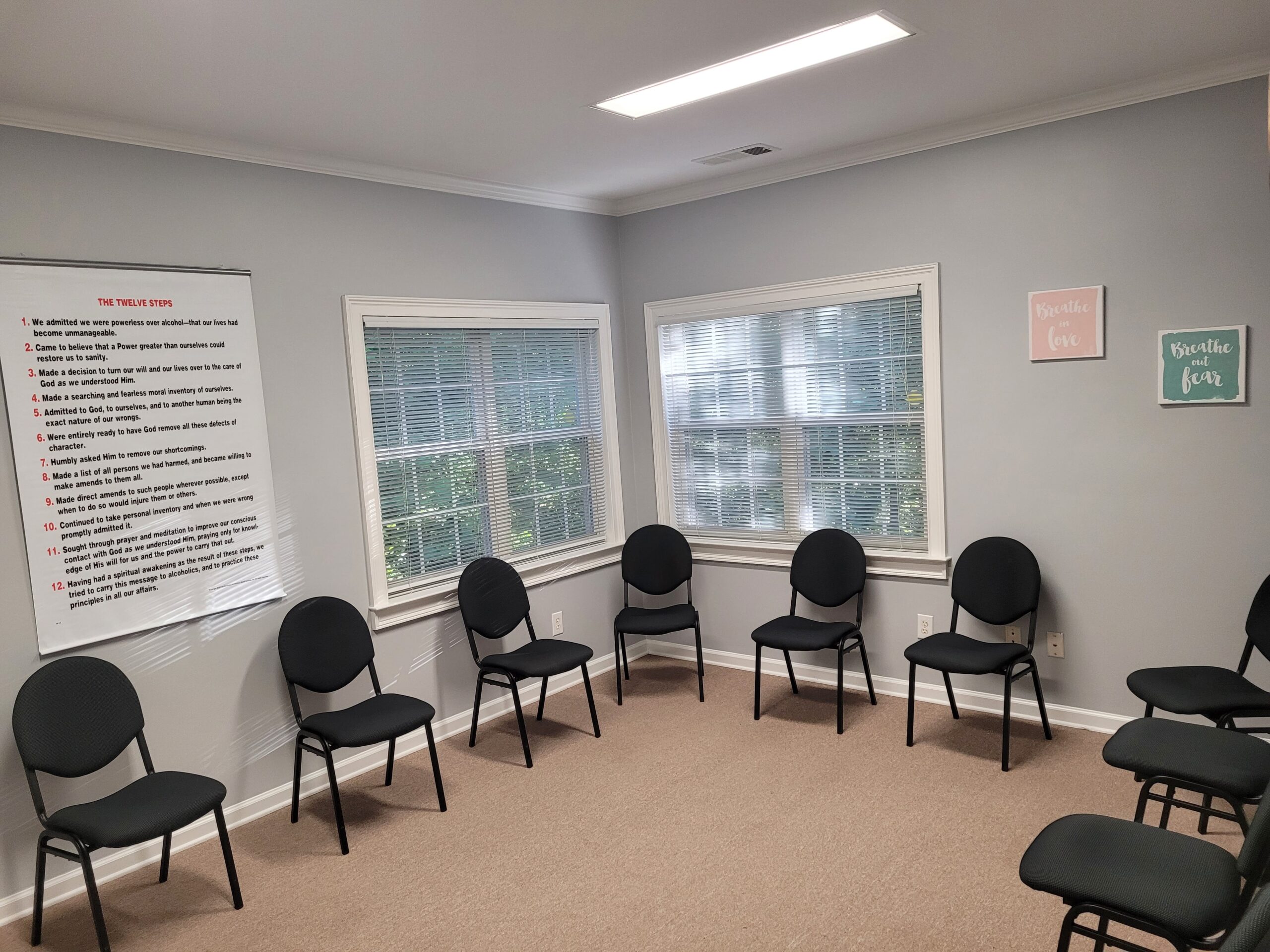
Group therapy session at Inner Voyage Recovery Center in Atlanta.

What Is Self-Harm?

Self-harm refers to intentionally injuring oneself as a way of responding to emotional distress. One common clinical term is nonsuicidal self-injury (NSSI), which describes deliberate self-injury without suicidal intent. Common forms can include cutting, scratching, burning, hitting oneself, or interfering with wound healing.

People may engage in self-harm to alleviate emotional pain, interrupt feelings of numbness, regain a temporary sense of control, or cope with overwhelming emotions. The behavior may provide temporary relief, but it does not resolve underlying emotional issues and can become a repeated coping mechanism.

Self-harm can occur alongside various mental health disorders, including depression, anxiety, trauma-related conditions, eating disorders, and borderline personality disorder. When depression is part of the clinical picture, depression treatment Atlanta may be relevant within a broader outpatient treatment plan.

Table of Contents

Common Forms of Self-Harm and Self-Injury

Self-injurious behavior looks different for everyone. Cutting may be one of the most recognized forms, but people can injure themselves in other ways or hide the behavior from family members and friends.

Common forms of self-harm may include:

  • Cutting or scratching: Deliberately breaking or damaging the skin.
  • Burning: Intentionally burning the body.
  • Hitting: Punching oneself or striking the body against hard objects.
  • Interfering with healing: Repeatedly reopening wounds or preventing injuries from healing.
  • Other self-injury: Engaging in repetitive behaviors intended to cause physical pain or injury.

Understanding the form of self-injury is only one part of assessment. Mental health professionals also consider what happens before and after the behavior, how frequently it occurs, the degree of physical harm, and which emotions or life events tend to trigger it.

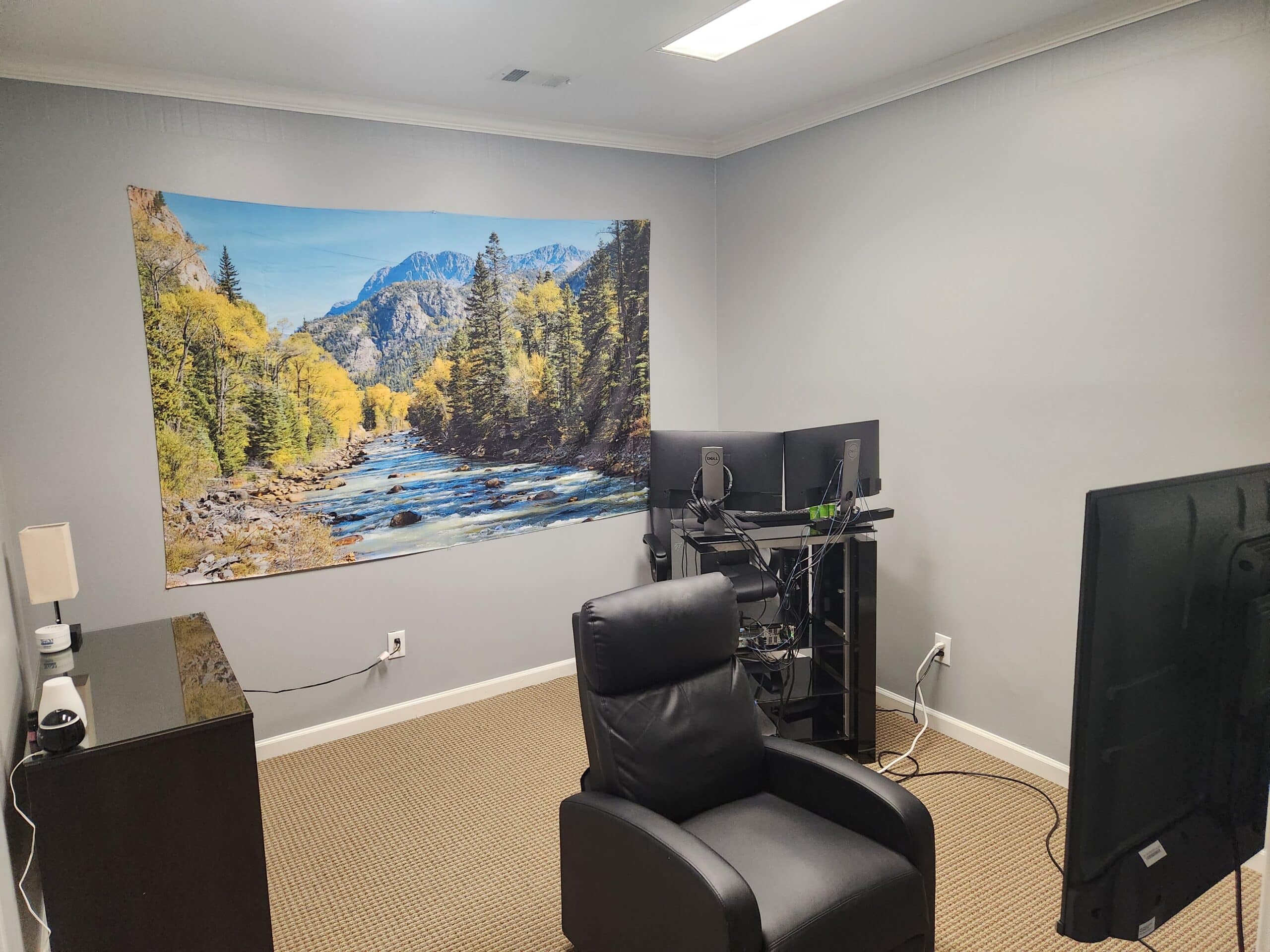
Check Out Our Facility in Atlanta, GA

Discover why our programs are top rated today. Talk with our admissions team about the right treatment plan to bring lasting recovery.

Self-Harm, Suicidal Behavior, and Mental Health

Nonsuicidal self-injury and suicidal behavior are not the same. A person may engage in self-harm without intending to die, but that distinction should not lead family members or clinicians to dismiss the behavior. Research has found an association between a history of nonsuicidal self-injury and increased risk of future suicide attempts.

Assessment should therefore consider suicidal thoughts, previous attempts, the severity of injuries, underlying mental health conditions, substance use, and whether the person can remain safe. Someone experiencing an acute medical or psychiatric emergency may require crisis intervention or a higher level of care before routine outpatient mental health treatment is appropriate.

Responding with compassion rather than punishment or shame can make it easier for a person to discuss what is happening and seek professional support.

Signs and Underlying Causes of Self-Harm

Self-harming behaviors can develop for many reasons. Trauma, bullying, grief, interpersonal conflict, negative self-image, mental health issues, and stressful life events can contribute to emotional distress that feels difficult to express or regulate. Self-harm may then become a way to release tension or create temporary relief.

The behavior often begins during adolescence, although adults can also struggle with self-injury. Rather than assuming there is one cause, an individualized assessment looks at the personโ€™s experiences, mental health, relationships, substance use, and patterns surrounding the behavior.

Identifying underlying issues matters because effective treatment focuses on more than stopping an injury. The goal is to understand what function self-harm serves and develop healthier ways of responding when those same emotions or situations return.

Warning Signs Someone May Engage in Self-Harm

Some signs are physical, while others involve changes in behavior, clothing, privacy, or emotional well-being.

  • Unexplained injuries: Repeated cuts, burns, bruises, or scars without a clear explanation.
  • Covering the body: Wearing long sleeves or pants in warm weather to conceal injuries.
  • Keeping potentially harmful objects: Hiding or collecting sharp objects without another clear purpose.
  • Increasing isolation: Withdrawing from relationships, activities, or family members.
  • Intense emotional changes: Experiencing overwhelming feelings, numbness, shame, anger, or severe emotional distress.
  • Negative self-talk: Expressing worthlessness, self-hatred, or an unusually negative self-image.

These signs do not prove that someone is self-harming. They are reasons to approach the person with concern and encourage an open, nonjudgmental conversation.

Request A Confidential Call

Help is Here When You're Ready

If you or someone you love is struggling with substance use or other mental health issues, Inner Voyage Recovery can help. Request a callback below to receive care and support you can trust.

"*" indicates required fields

How Mental Health Treatment Can Address Emotional Distress

Treating self-harm involves understanding the emotional and behavioral patterns that make self-injury feel useful in the moment. Simply telling someone to stop rarely addresses the psychological distress, trauma, mental health symptoms, or interpersonal difficulties beneath the behavior.

Therapy can help clients identify triggers, understand the function of self-harm, and develop healthier coping strategies for moments of intense emotion. Treatment may also address underlying mental health conditions such as depression, anxiety, post-traumatic stress disorder, or co-occurring substance use.

The right treatment plan depends on the individual. Some people primarily need help with emotion regulation, while others may need trauma treatment, medication management, substance use care, or support for several co-occurring disorders.

Dialectical Behavior Therapy and Distress Tolerance

Dialectical behavior therapy (DBT) teaches practical skills to manage intense emotions without immediately responding with self-harming behaviors. Core DBT skills include mindfulness, distress tolerance, emotion regulation, and interpersonal effectiveness.

DBT therapy Atlanta may be incorporated into outpatient treatment for qualifying mental health concerns. Distress tolerance skills can help clients move through overwhelming emotions safely, while emotion regulation focuses on recognizing and responding to feelings before they become unmanageable.

DBT also balances acceptance with change. Rather than shaming a person for the coping mechanism they developed, therapy can help them understand its purpose while practicing healthier coping skills that can gradually replace it.

Cognitive Behavioral Therapy and Healthier Coping Strategies

Cognitive behavioral therapy can help identify negative thought patterns, beliefs, and behaviors that contribute to emotional distress. For someone who uses self-injury as a coping mechanism, CBT may focus on recognizing triggers and developing alternative responses before an urge becomes overwhelming.

Through CBT Atlanta, qualifying clients can practice new coping skills within an outpatient treatment plan. Relaxation techniques, problem-solving, emotional awareness, and changes in self-talk may all help a person develop healthier ways to manage distress.

Experience the Inner Voyage Difference

How can our Atlanta Detox program help you?

New Skills

Learn to manage stress with mindfulness, breathing, exercise, and more.

Stability

Get help building a routine that works for your life and recovery.

Caring Staff

Our alumni love us, and you will too. We have 67 five-star reviews (and growing).

Insurance Acceptedโ€จ

We accept major insurance carriers. And if youโ€™re inclined, we have self-pay and other options. Just ask our admissions staff!

Veteran Support

Youโ€™ll benefit from our staffโ€™s specialized trainings and support for veterans. We understand what youโ€™ve experienced, and can help you process it for good and leave it in the past.

Individual, Group, and Family Therapy

Different therapy formats can address different parts of the recovery process. Individual therapy sessions provide private space to explore underlying causes, trauma, self-esteem, and the emotions surrounding self-injury. Individual therapy Atlanta may be part of outpatient care for qualifying mental health or substance use concerns.

Group therapy Atlanta can help reduce isolation while giving participants opportunities to practice coping strategies and interpersonal skills with others. Group therapy sessions can also reinforce the idea that difficult emotions can be discussed rather than hidden or acted upon.

When relationships or family dynamics are relevant, family therapy Atlanta can strengthen communication, boundaries, and support. Family involvement can be especially useful when loved ones need help responding to self-harming behaviors without increasing shame or conflict.

Medication Management for Underlying Mental Health Conditions

There is not one medication that treats self-harm itself. Medication may instead be considered when self-injury occurs alongside an underlying mental health condition such as depression, anxiety, bipolar disorder, or another psychiatric concern.

Through psychiatry Atlanta, medication management may be incorporated into outpatient care when clinically appropriate. A prescriber can consider symptoms, diagnosis, physical health, other medications, substance use, and potential risks when developing an individualized treatment plan.

Medication works best as one part of a broader approach when psychotherapy, behavioral health support, and new coping strategies are also needed.

Your Path to Recovery Made Simple

How to Begin Your Recovery Journey

We know beginning treatment can feel intimidating, so weโ€™ve made the process simple and stress-free.

1

Get in touch
with us

Call or complete our contact form to connect with an admissions specialist who takes the time to listen and understand your situation.

2

Complete an assessment
& insurance review

Our team will review your history, discuss your needs, and confirm insurance coverage or explore self-pay options to make things easy.
3

Start your
treatment

Begin a personalized program built around your goals, supported by evidence-based care and a compassionate clinical team.

Outpatient Mental Health Treatment in Atlanta, Georgia

Inner Voyage provides outpatient mental health and substance use treatment near Atlanta, Georgia. When someone who has engaged in self-harm is medically and psychiatrically stable and has qualifying mental health or substance use concerns, outpatient care may help address the underlying issues contributing to emotional distress.

Depending on clinical needs, outpatient treatment may include individual therapy, group therapy, family therapy, DBT, CBT, psychiatry, and dual-diagnosis care. A personalized treatment plan can focus on underlying mental health issues, coping skills, substance use, relationships, and other concerns affecting daily life.

The appropriate level of treatment depends on current safety, medical needs, symptom severity, available support, and the person’s ability to use coping strategies outside scheduled sessions.

Intensive Outpatient and Partial Hospitalization Programs

Some people benefit from more structure than standard weekly outpatient appointments but still need outpatient care. An Atlanta IOP can provide multiple therapy sessions each week while allowing clients to live at home and maintain daily responsibilities.

A partial hospitalization program Atlanta provides a more structured daytime schedule for qualifying mental health or substance use concerns. Program intensity should be based on a clinical assessment rather than the presence of self-harm alone.

These outpatient programs may support treatment of underlying conditions and coping difficulties when a person is stable enough to participate safely outside treatment hours.

When Higher Levels of Care Are Required

When higher levels of care are required because of severe injury, active suicidal intent, escalating self-harm, inability to remain safe, severe intoxication, psychosis, or another acute concern, immediate medical or psychiatric stabilization should take priority over routine outpatient treatment.

Higher levels of care may include emergency evaluation, inpatient hospitalization, or another supervised setting that can provide the monitoring and crisis intervention required. These settings are distinct from routine outpatient mental health treatment.

Once a person is medically and psychiatrically stable, appropriate outpatient services may help address qualifying mental health, behavioral health, or substance use concerns as part of continuing care.

The Best Atlanta PHP

How can our Atlanta PHP program help you?

Depth

The best way to achieve lasting recovery is deep healing. We guide you to what needs to be healed, and help you through it.

Support

Weโ€™re your partner and guide, every step of the way. With that level of support, recovery is more likely.

Strength

There is strength in your journey. Youโ€™ve gotten this far. Now letโ€™s take it all the way. We rely on your strengths as much as ours.

Accountability

Call it accountability, โ€œtough love,โ€ or whatever you like: We hold you to a higher standard. We see your potential and help you realize it.

Aftercare

No recovery is complete without aftercare planning and support. Our Alumni program helps you stick to sobriety for good.

Flexibility

Join our PHP and get support that fits your schedule. We specialize in helping busy adults get the support they need.

Insurance and Outpatient Mental Health Treatment

Insurance coverage for mental health treatment varies by insurance provider, plan, medical necessity criteria, and the services recommended in the treatment plan. Coverage may also differ between individual therapy, psychiatry, IOP, PHP, and treatment for co-occurring substance use concerns.

Inner Voyage’s admissions team can help prospective clients verify benefits for the outpatient services we provide and explain available next steps. Verification does not guarantee coverage, but it can clarify deductibles, copayments, prior authorization requirements, and other plan-specific details.

How to Support a Loved One Who Engages in Self-Harm

Discovering that someone you care about is engaging in self-harm can bring fear, confusion, or frustration. A calm response can make it easier for the person to talk about what is happening instead of hiding the behavior.

  • Listen without judgment: Give the person room to describe their feelings without immediately demanding that they stop.
  • Take injuries seriously: Encourage appropriate medical attention for injuries that may need professional care.
  • Avoid punishment: Shame, ultimatums, or threats can increase secrecy and emotional distress.
  • Encourage professional support: Help the person connect with qualified mental health professionals who can assess both the self-harm and underlying concerns.
  • Support healthier coping: Encourage coping strategies that help the person move through overwhelming feelings without injury.

Loved ones can provide meaningful support, but they should not be expected to manage serious self-injurious behavior alone. Professional assessment can clarify the level of risk and the type of care that may be appropriate.

Find A New Way Forward with Inner Voyage Recovery Center

Frequently asked questions

Self-harm treatment Georgia options may include individual therapy, group therapy, family involvement, medication management for underlying conditions, and skills-based approaches such as DBT. Treatment for self-harm typically focuses on understanding what triggers the behavior and developing safer responses to emotional distress. Because recovery is an ongoing process, care may also include continued outpatient support and relapse-prevention planning for self-injurious behaviors.

Self-harm often occurs alongside mental health disorders such as depression, anxiety, trauma-related conditions, eating disorders, or borderline personality disorder. Negative self-image, overwhelming emotions, and unresolved trauma can also contribute. Non-suicidal self-injury may provide temporary emotional relief without suicidal intent, but repeated behavior still deserves professional assessment because the underlying distress can become more difficult to manage over time.

Behavioral health treatment can help people identify patterns that lead to self-injury and practice healthier coping strategies. Dialectical behavior therapy is commonly used because it combines validation and acceptance with practical skills for distress tolerance and emotion regulation. Group therapy may offer connection with peers facing similar struggles, while family therapy can help loved ones understand the behavior and create more supportive communication at home.

Georgia self-harm treatment options vary according to age, symptom severity, immediate safety, and underlying mental health concerns. A self-harm treatment center or mental health provider may recommend anything from routine outpatient therapy to an intensive outpatient program when additional structure is appropriate. Higher levels of care may be necessary when injuries are severe or a person cannot remain safe. Treating adults may also involve addressing long-standing coping patterns that began during adolescence.

Finding appropriate harm treatment in Georgia begins with a professional assessment rather than choosing care based only on the presence of self-harm. A treatment center should evaluate the form and frequency of self-injury, underlying mental health conditions, substance use, current safety, and available support. Some people use terms such as self-abuse to describe their behavior, but clinicians more commonly use terms such as self-harm, self-injury, or non-suicidal self-injury when building an individualized treatment plan.

Inner Voyage Recovery Centerโ€™s Top Values

Every treatment will be uniquely tailored to you, because youโ€™re unique.

Sober Living

Our team is 100% sober, including from Alcohol. We help our clients achieve sobriety and stick to it through thick and thin, because sobriety is the foundation of a fulfilling life.

Integrity

Our team is 100% sober, including from Alcohol. We help our clients achieve sobriety and stick to it through thick and thin, because sobriety is the foundation of a fulfilling life.

Everyone Belongs

Our team is 100% sober, including from Alcohol. We help our clients achieve sobriety and stick to it through thick and thin, because sobriety is the foundation of a fulfilling life.

Limitless Potential

Our team is 100% sober, including from Alcohol. We help our clients achieve sobriety and stick to it through thick and thin, because sobriety is the foundation of a fulfilling life.

Reviews

Hear from those who’ve walked this path

Find Mental Health Support at Inner Voyage

Self-harm can be connected to trauma, depression, anxiety, substance use, overwhelming emotions, and other underlying mental health conditions. Effective treatment starts with understanding what the behavior does for the person and developing safer ways to cope with the emotional distress beneath it.

At Inner Voyage Recovery Center, our outpatient programs address qualifying mental health and substance use concerns through evidence-based therapy, psychiatry, and individualized treatment planning. When higher levels of care are required, immediate safety and stabilization should come before routine outpatient treatment. Contact us by calling (470) 460-8437 to discuss your concerns and learn whether our outpatient mental health services may be an appropriate fit.

If youโ€™re looking for more information, connect with our team by phone, email, or through our online form. Weโ€™re here to answer your questions, talk through your options, and support you as you begin your path toward lasting recovery.

Sources

National Institute of Mental Health. Finding Help for Co-Occurring Substance Use and Mental Disorders. National Institute of Mental Health.

Substance Abuse and Mental Health Services Administration. (December 22, 2025). Co-Occurring Disorders and Other Health Conditions. Substance Abuse and Mental Health Services Administration.

National Institute on Drug Abuse. (July 6, 2020). Treatment and Recovery. National Institute on Drug Abuse.

National Center for Biotechnology Information. Trauma-Informed Care: A Sociocultural Perspective. National Center for Biotechnology Information.

American Psychological Association. A new look at self-injury. American Psychological Association.

Free & Easy Insurance Check

Alliant logo featuring a small black triangle followed by "Alliant" in bold black italic text.

Request a Confidential Call

"*" indicates required fields

This field is for validation purposes and should be left unchanged.
Preferred Method*
Get Treatment For All Your Healthcare Needs

Other Mental Health Treatments

Request A Confidential Call

Request a call and an Inner Voyage Recovery Center team member will be in touch.

"*" indicates required fields