Request a call to speak with an admissions specialist. We are here to help you.

"*" indicates required fields

Psychodrama Therapy Programs in Georgia

Psychodrama therapy is an experiential, action-oriented form of psychotherapy that uses role playing, guided enactment, and group interaction to explore emotions, relationships, and real-life experiences. Rather than relying only on traditional talk therapy, psychodrama allows participants to examine difficult feelings and interpersonal patterns through structured action. Psychodrama may be used in some clinical settings as part of broader mental health or addiction treatment.

Free Insurance Check

Free & Confidential | HIPAA Compliant | No Obligation

"*" indicates required fields

1
2
3
4
This field is for validation purposes and should be left unchanged.
Woman leading psychodrama therapy session in a cozy, well-lit room.

What Is Psychodrama Therapy?

Psychodrama therapy is one form of experiential therapy Georgia readers may encounter when exploring action-oriented mental health and addiction treatment. It uses structured role-playing, group dynamics, and dramatic action to help participants explore their own life experiences from new perspectives.

Developed by psychiatrist Jacob Levy Moreno in the early twentieth century, psychodrama focuses on the relationship between action, self-awareness, interpersonal relationships, and emotional processing. Common elements include a protagonist, a therapist or director, auxiliary egos, other group members, and a designated enactment space.

Table of Contents

Psychodrama, Group Psychotherapy, and Its Origins

Jacob Levy Moreno developed psychodrama as an experiential form of group psychotherapy in the early twentieth century. His model combined dramatic action, sociometry, and group work to help participants explore personal and interpersonal concerns through enactment rather than discussion alone.

The structured method typically includes five key elements: the protagonist, director, auxiliary egos, audience, and stage. These elements create a framework for examining relationships, conflicts, feelings, and behaviors in a safe and organized group setting.

What Is Psychodrama Therapy Used For?

Psychodrama may be used to explore grief, anxiety, relationship issues, trauma-related experiences, difficult emotions, and interpersonal conflict. It can also help participants examine communication patterns, self-awareness, coping skills, and how past experiences continue to shape present behavior.

Empirical research on psychodrama is promising but still developing. Recent reviews report positive outcomes in areas such as post-traumatic stress symptoms, emotional awareness, quality of life, and interpersonal functioning in some populations, while also noting that study quality and sample sizes remain limitations.

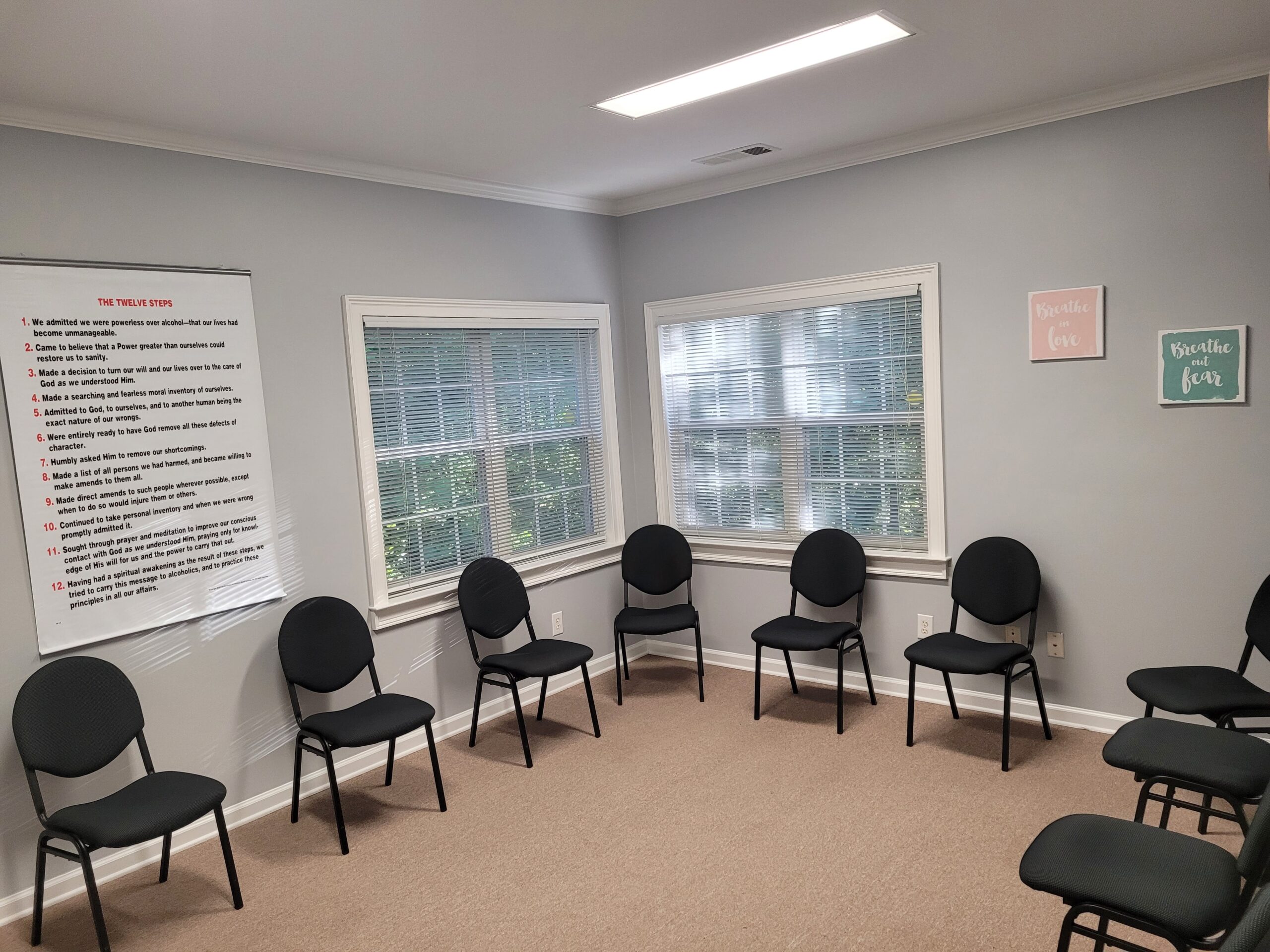
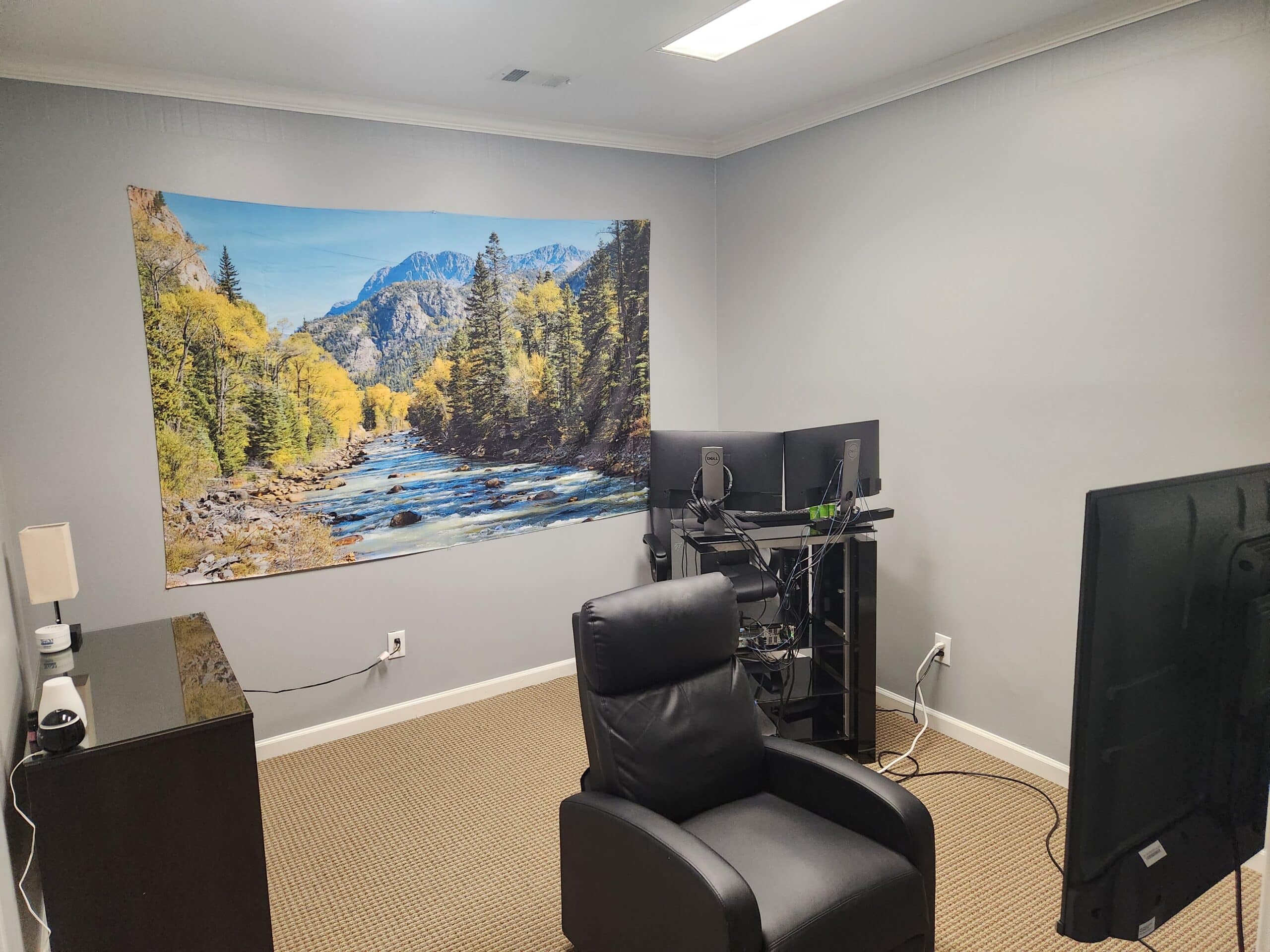
Check Out Our Facility in Atlanta, GA

Discover why our programs are top rated today. Talk with our admissions team about the right treatment plan to bring lasting recovery.

The Three Phases of a Psychodrama Session

A psychodrama session traditionally includes three phases: warm-up, action, and sharing. Each phase has a distinct role in preparing participants, exploring the scene, and integrating what emerged.

Warm-Up Phase

The warm-up phase helps establish trust, group cohesion, and readiness for the work ahead. A psychodrama therapist may use warm-up exercises, discussion, or sociometric activities to help participants identify a theme or protagonist for the session.

Action Phase

During the action phase, the protagonist enacts a real, symbolic situation from the past, present, or future. Other participants may take supporting roles while the therapist guides the dramatic action and chooses psychodramatic techniques that fit the therapeutic goal.

Sharing Phase

The sharing phase allows participants to reflect on their own emotional responses and connections to the session. Rather than analyzing or judging the protagonist, other group members may share what the enactment brought up for them.

Core Techniques in Psychodrama Therapy

Psychodrama uses several action methods to help participants examine situations from different perspectives.

Technique How It Works Potential Purpose
Role reversal The protagonist switches roles with another person in the scene Explore another personโ€™s perspective and relationship dynamics
Doubling Another participant voices possible inner thoughts or feelings Help identify emotions or thoughts that are difficult to express
Mirroring The protagonist observes others replaying part of the scene Increase self-awareness by viewing behavior from the outside
Future projection A future situation is enacted in advance Practice communication, boundaries, or coping skills
Empty chair The protagonist speaks to an imagined person or role Explore grief, unresolved feelings, or interpersonal conflict

Role reversal, doubling, and mirroring are among the most commonly described psychodramatic techniques in the literature.

Request A Confidential Call

Help is Here When You're Ready

If you or someone you love is struggling with substance use or other mental health issues, Inner Voyage Recovery can help. Request a callback below to receive care and support you can trust.

"*" indicates required fields

Who May Benefit From Psychodrama Group Therapy?

Psychodrama group therapy may appeal to people who prefer active, experiential forms of treatment or who want to explore relationship patterns, difficult emotions, grief, trauma-related experiences, or communication challenges in a structured group setting.

Not everyone is a good fit for psychodrama. Because some sessions can involve intense emotional material, consider readiness, stability, diagnosis, group dynamics, and the personโ€™s comfort with action-oriented therapy before participation.

Psychodrama, Drama Therapy, and Traditional Talk Therapy

Psychodrama, drama therapy, and traditional talk therapy can all involve emotional exploration, but they use different methods. Psychodrama generally focuses on real or personally meaningful situations through structured enactment, while drama therapy may use fictional roles, storytelling, metaphor, or creative performance.

Traditional talk therapy relies more heavily on verbal reflection and cognitive processing. Approaches such as CBT Atlanta can help clients examine thought and behavior patterns, while experiential approaches may add action, movement, or role-playing to the therapeutic process.

Experience the Inner Voyage Difference

How can our Atlanta Detox program help you?

New Skills

Learn to manage stress with mindfulness, breathing, exercise, and more.

Stability

Get help building a routine that works for your life and recovery.

Caring Staff

Our alumni love us, and you will too. We have 67 five-star reviews (and growing).

Insurance Acceptedโ€จ

We accept major insurance carriers. And if youโ€™re inclined, we have self-pay and other options. Just ask our admissions staff!

Veteran Support

Youโ€™ll benefit from our staffโ€™s specialized trainings and support for veterans. We understand what youโ€™ve experienced, and can help you process it for good and leave it in the past.

Psychodrama, Mental Health, and Co-Occurring Disorders

Psychodrama has been studied in clinical settings involving trauma-related symptoms, anxiety, depression, psychotic disorders, substance use, and other psychological issues. The evidence is promising for some outcomes, but psychodrama should not be treated as a universal or standalone solution for every mental health condition.

When substance use occurs alongside a qualifying mental health condition, dual diagnosis treatment centers Georgia can address both concerns within one outpatient treatment plan. Experiential work may complement individual therapy, group therapy, CBT, DBT, or other clinical approaches depending on the clientโ€™s needs.

Psychodrama Group Therapy and Group Dynamics

Psychodrama is often delivered in a group setting because other participants can take supporting roles, observe the action, and contribute to the sharing phase. Group dynamics can foster empathy, communication skills, self-awareness, and new perspectives.

At Inner Voyage, group therapy Atlanta provides structured peer interaction as part of outpatient care. Group therapy does not automatically mean psychodrama, but experiential methods can be used alongside broader clinical group work when they fit the treatment plan.

Individual Therapy and Experiential Work

Some action-oriented or psychodramatic techniques may also be adapted within individual therapy, although classic psychodrama is historically associated with group work. Individual therapy Atlanta can provide a focused space to address traumatic memories, relationship issues, coping skills, or emotions that surface through broader experiential treatment.

The goal is not to replace conversation with performance. It is to use the therapeutic method that best fits the personโ€™s needs, readiness, and clinical goals.

Your Path to Recovery Made Simple

How to Begin Your Recovery Journey

We know beginning treatment can feel intimidating, so weโ€™ve made the process simple and stress-free.

1

Get in touch
with us

Call or complete our contact form to connect with an admissions specialist who takes the time to listen and understand your situation.

2

Complete an assessment
& insurance review

Our team will review your history, discuss your needs, and confirm insurance coverage or explore self-pay options to make things easy.
3

Start your
treatment

Begin a personalized program built around your goals, supported by evidence-based care and a compassionate clinical team.

What to Look for in a Psychodrama Therapist

Because psychodrama can involve intense emotional material, training and clinical judgment matter. A psychodrama therapist should understand group psychotherapy, trauma-informed practice, boundaries, emotional regulation, and the core techniques used in action-oriented work.

Questions about credentials, supervision, group safety, session structure, and how the therapist handles difficult emotional reactions can help clarify whether the approach is appropriate. Professional organizations such as the American Board of Examiners in Psychodrama, Sociometry and Group Psychotherapy also maintain certification standards for psychodrama practitioners.

How Experiential Therapy Fits Into Outpatient Care

Psychodrama is one example of an experiential therapeutic method, but experiential care can include many different action-oriented approaches. At Inner Voyage, experiential therapy Georgia can be incorporated into a broader outpatient treatment plan alongside evidence-based therapy and dual-diagnosis support.

A partial hospitalization program Atlanta can provide highly structured daytime outpatient care, while Atlanta IOP and the evening intensive outpatient program allow clients to continue treatment while maintaining more daily responsibilities. Outpatient rehab Atlanta can provide lower-intensity ongoing support.

When Higher Levels of Care Are Required

When higher levels of care are required because someone needs medical stabilization, continuous supervision, or another more intensive level of treatment, those needs should be addressed before outpatient care begins.

These higher levels of care are separate from Inner Voyageโ€™s outpatient programs. Once a person is clinically appropriate for outpatient care, experiential therapy can be incorporated alongside other services based on mental health needs, substance use, coping skills, and treatment goals.

The Best Atlanta PHP

How can our Atlanta PHP program help you?

Depth

The best way to achieve lasting recovery is deep healing. We guide you to what needs to be healed, and help you through it.

Support

Weโ€™re your partner and guide, every step of the way. With that level of support, recovery is more likely.

Strength

There is strength in your journey. Youโ€™ve gotten this far. Now letโ€™s take it all the way. We rely on your strengths as much as ours.

Accountability

Call it accountability, โ€œtough love,โ€ or whatever you like: We hold you to a higher standard. We see your potential and help you realize it.

Aftercare

No recovery is complete without aftercare planning and support. Our Alumni program helps you stick to sobriety for good.

Flexibility

Join our PHP and get support that fits your schedule. We specialize in helping busy adults get the support they need.

Insurance Coverage for Experiential and Outpatient Treatment

Insurance coverage for addiction and mental health treatment varies by plan, network status, medical necessity, deductibles, copays, and authorization requirements. Some plans may cover outpatient services such as therapy, partial hospitalization, intensive outpatient treatment, medication management, and dual-diagnosis care when medically necessary.

Inner Voyageโ€™s admissions team can review available insurance information and explain how benefits may apply to outpatient treatment. Clients can also verify insurance benefits before beginning care to better understand coverage and expected financial responsibility.

Find A New Way Forward with Inner Voyage Recovery Center

Frequently asked questions

Psychodrama offers an experiential way to explore emotions, relationships, coping patterns, and situations that may be difficult to explain through conversation alone. During a psychodrama therapy session, participants may act out personally meaningful experiences in a safe, supportive environment while a trained clinician guides the structured approach. This process may support self-awareness, emotional expression, and a better understanding of how past experiences influence present behavior and overall well-being.

Role reversal is a psychodramatic technique in which the protagonist temporarily takes the role of another person in a scene. By assigning roles and shifting perspectives, the participant may better understand another personโ€™s feelings, reactions, or point of view. Other group members may help enact the scene while the therapist maintains a supportive environment and keeps the work connected to the therapeutic goal.

Role playing allows participants to act out real, imagined, past, present, or future situations rather than discussing them only verbally. A psychodrama therapy session may involve assigning roles to other members, practicing a difficult conversation, revisiting an interpersonal conflict, or rehearsing a future response. The goal is not performance. It creates a safe space where participants can explore emotions, relationships, and possible coping responses through guided action.

Psychiatrist Jacob Moreno developed psychodrama, emphasizing action, spontaneity, relationships, and group interaction as therapeutic tools. Moreno believed people could gain insight by actively exploring situations rather than relying entirely on verbal analysis. This differs from approaches historically associated with Sigmund Freud, which placed greater emphasis on verbal psychoanalysis, and from Gestalt therapy, which uses its own methods to increase present-moment awareness. Each approach has a distinct history and clinical framework.

Psychodrama has been studied and used in clinical settings involving mood disorders, trauma-related concerns, eating disorders, interpersonal difficulties, and substance use, but it should not be treated as a universal solution for any diagnosis. Some research has reported significant improvements in selected outcomes, while the overall evidence base continues to develop. Whether psychodrama is appropriate depends on the personโ€™s diagnosis, stability, treatment goals, readiness for experiential work, and the clinician’s ability to provide a safe, supportive environment.

Inner Voyage Recovery Centerโ€™s Top Values

Every treatment will be uniquely tailored to you, because youโ€™re unique.

Sober Living

Our team is 100% sober, including from Alcohol. We help our clients achieve sobriety and stick to it through thick and thin, because sobriety is the foundation of a fulfilling life.

Integrity

Our team is 100% sober, including from Alcohol. We help our clients achieve sobriety and stick to it through thick and thin, because sobriety is the foundation of a fulfilling life.

Everyone Belongs

Our team is 100% sober, including from Alcohol. We help our clients achieve sobriety and stick to it through thick and thin, because sobriety is the foundation of a fulfilling life.

Limitless Potential

Our team is 100% sober, including from Alcohol. We help our clients achieve sobriety and stick to it through thick and thin, because sobriety is the foundation of a fulfilling life.

Reviews

Hear from those who’ve walked this path

Explore Experiential Therapy With Inner Voyage

Action-oriented therapies can offer another way to explore difficult emotions, relationships, and patterns when words alone do not capture the full experience. Psychodrama is one example of this broader experiential tradition, and research suggests potential benefits for self-awareness, communication, emotional processing, and some mental health outcomes when the approach is clinically appropriate.

At Inner Voyage Recovery Center, experiential therapy can be incorporated into individualized outpatient addiction and dual-diagnosis care for qualifying adults. Contact us by calling (470) 460-8437 to speak with our admissions team about your needs and available outpatient treatment options.

If youโ€™re looking for more information, connect with our team by phone, email, or through our online form. Weโ€™re here to answer your questions, talk through your options, and support you as you begin your path toward lasting recovery.

Sources

Cruz, A., Sales, C. M. D., Alves, P., & Moita, G. (2018). The Core Techniques of Morenian Psychodrama: A Systematic Review of Literature. Frontiers in Psychology. PubMed Central (PMC)

Orkibi, H., & Feniger-Schaal, R. (2019). Integrative Systematic Review of Psychodrama Psychotherapy Research: Trends and Methodological Implications. PLOS ONE. PubMed Central (PMC)

Psychodrama Research Group. (2025). Psychodrama: Implementation, Study Design and Effectiveness: A Systematic Review. Frontiers in Psychology. PubMed Central (PMC)

Kipper, D. A., & Ritchie, T. D. Psychodrama Group Therapy for Social Issues: A Systematic Review of Controlled Clinical Trials. National Center for Biotechnology Information.

National Institute on Drug Abuse. (2018). The Core Techniques of Morenian Psychodrama. National Institutes of Health.

Free & Easy Insurance Check

Alliant logo featuring a small black triangle followed by "Alliant" in bold black italic text.

Request a Confidential Call

"*" indicates required fields

This field is for validation purposes and should be left unchanged.
Preferred Method*
Get Treatment For All Your Healthcare Needs

Other Therapeutic Services

Request A Confidential Call

Request a call and an Inner Voyage Recovery Center team member will be in touch.

"*" indicates required fields