Request a call to speak with an admissions specialist. We are here to help you.

"*" indicates required fields

Understanding Treatment For Psychotic Disorders

Psychosis is not a single mental illness. It is a collection of symptoms that can occur with several mental health conditions, medical conditions, medications, or substance use. Psychotic disorder treatment depends on the underlying cause, the severity of symptoms, and whether other mental health or substance use concerns are present. For people who are stable enough for outpatient care, Inner Voyage Recovery Center can address qualifying co-occurring mental health and substance use concerns through individualized dual-diagnosis treatment.

Free Insurance Check

Free & Confidential | HIPAA Compliant | No Obligation

"*" indicates required fields

1
2
3
4
This field is for validation purposes and should be left unchanged.
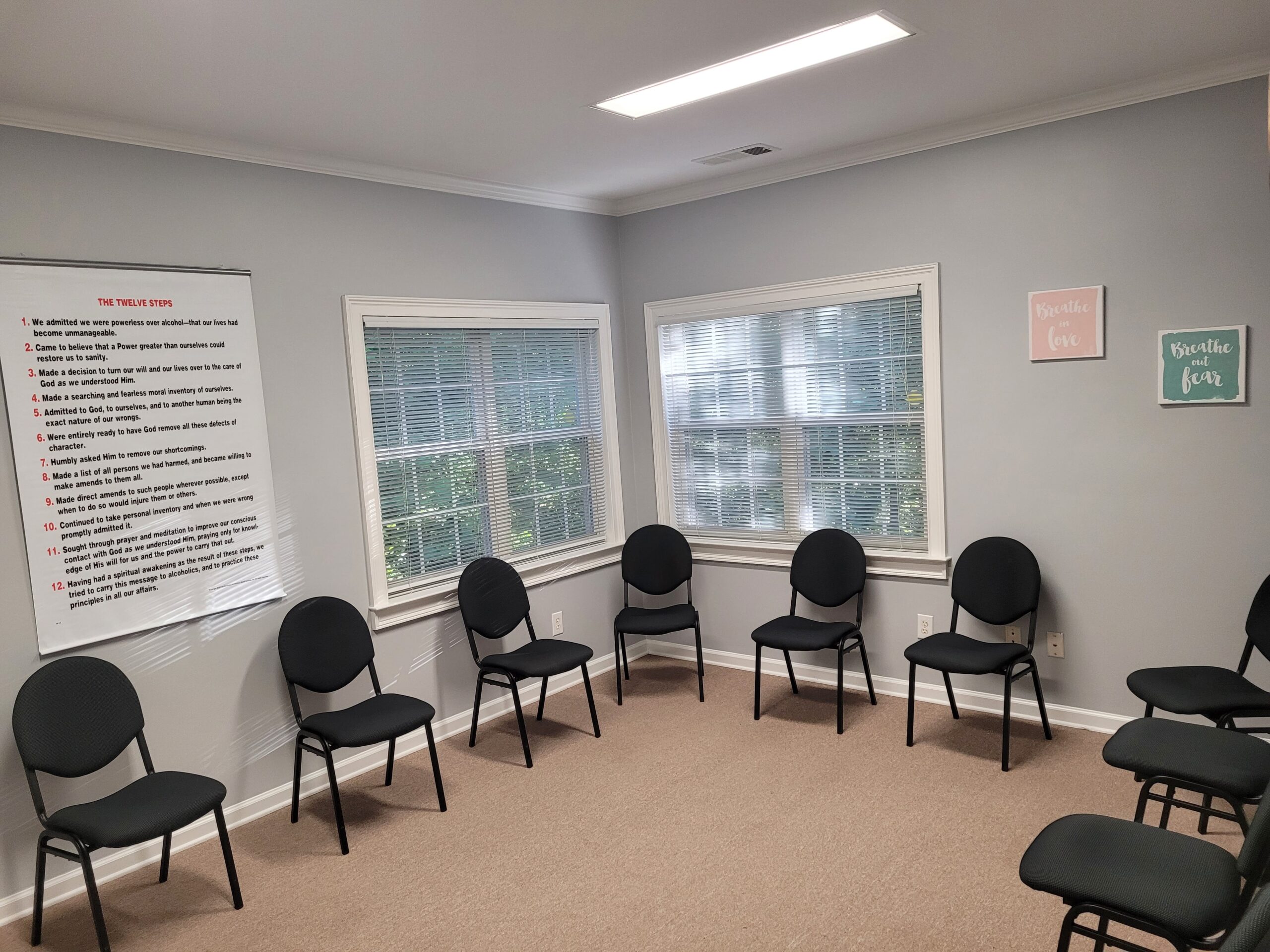
Group therapy session at Inner Voyage Recovery Center in Atlanta for mental health support.

Psychosis, Substance Use, and Dual Diagnosis

Psychosis refers to a group of symptoms that affect how a person interprets reality. A person experiencing psychosis may hear voices or experience other hallucinations, develop false beliefs known as delusions, become intensely suspicious, or have difficulty organizing thoughts and speech. Not everyone experiences psychosis in the same way, and symptoms can vary considerably in severity and duration.

Substance use can complicate both the development and diagnosis of psychotic symptoms. Cannabis, stimulants, hallucinogens, and other substances may trigger or worsen psychosis in some people, while withdrawal, sleep deprivation, and certain prescription medications can also contribute to unusual perceptions or thinking. Substance-induced psychosis may resemble another psychotic disorder, making careful assessment essential.

When psychotic symptoms occur alongside a substance use disorder or another qualifying mental health condition, dual diagnosis treatment centers Georgia can help address overlapping recovery needs. At Inner Voyage, outpatient dual-diagnosis care focuses on the relationship between mental health, substance use, triggers, coping patterns, and long-term stability when the person is clinically appropriate for outpatient treatment.
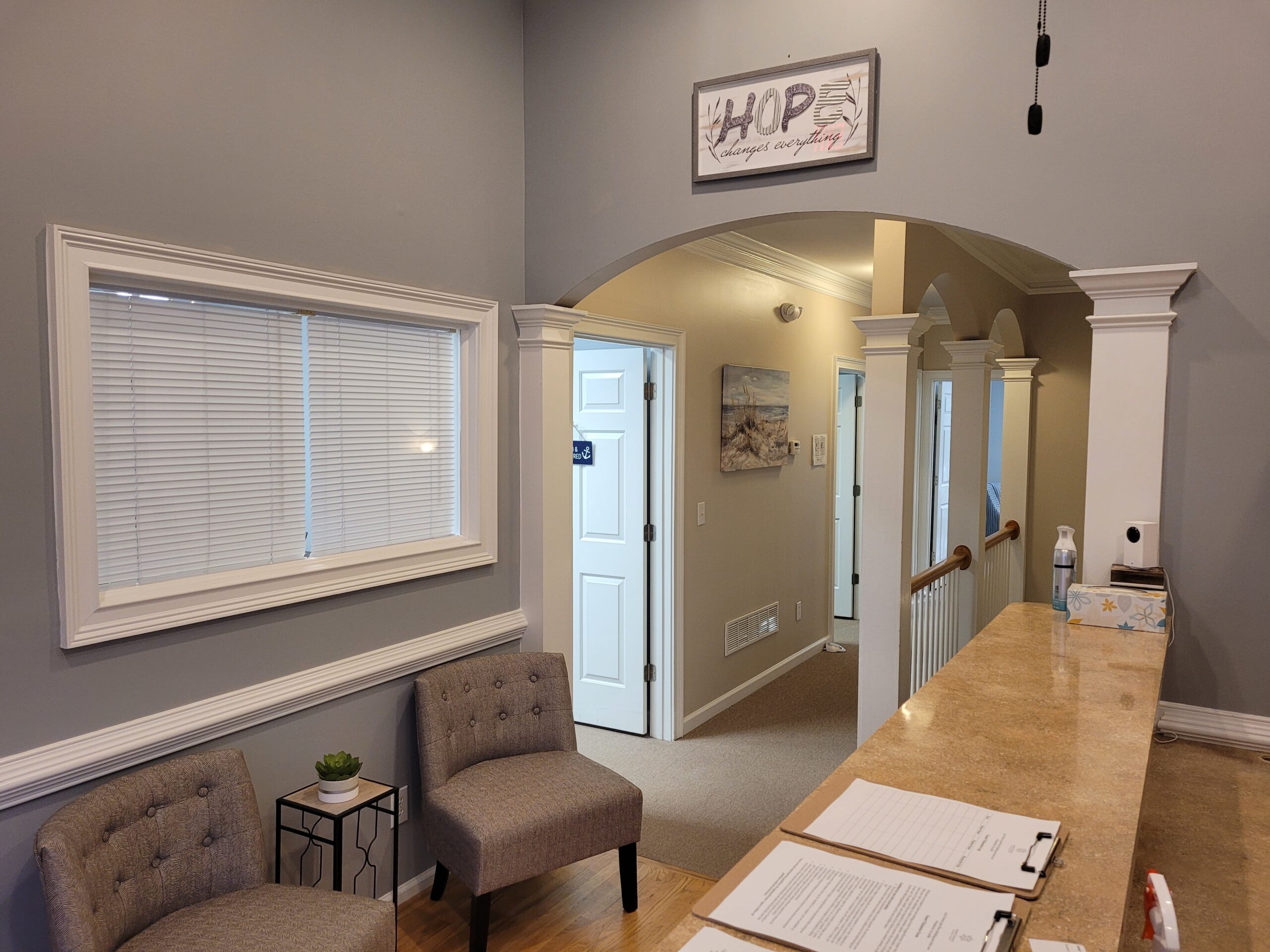
Table of Contents

Brief Psychotic Disorder and Related Conditions

Brief psychotic disorder involves psychotic symptoms that emerge suddenly and last for a relatively short period before the person returns to their previous level of functioning. Other diagnoses involving psychosis include schizophrenia spectrum disorders and mood disorders with psychotic features.

Psychosis can also develop during the postpartum period or in connection with an underlying medical condition or substance use. Postpartum psychosis is a serious medical and psychiatric condition that requires prompt specialized evaluation. Identifying the underlying cause helps clinicians determine the appropriate treatment rather than treating every psychotic episode in exactly the same way.

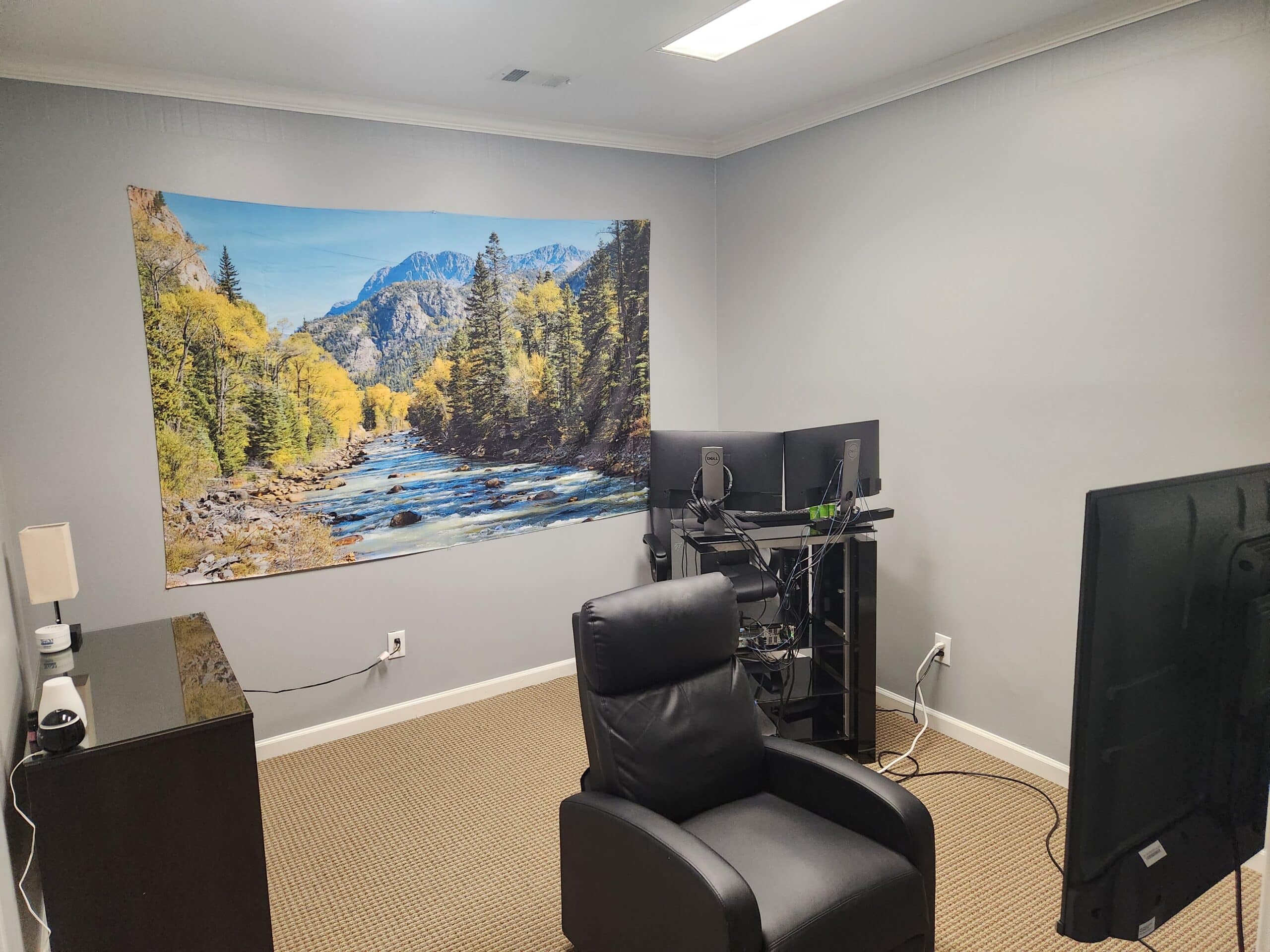
Check Out Our Facility in Atlanta, GA

Discover why our programs are top rated today. Talk with our admissions team about the right treatment plan to bring lasting recovery.

What Can Cause a Psychotic Episode?

A first psychotic episode can have more than one possible cause. Psychosis may occur with schizophrenia, bipolar disorder, severe depression, substance use, neurological or other medical conditions, and certain prescription medications. Genetic vulnerability and differences in brain development may also contribute to risk, although no single factor explains every case.

Significant sleep deprivation and substance misuse can also contribute to psychotic symptoms in susceptible people. Determining why psychosis develops matters because effective treatment depends partly on addressing the underlying condition rather than focusing only on hallucinations or delusions.

Early Signs and Symptoms of Psychosis

Changes can sometimes emerge before a first episode becomes obvious. A person may become increasingly withdrawn or suspicious, have difficulty thinking clearly, neglect self-care, experience a noticeable decline in work or school functioning, or begin behaving in ways that seem unusually disorganized.

  • Hallucinations: A person may hear voices or perceive things through sight, touch, smell, or taste that others do not experience.
  • Delusions: Strong false beliefs may persist even when other people present evidence that contradicts them.
  • Disorganized thinking or speech: Conversation may become difficult to follow, fragmented, or disconnected.
  • Severe paranoia: The person may believe others intend to harm, monitor, or deceive them.
  • Behavioral changes: Withdrawal, agitation, sleep disruption, impaired self-care, or unusual behavior may accompany a psychotic episode.

These signs do not confirm a psychotic disorder on their own, but noticeable changes in perception, thinking, behavior, or functioning warrant assessment by a qualified mental health professional.

Conditions That Can Involve Psychotic Symptoms

Psychosis can occur in several different psychiatric, substance-related, and medical contexts. Understanding the broader condition helps clinicians choose treatment based on the underlying cause rather than assuming every psychotic episode represents the same diagnosis.

Condition or Cause How Psychosis May Appear Treatment Considerations
Schizophrenia spectrum disorders Hallucinations, delusions, disorganized thinking, or behavioral changes Antipsychotic medication, psychotherapy, and ongoing psychosocial support may be used
Bipolar disorder Psychosis may occur during severe manic or depressive episodes Treatment may address both mood symptoms and psychosis
Severe depression Some severe depressive episodes can include hallucinations or delusions Treatment depends on symptom severity and the broader depressive disorder
Substance-induced psychosis Symptoms may develop during intoxication, heavy use, or withdrawal Substance use and psychotic symptoms both require careful assessment
Medical or medication-related psychosis An underlying condition or certain medications may contribute to symptoms Identifying and addressing the underlying cause is essential

Because these conditions can produce overlapping symptoms, diagnosis requires more than identifying hallucinations or delusions. Clinicians also look at timing, duration, mood symptoms, substance use, medications, and physical health.

Request A Confidential Call

Help is Here When You're Ready

If you or someone you love is struggling with substance use or other mental health issues, Inner Voyage Recovery can help. Request a callback below to receive care and support you can trust.

"*" indicates required fields

How Psychotic Disorders Are Diagnosed

Diagnosis begins with understanding the symptoms, their timing, and what was happening when they developed. A mental health professional may ask about hallucinations, delusions, mood changes, sleep, substance use, prescription medications, family history, medical conditions, and changes in daily functioning.

Clinicians may use criteria from the Diagnostic and Statistical Manual of Mental Disorders alongside psychiatric and medical evaluation. Testing may also help identify an underlying medical condition or substance-related cause. Because psychosis can occur with several different mental disorders, the diagnosis should reflect the broader clinical picture rather than the presence of one symptom alone.

How Is Psychosis Treated?

Psychosis treatment depends on its cause and severity. Antipsychotic medication is commonly used to reduce psychotic symptoms such as hallucinations, delusions, and severe disorganization. A healthcare provider may consider the diagnosis, previous response to medication, other medications, physical health, and potential side effects when selecting a treatment.

Medication is not the only part of long-term recovery. Once someone is stable enough, psychotherapy, family education, social support, substance use treatment, and practical rehabilitation services may help the person manage stress, improve problem-solving skills, and work toward a fulfilling, productive life.

Experience the Inner Voyage Difference

How can our Atlanta Detox program help you?

New Skills

Learn to manage stress with mindfulness, breathing, exercise, and more.

Stability

Get help building a routine that works for your life and recovery.

Caring Staff

Our alumni love us, and you will too. We have 67 five-star reviews (and growing).

Insurance Acceptedโ€จ

We accept major insurance carriers. And if youโ€™re inclined, we have self-pay and other options. Just ask our admissions staff!

Veteran Support

Youโ€™ll benefit from our staffโ€™s specialized trainings and support for veterans. We understand what youโ€™ve experienced, and can help you process it for good and leave it in the past.

Cognitive Behavioral Therapy and Psychosis Treatment

Cognitive behavioral therapy can help some people examine how they interpret experiences, respond to distressing thoughts, and cope with persistent psychotic symptoms. CBT for psychosis does not require arguing with a personโ€™s experiences. Instead, therapy can help reduce distress, strengthen coping strategies, and improve day-to-day functioning.

For qualifying clients, CBT Atlanta may be incorporated into outpatient mental health and dual-diagnosis care when clinically appropriate. Individual or group psychotherapy can also address substance use, anxiety, depression, relationships, and other concerns that occur alongside psychosis.

Family Members and Ongoing Mental Health Support

A psychotic episode can leave family members unsure how to respond. Education can help loved ones understand symptoms, communicate more effectively, recognize changes that may signal worsening mental health, and support treatment without turning every interaction into a confrontation.

Family therapy Atlanta can support qualifying clients and loved ones when substance use and mental health concerns affect the family system. Therapy can also address practical problems, boundaries, communication, and the transition back into everyday routines.

Your Path to Recovery Made Simple

How to Begin Your Recovery Journey

We know beginning treatment can feel intimidating, so weโ€™ve made the process simple and stress-free.

1

Get in touch
with us

Call or complete our contact form to connect with an admissions specialist who takes the time to listen and understand your situation.

2

Complete an assessment
& insurance review

Our team will review your history, discuss your needs, and confirm insurance coverage or explore self-pay options to make things easy.
3

Start your
treatment

Begin a personalized program built around your goals, supported by evidence-based care and a compassionate clinical team.

Why Early Treatment Matters After a First Psychotic Episode

Early treatment matters because the period following a first psychotic episode can shape a person’s longer-term recovery. Coordinated specialty care is an established approach to early psychosis that can combine medication management, psychotherapy, family education, case management, supported employment or education, and other mental health services.

The goal is not simply to suppress symptoms. Appropriate treatment can help a person understand what happened, reduce the impact of future symptoms, reconnect with relationships and responsibilities, and develop strategies that support a more productive life.

Outpatient Dual Diagnosis Care at Inner Voyage

After acute psychotic symptoms are stabilized, some people may be appropriate for continued treatment in an outpatient setting. At Inner Voyage, care can address qualifying co-occurring mental health and substance use concerns through therapy, psychiatric support, medication management, relapse-prevention strategies, and structured outpatient programming.

The treatment plan depends on diagnosis, current symptoms, substance use, medical and psychiatric stability, support at home, and the person’s ability to participate safely in outpatient care. For people who need more structure than routine appointments, Atlanta IOP may provide multiple treatment sessions each week while allowing clients to continue living at home.

The Best Atlanta PHP

How can our Atlanta PHP program help you?

Depth

The best way to achieve lasting recovery is deep healing. We guide you to what needs to be healed, and help you through it.

Support

Weโ€™re your partner and guide, every step of the way. With that level of support, recovery is more likely.

Strength

There is strength in your journey. Youโ€™ve gotten this far. Now letโ€™s take it all the way. We rely on your strengths as much as ours.

Accountability

Call it accountability, โ€œtough love,โ€ or whatever you like: We hold you to a higher standard. We see your potential and help you realize it.

Aftercare

No recovery is complete without aftercare planning and support. Our Alumni program helps you stick to sobriety for good.

Flexibility

Join our PHP and get support that fits your schedule. We specialize in helping busy adults get the support they need.

Medication Management and Psychiatric Support

Antipsychotic medication may be part of treatment for schizophrenia spectrum disorders, acute psychosis, bipolar disorder with psychotic features, and other conditions depending on the diagnosis. Some people may also require medications that address depression, anxiety, mood instability, or other related conditions.

Through psychiatry Atlanta, qualifying clients can receive psychiatric assessment and medication management within their outpatient treatment plan. Medication decisions should be individualized and monitored by an appropriate prescriber, and clients should not change or discontinue prescribed medication without medical guidance.

When Higher Levels of Care Are Required

When higher levels of care are required because a person is experiencing acute psychosis, severe paranoia, profound disorganization, an inability to care for basic needs, serious medical complications, or another immediate safety concern, a more supervised setting may be necessary before outpatient treatment is appropriate.

Higher levels of care may include emergency evaluation, inpatient psychiatric stabilization, or other medically supervised services depending on the person’s symptoms and underlying condition. These services are separate from Inner Voyage’s outpatient programs.

Once the person is sufficiently stable for outpatient care, ongoing treatment can focus on mental health, substance use, medication management, coping skills, family support, and reducing factors that could contribute to another psychotic episode.

Find A New Way Forward with Inner Voyage Recovery Center

Frequently asked questions

Psychotic disorder treatment is usually individualized around the diagnosis, symptom severity, underlying cause, physical health, and whether substance use or another mental health condition is present. Antipsychotic medicine is commonly used to reduce acute symptoms, but medication is not the only treatment. Individual therapy, group psychotherapy, family support, case management, and work with a social worker may also help a person rebuild functioning and move toward a fulfilling and productive life.

Early diagnosis matters because treatment during or soon after a first episode can help reduce disruption to daily life and connect a person with appropriate support sooner. Evaluation may involve psychiatry, primary medical care, and sometimes adolescent psychiatry for younger patients. A healthcare team also considers other symptoms, substance use, medical conditions, and safety concerns such as self-harm or severe behavioral changes.

Clinical trials help researchers understand how medications, psychotherapy, coordinated specialty care, and other interventions affect psychotic symptoms over time. Research may also examine long-acting injectable medications, which release medicine gradually and may help some people maintain a consistent treatment schedule. Clinical trials do not determine a specific treatment for every person, but they help strengthen the evidence clinicians use when developing individualized care plans.

A healthcare provider may reassess treatment when symptoms persist, side effects become difficult to manage, functioning declines, or new medical or substance-related concerns appear. Medication needs can differ for younger adults, older adults, and people with co-occurring conditions. In life-threatening situations or when someone cannot safely care for themselves, immediate medical evaluation may be required before routine outpatient care can continue.

Resources from the National Institutes of Health and the National Library of Medicine emphasize that psychosis can have many causes and may require several forms of support over time. Recovery often involves more than symptom reduction. Ongoing treatment can address relationships, employment or education, self-care, medication adherence, and practical problem-solving. The goal is to help the person manage symptoms while building greater stability, independence, and quality of life.

Inner Voyage Recovery Centerโ€™s Top Values

Every treatment will be uniquely tailored to you, because youโ€™re unique.

Sober Living

Our team is 100% sober, including from Alcohol. We help our clients achieve sobriety and stick to it through thick and thin, because sobriety is the foundation of a fulfilling life.

Integrity

Our team is 100% sober, including from Alcohol. We help our clients achieve sobriety and stick to it through thick and thin, because sobriety is the foundation of a fulfilling life.

Everyone Belongs

Our team is 100% sober, including from Alcohol. We help our clients achieve sobriety and stick to it through thick and thin, because sobriety is the foundation of a fulfilling life.

Limitless Potential

Our team is 100% sober, including from Alcohol. We help our clients achieve sobriety and stick to it through thick and thin, because sobriety is the foundation of a fulfilling life.

Reviews

Hear from those who’ve walked this path

Begin Dual Diagnosis Treatment at Inner Voyage

Experiencing psychosis does not reduce a person to a diagnosis. With appropriate treatment and continued support, people can learn to manage symptoms, address underlying mental health or substance use concerns, rebuild relationships, and work toward greater stability in everyday life.

At Inner Voyage Recovery Center, our outpatient programs support qualifying adults with co-occurring mental health and substance use concerns through individualized dual-diagnosis care. Contact us by calling (470) 460-8437 to discuss your needs, insurance coverage, and available outpatient treatment options.

If youโ€™re looking for more information, connect with our team by phone, email, or through our online form. Weโ€™re here to answer your questions, talk through your options, and support you as you begin your path toward lasting recovery.

Sources

National Institute of Mental Health. (n.d.). Understanding Psychosis. National Institutes of Health.

National Institute of Mental Health. (n.d.). Schizophrenia. National Institutes of Health.

National Institute of Mental Health. (n.d.). Recovery After an Initial Schizophrenia Episode (RAISE). National Institutes of Health.

National Institute of Mental Health. (2023). RAISE-ing the Standard of Care for Schizophrenia: The Rapid Adoption of Coordinated Specialty Care in the United States. National Institutes of Health.

National Institute of Mental Health. (n.d.). Early Psychosis Intervention Network (EPINET). National Institutes of Health.

National Library of Medicine. (n.d.). Brief Psychotic Disorder. NCBI Bookshelf.

National Institute of Mental Health. (n.d.). Coordinated Specialty Care for First Episode Psychosis. National Institutes of Health.

National Library of Medicine. (2025). Postpartum Psychosis and Bipolar Disorder: Review of Neurobiology and Expert Consensus Statement on Classification. PubMed.

Free & Easy Insurance Check

Alliant logo featuring a small black triangle followed by "Alliant" in bold black italic text.

Request a Confidential Call

"*" indicates required fields

This field is for validation purposes and should be left unchanged.
Preferred Method*
Get Treatment For All Your Healthcare Needs

Other Mental Health Treatments

Request A Confidential Call

Request a call and an Inner Voyage Recovery Center team member will be in touch.

"*" indicates required fields