Request a call to speak with an admissions specialist. We are here to help you.

"*" indicates required fields

Senior Rehab

Substance use can become harder to recognize later in life. Changes in sleep, memory, balance, energy levels, personal hygiene, or social engagement may be mistaken for normal aging, while alcohol, prescription medications, or other substances quietly begin affecting physical health and daily life. Senior addiction treatment should account for these age-related realities, including chronic pain, medication management, existing health conditions, social isolation, and the way the body processes alcohol and drugs differently over time.

Free Insurance Check

Free & Confidential | HIPAA Compliant | No Obligation

"*" indicates required fields

1
2
3
4
This field is for validation purposes and should be left unchanged.
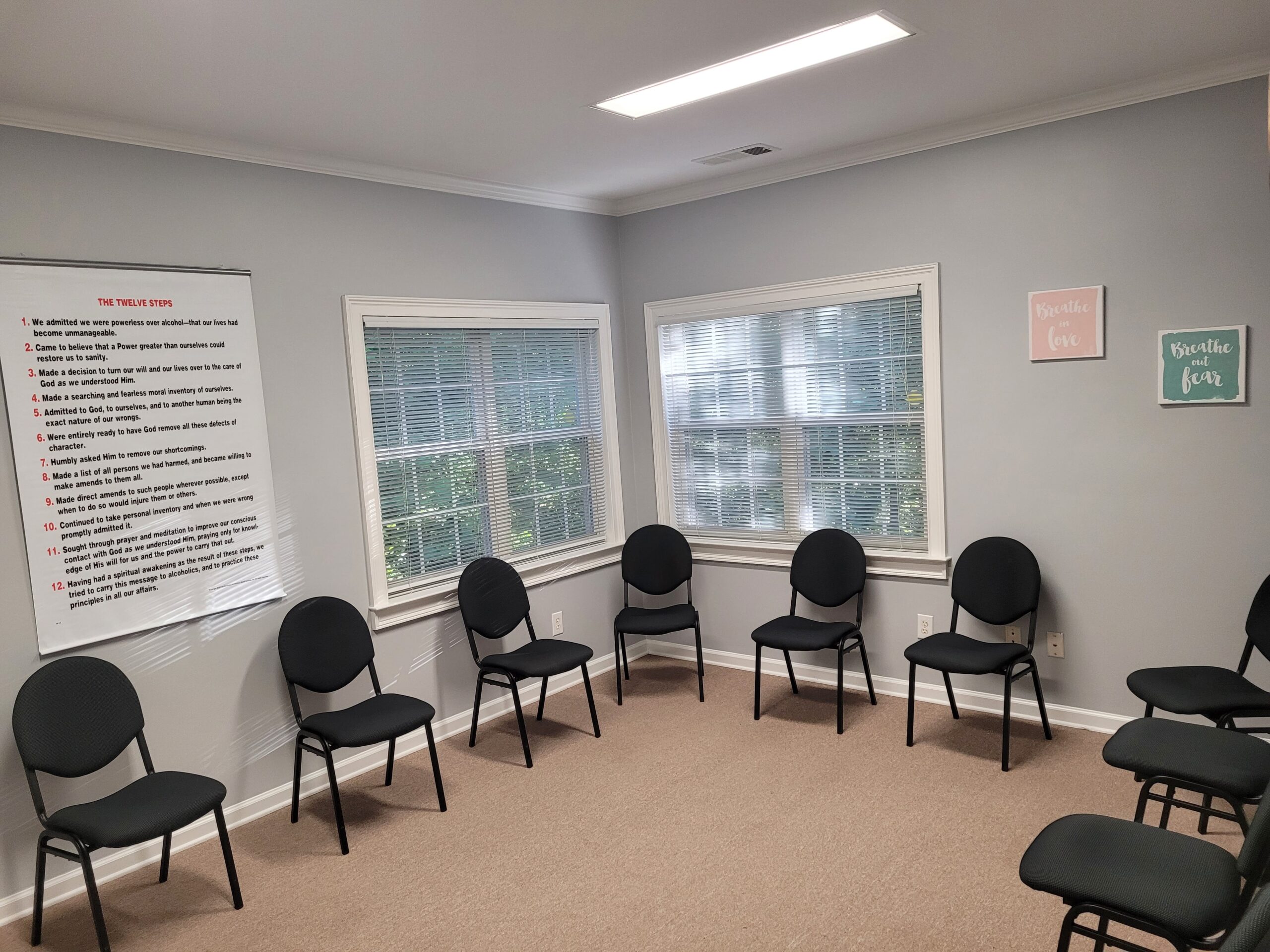
Senior group therapy session at Inner Voyage Recovery Center in Atlanta.

Senior Addiction Treatment and Mental Health Help

Older adults may experience substance use differently because physical health, mental health, prescription medications, chronic conditions, grief, retirement, mobility changes, and social isolation can all overlap. Depression, anxiety, trauma, or another mental health disorder may also contribute to substance use as a coping mechanism or form of self-medication.

When substance use occurs alongside a qualifying mental health condition, dual diagnosis treatment centers Georgia can address both concerns within a coordinated outpatient treatment plan. At Inner Voyage, care is based on clinical needs rather than age alone, allowing treatment to consider the personโ€™s health history, recovery goals, family dynamics, and current level of support.
Table of Contents

Existing Health Conditions and Prescription Medications

Many older adults manage more than one chronic condition and may take several prescription medications. This can increase the complexity of addiction treatment because alcohol, sedatives, opioids, sleep medications, and other drugs can interact with prescribed medicines or worsen dizziness, respiratory issues, cognitive impairment, and frequent falls.

Slower metabolism and age-related physical changes can also increase sensitivity to alcohol and certain medications. A healthcare provider should consider prescription medications, physical health, chronic conditions, and potential drug interactions when substance misuse is suspected. Medication management should remain coordinated with appropriate medical professionals, and prescribed medications should not be changed without clinical guidance.

Chronic Pain, Self-Medication, and Substance Use

Chronic pain can complicate the recovery process for older adults. Prescription opioids, sedatives, alcohol, or other substances may initially be used to manage pain, sleep problems, anxiety, or another health concern. Over time, increased tolerance or reliance on a substance can make it difficult to tell where symptom relief ends and problematic use begins.

Substance use may also become a form of self-medication for grief, loneliness, depression, anxiety, or major life changes. Effective treatment looks beyond the substance itself and considers the underlying issues that may be sustaining the pattern.

Check Out Our Facility in Atlanta, GA

Discover why our programs are top rated today. Talk with our admissions team about the right treatment plan to bring lasting recovery.

Substance Use in Older Adults Is a Growing Concern

Substance use disorders among older adults are an increasing public-health concern. Alcohol misuse, prescription medication misuse, and other drug use can be especially difficult to identify because warning signs may overlap with medication side effects, chronic illness, cognitive decline, or changes associated with aging.

The National Institute on Drug Abuse notes that aging can change how the body responds to drugs and increase the risks associated with substance use. Early screening and honest conversations with healthcare professionals can help separate possible substance-related symptoms from other health conditions.

Signs Substance Use May Be Affecting an Older Adult

Substance misuse can sometimes resemble other age-related health concerns. Family members and loved ones may notice changes such as:

  • Changes in balance or coordination: Frequent falls, unexplained injuries, or new difficulty moving safely may warrant closer attention.
  • Memory or decision-making changes: Memory loss, confusion, or difficulty with everyday decisions may be related to medication effects, substance use, or another health condition.
  • Changes in routines: Neglecting personal hygiene, meals, medications, or normal responsibilities can signal that something is wrong.
  • Social withdrawal: Pulling away from family members, friends, hobbies, or other social activities may accompany depression, substance use, or both.
  • Medication-related concerns: Running out of prescription medications early, taking higher doses, or combining medicines with alcohol can raise concerns about misuse.

These signs do not confirm a substance use disorder on their own. A medical and behavioral health evaluation can help determine what is contributing to the change.

Request A Confidential Call

Help is Here When You're Ready

If you or someone you love is struggling with substance use or other mental health issues, Inner Voyage Recovery can help. Request a callback below to receive care and support you can trust.

"*" indicates required fields

Addiction Treatment for Older Adults

Addiction treatment should reflect the personโ€™s substance use, physical health, mental health, cognitive functioning, medications, recovery environment, and existing support system. Some older adults may need medical stabilization or highly structured care, while others may be appropriate for outpatient treatment that allows them to remain connected to home and family.

Age can influence the treatment plan, but it should not become the only thing clinicians see. Life experience, autonomy, medical needs, relationships, and personal recovery goals all matter when choosing appropriate services.

Levels of Addiction Treatment

Different levels of care provide different amounts of structure and medical oversight. The appropriate option depends on withdrawal risk, physical health, mental health, substance use severity, and the ability to function safely outside treatment.

Level of Care Typical Structure General Purpose
Medical detoxification Medically supervised withdrawal management Used when stopping alcohol or drugs could cause significant withdrawal complications
Residential treatment Clients live in a structured treatment setting Provides continuous support when someone needs separation from triggers or substantial supervision
Partial hospitalization program Several hours of structured treatment during the day without overnight residence Provides intensive daytime support for people who can safely live outside the program
Intensive outpatient program Multiple treatment sessions each week while living at home Supports recovery with greater flexibility and real-world practice
Standard outpatient treatment Scheduled therapy and clinical appointments Appropriate for people stable enough for lower-intensity ongoing care

The appropriate level of care may change over time as physical health stabilizes, coping skills strengthen, and the person becomes ready for greater independence.

Experience the Inner Voyage Difference

How can our Atlanta Detox program help you?

New Skills

Learn to manage stress with mindfulness, breathing, exercise, and more.

Stability

Get help building a routine that works for your life and recovery.

Caring Staff

Our alumni love us, and you will too. We have 67 five-star reviews (and growing).

Insurance Acceptedโ€จ

We accept major insurance carriers. And if youโ€™re inclined, we have self-pay and other options. Just ask our admissions staff!

Veteran Support

Youโ€™ll benefit from our staffโ€™s specialized trainings and support for veterans. We understand what youโ€™ve experienced, and can help you process it for good and leave it in the past.

Outpatient Senior Addiction Treatment at Inner Voyage

Inner Voyage provides outpatient addiction and dual-diagnosis care for qualifying adults, including older adults who are stable enough to participate safely outside a residential setting. Treatment is individualized around substance use, mental health, physical limitations, medications, relationships, and the practical realities of daily life.

When more structure is appropriate, Atlanta IOP can provide multiple therapy sessions each week while clients continue living at home. The treatment plan can evolve as recovery progresses and individual needs change.

Evidence-Based Therapies for Addiction Recovery

Therapy can help older adults understand the thoughts, emotions, habits, relationships, and life experiences connected to substance use. Cognitive behavioral therapy can support healthier thinking patterns and coping skills, while motivational approaches may help someone explore ambivalence and strengthen their reasons for change.

CBT Atlanta may be incorporated into a qualifying outpatient treatment plan based on individual needs. Therapy should move at a pace that respects cognitive skills, physical health, communication preferences, and the personโ€™s ability to engage meaningfully in recovery.

Dialectical Behavior Therapy and Coping Skills

Dialectical behavior therapy can help people build distress tolerance, emotional regulation, mindfulness, and interpersonal skills. These tools may be useful when substance use is connected to grief, anxiety, chronic stress, relationship strain, or difficulty managing intense emotions.

DBT therapy Atlanta can support qualifying outpatient treatment goals when those skills fit the personโ€™s clinical needs. The focus is on developing practical strategies for everyday life.

Your Path to Recovery Made Simple

How to Begin Your Recovery Journey

We know beginning treatment can feel intimidating, so weโ€™ve made the process simple and stress-free.

1

Get in touch
with us

Call or complete our contact form to connect with an admissions specialist who takes the time to listen and understand your situation.

2

Complete an assessment
& insurance review

Our team will review your history, discuss your needs, and confirm insurance coverage or explore self-pay options to make things easy.
3

Start your
treatment

Begin a personalized program built around your goals, supported by evidence-based care and a compassionate clinical team.

Family Members and Supportive Relationships

Family members can play an important role in addiction recovery, particularly when an older adult is coping with chronic conditions, transportation barriers, changes in mobility, grief, or social isolation. Supportive relationships can reduce loneliness and help loved ones recognize changes in substance use, mood, memory, or daily functioning.

Family therapy Atlanta may be included when family involvement is clinically appropriate. Therapy can help improve communication, address family dynamics, clarify boundaries, and give loved ones practical ways to support recovery without taking away the clientโ€™s autonomy.

Coordinating Mental Health and Health Care Needs

Older adults may need addiction treatment to fit alongside primary care, pain management, psychiatry, physical therapy, or treatment for chronic health conditions. Coordination among healthcare professionals can be especially important when multiple prescription medications, cognitive changes, mobility concerns, or existing health conditions are involved.

Inner Voyageโ€™s outpatient care can address qualifying substance use and co-occurring mental health needs, while medical concerns outside the programโ€™s scope remain under the care of appropriate healthcare providers.

Mental Health Care and Co-Occurring Disorders

Depression, anxiety, trauma, grief, sleep changes, and other mental health disorders can become intertwined with substance use later in life. Retirement, bereavement, reduced mobility, chronic pain, and changes in social interactions can all affect emotional well-being.

Dual-diagnosis treatment considers both substance use and qualifying mental health concerns rather than assuming one problem exists separately from the other. When appropriate, psychiatry Atlanta can support psychiatric assessment and medication management as part of an outpatient treatment plan.

The Best Atlanta PHP

How can our Atlanta PHP program help you?

Depth

The best way to achieve lasting recovery is deep healing. We guide you to what needs to be healed, and help you through it.

Support

Weโ€™re your partner and guide, every step of the way. With that level of support, recovery is more likely.

Strength

There is strength in your journey. Youโ€™ve gotten this far. Now letโ€™s take it all the way. We rely on your strengths as much as ours.

Accountability

Call it accountability, โ€œtough love,โ€ or whatever you like: We hold you to a higher standard. We see your potential and help you realize it.

Aftercare

No recovery is complete without aftercare planning and support. Our Alumni program helps you stick to sobriety for good.

Flexibility

Join our PHP and get support that fits your schedule. We specialize in helping busy adults get the support they need.

A Holistic Approach to Long-Term Recovery

Addiction recovery involves more than reducing substance use. Sleep patterns, movement, nutrition, stress, social engagement, supportive relationships, meaningful routines, and emotional health can all influence overall quality of life.

Holistic therapy Atlanta may complement evidence-based outpatient care when clinically appropriate. Mindfulness, expressive practices, and other supportive approaches can help clients build healthier routines and reconnect with parts of life that substance use may have pushed aside.

Insurance Coverage for Addiction Treatment Services

Coverage for addiction treatment services depends on the individual insurance policy, provider network, medical necessity requirements, level of care, deductibles, and other plan details. Medicare and private insurance may cover certain mental health and substance use services, but exact benefits vary considerably.

Medicare provides information about mental health and substance use disorder coverage. Inner Voyageโ€™s admissions team can verify available benefits for its outpatient programs and explain what a specific insurance provider may cover before treatment begins.

When Higher Levels of Care Are Required

When higher levels of care are required because someone faces dangerous withdrawal, significant medical instability, severe cognitive impairment, frequent falls, respiratory issues, or another concern requiring continuous supervision, medical detoxification, residential treatment, inpatient treatment, or another more intensive setting may need to come before outpatient care.

These services are separate from Inner Voyageโ€™s outpatient programs. Once the person is clinically stable enough for outpatient treatment, care can focus on substance use, co-occurring mental health concerns, coping skills, relationships, medication management within scope, and rebuilding sustainable daily routines.

Find A New Way Forward with Inner Voyage Recovery Center

Frequently asked questions

Drug and alcohol rehab for older adults should account for more than substance use alone. Senior addiction treatment may need to consider chronic pain, prescription medications, existing health conditions, physical disabilities, cognitive impairment, mental health disorders, and social isolation. Effective treatment programs should also consider physical health and coordinate with appropriate medical professionals when health care needs fall outside addiction treatment services.

Addressing substance use later in life can involve unique challenges. Older adults may experience increased sensitivity to alcohol and certain drugs, while taking multiple prescription medications can increase the risk of interactions or unintentional misuse. Changes such as frequent falls, memory problems, disrupted sleep patterns, declining personal hygiene, or withdrawal from social activities may warrant further evaluation. These symptoms can have many causes, so professional assessment is important.

Alcohol abuse can become more dangerous with age because physical changes may affect how the body processes alcohol. Chronic conditions, prescription medications, cognitive decline, respiratory issues, and balance problems can further complicate alcohol use. Some people may also use alcohol as a coping mechanism for chronic pain, grief, anxiety, or loneliness. When dependence is present, withdrawal risks should be evaluated by qualified medical professionals before someone stops drinking abruptly.

Effective treatment is individualized around the personโ€™s substance use disorders, mental health, physical health, life experience, and recovery goals. Cognitive behavioral therapy, dialectical behavior therapy, peer support, medication management when appropriate, and a holistic approach may contribute to the recovery process. Ongoing support can also help clients strengthen cognitive skills, rebuild social engagement, and develop healthier coping strategies for long-term recovery.

Family dynamics can influence both substance abuse and addiction recovery. Family members may help a loved one seek treatment, attend appointments, maintain supportive relationships, and recognize concerning changes in medication use, decision-making, or daily functioning. Family involvement can also help reduce social isolation. When appropriate, family therapy can improve communication, establish healthier boundaries, and create a more supportive environment for lasting recovery.

Reviews

Hear from those who’ve walked this path

Begin Outpatient Addiction Recovery at Inner Voyage

Addressing substance use later in life can bring unique challenges, but age does not take away the possibility of meaningful change. Compassionate care can help people understand what is driving their substance use, strengthen supportive relationships, and build practical recovery skills while respecting the life experience they bring into treatment.

At Inner Voyage Recovery Center, we provide outpatient addiction and dual-diagnosis treatment for qualifying adults, including older adults whose needs can be safely supported in an outpatient setting. Contact us by calling (470) 460-8437 to discuss your needs, insurance coverage, and available treatment options.

If youโ€™re looking for more information, connect with our team by phone, email, or through our online form. Weโ€™re here to answer your questions, talk through your options, and support you as you begin your path toward lasting recovery.

Sources

National Institute on Drug Abuse. (July 9, 2020). Substance use in older adults drugfacts. National Institute on Drug Abuse.

National Institute on Aging. (August 24, 2021). The dangers of polypharmacy and the case for deprescribing in older adults. National Institute on Aging.

National Library of Medicine. Substance Use Disorders in the Elderly. NCBI Bookshelf.

National Center for Biotechnology Information. (August 16, 2024). Trauma-informed therapy – StatPearls. National Center for Biotechnology Information.

Centers for Medicare & Medicaid Services. (n.d.). Mental health & substance use disorders. Centers for Medicare & Medicaid Services.

Free & Easy Insurance Check

Alliant logo featuring a small black triangle followed by "Alliant" in bold black italic text.

Request a Confidential Call

"*" indicates required fields

This field is for validation purposes and should be left unchanged.
Preferred Method*
Get Treatment For All Your Healthcare Needs

Other Treatment Programs

Request A Confidential Call

Request a call and an Inner Voyage Recovery Center team member will be in touch.

"*" indicates required fields