Request a call to speak with an admissions specialist. We are here to help you.

"*" indicates required fields

Eating Disorder Recovery Atlanta

Disordered eating can gradually take over far more of daily life than food alone. Trying to lose weight, prevent weight gain, control body shape, or follow increasingly rigid food rules can begin to affect physical health, relationships, emotional well-being, and the ability to enjoy ordinary routines. Eating concerns can affect children, adolescents, and adults, and they do not always look obvious from the outside. Eating disorder treatment Atlanta resources can help people recognize when food, exercise, body image concerns, or weight have become sources of significant distress.

Free Insurance Check

Free & Confidential | HIPAA Compliant | No Obligation

"*" indicates required fields

1
2
3
4
This field is for validation purposes and should be left unchanged.
Group therapy session at Inner Voyage Recovery Center in Atlanta with diverse participants.

Disordered Eating and Co-Occurring Mental Health Concerns

Disordered eating can occur alongside anxiety, depression, trauma, substance use, and other mental health conditions. Someone may restrict food to feel more in control, use alcohol or drugs to numb a negative body image, or rely on substances to suppress appetite. These patterns can overlap, but each condition requires the right specialist.

When substance use and qualifying mental health conditions occur together, dual diagnosis treatment centers Georgia can address those concerns within one coordinated outpatient treatment plan. Inner Voyage can provide outpatient treatment for qualifying substance use and co-occurring mental health concerns, while the eating disorder itself should be managed by clinicians with specific training in treating eating disorders.

A personalized treatment plan for an eating disorder may involve licensed therapists, physicians, registered dietitians, psychiatrists, adolescent medicine specialists, or other professionals depending on age, symptoms, medical stability, and associated disorders.

Table of Contents

Recognizing Disordered Eating and Related Concerns

Eating disorders can hide behind language about health, dieting, exercise, or self-control. A person does not need to look a certain way or experience dramatic weight change for eating concerns to become serious. What matters is how the behaviors affect physical health, emotional well-being, and daily life.

Common signs may include:

  • Restriction: Skipping meals, following rigid food rules, or eating too little even when physically hungry.
  • Fear of weight gain: Persistent efforts to prevent weight gain or lose weight despite negative consequences.
  • Binge eating: Eating large amounts quickly, sometimes beyond feeling uncomfortably full.
  • Purging behaviors: Vomiting, fasting, excessive exercise, or laxative use after eating.
  • Body image concerns: Persistent distress about body shape, size, weight, or appearance.
  • Changes in daily life: Avoiding meals with others, withdrawing socially, or planning daily routines around food and exercise.

These signs can create significant challenges for children, adolescents, and adults. Professional help can clarify whether the behavior reflects an eating disorder and what kind of support is appropriate.

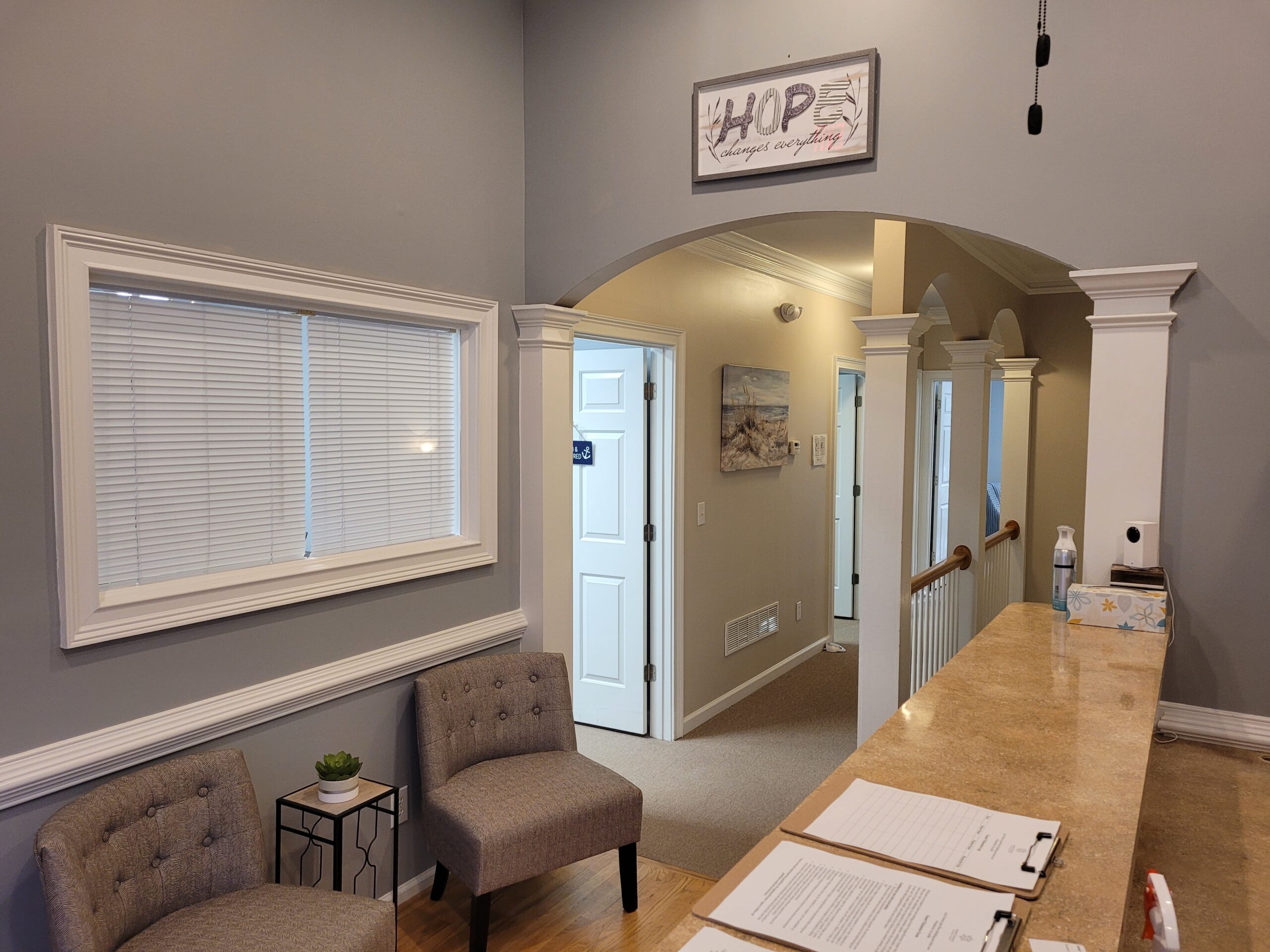
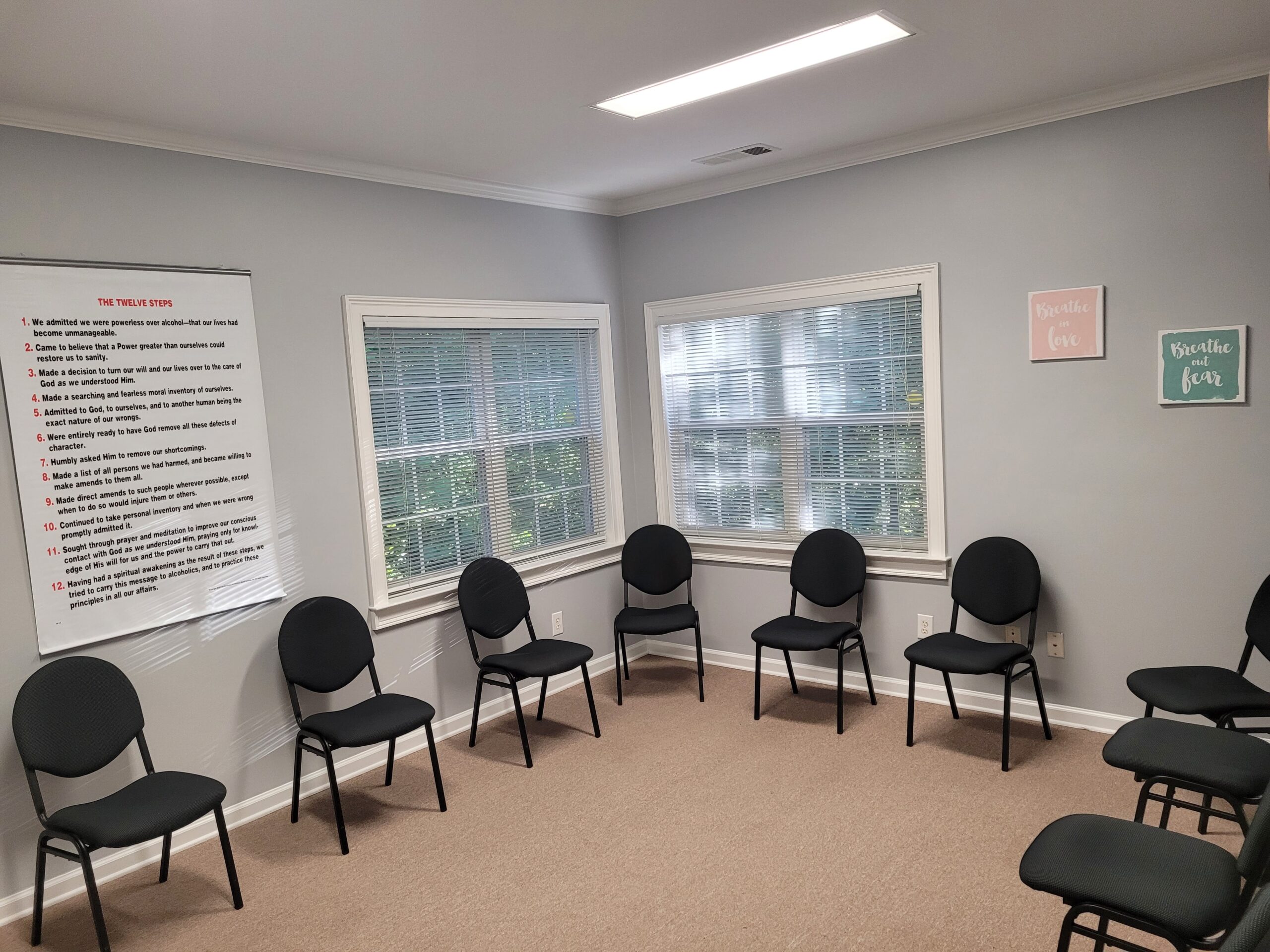
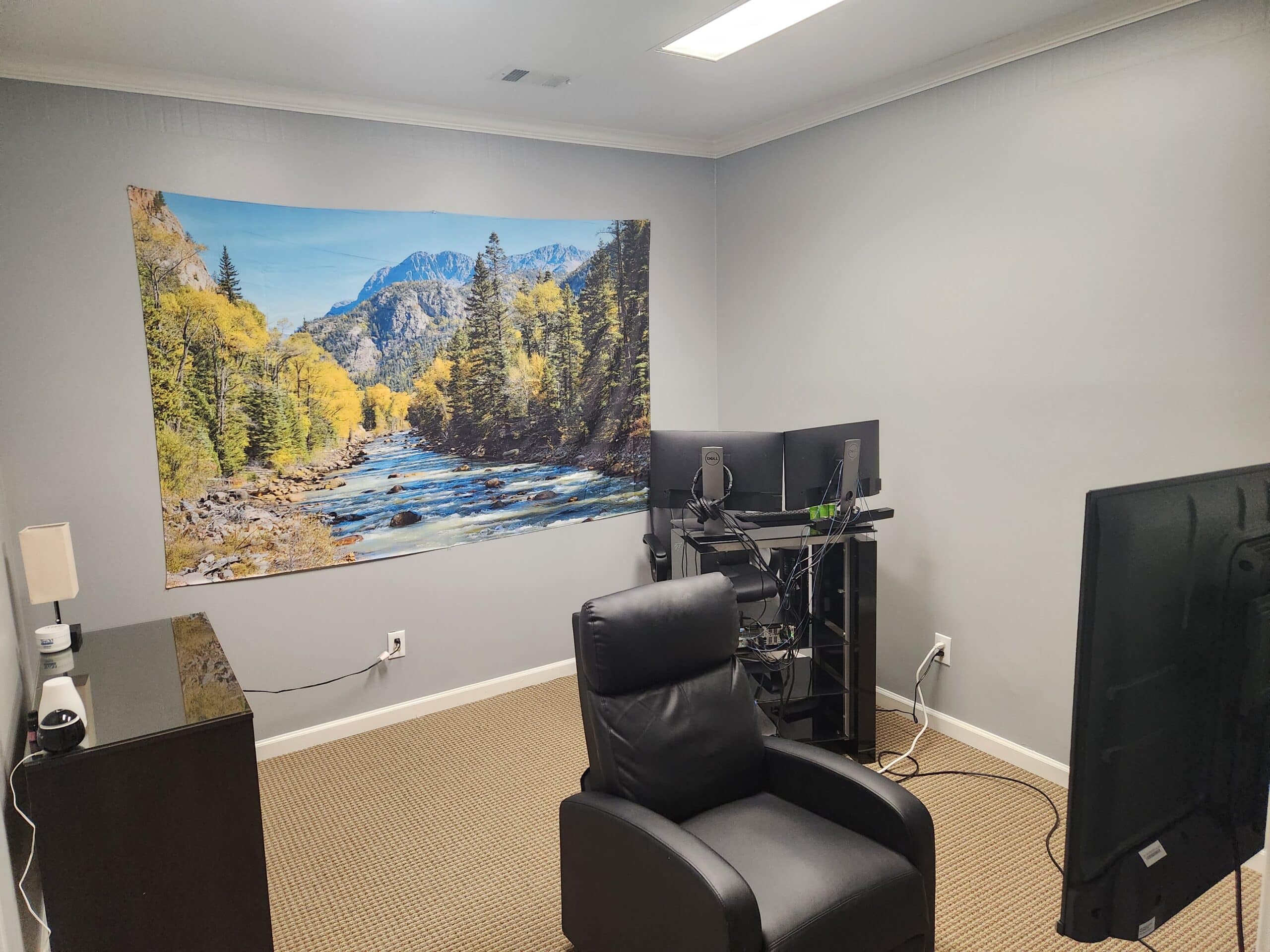
Check Out Our Facility in Atlanta, GA

Discover why our programs are top rated today. Talk with our admissions team about the right treatment plan to bring lasting recovery.

Common Eating Disorders

Eating disorders can affect food choices, body image, emotional well-being, and daily routines in different ways, so understanding the distinctions between common diagnoses can help clarify when specialized support may be needed.

Anorexia Nervosa and Body Image

Anorexia nervosa often involves severe food restriction, intense fear of weight gain, and persistent concerns about body shape or weight. A person may keep trying to lose weight even when restriction affects energy, concentration, heart function, hormones, bone health, or other areas of physical health.

Treatment usually requires both psychological and medical care because physical complications can become serious. Body image concerns matter, but recovery also involves restoring nutrition and reducing rigid behaviors around food and weight.

Bulimia Nervosa

Bulimia nervosa involves repeated episodes of binge eating followed by behaviors intended to prevent weight gain. These may include self-induced vomiting, fasting, excessive exercise, or laxative use.

Shame often makes the behavior difficult to discuss openly. Evidence-based care can help interrupt the binge-purge cycle while addressing emotional triggers, negative body image, and related concerns.

Binge Eating Disorder

Binge eating disorder involves recurring episodes of eating a large amount of food with a sense of losing control. A person may eat rapidly, eat when not physically hungry, or keep eating after feeling uncomfortably full.

Unlike bulimia, binge eating disorder does not regularly involve compensatory purging. Weight gain can occur, but weight alone does not determine whether someone has the disorder. Treatment focuses on eating patterns, emotions, coping strategies, and overall well-being. Research shows an important overlap between binge eating disorder and substance use disorders. Both conditions can involve patterns of compulsive behavior and difficulty regulating urges. When an eating disorder and substance use occur together, coordinated care is especially important because nutritional, medical, and behavioral concerns can affect the recovery process.

ARFID, Children, and Adolescent Medicine

Avoidant/restrictive food intake disorder, or ARFID, differs from eating disorders primarily driven by body image. A child, adolescent, or adult with ARFID may avoid foods because of texture, sensory sensitivity, fear of choking or vomiting, or a very limited interest in eating.

Some estimates suggest ARFID may affect as many as 5% of children, although prevalence varies depending on the population studied. Because restrictive eating can interfere with growth and development, adolescent medicine and pediatric expertise can be particularly important when children or teens are affected.

An experienced team can monitor nutrition, growth, physical health, and emotional needs together. Expert care matters because eating disorders in younger people can progress differently than they do in adults.

Request A Confidential Call

Help is Here When You're Ready

If you or someone you love is struggling with substance use or other mental health issues, Inner Voyage Recovery can help. Request a callback below to receive care and support you can trust.

"*" indicates required fields

How Specialized Eating Disorder Treatment Works

Treating eating disorders often requires a multidisciplinary approach because these conditions affect mental and physical health at the same time. A personalized treatment plan may involve therapists, physicians, registered dietitians, psychiatrists, and other professionals with eating-disorder expertise.

Treatment should reflect the diagnosis, medical stability, age, emotional readiness, family environment, and associated disorders. For some people, standard outpatient sessions may be appropriate. Others may need substantially more support.

The right support is not defined by one therapy or a fixed timeline. Eating disorders are often a long-term process, and treatment should adjust as the personโ€™s health and needs change.

Nutrition Support and Medical Monitoring

Nutrition support is a core part of specialized eating-disorder care. Registered dietitians with eating-disorder experience can help establish more consistent eating patterns, address fears around food, and reduce rigid rules without reducing recovery to weight alone.

Medical monitoring may also be necessary when restriction, purging, weight change, or nutritional deficiencies affect physical health. Clinicians may monitor vital signs, laboratory results, heart health, growth, or other concerns depending on the individual.

Inner Voyage does not provide eating-disorder nutrition treatment. Nutrition and medical care for an eating disorder should come from professionals specifically trained to manage these conditions.

Family-Based Treatment and Emotional Support

Family-based treatment can be especially important for children and adolescents with certain eating disorders. Parents or caregivers may take a more active role in supporting consistent nutrition while clinicians monitor the childโ€™s progress and gradually return greater independence as recovery develops.

Families can also provide emotional support by focusing conversations on health, feelings, and safety rather than weight, calories, or appearance. Compassionate involvement is different from trying to monitor or control every eating decision.

When substance use or another condition treated by Inner Voyage affects family relationships, family therapy Atlanta may support those qualifying concerns. It should not be presented as family-based eating-disorder treatment.

Cognitive Behavioral Therapy and Dialectical Behavior Therapy

Cognitive behavioral therapy is commonly used in specialized eating-disorder treatment to identify and change thoughts and behaviors connected to food, weight, and body image. It may help a person challenge rigid beliefs, recognize triggers, and develop healthier responses to eating concerns.

Dialectical behavior therapy can be useful when emotional dysregulation, impulsivity, or distress contributes to harmful eating behaviors. DBT builds mindfulness, emotional regulation, interpersonal effectiveness, and distress-tolerance skills.

Within its outpatient scope, Inner Voyage offers CBT Atlanta and DBT therapy Atlanta for qualifying mental health and substance use concerns. These therapies should not be presented as specialized eating-disorder treatment.

Body Image and the Long-Term Recovery Process

Body image concerns can continue even after eating behaviors begin to change. Negative body image may affect how someone interprets weight gain, clothing, photographs, hunger cues, body shape, or comments from other people. For some individuals, the need to lose weight or prevent weight gain becomes closely tied to self-worth.

Therapy can help a person explore these beliefs without making appearance the measure of recovery. The goal may begin with developing a more neutral and respectful relationship with the body rather than expecting someone to suddenly feel positive about every aspect of appearance.

Over time, recovery can create more space for relationships, interests, physical health, and ordinary daily life instead of allowing food or body concerns to determine every decision.

Experience the Inner Voyage Difference

How can our Atlanta Detox program help you?

New Skills

Learn to manage stress with mindfulness, breathing, exercise, and more.

Stability

Get help building a routine that works for your life and recovery.

Caring Staff

Our alumni love us, and you will too. We have 67 five-star reviews (and growing).

Insurance Acceptedโ€จ

We accept major insurance carriers. And if youโ€™re inclined, we have self-pay and other options. Just ask our admissions staff!

Veteran Support

Youโ€™ll benefit from our staffโ€™s specialized trainings and support for veterans. We understand what youโ€™ve experienced, and can help you process it for good and leave it in the past.

Levels of Care for Eating Disorder Treatment

Eating-disorder treatment exists at different levels of intensity. The appropriate setting depends on medical stability, nutritional needs, severity of eating behaviors, psychiatric symptoms, home support, and the personโ€™s ability to stay safe outside a structured environment.

Specialized programs may provide standard outpatient care, intensive outpatient treatment, day treatment, residential treatment, or hospital-based stabilization. These services should be delivered by programs specifically equipped for eating-disorder care.

When Higher Levels of Care Are Required

Some eating disorders create medical or psychiatric risks that cannot be managed safely through ordinary outpatient appointments. Significant restriction, severe purging, dehydration, cardiovascular concerns, or other signs of medical instability can require a more intensive level of specialized care.

Inner Voyage does not provide inpatient, residential, or specialized eating-disorder treatment. When higher levels of care are required, healthcare professionals experienced in treating eating disorders should evaluate those needs.

Once a person is medically and psychiatrically stable, other co-occurring substance use or mental health concerns may be addressed separately through appropriate outpatient care.

Your Path to Recovery Made Simple

How to Begin Your Recovery Journey

We know beginning treatment can feel intimidating, so weโ€™ve made the process simple and stress-free.

1

Get in touch
with us

Call or complete our contact form to connect with an admissions specialist who takes the time to listen and understand your situation.

2

Complete an assessment
& insurance review

Our team will review your history, discuss your needs, and confirm insurance coverage or explore self-pay options to make things easy.
3

Start your
treatment

Begin a personalized program built around your goals, supported by evidence-based care and a compassionate clinical team.

Eating Disorders, Substance Use, and Associated Disorders

Eating disorders sometimes overlap with alcohol or drug use. A person may use stimulants to suppress appetite, drink alcohol to numb body image concerns, or combine substance use with restriction or other harmful eating behaviors.

When both are present, treating only one condition can leave the other unaddressed. Eating-disorder specialists should manage the eating-disorder component, while addiction treatment should address substance use and related mental health needs.

Inner Voyage, through drug rehab Atlanta care, can support qualifying substance use and co-occurring mental health concerns through dual diagnosis treatment centers Georgia. The eating disorder itself should remain under the care of professionals specifically trained in that area.

Supporting a Loved One With Eating Concerns

It can be difficult to know what to say when a loved one appears to be struggling with food, body shape, or weight. Comments about appearance, telling someone to โ€œjust eat,โ€ or framing the issue as a lack of self-control can increase shame and make communication harder.

Instead, focus on changes in physical health, mood, energy, relationships, or daily life. Encourage the person to seek professional help and offer practical emotional support, such as helping them research qualified clinicians or attend an appointment.

Recovery often requires more support than one family member can provide alone. The right team can help families understand the condition while giving the person room to participate in their own treatment.

The Best Atlanta PHP

How can our Atlanta PHP program help you?

Depth

The best way to achieve lasting recovery is deep healing. We guide you to what needs to be healed, and help you through it.

Support

Weโ€™re your partner and guide, every step of the way. With that level of support, recovery is more likely.

Strength

There is strength in your journey. Youโ€™ve gotten this far. Now letโ€™s take it all the way. We rely on your strengths as much as ours.

Accountability

Call it accountability, โ€œtough love,โ€ or whatever you like: We hold you to a higher standard. We see your potential and help you realize it.

Aftercare

No recovery is complete without aftercare planning and support. Our Alumni program helps you stick to sobriety for good.

Flexibility

Join our PHP and get support that fits your schedule. We specialize in helping busy adults get the support they need.

What Recovery From Disordered Eating Can Look Like

Recovery from disordered eating is often a long-term process rather than a single turning point. Early progress may involve more consistent eating, fewer compensatory behaviors, improved medical stability, or greater willingness to talk honestly about eating concerns.

As treatment continues, progress may include more flexibility around food, less distress about body shape, stronger coping skills, and a greater ability to participate in relationships, work, school, and daily life.

Eating disorders can present significant challenges, but people can make meaningful progress with evidence-based care, professional guidance, and the right support.

Find A New Way Forward with Inner Voyage Recovery Center

Frequently asked questions

Eating disorder treatment Atlanta care may include talk therapy, nutrition counseling, medical monitoring, nutrition education, and psychiatric care when appropriate. Eating disorders treated in specialized programs can include anorexia nervosa, bulimia nervosa, binge eating disorder, ARFID, and other forms of disordered eating. A personalized plan should reflect the personโ€™s physical health, diagnosis, age, emotional needs, and any co-occurring mental health concerns.

Concerns related to food, body image, weight, or eating behavior deserve attention when they begin affecting health or daily life. Warning signs may include severe restriction, binge eating, purging, laxative use, fear of gaining weight, rigid food rules, or persistent distress about body shape. These conditions are often characterized by patterns that become increasingly difficult to control without professional support.

Nutrition therapy can help restore more consistent eating patterns and reduce fear or confusion around food. Registered dietitians may provide nutrition counseling, help clients respond more accurately to hunger and fullness cues, and address beliefs about gaining weight or certain foods. The goal is not simply changing weight. Effective nutrition support helps build a safer, more flexible relationship with eating as part of lasting recovery.

Yes. Cognitive behavioral therapy can help identify and change harmful thoughts and behaviors associated with food, body image, and self-worth. Other approaches may address emotional regulation, trauma, anxiety, or depression. Psychiatric care may also be included when medication is appropriate for co-occurring mental health symptoms. Specialized treatment teams often combine these services to support individuals more comprehensively.

Lasting recovery usually develops through consistent, coordinated care rather than a single intervention. Ongoing therapy, nutrition counseling, medical follow-up, family involvement when appropriate, and support for co-occurring mental health concerns can all play a role. Recovery may look different for each person, but the aim is to support individuals in building greater physical stability, emotional well-being, and freedom from eating-disorder behaviors over time.

Inner Voyage Recovery Centerโ€™s Top Values

Every treatment will be uniquely tailored to you, because youโ€™re unique.

Sober Living

Our team is 100% sober, including from Alcohol. We help our clients achieve sobriety and stick to it through thick and thin, because sobriety is the foundation of a fulfilling life.

Integrity

Our team is 100% sober, including from Alcohol. We help our clients achieve sobriety and stick to it through thick and thin, because sobriety is the foundation of a fulfilling life.

Everyone Belongs

Our team is 100% sober, including from Alcohol. We help our clients achieve sobriety and stick to it through thick and thin, because sobriety is the foundation of a fulfilling life.

Limitless Potential

Our team is 100% sober, including from Alcohol. We help our clients achieve sobriety and stick to it through thick and thin, because sobriety is the foundation of a fulfilling life.

Reviews

Hear from those who’ve walked this path

Find the Right Support for Eating and Mental Health Concerns

Disordered eating can affect mental health, physical health, body image, relationships, and daily life. Seeking professional help early can clarify what is happening and connect a person with an experienced team that can build a personalized treatment plan. Inner Voyage Recovery Center does not provide specialized eating-disorder treatment. Our outpatient programs may support qualifying substance use and co-occurring mental health concerns when those are part of the larger picture, while specialized eating-disorder professionals should manage eating and nutritional needs.
Contact us by calling (470) 460-8437 to discuss whether our outpatient services fit your needs. Our admissions team can help clarify the concerns Inner Voyage treats and whether another type of professional care may be more appropriate.

If youโ€™re looking for more information, connect with our team by phone, email, or through our online form. Weโ€™re here to answer your questions, talk through your options, and support you as you begin your path toward lasting recovery.

Sources

National Institute of Health. (October 15, 2013). The overlap between binge eating disorder and substance use disorders. PMC.

National Institute of Health. (September 8, 2020). The Risk of Substance Use Among Adolescents and Adults with Eating Disorders. PMC.

Substance Abuse and Mental Health Services Administration. (September 26, 2025). Managing Life with Co-Occurring Disorders. SAMHSA.

Utah State University. (August 3, 2020). Diet, Nutrition, and Substance Use Disorder. Utah State University.

National Library of Medicine. (May 4, 2024). Substance use recovery and diet. MedlinePlus.

Free & Easy Insurance Check

Alliant logo featuring a small black triangle followed by "Alliant" in bold black italic text.

Request a Confidential Call

"*" indicates required fields

This field is for validation purposes and should be left unchanged.
Preferred Method*
Get Treatment For All Your Healthcare Needs

Other Mental Health Treatments

Request A Confidential Call

Request a call and an Inner Voyage Recovery Center team member will be in touch.

"*" indicates required fields