Request a call to speak with an admissions specialist. We are here to help you.

"*" indicates required fields

Stress Management Atlanta

Stress can become so constant that it stops feeling temporary. You may be keeping up with work, family, and daily responsibilities while your sleep, concentration, mood, or physical health quietly starts to slip. When that pressure begins affecting relationships, emotional stability, or the way you cope, stress management counseling Atlanta support can help you understand what your system has been carrying and what needs to change.

Free Insurance Check

Free & Confidential | HIPAA Compliant | No Obligation

"*" indicates required fields

1
2
3
4
This field is for validation purposes and should be left unchanged.
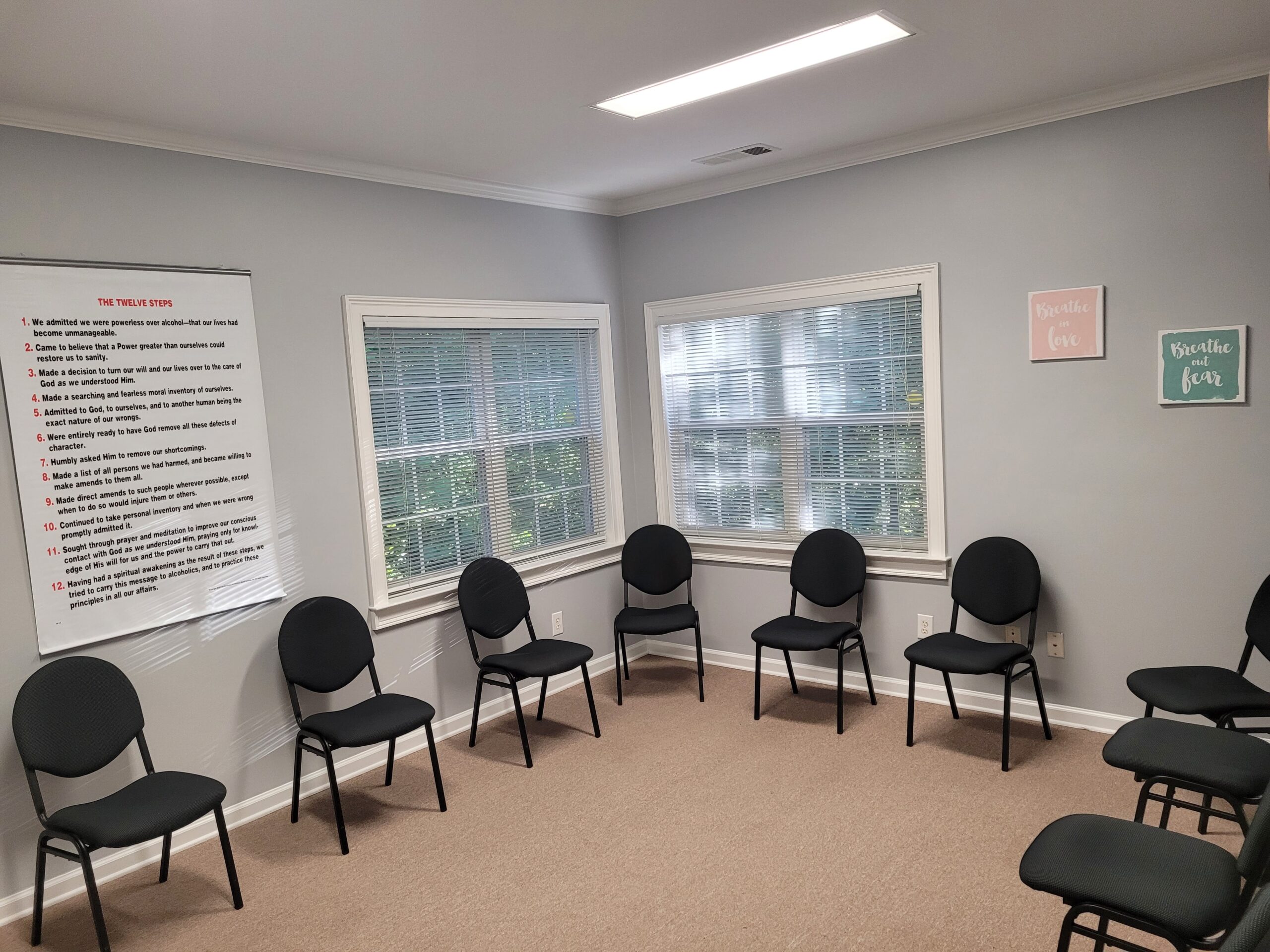
Group therapy session at Inner Voyage Recovery Center in Atlanta.

Stress Management, Mental Health, and Anxiety Disorders

Chronic stress can affect thoughts, emotions, sleep, physical health, and relationships long before someone reaches a breaking point. Feeling overwhelmed may show up as persistent worry, irritability, low motivation, muscle tension, difficulty concentrating, or a constant sense that there is never enough time to recover.

Stress also overlaps closely with anxiety disorders. When worry, fear, or tension continues even when the immediate pressure has passed, anxiety counseling Atlanta can provide a more focused mental health pathway. Therapy can help clients identify negative thought patterns, understand what keeps the stress response active, and develop healthier ways to manage difficult situations.

The goal is not to eliminate every stressful experience. Effective stress management helps you increase your capacity to respond without becoming consumed by the pressure around you.

Table of Contents

What Is Stress Management Counseling Atlanta?

Stress management counseling is structured therapy focused on understanding what creates overload and how you respond. A therapist may look at work pressure, caregiving, relationships, financial strain, grief, health concerns, perfectionism, or other personal challenges that keep the mind and body in a prolonged state of tension.

Counseling also helps clients distinguish between temporary stress and patterns that may be connected to anxiety, depression, trauma, burnout, or substance use. That distinction matters because coping strategies work best when they match the actual problem.

A personalized treatment plan can combine therapy, mindfulness techniques, lifestyle changes, emotional regulation skills, and medication management when clinically appropriate.

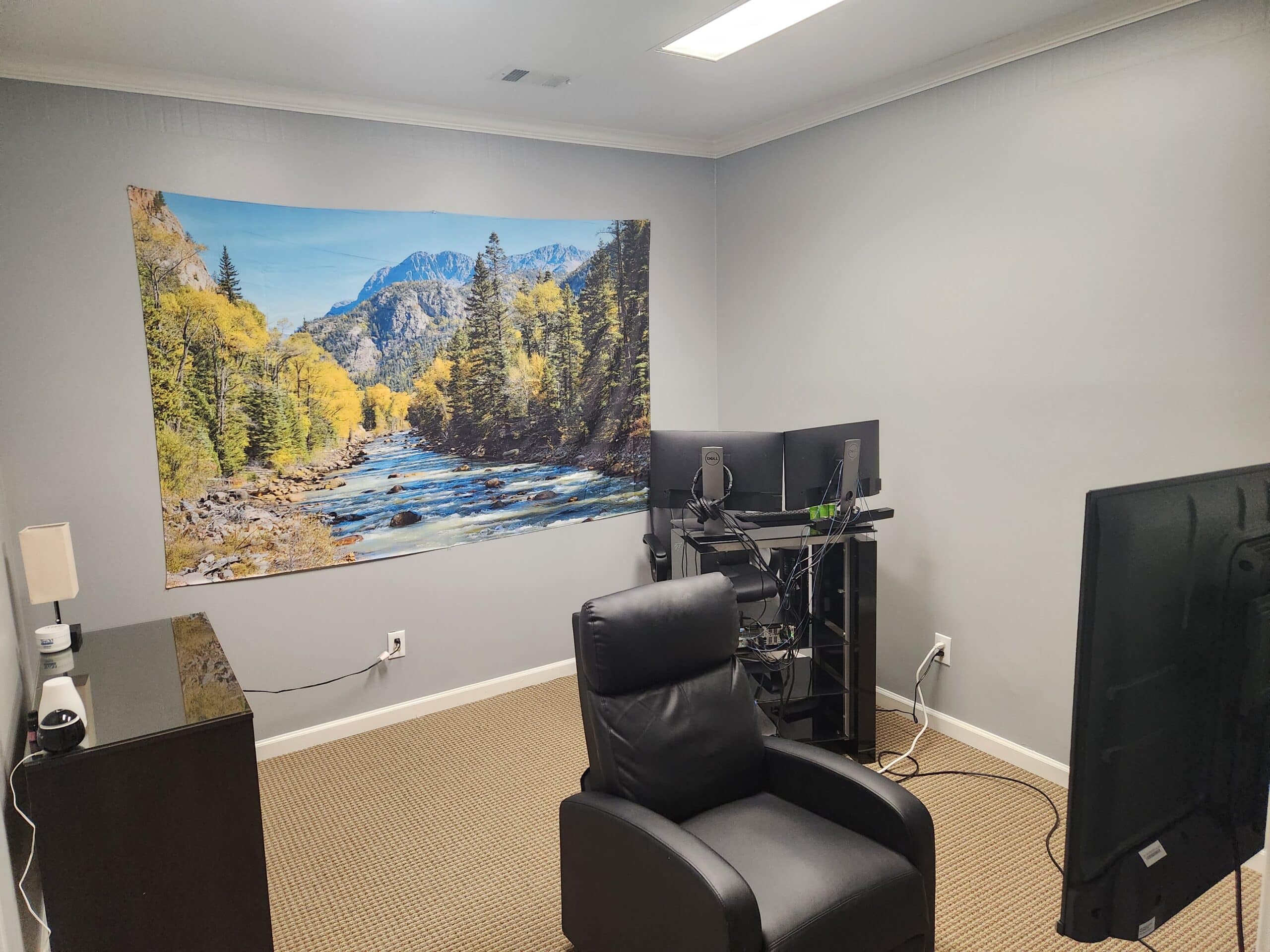
Check Out Our Facility in Atlanta, GA

Discover why our programs are top rated today. Talk with our admissions team about the right treatment plan to bring lasting recovery.

How Chronic Stress Can Affect Daily Life

Chronic stress keeps the body prepared for problems even when there is no immediate emergency. Over time, that heightened state can make it harder to sleep deeply, think clearly, regulate emotions, or recover after stressful situations. People may feel more reactive, exhausted, distracted, or emotionally flat.

Stress can also affect physical health. Headaches, stomach problems, muscle tension, changes in appetite, fatigue, and disrupted sleep are common ways pressure shows up outside the mind. These symptoms can make other mental health issues feel harder to manage.

Therapy helps clients notice these patterns earlier and respond before stress reaches crisis. Building resilience is less about tolerating more pressure and more about recognizing limits, creating realistic goals, and using coping tools consistently.

When Stress and Substance Use Begin to Overlap

Alcohol or drugs can sometimes become a shortcut for shutting off an overactive mind, falling asleep, or creating temporary distance from difficult feelings. The relief may be brief, but the brain can begin associating stress with substance use, making that response feel increasingly automatic.

When this pattern develops, dual diagnosis treatment centers Georgia can address qualifying mental health and substance use concerns within the same outpatient treatment plan. This allows clients to build healthier coping strategies while also working on the emotional pressure that contributed to the substance use.

Recognizing the pattern early and seeking support from a drug rehab Atlanta care center can create room for change before work stress, relationship strain, cravings, or mood symptoms become even more difficult to manage.

Signs You May Need More Support Managing Stress

Stress management becomes especially important when your usual coping methods stop working. You may still function on the outside while feeling increasingly depleted inside.

Signs that professional help may be useful include:

  • Persistent overwhelm: Daily responsibilities feel difficult to organize or complete.
  • Sleep disruption: Stress makes it difficult to fall asleep, stay asleep, or wake feeling rested.
  • Emotional changes: Irritability, anxiety, low mood, or numbness begin affecting relationships.
  • Physical symptoms: Headaches, tension, fatigue, or stomach problems worsen during stressful periods.
  • Avoidance behaviors: You procrastinate, isolate, overwork, or rely on substances to escape pressure.
  • Loss of balance: Work, caregiving, or other demands leave little room for self-care, relationships, or recovery.

These patterns don’t mean someone lacks resilience. They may simply mean the current demands exceed the coping resources available right now.

Request A Confidential Call

Help is Here When You're Ready

If you or someone you love is struggling with substance use or other mental health issues, Inner Voyage Recovery can help. Request a callback below to receive care and support you can trust.

"*" indicates required fields

Stress Management Through Mindfulness and Holistic Care

Stress management is most effective when clients can use the tools outside the therapy room. Holistic therapy Atlanta may incorporate mindfulness, breathing exercises, movement, and other practices that help clients become more aware of the present moment.

These approaches can support emotional well-being by giving the body regular opportunities to shift out of high alert. Rather than waiting until stress becomes overwhelming, clients practice techniques they can use throughout the day to reduce stress and restore a sense of control.

Small changes such as regular breaks, realistic goals, movement, consistent sleep, and intentional self-care can become part of a broader treatment plan when they are tailored to the person rather than treated as generic wellness advice.

Mindfulness Techniques and Relaxation Strategies

Mindfulness teaches you to notice thoughts and physical sensations without reacting immediately. This can be especially useful when stressful thoughts race ahead into worst-case scenarios or when your body feels tense before you fully understand why.

Relaxation techniques such as paced breathing, grounding, guided meditation, and brief sensory exercises can also create relief during difficult moments. The goal is not to pretend the stressor doesn’t exist, but to respond from a steadier place rather than panic or exhaustion.

With practice, these tools can make it easier to stay connected to the present moment and regulate emotions during work pressure, conflict, cravings, or other stressful situations.

Movement, Sleep, and Daily Routines

Physical movement, sleep, nutrition, and routine all influence how well the body handles pressure. Regular activity can provide a healthy outlet for tension, while consistent meals and sleep can reduce physical instability that makes stress feel harder to manage.

Daily structure does not have to be rigid. Simple routines, such as stepping away from a screen, taking regular breaks, setting realistic goals, or creating a consistent bedtime, can reduce the number of decisions competing for attention during an already demanding day.

These habits work best as part of a larger treatment plan rather than as substitutes for therapy when mental health symptoms or substance use are present.

Experience the Inner Voyage Difference

How can our Atlanta Detox program help you?

New Skills

Learn to manage stress with mindfulness, breathing, exercise, and more.

Stability

Get help building a routine that works for your life and recovery.

Caring Staff

Our alumni love us, and you will too. We have 67 five-star reviews (and growing).

Insurance Acceptedโ€จ

We accept major insurance carriers. And if youโ€™re inclined, we have self-pay and other options. Just ask our admissions staff!

Veteran Support

Youโ€™ll benefit from our staffโ€™s specialized trainings and support for veterans. We understand what youโ€™ve experienced, and can help you process it for good and leave it in the past.

Cognitive Behavioral Therapy for Stress Management

Cognitive behavioral therapy can help clients recognize the negative thought patterns that turn manageable pressure into a constant sense of threat. Thoughts such as โ€œI cannot fall behind,โ€ โ€œI have to handle everything myself,โ€ or โ€œIf I stop, everything will fall apartโ€ can quietly increase tension throughout the day.

CBT Atlanta helps clients identify those patterns, test their accuracy, and develop more flexible ways of thinking. Over time, changing negative thought patterns can make stressful situations feel less consuming and improve overall quality of life.

CBT is also widely used in treating anxiety, making it particularly relevant when stress and persistent worry occur together.

Dialectical Behavior Therapy and Emotional Stability

Stress can become harder to manage when emotions escalate quickly or remain intense for long periods. DBT therapy Atlanta teaches skills for distress tolerance, mindfulness, interpersonal effectiveness, and emotional regulation.

These tools can help clients pause before reacting, tolerate uncomfortable feelings without immediately trying to escape them, and communicate more effectively during conflict.

DBT can be particularly useful when chronic stress affects mood, relationships, impulsive behavior, or substance use.

Your Path to Recovery Made Simple

How to Begin Your Recovery Journey

We know beginning treatment can feel intimidating, so weโ€™ve made the process simple and stress-free.

1

Get in touch
with us

Call or complete our contact form to connect with an admissions specialist who takes the time to listen and understand your situation.

2

Complete an assessment
& insurance review

Our team will review your history, discuss your needs, and confirm insurance coverage or explore self-pay options to make things easy.
3

Start your
treatment

Begin a personalized program built around your goals, supported by evidence-based care and a compassionate clinical team.

Mindfulness-Based Cognitive Approaches

Mindfulness-based cognitive approaches combine present-moment awareness with tools to identify the thought patterns that keep stress alive. They can help clients notice when the mind repeatedly rehearses problems, anticipates failure, or replays difficult events.

Learning to observe those thoughts without automatically following them can reduce the mental friction that makes stressful situations feel endless.

This approach can complement other evidence-based therapies within a personalized treatment plan.

Acceptance and Commitment Therapy for Personal Growth

Acceptance and Commitment Therapy, or ACT, helps clients change how they respond to difficult thoughts and emotions rather than trying to eliminate every uncomfortable feeling. This can be especially useful when stress comes from circumstances you can’t simply remove, such as caregiving, grief, career pressure, or major life changes.

ACT encourages clients to remain connected to the present moment while identifying the values they want their choices to reflect. Instead of letting stress dictate every decision, therapy can create room for discomfort while still moving toward meaningful goals.

Over time, this approach can support personal growth, resilience, and improved well-being, even when life continues to present challenges.

Medication Management for Anxiety and Mental Health Concerns

Therapy is often central to stress management, but medication may also be appropriate when chronic stress overlaps with an anxiety disorder, depression, sleep disruption, or another mental health condition. Medication management involves evaluating symptoms, selecting an appropriate medication when needed, and monitoring the person’s response over time.

Through psychiatry Atlanta, Inner Voyage can incorporate psychiatric care into a broader outpatient treatment plan when clinically appropriate. Medication is not treated as a stand-alone solution; it is one possible tool alongside therapy, coping skills, and lifestyle changes.

The right approach depends on symptoms, medical history, current medications, treatment goals, and each clientโ€™s unique needs.

The Best Atlanta PHP

How can our Atlanta PHP program help you?

Depth

The best way to achieve lasting recovery is deep healing. We guide you to what needs to be healed, and help you through it.

Support

Weโ€™re your partner and guide, every step of the way. With that level of support, recovery is more likely.

Strength

There is strength in your journey. Youโ€™ve gotten this far. Now letโ€™s take it all the way. We rely on your strengths as much as ours.

Accountability

Call it accountability, โ€œtough love,โ€ or whatever you like: We hold you to a higher standard. We see your potential and help you realize it.

Aftercare

No recovery is complete without aftercare planning and support. Our Alumni program helps you stick to sobriety for good.

Flexibility

Join our PHP and get support that fits your schedule. We specialize in helping busy adults get the support they need.

Individual and Group Therapy for Unique Needs

Stress can look very different from one person to another. Individual therapy Atlanta gives clients room to work privately through specific stressors, behaviors, relationships, and emotional patterns at their own pace.

Group therapy Atlanta creates a different kind of support. Hearing how other people cope with demanding jobs, family strain, anxiety, or recovery challenges can reduce isolation and introduce practical strategies that may not emerge in one-on-one therapy.

Using both formats allows treatment to address personal concerns while also building connection, perspective, and communication skills.

When Past Experiences Keep Stress Active

Sometimes the intensity of a current stress response connects to much earlier experiences. A relatively small conflict, deadline, or change may trigger a much larger emotional reaction because it touches an old fear, loss, or traumatic experience.

Trauma therapy Atlanta can help clients explore these connections without reducing every stress response to trauma. When appropriate, EMDR therapy Atlanta may also be incorporated into an individualized treatment plan.

The purpose is to understand why certain situations feel so activating and develop new responses that support greater emotional stability.

Outpatient Stress Management and Mental Health Treatment

Inner Voyage provides outpatient care, and the right level of support depends on symptom severity, substance use, daily responsibilities, and the amount of structure a client needs. Some people benefit from intensive daytime programming, while others need a schedule that fits around work or family.

A partial hospitalization program Atlanta offers structured daytime care while clients continue living outside the facility. An Atlanta IOP provides a more flexible schedule with regular therapy and clinical support.

For clients who cannot step away from daytime responsibilities, an evening intensive outpatient program can provide structured care later in the day.

Ongoing Outpatient Care

As symptoms stabilize, outpatient rehab Atlanta may provide ongoing therapy with less weekly structure. This can help clients continue practicing coping skills while returning more fully to daily life.

Treatment can evolve over time rather than remaining fixed at one level. Regular review allows the clinical team to adjust the plan as stress, anxiety, recovery goals, or other concerns change.

When Higher Levels of Care Are Required

Outpatient treatment is not appropriate for every situation. When higher levels of care are required because of severe psychiatric instability, medical concerns, unsafe substance use, or another acute problem, stabilization in a more intensive setting may need to happen before outpatient care begins.

Inner Voyage provides outpatient treatment only. Once a person is stable enough to participate safely, PHP, IOP, or standard outpatient services may support continued mental health or substance use recovery.

Clinical recommendations should reflect current symptoms and safety needs, not pressure to fit one predetermined treatment path.

Managing Stress While Staying Connected to Daily Life

One advantage of outpatient care is the ability to practice new skills while continuing to interact with real responsibilities. Work deadlines, family conversations, commuting, and other daily pressures become opportunities to notice old patterns and respond differently.

Inner Voyageโ€™s Woodstock setting gives clients access to outpatient care outside the busiest parts of Atlanta while remaining connected to the metro area. That can make it easier to balance treatment with relationships, work, and other responsibilities.

The goal is not to create a stress-free environment. It helps clients develop tools that stay useful when life becomes demanding again.

Find A New Way Forward with Inner Voyage Recovery Center

Frequently asked questions

Yes. In todayโ€™s fast-paced world, constant work demands, caregiving, financial pressure, and digital overload can make stress feel nonstop. Evidence-based therapies such as cognitive behavioral therapy, mindfulness-based approaches, and Acceptance and Commitment Therapy can help clients recognize stress patterns, build healthier coping skills, and respond more intentionally. The goal is not to eliminate every challenge, but to create more stability and control in daily life.

Experiencing anxiety alongside chronic stress is common, especially when worry continues even after an immediate problem has passed. Anxiety disorders can include generalized anxiety disorder, panic disorder, social anxiety disorder, and OCD. Therapy can help clarify whether stress is the primary concern or part of a broader mental health condition, then shape treatment around the personโ€™s specific symptoms and needs.

A non-judgmental space allows clients to talk openly about stress, anxiety, burnout, substance use, relationships, or other concerns without feeling shamed for how they have been coping. A therapist can help identify patterns with curiosity rather than criticism. This kind of environment can make it easier to explore difficult feelings, practice new coping strategies, and build trust in the healing process.

Therapy can support healing by looking at the factors that keep stress active, including negative thought patterns, unresolved grief, trauma, anxiety, or unhealthy coping behaviors. Clients may learn relaxation techniques, emotional regulation skills, mindfulness, and communication strategies while also exploring how stress affects other areas of life. Over time, these tools can improve relationships, mood, confidence, and overall well-being.

Consider professional help when stress affects sleep, concentration, physical health, relationships, work, or your ability to enjoy daily life. If coping strategies no longer feel effective or stress is contributing to anxiety, depression, or substance use, therapy may provide additional support. Reaching out does not mean you have failed to manage stress on your own. It can be a practical step toward building resilience and learning more effective ways to overcome persistent patterns.

Inner Voyage Recovery Centerโ€™s Top Values

Every treatment will be uniquely tailored to you, because youโ€™re unique.

Sober Living

Our team is 100% sober, including from Alcohol. We help our clients achieve sobriety and stick to it through thick and thin, because sobriety is the foundation of a fulfilling life.

Integrity

Our team is 100% sober, including from Alcohol. We help our clients achieve sobriety and stick to it through thick and thin, because sobriety is the foundation of a fulfilling life.

Everyone Belongs

Our team is 100% sober, including from Alcohol. We help our clients achieve sobriety and stick to it through thick and thin, because sobriety is the foundation of a fulfilling life.

Limitless Potential

Our team is 100% sober, including from Alcohol. We help our clients achieve sobriety and stick to it through thick and thin, because sobriety is the foundation of a fulfilling life.

Reviews

Hear from those who’ve walked this path

Build Healthier Ways to Manage Stress With Inner Voyage

Stress may be unavoidable, but a constant state of overload doesn’t have to become your normal. Therapy can help you understand the habits, thoughts, emotions, and life pressures that keep stress active while building coping strategies that support better relationships, emotional stability, and overall well-being.

At Inner Voyage Recovery Center, our outpatient programs offer individualized mental health and substance use care built around each clientโ€™s unique needs. When higher levels of care are required, those needs should be addressed before outpatient treatment begins. Contact us by calling (470) 460-8437 to discuss your concerns and learn which outpatient treatment options may fit your needs.

If youโ€™re looking for more information, connect with our team by phone, email, or through our online form. Weโ€™re here to answer your questions, talk through your options, and support you as you begin your path toward lasting recovery.

Sources

National Institute on Drug Abuse. (May 23, 2022). Academic Stress and Mental Well-Being in College Students. PMC.

Sinha, R. (2008). Chronic Stress, Drug Use, and Vulnerability to Addiction. PMC.

National Institute on Drug Abuse. (November 3, 2016). The Neurobiology of Substance Use, Misuse, and Addiction. National Institute on Drug Abuse.

Free & Easy Insurance Check

Alliant logo featuring a small black triangle followed by "Alliant" in bold black italic text.

Request a Confidential Call

"*" indicates required fields

This field is for validation purposes and should be left unchanged.
Preferred Method*
Get Treatment For All Your Healthcare Needs

Other Mental Health Treatments

Request A Confidential Call

Request a call and an Inner Voyage Recovery Center team member will be in touch.

"*" indicates required fields