Request a call to speak with an admissions specialist. We are here to help you.

"*" indicates required fields

Telehealth Substance Abuse Treatment

Telehealth addiction treatment allows clinically appropriate clients to participate in structured outpatient care through secure virtual sessions. For people balancing work, family, transportation, or other responsibilities, virtual treatment can make it easier to access therapy and recovery support without frequent travel to a treatment location. At Inner Voyage Recovery, telehealth services are designed to support substance use and co-occurring mental health needs through individualized outpatient care.

Free Insurance Check

Free & Confidential | HIPAA Compliant | No Obligation

"*" indicates required fields

1
2
3
4
This field is for validation purposes and should be left unchanged.
Woman in prayer during telehealth substance abuse treatment session at Inner Voyage Recovery.

What Is Telehealth Addiction Treatment?

Telehealth addiction treatment uses secure technology to deliver behavioral health and substance use treatment without requiring every appointment to take place face-to-face. Through our virtual IOP programs, clinically appropriate clients can access structured treatment remotely while continuing to live at home.

Telehealth services may use video conferencing and other secure communication tools to connect clients with clinicians for treatment that would traditionally occur in person. Depending on the program and individual treatment plan, online addiction treatment can combine therapy, behavioral health support, recovery planning, and other clinically appropriate services through a secure virtual format.

Table of Contents

The U.S. Department of Health and Human Services recognizes telehealth as one way behavioral health providers can expand access to substance use disorder treatment when in-person participation is difficult.

Telehealth does not change the underlying goals of treatment. Clients still work with clinicians to understand substance use patterns, develop coping skills, address co-occurring mental health concerns, and build accountability around long-term recovery.

Telehealth vs. In-Person Treatment

Telehealth and in-person treatment can address many of the same behavioral health goals, but they are not interchangeable for every client.

Consideration Telehealth Treatment In-Person Treatment
Location Client participates remotely from a private setting Client travels to a treatment location
Transportation May reduce or eliminate routine travel Requires transportation to appointments
Daily responsibilities Can make treatment easier to coordinate with work, school, or caregiving May require more scheduling around travel and appointment times
Technology Requires a reliable device, internet or phone access, and sufficient privacy Does not depend on home internet access
Clinical suitability Appropriate for clients who can safely participate in outpatient care remotely May be preferable when closer observation or face-to-face support is needed

The effectiveness of telehealth depends on factors such as clinical needs, engagement, technology access, privacy, and whether virtual care is appropriate for the individual. It should not be treated as automatically better or worse than in-person treatment.

Who May Be Appropriate for Virtual Substance Use Disorder Treatment?

Telehealth may be appropriate for many individuals with substance use disorders who are medically stable and do not require 24-hour medical or residential care. Suitability depends on much more than convenience. The clinical team should consider substance use severity, mental health symptoms, home environment, technology access, safety, and the clientโ€™s ability to participate consistently.

Virtual care may be especially useful for people who experience practical barriers to attending frequent in-person treatment, including:

  • Transportation limitations
  • Long travel distances
  • Work or school schedules
  • Childcare or caregiving responsibilities
  • Physical disabilities or mobility concerns
  • Limited access to nearby behavioral health services
  • Anxiety or other barriers that make attending a clinic more difficult
  • A need for greater flexibility while maintaining accountability

For some clients, this flexibility can make consistent participation in treatment more practical.

Substance Use and Mental Health Needs

Virtual treatment may support clients with alcohol use disorder, opioid use disorder, or other substance use disorders when outpatient care is clinically appropriate. Co-occurring anxiety, depression, trauma-related symptoms, or another mental health diagnosis can also affect treatment planning.

When co-occurring disorders are present, treatment should consider both mental health care and substance use rather than addressing them as completely separate concerns. The National Institute on Drug Abuse notes that substance use disorders and mental health disorders can occur together and that integrated treatment can be important when both are present.

Some clients with opioid use disorder may also receive medication-assisted treatment or medications for opioid use disorder as part of broader care. Whether medication can be initiated, prescribed, or managed through telemedicine depends on clinical circumstances, applicable regulations, prescriber availability, and the individual treatment plan. Virtual care should not imply that medication treatment is automatically available or appropriate for every client.

When Virtual Care May Not Be Appropriate

Telehealth is not appropriate for every stage of substance use disorder treatment. Clients with significant withdrawal concerns, acute medical or psychiatric symptoms, an unsafe home environment, or a need for closer observation may require a different level of care. Clinical assessment should determine whether virtual treatment, in-person outpatient care, or a higher level of care is appropriate.

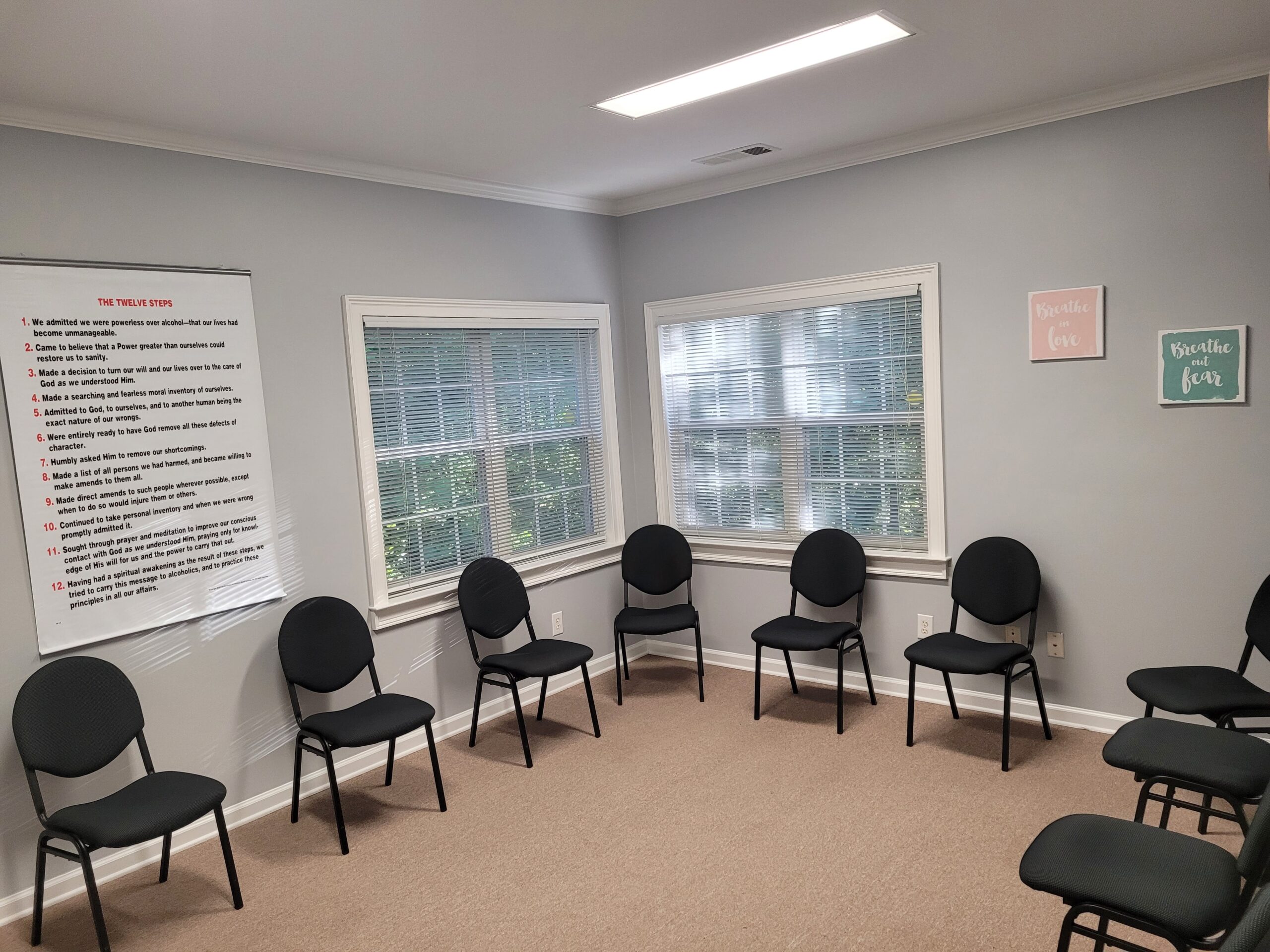
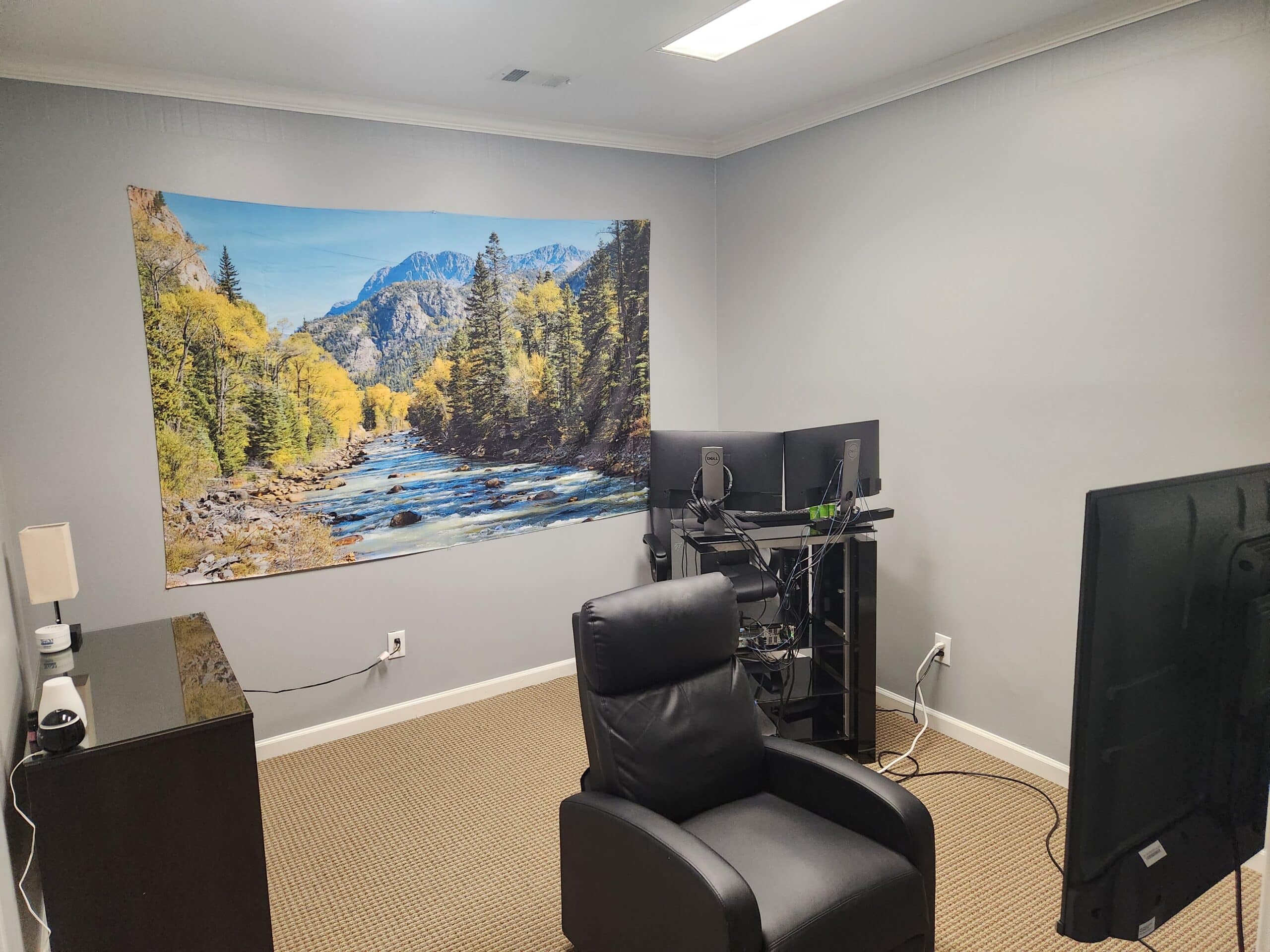
Check Out Our Facility in Atlanta, GA

Discover why our programs are top rated today. Talk with our admissions team about the right treatment plan to bring lasting recovery.

How Does Online Addiction Treatment Work?

Online addiction treatment uses a secure virtual setting to deliver structured behavioral health care remotely. Telehealth appointments can include assessment, therapy, treatment planning, and ongoing review based on the clientโ€™s needs and program.

At Inner Voyage Recovery, virtual care may include individual therapy, group-based treatment, mental health support, and recovery-focused services when appropriate.

Individual and Group Telehealth Sessions

Individual online counseling gives clients dedicated time with a therapist to address substance use patterns, triggers, emotional concerns, treatment goals, and challenges that arise in daily life.

Virtual group therapy can add another layer of accountability and recovery support by giving clients opportunities to:

  • Practice coping and communication skills
  • Discuss common recovery challenges
  • Learn from different perspectives
  • Build connection with peers
  • Recognize patterns that may contribute to substance use
  • Strengthen strategies for handling triggers outside treatment

Telehealth can therefore preserve both individualized care and interpersonal support without requiring every session to occur in person.

Technology, Privacy, and Participation

Successful virtual treatment also depends on having an appropriate environment for telehealth appointments. Clients generally need:

  • A reliable internet connection or compatible phone service
  • A device that supports the treatment platform
  • A private location for confidential conversations
  • Enough uninterrupted time to participate meaningfully
  • A willingness to communicate openly with the clinical team

Digital behavioral health has expanded considerably since the COVID-19 pandemic accelerated the use of telemedicine services, online counseling, virtual groups, and other remote approaches. Current practices may also incorporate tools such as appointment reminders, secure messaging, or mobile apps, but the specific technology used should depend on the treatment center, privacy requirements, and the services actually being delivered.

At Inner Voyage, telehealth provides another way for appropriate clients to participate in outpatient treatment without requiring every session to occur at a physical location.

What Inner Voyage Offers Virtually

Inner Voyage Recovery provides virtual outpatient treatment for clients whose clinical needs can be appropriately addressed remotely. Care is individualized according to substance use concerns, mental health needs, treatment goals, and the level of structure required.

Virtual Intensive Outpatient Treatment

Virtual IOP provides more structure than standard outpatient care while allowing clients to remain in their home environment. Treatment may focus on substance use patterns, emotional regulation, triggers, relationships, and practical challenges that affect daily life.

Clients who need less intensive support may transition to other outpatient treatment options as their clinical needs change. The appropriate level of care should be determined individually, not by a fixed timeline.

Therapy and Co-Occurring Mental Health Treatment

Substance use disorders frequently overlap with anxiety, depression, trauma-related symptoms, or other mental health conditions. When both are present, treatment should consider how mental health symptoms and substance use may influence one another.

Our dual diagnosis treatment centers Georgia services address qualifying co-occurring disorders alongside substance use within an integrated outpatient treatment plan.

Individual Online Counseling

Our individual therapy Atlanta services can be incorporated into virtual care when appropriate. Online counseling gives clients dedicated time with a therapist to explore:

  • Substance use patterns and triggers
  • Anxiety, depression, or other emotional concerns
  • Coping strategies
  • Relationship or family stress
  • Treatment goals
  • Relapse risk
  • Changes occurring during recovery

The goal is not to guarantee successful outcomes, but to provide a structured setting in which clients can develop practical skills and work toward individually defined goals.

Group Therapy and Recovery Support

Our group therapy Atlanta services can provide peer connection, accountability, and opportunities to practice recovery skills in a clinician-guided setting.

Virtual groups may help clients:

  • Hear perspectives from others facing similar challenges
  • Practice communication and coping strategies
  • Discuss common barriers to treatment
  • Strengthen accountability
  • Reduce isolation
  • Apply skills between sessions

Online group treatment became much more common during the COVID-19 pandemic as behavioral health organizations expanded telemedicine and virtual recovery support. That shift helped demonstrate that meaningful peer interaction does not always require everyone to be in the same physical room.

Family and Behavioral Therapies

When clinically appropriate and supported by the client, family therapy Atlanta may be part of the broader treatment process.

Other evidence-based approaches may also be incorporated depending on the treatment plan, including:

Virtual delivery should not change the clinical purpose of these therapies, although clinicians may adapt how activities, worksheets, discussions, or skills practice are completed online.

Request A Confidential Call

Help is Here When You're Ready

If you or someone you love is struggling with substance use or other mental health issues, Inner Voyage Recovery can help. Request a callback below to receive care and support you can trust.

"*" indicates required fields

Medication-Assisted Treatment and Virtual Mental Health Care

Medication-assisted treatment may be appropriate for some people with opioid use disorder or alcohol use disorder. Our medication-assisted treatment Atlanta services may be incorporated when clinically appropriate, but qualified prescribers must make medication decisions based on individual circumstances.

Telehealth does not mean every medication can automatically be prescribed, initiated, or managed remotely. Availability may depend on:

  • The medication involved
  • Current federal and state requirements
  • Prescriber availability
  • Clinical assessment
  • Medical history
  • The clientโ€™s location
  • Whether in-person evaluation is necessary

Medication can support treatment for some clients, but it does not replace counseling, behavioral interventions, or ongoing clinical assessment.

Benefits and Limitations of Telehealth Treatment

Telehealth can reduce some of the practical demands associated with attending treatment at a physical location. For appropriate clients, that flexibility may make ongoing participation easier to coordinate with daily responsibilities.

Potential advantages include:

Potential Benefit What It May Mean for Treatment
Reduced travel Less time spent commuting to appointments
Greater scheduling flexibility Treatment may be easier to coordinate with daily responsibilities
Access from home Clients can participate from a familiar private setting
Continuity Virtual care can support ongoing contact when in-person attendance is difficult
Real-world application Clients can practice coping strategies within their everyday environment

There are also meaningful limitations.

When Technology Becomes a Barrier

Telemedicine also has practical limitations that can affect whether virtual care is workable for a particular client.

Possible challenges include:

  • Unstable internet service
  • Limited access to a compatible device
  • Lack of privacy at home
  • Distractions during sessions
  • Difficulty using video conferencing technology
  • Security concerns when using shared devices or unsecured networks
  • Situations where face-to-face observation would provide important clinical information

Some telehealth systems may also use tools such as secure messaging, phone contact, or text messaging for limited administrative or treatment-support functions. The technologies used should depend on clinical appropriateness, privacy requirements, and the treatment centerโ€™s current practices.

When a Higher Level of Care May Be Needed

Virtual treatment is intended for clients who are clinically appropriate for outpatient care. It is not a substitute for medical detox, inpatient care, residential treatment, or emergency medical services when those levels of support are necessary.

A higher level of care may be appropriate when someone has:

  • Significant withdrawal risk
  • Acute intoxication or medical complications
  • Severe psychiatric symptoms
  • An unsafe or unstable living environment
  • Significant polysubstance use
  • Difficulty maintaining safety between sessions
  • A need for 24-hour medical or behavioral supervision

Inner Voyage Recovery does not provide medical detox, inpatient care, or residential treatment through its telehealth programs. When those services are clinically necessary, stabilization or higher-level treatment should occur before virtual outpatient care begins.

Once a client is medically and clinically appropriate for outpatient treatment, Inner Voyage can assess whether telehealth or in-person care better fits the clientโ€™s current needs.

Insurance and Access to Telehealth Services

Insurance coverage for telehealth addiction treatment varies. Some plans include virtual behavioral health services, while others may apply different network, authorization, cost-sharing, or medical-necessity requirements.

Coverage can depend on:

  • The insurance provider
  • Specific plan benefits
  • Network status
  • The type of telehealth service
  • Medical necessity
  • Prior authorization requirements
  • Deductibles, copays, or coinsurance
  • The clientโ€™s location

Our admissions team can review available benefits information and help explain what treatment options may be available through Inner Voyage. Benefits verification does not guarantee coverage, authorization, payment, or final cost.

Insurance coverage is only one factor in determining whether virtual treatment is appropriate. Clinical needs, privacy, technology access, geographic eligibility, and consistent participation also matter.

Long-Term Recovery Support Through Telehealth

Long-term recovery often involves applying treatment skills to changing stressors, relationships, cravings, and daily responsibilities. Telehealth can provide continued clinical connection as clients work through those challenges.

Recovery planning may include:

  • Recognizing early warning signs
  • Strengthening coping strategies
  • Maintaining supportive relationships
  • Continuing individual or group therapy when appropriate
  • Addressing changes in mental health symptoms
  • Following medication recommendations from qualified prescribers
  • Building routines that support stability
  • Planning for situations that may increase relapse risk

Inner Voyage also offers an alumni program for addiction for eligible clients who want continued connection after structured treatment.

Telehealth can support ongoing recovery, but it does not guarantee long-term recovery or replace more intensive treatment when clinical circumstances change.

Find A New Way Forward with Inner Voyage Recovery Center

Frequently asked questions

Get answers to commonly asked questions.

Telehealth can be an effective option for treating substance use disorders when virtual care matches the clientโ€™s clinical needs. Research comparing online treatment with face-to-face behavioral health care has found comparable results across several measures, although effectiveness varies by diagnosis, engagement, technology access, and treatment intensity. Telehealth is not automatically appropriate for every client or every stage of recovery.

Telehealth can increase access for people who face transportation barriers, mobility limitations, childcare responsibilities, or long travel distances. This may be especially useful in rural areas, where more people can connect with behavioral health specialists without repeatedly traveling to a distant clinic. Online treatment still requires sufficient privacy, reliable technology, and consistent participation.

Medication-assisted treatment, sometimes called MAT, may be incorporated into care for opioid use disorder or alcohol use disorder when clinically appropriate. Whether medication can be started, prescribed, or managed remotely depends on the medication, federal and state requirements, prescriber availability, clinical assessment, and client location. Telehealth does not make every medication or service automatically available.

Researchers have examined both clinical effectiveness and the organizational factors that influence virtual care. Research published across the behavioral health literature, including work in international journals, suggests that technology, clinician training, workflow, privacy, and engagement can all affect whether telehealth programs succeed.

No. Virtual treatment can complement, rather than replace, other forms of recovery support. During the COVID-19 pandemic, organizations such as Alcoholics Anonymous and Narcotics Anonymous expanded virtual meetings, giving patients and other participants ways to remain connected during periods of isolation. Free virtual peer-support options may be useful for some people, but they are not substitutes for professional treatment when clinical care is needed.

Reviews

Hear from those who’ve walked this path

Take the Next Step With Inner Voyage

Telehealth addiction treatment can provide a flexible outpatient option for clients whose needs can be addressed safely and effectively through virtual care. At Inner Voyage Recovery, treatment is individualized based on substance use concerns, mental health needs, and current recovery goals. Contact us by calling (470) 460-8437 to speak with our admissions team about whether telehealth treatment may be appropriate for you or a loved one.

If youโ€™re looking for more information, connect with our team by phone, email, or through our online form. Weโ€™re here to answer your questions, talk through your options, and support you as you begin your path toward lasting recovery.

Sources

Substance Abuse and Mental Health Services Administration. (February 8, 2026). Trauma-Informed Approaches and Programs. Substance Abuse and Mental Health Services Administration.

Substance Abuse and Mental Health Services Administration. (April 24, 2023). Mental Health and Substance Use Co-Occurring Disorders. Substance Abuse and Mental Health Services Administration.

National Institute on Drug Abuse. (September 30, 2024). Co-Occurring Disorders and Health Conditions. National Institute on Drug Abuse.

U.S. Department of Health & Human Services. (July 29, 2025). Tele-treatment for substance use disorders. Telehealth.HHS.gov.

Free & Easy Insurance Check

Alliant logo featuring a small black triangle followed by "Alliant" in bold black italic text.

Request a Confidential Call

"*" indicates required fields

This field is for validation purposes and should be left unchanged.
Preferred Method*
Get Treatment For All Your Healthcare Needs

Other Treatment Programs

Request A Confidential Call

Request a call and an Inner Voyage Recovery Center team member will be in touch.

"*" indicates required fields