Request a call to speak with an admissions specialist. We are here to help you.

"*" indicates required fields

LGBTQ Addiction Treatment

LGBTQ people can face added stress around discrimination, rejection, family conflict, trauma, and feeling unsafe or misunderstood in healthcare settings. When substance use becomes a way to manage those experiences, finding treatment that feels respectful and nonjudgmental can make it easier to engage honestly in the recovery process. People searching for LGBTQ rehab often want to know whether a treatment environment will respect their sexual orientation, relationships, identity, and individual needs without making assumptions about who they are. Inner Voyage Recovery Center welcomes adults from diverse backgrounds and provides individualized outpatient addiction and mental health treatment for qualifying concerns.

Free Insurance Check

Free & Confidential | HIPAA Compliant | No Obligation

"*" indicates required fields

1
2
3
4
This field is for validation purposes and should be left unchanged.
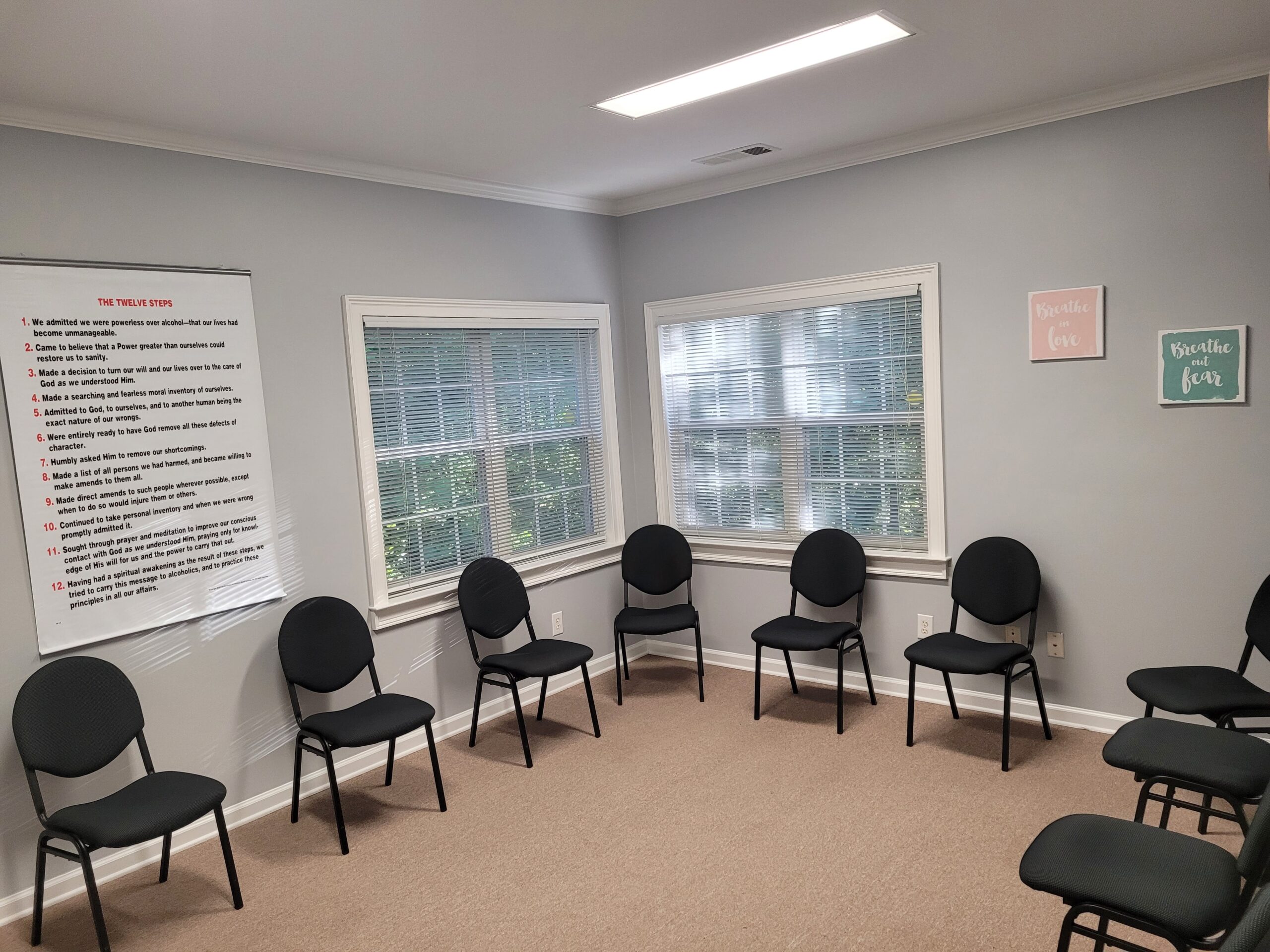
Support group session at Inner Voyage Recovery Center in Atlanta with diverse participants.

LGBTQ Rehab, Mental Health, and Dual Diagnosis

Substance use rarely develops for one reason. For members of the LGBTQ community, experiences such as discrimination, harassment, family rejection, social isolation, or previous trauma may contribute to chronic stress, anxiety, depression, or substance misuse. These experiences do not define every LGBTQ individual, but they can shape the recovery journey for some people.

When substance use occurs alongside a qualifying mental health condition, dual diagnosis treatment centers Georgia can address both concerns within a coordinated treatment plan. Inner Voyage provides outpatient dual-diagnosis care based on each clientโ€™s clinical needs rather than assuming that sexual orientation or identity determines the type of treatment they require
Table of Contents

Mental Health and Substance Use in the LGBTQ Community

Research consistently shows that LGBTQ individuals experience higher rates of some mental health and substance use concerns than heterosexual peers. These differences are often discussed in relation to minority stress, discrimination, violence, family rejection, unequal access to care, and other social pressures rather than sexual orientation itself. Research published through the National Library of Medicine has documented elevated behavioral health needs among sexual minority adults.

Depression, anxiety, post-traumatic stress disorder, alcohol misuse, and other substance use disorders can overlap. Treatment is strongest when it looks at those co-occurring needs together and helps a person develop coping strategies that do not depend on drugs or alcohol.

What to Look for in an Inclusive Treatment Center

A supportive treatment center should let clients speak honestly about their experiences without fear of ridicule, harassment, or judgment. Respectful communication, individualized treatment plans, appropriate clinical boundaries, and a safe and supportive environment matter for every person entering addiction treatment.

For LGBTQ people, it may also be important to ask how a treatment center handles discrimination, family involvement, privacy, relationships, and co-occurring mental health concerns. The right environment should allow clients to focus on addiction recovery and emotional well-being without reducing the person to one part of their identity.

Check Out Our Facility in Atlanta, GA

Discover why our programs are top rated today. Talk with our admissions team about the right treatment plan to bring lasting recovery.

Creating a Safe and Supportive Environment

Feeling respected can influence whether someone feels comfortable participating fully in treatment. Clients should be able to discuss relationships, family experiences, discrimination, trauma, mental health, or substance use without expecting those conversations to be treated as unusual or shameful.

At Inner Voyage, outpatient care is individualized around the personโ€™s clinical needs, recovery goals, history, and current challenges. Clients from the LGBTQ community are welcome to participate in the same evidence-based and holistic treatment services available to other adults when those services are clinically appropriate.

Co-Occurring Mental Health Conditions

Mental health and substance use can become tightly connected. Depression, anxiety disorders, post-traumatic stress disorder, grief, chronic stress, and other mental health disorders may influence why someone begins using substances or why stopping becomes difficult.

Dual-diagnosis care considers both sides of that picture. Instead of treating addiction as an isolated behavior, treatment can explore trauma, mood symptoms, coping habits, relationships, substance use, and the circumstances that make recovery more difficult. This is particularly important when substance misuse has become a way of managing emotional distress.

Request A Confidential Call

Help is Here When You're Ready

If you or someone you love is struggling with substance use or other mental health issues, Inner Voyage Recovery can help. Request a callback below to receive care and support you can trust.

"*" indicates required fields

Therapies That Can Support Mental Health and Addiction Recovery

Therapy can help people understand the thoughts, emotions, relationship patterns, and coping behaviors connected to substance use. The right approach depends on the personโ€™s mental health, trauma history, recovery goals, and current level of stability. At Inner Voyage, therapy is individualized around clinical needs rather than a personโ€™s sexual orientation or identity.

CBT Atlanta can help clients recognize unhelpful thought patterns, understand triggers, and develop healthier coping strategies. DBT therapy Atlanta may support emotional regulation, distress tolerance, mindfulness, and interpersonal effectiveness when those skills fit the treatment plan.

Connection can also play an important role in recovery. Group therapy Atlanta gives clients space to practice communication, hear different perspectives, and work through recovery challenges alongside others. When relationships have been affected by addiction or mental health concerns, family therapy Atlanta may help improve boundaries, communication, and mutual understanding when family involvement is clinically appropriate.

Holistic Support for Overall Well-Being

Clinical therapy can be complemented by practices that support stress regulation, self-awareness, and overall well-being. Mindfulness, movement, expressive work, and nervous-system regulation may help clients feel more grounded as they work through substance use and co-occurring mental health concerns.

Holistic therapy Atlanta may be incorporated into qualifying outpatient treatment plans based on individual needs. These approaches are used alongside evidence-based care, not as a replacement for clinical treatment.

Experience the Inner Voyage Difference

How can our Atlanta Detox program help you?

New Skills

Learn to manage stress with mindfulness, breathing, exercise, and more.

Stability

Get help building a routine that works for your life and recovery.

Caring Staff

Our alumni love us, and you will too. We have 67 five-star reviews (and growing).

Insurance Acceptedโ€จ

We accept major insurance carriers. And if youโ€™re inclined, we have self-pay and other options. Just ask our admissions staff!

Veteran Support

Youโ€™ll benefit from our staffโ€™s specialized trainings and support for veterans. We understand what youโ€™ve experienced, and can help you process it for good and leave it in the past.

Addiction Treatment and Outpatient Recovery Options

Treatment needs vary depending on the severity of the substance use disorder, mental health symptoms, physical health, recovery environment, and level of support available at home. Some people need highly structured services early in recovery, while others are appropriate for outpatient treatment that allows them to continue living at home.

Inner Voyage focuses on outpatient addiction and dual-diagnosis care. Treatment can be adjusted as needs change, with an emphasis on personalized treatment plans, evidence-based therapies, psychiatric support when appropriate, and practical tools for lasting recovery.

Levels of Addiction Treatment

Different levels of care provide different amounts of clinical structure. The appropriate setting depends on the personโ€™s symptoms, safety, substance use, and ability to function outside treatment.

Level of Care Typical Structure General Purpose
Residential treatment Clients live in a treatment setting with continuous structure Used when a person needs a highly supervised recovery environment
Partial hospitalization program Several hours of structured treatment during the day without overnight residence Provides intensive daytime support for people who can safely live outside the program
Intensive outpatient program Multiple therapy sessions each week while living at home Supports recovery while allowing greater independence
Standard outpatient treatment Scheduled therapy and clinical appointments with lower weekly intensity Appropriate for people who are stable enough for less frequent treatment

The right level of care can change over time as symptoms stabilize, recovery skills strengthen, and a person becomes ready for greater independence.

Your Path to Recovery Made Simple

How to Begin Your Recovery Journey

We know beginning treatment can feel intimidating, so weโ€™ve made the process simple and stress-free.

1

Get in touch
with us

Call or complete our contact form to connect with an admissions specialist who takes the time to listen and understand your situation.

2

Complete an assessment
& insurance review

Our team will review your history, discuss your needs, and confirm insurance coverage or explore self-pay options to make things easy.
3

Start your
treatment

Begin a personalized program built around your goals, supported by evidence-based care and a compassionate clinical team.

Intensive Outpatient Program and Structured Outpatient Care

For people who are clinically appropriate for outpatient care, an intensive outpatient program can provide several hours of structured treatment across multiple days each week. This allows clients to receive consistent support while continuing to live outside the treatment setting.

Atlanta IOP may include individual therapy, group sessions, relapse-prevention work, mental health support, and other services based on the treatment plan. The time commitment depends on clinical needs and the specific program schedule.

Flexible Outpatient Treatment and Continuing Support

Standard outpatient treatment can provide ongoing therapy and recovery support with less weekly intensity than IOP. For adults balancing work, school, or family responsibilities, an evening intensive outpatient program may offer structured treatment outside traditional daytime hours.

Recovery is an ongoing process, and continued connection can help clients maintain progress after a more structured phase of treatment ends. Support groups, ongoing therapy, healthy relationships, community connection, and, for some people, recovery housing may all play a role in long-term recovery depending on individual needs.

Insurance Coverage for Mental Health and Addiction Treatment

Insurance coverage for substance abuse treatment and mental health services depends on the individual policy, provider network, level of care, medical necessity requirements, deductibles, and other plan details. Under the Affordable Care Act, mental health and substance use disorder services are included among essential health benefits for applicable plans.

The U.S. government provides additional information about mental health and substance abuse coverage. Inner Voyageโ€™s admissions team can verify available benefits and explain what a specific insurance provider may cover before treatment begins.

The Best Atlanta PHP

How can our Atlanta PHP program help you?

Depth

The best way to achieve lasting recovery is deep healing. We guide you to what needs to be healed, and help you through it.

Support

Weโ€™re your partner and guide, every step of the way. With that level of support, recovery is more likely.

Strength

There is strength in your journey. Youโ€™ve gotten this far. Now letโ€™s take it all the way. We rely on your strengths as much as ours.

Accountability

Call it accountability, โ€œtough love,โ€ or whatever you like: We hold you to a higher standard. We see your potential and help you realize it.

Aftercare

No recovery is complete without aftercare planning and support. Our Alumni program helps you stick to sobriety for good.

Flexibility

Join our PHP and get support that fits your schedule. We specialize in helping busy adults get the support they need.

Finding Inclusive Addiction Treatment Near Atlanta

When comparing rehab centers, look beyond marketing language. Consider whether the program can address the substance use disorder, co-occurring mental health condition, trauma history, recovery environment, insurance needs, and practical time commitment involved in treatment.

Inner Voyage is located in Woodstock, Georgia, and provides outpatient addiction and mental health treatment for qualifying adults from Atlanta and surrounding communities. People of different backgrounds, sexual orientations, and life experiences are welcome. Those looking for a drug and alcohol rehab in Woodstock, GA can explore whether Inner Voyageโ€™s outpatient programs match their clinical needs.

Family Members, Loved Ones, and Healthy Relationships

Addiction can strain intimate relationships, friendships, and family connections. LGBTQ individuals may also have different definitions of family support, including biological relatives, partners, close friends, or other important people in their community.

When appropriate, treatment can help clients examine boundaries, communication, trust, conflict, and the role relationships play in recovery. A loved one can be an important source of support, but the treatment plan should remain centered on the clientโ€™s individual needs, safety, and long-term well-being.

When Higher Levels of Care Are Required

When higher levels of care are required because someone needs medical stabilization, 24-hour supervision, residential treatment, inpatient treatment, or another more intensive setting, those services may need to come before outpatient care.

These higher levels of care are separate from Inner Voyageโ€™s outpatient programs. Once a person is clinically stable enough for outpatient treatment, care can focus on substance use, co-occurring mental health concerns, coping skills, trauma, relationships, and rebuilding daily routines.

Find A New Way Forward with Inner Voyage Recovery Center

Frequently asked questions

Mental health treatment can help clients address depression, anxiety, trauma, relationship stress, discrimination, and other concerns that may overlap with substance use. LGBTQ individuals may face unique challenges, including rejection, harassment, hate crimes, or difficulty finding an inclusive environment where they feel comfortable discussing their experiences. Treatment should provide a supportive space where patients can focus on healing without being reduced to their sexual orientation or identity.

Mental health services can include individual therapy, group therapy, psychiatric support, medication management when appropriate, and treatment for co-occurring mental health conditions. The Substance Abuse and Mental Health Services Administration has reported substantial overlap between behavioral health and substance use concerns among LGBTQ adults. Effective treatment programs consider the full clinical picture rather than treating addiction in isolation.

When comparing rehab centers, look at clinical quality, staff professionalism, evidence-based therapies, mental health support, safety policies, and whether clients are treated respectfully. An LGBTQ substance abuse treatment search may lead to specialized programs, but not every person needs an identity-specific facility. A safe space, clear anti-harassment expectations, individualized care, and an environment where clients can speak openly are important considerations.

Quality rehab programs should recognize that discrimination, trauma, family conflict, social isolation, and other LGBTQ issues may affect recovery for some clients. Treatment programs can help people develop healthier coping skills, strengthen relationships, process difficult experiences, and reconnect with their authentic self. Successful recovery is highly individual, and support should reflect the personโ€™s actual clinical needs rather than assumptions about their identity.

Recovery does not follow one fixed timeline. Some people participate in structured treatment for several weeks or several months, while others continue therapy, support groups, or recovery housing after formal treatment ends. Specialized programs and general outpatient care can both play roles depending on the individual. Long-term progress usually depends on ongoing connection, healthy routines, appropriate mental health care, and a treatment plan that can evolve as needs change.

Reviews

Hear from those who’ve walked this path

Begin Outpatient Recovery at Inner Voyage

Recovery works best when people can participate honestly without feeling reduced to a diagnosis, background, or identity. Respect, compassion, and individualized care can create a supportive environment for addressing addiction, mental health, trauma, and the other experiences that shape a personโ€™s recovery journey.

At Inner Voyage Recovery Center, we welcome adults from diverse backgrounds and provide outpatient substance use and dual-diagnosis treatment for qualifying concerns. Contact us by calling (470) 460-8437 to discuss your needs, insurance coverage, and available outpatient treatment options.

If youโ€™re looking for more information, connect with our team by phone, email, or through our online form. Weโ€™re here to answer your questions, talk through your options, and support you as you begin your path toward lasting recovery.

Sources

SAMHSA. (2023). Results from the 2023 National Survey on Drug Use and Health. SAMHSA.

National Institute on Drug Abuse. Chapter 3. Intensive Outpatient Treatment and the Continuum of Care. National Institutes of Health.

U.S. Centers for Medicare & Medicaid Services. Intensive Outpatient Program Services. Medicare.

U.S. Department of Health & Human Services. Mental health & substance abuse coverage. Healthcare.gov.

Free & Easy Insurance Check

Alliant logo featuring a small black triangle followed by "Alliant" in bold black italic text.
care source-bk
multiplan-bk
united healthcare1-bk
cigna-bk
beacon-bk
bluecross-bk
tricare-bk

Request a Confidential Call

"*" indicates required fields

This field is for validation purposes and should be left unchanged.
Preferred Method*
Get Treatment For All Your Healthcare Needs

Other Treatment Programs

Request A Confidential Call

Request a call and an Inner Voyage Recovery Center team member will be in touch.

"*" indicates required fields