Request a call to speak with an admissions specialist. We are here to help you.

"*" indicates required fields

Anger Management Therapy Atlanta

Anger management Atlanta support can help when anger begins to feel difficult to control or starts affecting relationships, work, and daily life. Repeated outbursts, aggressive behavior, or intense reactions may be connected to more than the immediate conflict, including chronic stress, grief, trauma, anxiety, substance use, or other mental health concerns. Understanding those patterns can make it easier to build practical strategies for emotional regulation, conflict resolution, and healthier communication.

Free Insurance Check

Free & Confidential | HIPAA Compliant | No Obligation

"*" indicates required fields

1
2
3
4
This field is for validation purposes and should be left unchanged.
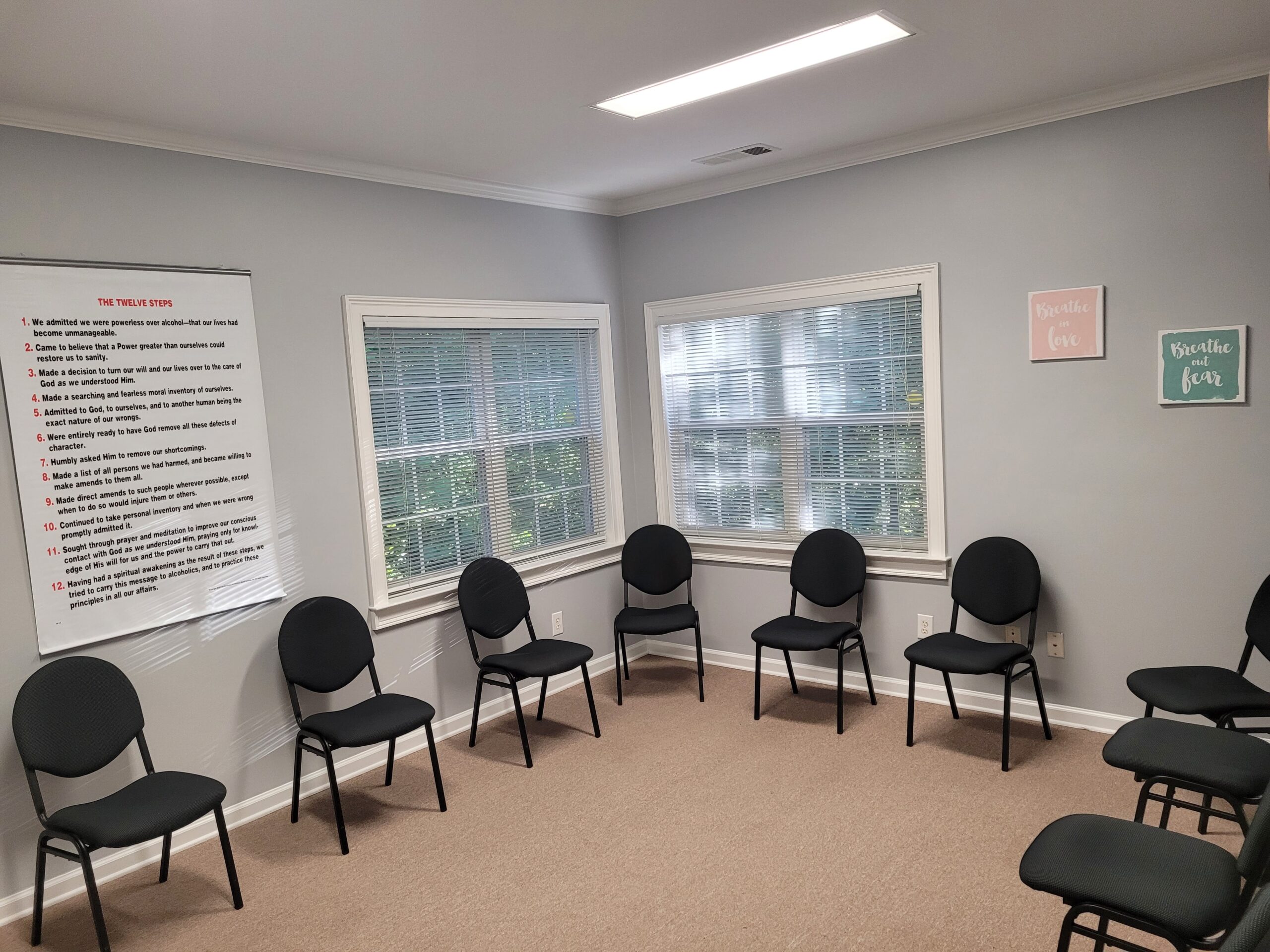
Group therapy session at Inner Voyage Recovery Center in Atlanta.

Anger Issues, Mental Health, and Substance Use

Anger rarely exists in isolation. Chronic stress, grief, divorce, trauma, anxiety, depression, and substance use can all lower a personโ€™s ability to pause before reacting. Some clients use alcohol or drugs to calm down after conflict, while others notice that substance use makes irritability, impulsivity, or aggressive behavior worse.

When substance use and mental health concerns occur together, dual diagnosis treatment centers Georgia can address both within one coordinated outpatient treatment plan. This can be especially important when anger is part of a larger pattern involving cravings, withdrawal, anxiety, depression, or difficulty with emotional control.

The Substance Abuse and Mental Health Services Administration explains that co-occurring mental health and substance use conditions are best addressed together rather than treated as unrelated problems.

Table of Contents

Signs Anger May Be Connected to a Deeper Concern

Anger becomes more concerning when reactions feel disproportionate to the situation or begin creating repeated consequences. Paying attention to what happens before, during, and after an outburst can help reveal patterns that are easy to miss in the moment.

Signs may include:

  • Frequent conflict: Arguments at home, work, or in relationships seem to escalate quickly.
  • Aggressive behavior: Yelling, threatening language, breaking objects, or physical intimidation becomes part of conflict.
  • Difficulty calming down: Anger remains intense long after the original problem has passed.
  • Substance use: Alcohol or drugs become a way to manage frustration, shame, or stress after an argument.
  • Physical stress: Muscle tension, racing thoughts, headaches, or a pounding heart appear when anger rises.
  • Regret after reactions: Guilt or embarrassment follows behavior that felt impossible to control in the moment.

These patterns do not mean someone is inherently violent or lacks self-control. They can signal that the nervous system is under significant strain and that professional support may help uncover what is driving the reaction.

Healthy Anger vs. Destructive Anger

Anger itself is not a mental health disorder. It can alert someone that a value has been violated, a boundary has been crossed, or an important need is not being met. Healthy anger can motivate problem-solving and honest communication.

Destructive anger is different. When anger repeatedly leads to threats, violence, broken relationships, legal problems, or substance use, the response becomes more harmful than the original concern. Treatment focuses on keeping the useful information in the emotion while changing what happens next.

Practical strategies may include pausing before responding, recognizing physical warning signs, using grounding skills, and learning conflict-resolution techniques that make room for disagreement without escalation.

Check Out Our Facility in Atlanta, GA

Discover why our programs are top rated today. Talk with our admissions team about the right treatment plan to bring lasting recovery.

Evidence-Based Therapy for Anger Management Atlanta Concerns

Evidence-based therapies can help clients recognize the thoughts, physical sensations, and behaviors that intensify anger. Cognitive behavioral therapy and dialectical behavior therapy are commonly used to strengthen emotional regulation, distress tolerance, communication, and problem-solving.

Through CBT Atlanta, clients can examine the assumptions that turn frustration into anger. Someone might automatically interpret disagreement as disrespect or criticism as rejection. CBT helps identify those patterns and develop more balanced responses.

DBT therapy Atlanta focuses on mindfulness, emotional regulation, distress tolerance, and interpersonal effectiveness. These skills can help a person notice anger earlier, tolerate the discomfort of not reacting immediately, and communicate more effectively during conflict.

Individual and Group Therapy for Anger Issues

Individual therapy creates a private setting to explore personal triggers, trauma, grief, relationship patterns, or other experiences contributing to anger. Sessions can focus on the specific situations where a client feels least in control and build practical strategies around those triggers.

Group therapy Atlanta gives participants an opportunity to practice communication, accept feedback, and learn from people facing similar challenges. A group setting can be especially useful for conflict resolution because people practice new skills with others rather than only discussing them in theory.

How Anger and Substance Use Can Reinforce Each Other

Anger and substance use can create a cycle that becomes harder to interrupt over time. Stress or conflict may lead to drinking or drug use for immediate relief, while intoxication, withdrawal, sleep disruption, or shame may lower the threshold for the next angry reaction.

Breaking that cycle requires more than learning to โ€œcalm down.โ€ Drug rehab Atlanta treatment can help clients identify early warning signs, develop alternative coping strategies, and address the substance use that may be amplifying irritability or impulsive behavior.

Research has linked anger with poorer substance-use treatment outcomes when it remains unaddressed. Addressing emotional regulation alongside addiction recovery can therefore become an important part of relapse prevention.

Trauma, Grief, and Other Concerns Related to Anger

Some anger issues are closely connected to experiences that were never fully processed. Trauma can keep the nervous system prepared for danger, while grief, divorce, family conflict, or chronic stress can leave someone emotionally depleted and more reactive than usual.

Trauma therapy Atlanta may help clients understand why certain memories or situations trigger intense reactions. EMDR therapy Atlanta may also be appropriate when specific traumatic experiences continue to carry a strong emotional charge.

Holistic therapy Atlanta can complement clinical treatment with mindfulness, movement, breathing exercises, and other practices that help regulate stress between appointments.

Request A Confidential Call

Help is Here When You're Ready

If you or someone you love is struggling with substance use or other mental health issues, Inner Voyage Recovery can help. Request a callback below to receive care and support you can trust.

"*" indicates required fields

Anger Management Classes, Counseling, and Clinical Treatment

Not every anger management program serves the same purpose. Court-ordered classes usually focus on education, attendance, specific skills, and documentation that participants completed a required number of sessions. Some programs offer in-person, virtual, specialized, or state-approved options.

Clinical therapy serves a different purpose. Rather than simply completing modules or meeting an attendance requirement, therapy explores why anger keeps returning and how stress, mental health, trauma, relationships, or substance use may contribute.

Someone who only needs a legal completion certificate should look for an appropriately approved anger management provider. Someone whose anger issues are connected to addiction or mental health concerns may need a broader clinical treatment plan instead.

Conflict Resolution and Practical Strategies

Anger management is not about never becoming angry. It is about developing enough control to choose what happens after the emotion appears. Conflict resolution skills can help someone state a concern directly without escalating the conversation.

Practical strategies may include taking a short break before responding, identifying the actual problem instead of attacking the other person, using clear boundaries, and asking questions before assuming intent. Clients can also practice recognizing when stress, hunger, exhaustion, grief, or substance cravings are making conflict harder to manage.

Over time, these skills can support healthier relationships, career stability, and decisions that better reflect personal values rather than the intensity of a single moment.

Experience the Inner Voyage Difference

How can our Atlanta Detox program help you?

New Skills

Learn to manage stress with mindfulness, breathing, exercise, and more.

Stability

Get help building a routine that works for your life and recovery.

Caring Staff

Our alumni love us, and you will too. We have 67 five-star reviews (and growing).

Insurance Acceptedโ€จ

We accept major insurance carriers. And if youโ€™re inclined, we have self-pay and other options. Just ask our admissions staff!

Veteran Support

Youโ€™ll benefit from our staffโ€™s specialized trainings and support for veterans. We understand what youโ€™ve experienced, and can help you process it for good and leave it in the past.

Anger Issues in Adults, Adolescents, and Children

Anger can look different across life stages. Adults may notice problems in relationships, divorce proceedings, work, or substance use, while adolescents may show anger through conflict at home or school, impulsive behavior, or withdrawal.

Children may have difficulty naming fear, sadness, disappointment, or grief and express those emotions through anger instead. Age-appropriate assessment is important because behavior that looks like an anger problem can sometimes reflect stress, trauma, developmental concerns, family conflict, or another mental health issue.

Because anger can have different causes at different stages of life, professional assessment can help determine the right type of support. Families seeking care for children or adolescents should look for professionals with training and experience specific to that age group.

Choosing the Right Anger Management Support

The right type of support depends on why someone is seeking help. Court requirements, relationship conflict, workplace concerns, aggressive behavior, mental health symptoms, and substance use may all point toward different services.

If the goal is clinical treatment, ask about the providerโ€™s credentials, therapeutic approach, appointment availability, insurance participation, and experience with the concerns involved. A certified anger management specialist may be appropriate for a formal anger-management curriculum, while a licensed mental health professional may be a better fit when anger is tied to trauma, anxiety, depression, grief, or addiction.

Choosing the right provider early can prevent someone from completing a basic class only to discover the underlying concerns still need treatment.

Your Path to Recovery Made Simple

How to Begin Your Recovery Journey

We know beginning treatment can feel intimidating, so weโ€™ve made the process simple and stress-free.

1

Get in touch
with us

Call or complete our contact form to connect with an admissions specialist who takes the time to listen and understand your situation.

2

Complete an assessment
& insurance review

Our team will review your history, discuss your needs, and confirm insurance coverage or explore self-pay options to make things easy.
3

Start your
treatment

Begin a personalized program built around your goals, supported by evidence-based care and a compassionate clinical team.

Outpatient Mental Health and Dual-Diagnosis Care at Inner Voyage

Inner Voyage does not operate a stand-alone anger management class or court-compliance program. When anger issues occur alongside qualifying substance use or mental health concerns, however, emotional regulation and conflict patterns may become part of a broader outpatient treatment plan.

Treatment can combine evidence-based therapy, group work, coping strategies, and support for the underlying conditions contributing to anger. The goal is not simply to suppress reactions, but to understand what drives them and build healthier ways of responding.

Clients receive care based on clinical needs rather than a fixed anger-management curriculum or certificate requirement.

Partial Hospitalization and Intensive Outpatient Programs

A partial hospitalization program Atlanta can provide structured daytime outpatient treatment for clients who need substantial clinical support while continuing to live outside the facility.

An Atlanta IOP provides a lower time commitment while maintaining regular therapy and accountability. Clients balancing work, school, or family responsibilities may also benefit from an evening intensive outpatient program.

Within these outpatient programs, anger and emotional regulation can be addressed when they are clinically relevant to the mental health or substance use concerns being treated. This allows clients to work on the broader patterns contributing to anger rather than approaching it as an isolated behavior.

When Higher Levels of Care Are Required

Outpatient care is not appropriate for every situation. When higher levels of care are required because of severe psychiatric instability, immediate safety concerns, violence, medical complications, or another crisis, a more intensive setting may be necessary before outpatient treatment begins.

Inner Voyage provides outpatient care only. Once a person is stable enough for outpatient treatment, PHP, IOP, or other outpatient services may support continued mental health or substance use recovery.

Anyone facing immediate danger should seek appropriate emergency medical assistance rather than waiting for a routine anger management appointment.

The Best Atlanta PHP

How can our Atlanta PHP program help you?

Depth

The best way to achieve lasting recovery is deep healing. We guide you to what needs to be healed, and help you through it.

Support

Weโ€™re your partner and guide, every step of the way. With that level of support, recovery is more likely.

Strength

There is strength in your journey. Youโ€™ve gotten this far. Now letโ€™s take it all the way. We rely on your strengths as much as ours.

Accountability

Call it accountability, โ€œtough love,โ€ or whatever you like: We hold you to a higher standard. We see your potential and help you realize it.

Aftercare

No recovery is complete without aftercare planning and support. Our Alumni program helps you stick to sobriety for good.

Flexibility

Join our PHP and get support that fits your schedule. We specialize in helping busy adults get the support they need.

Long-Term Support for Emotional Regulation

Learning to manage anger is often a long-term process, not something completed in a few meetings. Continued therapy can help clients recognize patterns earlier, practice healthier conflict resolution, and respond differently as stress changes over time.

For clients completing qualifying addiction treatment, an alumni program for addiction can provide ongoing peer connection and accountability after structured outpatient care.

Continued support can reinforce the skills learned in treatment until pausing, reflecting, and responding according to personal values feels more natural.

Starting Outpatient Care in Atlanta, GA

Reaching out begins with a confidential conversation about what is happening now. The admissions team can ask about substance use, mental health symptoms, anger issues, current stress, and how these concerns are affecting relationships, work, or daily life.

If Inner Voyageโ€™s outpatient services are appropriate, the clinical team can recommend a level of care and begin developing an individualized treatment plan. If someone is primarily seeking a certified anger management specialist, court-approved class, or another service outside Inner Voyageโ€™s scope, a different type of provider may be more appropriate.

Asking questions before scheduling appointments can help clarify expectations around attendance, insurance, program hours, and the kind of clinical support provided.

Find A New Way Forward with Inner Voyage Recovery Center

Frequently asked questions

Yes. When rage or anger occurs frequently, treatment can help identify the triggers, thoughts, physical responses, and underlying concerns that contribute to those reactions. A therapist may help someone build practical skills to pause, regulate emotions, communicate more effectively, and respond without aggression.

For people struggling with trauma, substance use, anxiety, grief, or another mental health concern, addressing those underlying issues can also support healing and lasting change.

Anger management may involve mindfulness, grounding techniques, communication strategies, conflict resolution, and skills for recognizing physical warning signs before anger escalates. Mindfulness practices can be particularly useful for noticing and regulating the physiological responses associated with anger.

Approaches such as Acceptance and Commitment Therapy may also help people respond to difficult emotions in ways that better reflect their personal values and long-term wellness goals.

The schedule depends on the program. Some structured anger management groups meet once each week, with sessions lasting approximately an hour or longer. Other programs use a set curriculum or a series of modules focused on emotional regulation and practical skills.

At Inner Voyage, group therapy is not a stand-alone anger management class. When anger is connected to underlying mental health or substance use concerns, group work may form part of a broader outpatient treatment plan.

Payment varies considerably depending on whether someone chooses a class, group program, or individual therapy. Some community anger management classes may charge per session, while private therapy typically costs more. Insurance coverage may also depend on whether treatment is medically necessary and included in the person’s behavioral health benefits.

Before you join a program in Georgia, ask about payment, insurance, session frequency, provider credentials, and whether the service meets your specific clinical or legal needs.

Consider professional support when anger repeatedly damages relationships, affects work or daily life, contributes to substance use, or leaves someone feeling out of control or ashamed afterward. Seeking therapy is not about judgment or labeling someone as an โ€œangry person.โ€

Instead, treatment can create space to understand what is driving the anger and develop healthier responses. When anger is part of a larger mental health or substance use pattern, addressing the whole picture can support meaningful healing and lasting change.

Inner Voyage Recovery Centerโ€™s Top Values

Every treatment will be uniquely tailored to you, because youโ€™re unique.

Sober Living

Our team is 100% sober, including from Alcohol. We help our clients achieve sobriety and stick to it through thick and thin, because sobriety is the foundation of a fulfilling life.

Integrity

Our team is 100% sober, including from Alcohol. We help our clients achieve sobriety and stick to it through thick and thin, because sobriety is the foundation of a fulfilling life.

Everyone Belongs

Our team is 100% sober, including from Alcohol. We help our clients achieve sobriety and stick to it through thick and thin, because sobriety is the foundation of a fulfilling life.

Limitless Potential

Our team is 100% sober, including from Alcohol. We help our clients achieve sobriety and stick to it through thick and thin, because sobriety is the foundation of a fulfilling life.

Reviews

Hear from those who’ve walked this path

Find Support for Anger Issues at Inner Voyage Recovery Center

Anger can be a normal emotion, but it can still create serious problems when reactions become difficult to control. Practical strategies, evidence-based therapy, conflict resolution skills, and compassionate support can help people understand their triggers and respond in ways that better reflect their relationships, career, and values.

At Inner Voyage Recovery Center, our outpatient programs can address anger and emotional regulation when they occur alongside qualifying mental health or substance use concerns. When higher levels of care are required, those needs should be addressed before outpatient treatment begins. Contact us by calling (470) 460-8437 to discuss whether our outpatient services fit your needs. Our admissions team can help clarify the type of support that may be appropriate.

If youโ€™re looking for more information, connect with our team by phone, email, or through our online form. Weโ€™re here to answer your questions, talk through your options, and support you as you begin your path toward lasting recovery.

Sources

Substance Abuse and Mental Health Services Administration. (April 24, 2023). Mental Health and Substance Use Co-Occurring Disorders. Substance Abuse and Mental Health Services Administration.

Indian Health Service. Warning Signs of Substance and Alcohol Use Disorder. Indian Health Service.

National Institutes of Health. (December 3, 2018). Anger reduction treatment reduces negative affect reactivity to daily stressors. PMC.

National Institutes of Health. (May 4, 2016). Anger and its Association with Substance Use Treatment Outcomes. PMC.

National Institutes of Health. Integrated Treatment of Substance Use and Psychiatric Disorders. PMC.

Free & Easy Insurance Check

Alliant logo featuring a small black triangle followed by "Alliant" in bold black italic text.

Request a Confidential Call

"*" indicates required fields

This field is for validation purposes and should be left unchanged.
Preferred Method*
Get Treatment For All Your Healthcare Needs

Other Mental Health Treatments

Request A Confidential Call

Request a call and an Inner Voyage Recovery Center team member will be in touch.

"*" indicates required fields