Request a call to speak with an admissions specialist. We are here to help you.

"*" indicates required fields

7 Obvious Signs Someone is Addicted to Marijuana

Do you knows how to spot the signs someone is addicted to marijuana? Marijuana is often seen as a harmless or even beneficial substance. But for some people, casual use can turn into addiction. With legalization and increased availability, marijuana dependence is becoming more commonโ€”yet many donโ€™t recognize the warning signs. If youโ€™re concerned that someone in your life may be struggling with marijuana addiction, itโ€™s important to know what to look for. In this guide, weโ€™ll break down the key signs of marijuana addiction and what you can do to help.

Free Insurance Check

Free & Confidential | HIPAA Compliant | No Obligation

"*" indicates required fields

1
2
3
4
This field is for validation purposes and should be left unchanged.
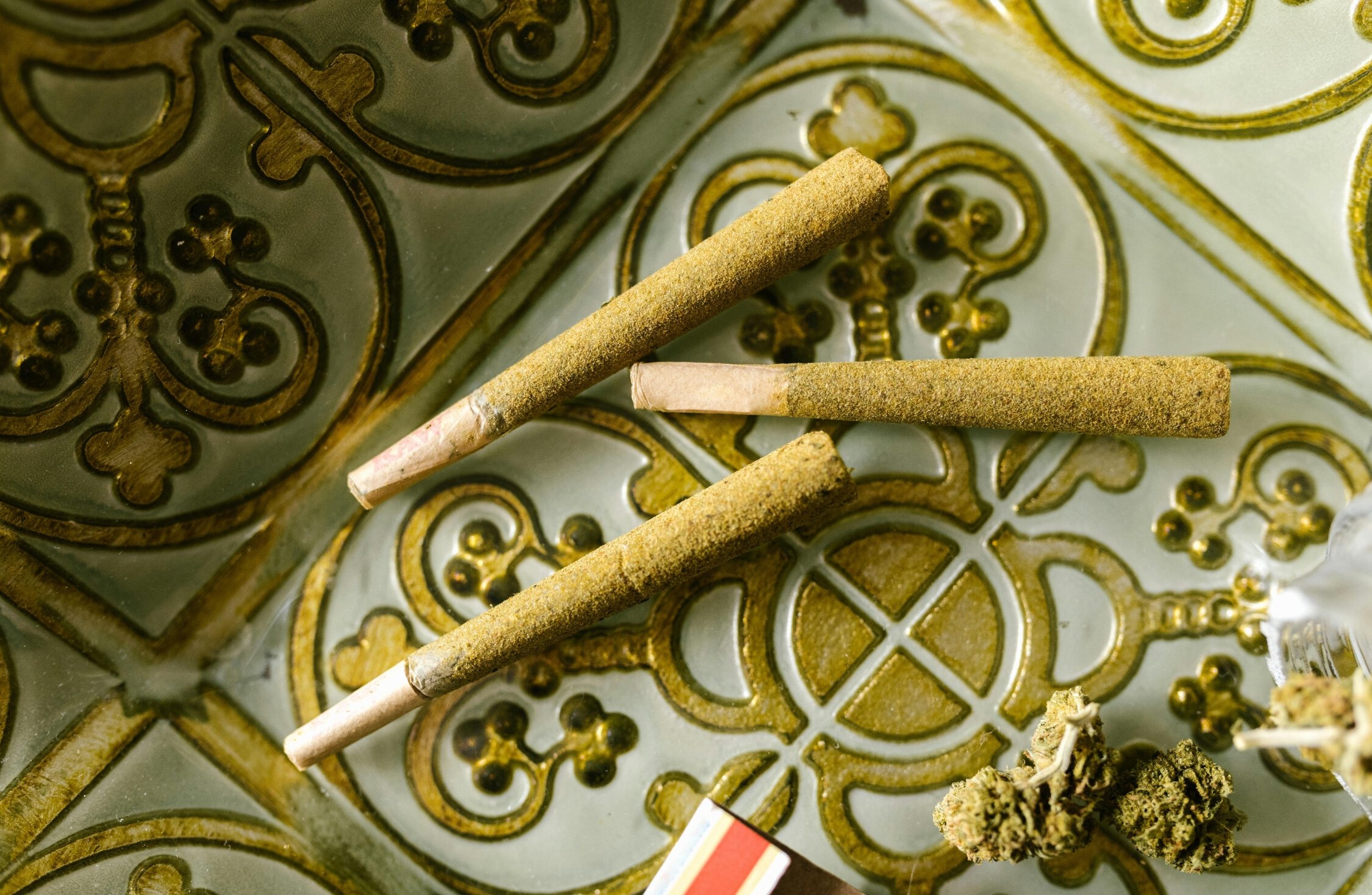
Marijuana joints and cannabis buds on decorative surface.

What Makes Marijuana Addictive?

Many people assume that because marijuana is legal in many states, it isnโ€™t addictive. However, research shows that regular use can lead to dependency, particularly with high-potency THC products.

THC (tetrahydrocannabinol) is the psychoactive compound in marijuana responsible for its mind-altering effects. Over time, frequent marijuana use can change brain chemistry, making it harder for users to function without it. The more a person uses, the more their brain adaptsโ€”leading to increased tolerance, dependence, and withdrawal symptoms when they try to stop.

Younger users, especially those under 25, are at an even greater risk. The brain is still developing during this time, and regular marijuana use can disrupt cognitive function, motivation, and emotional regulation.

Table of Contents

Increased Tolerance and Dependence

One of the first signs of marijuana addiction is needing more of it to feel the same effects. This happens when the brain becomes accustomed to THC, requiring higher doses to achieve the same high.

Over time, users may experience withdrawal symptoms when they try to cut back, including:

  • Irritability or mood swings
  • Difficulty sleeping (insomnia)
  • Loss of appetite
  • Anxiety or restlessness
  • Cravings for marijuana

If someone is using marijuana daily and struggling to stop despite these withdrawal symptoms, it could be a sign of addiction.

Loss of Motivation and Productivity

Marijuana is often associated with relaxation, but excessive use can sap motivation and productivity. Someone struggling with marijuana addiction may:

  • Struggle to complete work or school tasks
  • Procrastinate more than usual
  • Lose interest in hobbies or activities they once enjoyed
  • Seem unmotivated or indifferent about their responsibilities

This lack of motivation can interfere with personal and professional goals, making it harder to stay on track in daily life.

Check Out Our Facility in Atlanta, GA

Discover why our programs are top rated today. Talk with our admissions team about the right treatment plan to bring lasting recovery.

Using Marijuana to Cope with Stress or Emotions

Many people turn to marijuana for relaxation, but when it becomes the primary way to manage stress, anxiety, or other emotions, it can indicate a deeper issue.

Signs someone may be using marijuana as an emotional crutch include:

  • Smoking or consuming edibles anytime they feel stressed, sad, or overwhelmed.
  • Using marijuana to avoid dealing with real-life problems.
  • Becoming withdrawn or isolated from friends and family.

Over time, relying on marijuana to cope can worsen mental health issues rather than relieve them, making stress and anxiety even harder to manage without it.

Failed Attempts to Cut Back

A major red flag of marijuana addiction is struggling to stop, even when someone wants to. They may:

  • Promise to cut back but return to regular use within days.
  • Feel frustrated or guilty about their marijuana use.
  • Experience withdrawal symptoms when they attempt to quit.

If someone repeatedly tries and fails to control their marijuana consumption, itโ€™s a sign they may need outside help to break the cycle.

Changes in Mood and Behavior

Marijuana addiction doesnโ€™t just affect a personโ€™s physical healthโ€”it also impacts their mood and behavior. Some common warning signs include:

  • Frequent mood swings, from relaxation to irritability.
  • Increased paranoia or anxiety, especially in social situations.
  • Difficulty focusing or making decisions.
  • Becoming defensive or secretive about their marijuana use.

These changes may be subtle at first but often become more noticeable over time.

Request A Confidential Call

Help is Here When You're Ready

If you or someone you love is struggling with substance use or other mental health issues, Inner Voyage Recovery can help. Request a callback below to receive care and support you can trust.

"*" indicates required fields

Physical Signs of Marijuana Use

While marijuana addiction is largely psychological, there are also clear physical signs to watch for, including:

  • Bloodshot eyes
  • Dry mouth (โ€œcottonmouthโ€)
  • Increased appetite (โ€œthe munchiesโ€)
  • Impaired coordination and balance
  • Lethargy or excessive drowsiness

If someone regularly exhibits these physical signs, especially at unusual times (like before work or school), they may be struggling with addiction.

Prioritizing Marijuana Over Responsibilities and Relationships

Perhaps the most telling sign of marijuana addiction is when it starts interfering with daily responsibilities and relationships. This can look like:

  • Missing deadlines or skipping work/school to use marijuana.
  • Neglecting family, friends, or social obligations.
  • Spending excessive money on marijuana, even when finances are tight.

When marijuana becomes the center of someoneโ€™s life at the expense of their well-being and relationships, itโ€™s a strong indicator that addiction has taken hold.

Experience the Inner Voyage Difference

How can our Atlanta Detox program help you?

New Skills

Learn to manage stress with mindfulness, breathing, exercise, and more.

Stability

Get help building a routine that works for your life and recovery.

Caring Staff

Our alumni love us, and you will too. We have 67 five-star reviews (and growing).

Insurance Acceptedโ€จ

We accept major insurance carriers. And if youโ€™re inclined, we have self-pay and other options. Just ask our admissions staff!

Veteran Support

Youโ€™ll benefit from our staffโ€™s specialized trainings and support for veterans. We understand what youโ€™ve experienced, and can help you process it for good and leave it in the past.

When Marijuana Use Becomes a Problem

Not everyone who uses marijuana is addicted, but frequent use can turn into dependency without warning. The key difference is controlโ€”if someone struggles to go without marijuana or experiences negative consequences but continues using, addiction may be at play.

Itโ€™s also important to consider age. Younger users are especially vulnerable to marijuanaโ€™s effects on brain development, motivation, and mental health. If you notice any of the signs above in yourself or a loved one, it may be time to take action.

Your Path to Recovery Made Simple

How to Begin Your Recovery Journey

We know beginning treatment can feel intimidating, so weโ€™ve made the process simple and stress-free.

1

Get in touch
with us

Call or complete our contact form to connect with an admissions specialist who takes the time to listen and understand your situation.

2

Complete an assessment
& insurance review

Our team will review your history, discuss your needs, and confirm insurance coverage or explore self-pay options to make things easy.
3

Start your
treatment

Begin a personalized program built around your goals, supported by evidence-based care and a compassionate clinical team.

How to Get Help for Marijuana Addiction

Recognizing the problem is the crucial first step on the path to recovery. While some individuals are able to quit on their own, many benefit from professional supportโ€”particularly if they face withdrawal symptoms or find it difficult to overcome emotional dependence. Seeking help is not a sign of weakness, but a proactive step toward lasting healing and a healthier life.

Treatment options for marijuana addiction include:

  • Therapy: Cognitive-behavioral therapy (CBT) and other approaches help individuals identify triggers and develop coping strategies.
  • Support Groups: Peer support from others in recovery can provide accountability and encouragement.
  • Structured Rehab Programs: Partial hospitalization (PHP), intensive outpatient (IOP), and outpatient programs offer professional guidance for overcoming addiction.

If marijuana use is impacting your life, seeking help sooner rather than later can prevent long-term consequences.

The Best Atlanta PHP

How can our Atlanta PHP program help you?

Depth

The best way to achieve lasting recovery is deep healing. We guide you to what needs to be healed, and help you through it.

Support

Weโ€™re your partner and guide, every step of the way. With that level of support, recovery is more likely.

Strength

There is strength in your journey. Youโ€™ve gotten this far. Now letโ€™s take it all the way. We rely on your strengths as much as ours.

Accountability

Call it accountability, โ€œtough love,โ€ or whatever you like: We hold you to a higher standard. We see your potential and help you realize it.

Aftercare

No recovery is complete without aftercare planning and support. Our Alumni program helps you stick to sobriety for good.

Flexibility

Join our PHP and get support that fits your schedule. We specialize in helping busy adults get the support they need.

Find the Right Treatment at Inner Voyage Recovery

At Inner Voyage Recovery, we specialize in helping individuals break free from addiction and reclaim their lives. Our Woodstock drug treatment center offers a range of programs, including:

  • Partial Hospitalization Program (PHP)
  • Intensive Outpatient Program (IOP)
  • Outpatient Rehab
  • Young Adult Rehab

With personalized support, therapy, and a strong recovery community, you donโ€™t have to fight addiction alone.

Ready to Take the First Step?

If you or a loved one is struggling with marijuana addiction, seek help as soon as possible. Recovery is achievable when you have the right support system guiding you.

Call Inner Voyage Recovery today at (470) 523-4606 to start your journey toward a healthier, substance-free life.

If youโ€™re looking for more information, connect with our team by phone, email, or through our online form. Weโ€™re here to answer your questions, talk through your options, and support you as you begin your path toward lasting recovery.

Free & Easy Insurance Check

Alliant logo featuring a small black triangle followed by "Alliant" in bold black italic text.

Recovery Starts Here

"*" indicates required fields

This field is for validation purposes and should be left unchanged.
Preferred Method*
Get Treatment For All Your Healthcare Needs

Other Treatment Programs

Request A Confidential Call

Request a call and an Inner Voyage Recovery Center team member will be in touch.

"*" indicates required fields