

Can Vanilla Extract Get You Drunk?
Key Takeaways
- Pure vanilla extract contains at least thirty-five percent alcohol which is similar to the strength of vodka or bourbon.
- Drinking baking extract can lead to alcohol poisoning and serious health risks because it is highly concentrated.
- Using household products to cope with cravings is a sign of dependency that requires professional and compassionate care.
Can you get drunk on vanilla extract? The question sounds far-fetched until you read the label, because the vanilla extract sitting in your baking cabinet holds nearly as much alcohol as a bottle of bourbon. The short answer is yes, since pure extract is at least 35% alcohol by volume, roughly the strength of vodka. How much it would take, and what that amount does to your body, matters a great deal if you or someone you love has started reaching for household products to cope. Knowing the real risks, and the support available when curiosity turns into dependency, can make the difference between a close call and a crisis.
What Is the Alcohol Content in Vanilla Extract?
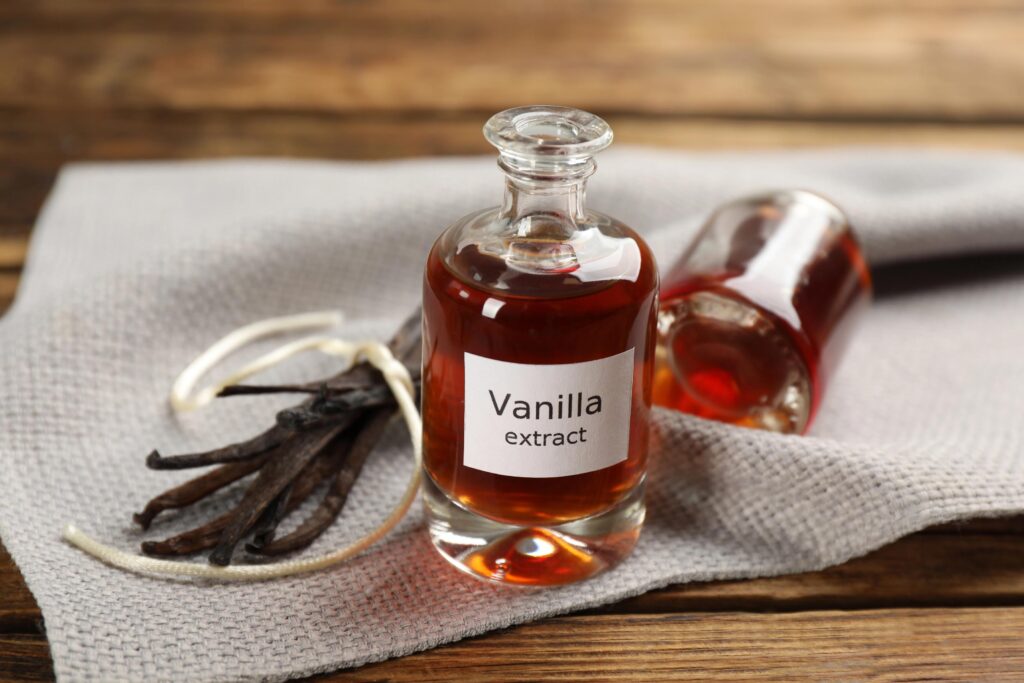
When people ask whether you can get drunk on vanilla extract, the answer sits right on the ingredient label. According to the U.S. Food and Drug Administration, pure vanilla extract must meet strict manufacturing standards before it reaches grocery store shelves. The federal regulation requires that the alcohol content in these baking products be at least 35% alcohol by volume (ABV), which translates to 70 proof.
Because of this rule, the liquid inside that tiny brown bottle is nearly as potent as a standard bottle of vodka or bourbon. To put it in practical terms, drinking a single one-ounce bottle of pure vanilla extract is roughly equivalent to taking a full shot of hard liquor. For someone struggling with a dependence on household items, that high ABV is a serious concern. If this behavior sounds familiar, reaching out for alcohol addiction treatment in Atlanta can help you understand the deeper causes behind the drinking.
Why the Alcohol Content Is So High
That high proof is not an accident. Alcohol works as a solvent, pulling aromatic compounds like vanillin out of cured vanilla beans and holding them in a stable solution, which is why manufacturers rely on it instead of water. The beans steep in that alcohol for weeks or months, and the finished extract keeps the concentration all the way to the shelf. When you stir a teaspoon into cookie dough, most of the alcohol bakes off in the oven, but the liquid still in the bottle is every bit as strong as the spirits behind a bar.
This is also why the strength varies from product to product. Higher-end extracts and homemade versions made by steeping beans in vodka or rum can run well above the 35% minimum, and the double-fold or triple-fold extracts used by professional bakers are more concentrated still. Reading the proof or ABV on the label, when it is listed, is the only reliable way to know how strong a particular bottle really is.
| Product Type | Average Alcohol By Volume (ABV) | Equivalent Standard Proof |
|---|---|---|
| Pure Vanilla Extract | 35% minimum | 70 proof |
| Imitation Vanilla Flavoring | 2% to 3% | 4 to 6 proof |
| Standard Vodka | 40% | 80 proof |
| Standard Beer | 5% | 10 proof |
While genuine extracts carry a remarkably high alcohol concentration, artificial vanilla is entirely different. Imitation vanilla flavoring is typically made from synthetic vanillin, water, and coloring, and it usually contains only 2 to 3% alcohol, so it does not carry the same intoxicating risk. Vanilla bean paste and vanilla powder generally hold negligible alcohol as well. If you are checking your pantry, reading the label to tell pure extract apart from these artificial varieties tells you immediately how much alcohol you are dealing with. That single label check is often the first honest look at how much drinking is really going on.
Can You Actually Get Drunk on Vanilla Extract?
If you are wondering whether vanilla extract can get you drunk, the answer is a definitive yes. Because of its high ethyl alcohol concentration, drinking pure extract will intoxicate you. Someone who drank four one-ounce bottles would be taking in the rough equivalent of four shots of hard liquor, which is more than enough to cause noticeable intoxication in most adults. Even so, actually drinking baking extract is difficult for several physical and financial reasons.
First, pure vanilla is highly concentrated and made for cooking, not sipping, so it is essentially non-potable as a beverage. The harsh taste causes an immediate, intense burning sensation in the mouth and throat, and the strong flavor compounds frequently trigger nausea and vomiting long before a person absorbs enough alcohol to feel drunk. On top of the physical barriers, pure extract is expensive compared with ordinary alcoholic drinks.
Yet some people still push past the pain and sickness. When a person relies on household products to cope, it usually signals a serious struggle with dependency rather than a casual choice. If harsh taste and stomach upset are not enough to deter consumption, it may be time to consider an inpatient alcohol rehab Atlanta program where structured, compassionate support is available.
How Much Vanilla Extract It Takes to Overdose
The risk climbs fast for anyone with a lower tolerance, including teenagers who may treat the extract as a discreet way to drink. A vanilla extract overdose is not about the flavoring itself being poisonous, but about swallowing enough concentrated ethanol to overwhelm the body faster than the liver can clear it. Because the alcohol is so concentrated, the amount that tips someone from tipsy into real danger is smaller than it looks.
There is no safe way to chase a buzz from baking extract. Long before the alcohol produces the effects someone might be seeking, the concentrated flavor oils tend to force vomiting, which can cause dehydration and, if the person is drowsy or lying down, a serious choking risk. What looks like a harmless kitchen shortcut can turn into a medical emergency in a hurry. Drinking it on an empty stomach or mixing it with other substances only speeds that up, and the safest response to a craving this strong is to treat it as the warning sign it is and reach for support.
Moving Beyond the Symptoms: Finding Holistic Support at Inner Voyage
We want to acknowledge with deep empathy that drinking household products like baking extract is rarely about seeking a casual thrill. It is most often a sign of profound emotional pain or severe alcohol dependency. When the compulsion to drink pushes you to bypass the terrible taste and physical sickness of household liquids, it is not a moral failing. It is a sign that the brain and nervous system are locked in a cycle of survival, desperately seeking relief from unresolved trauma or intense mental distress.
This is where genuine healing begins. Inner Voyage Recovery Center, located in the peaceful suburban setting of Woodstock, Georgia, provides a safe space away from the triggers of the city. We believe that true addiction treatment is not about white-knuckling your way through cravings or enduring cookie-cutter programs. Instead, our therapeutic philosophy focuses on treating the underlying trauma and doing the deeper inward work, looking beyond the behavioral symptoms of alcohol abuse to heal the root causes of the pain.
By using a trauma-informed approach, our compassionate team helps you rebuild an authentic, healthy self. If you are struggling with co-occurring mental health challenges alongside your dependency, our dual diagnosis treatment in Georgia options are designed to address your holistic well-being.
Care at Inner Voyage is built around flexible outpatient levels that meet you where you are. A structured partial hospitalization program provides intensive daytime support while you return home at night, while an intensive outpatient program lets you keep working or caring for family while you stabilize.
You do not have to carry this heavy burden alone. We encourage you or your loved one to reach out for professional drug rehab and start a recovery journey that honors your unique story and paves the way for lasting peace.
Your Next Step Toward Lasting Recovery
Cost is often the first worry that keeps people from reaching out, so it helps to know that most major insurance plans cover addiction care. A quick, confidential benefits check lets you verify your insurance and see what your plan covers before you commit to anything, which removes one of the biggest barriers to getting help.
Asking whether you can get drunk on vanilla extract is one thing, but drinking concentrated baking extract out of need signals a much deeper struggle that deserves compassionate attention. The physical risk of acute alcohol poisoning is severe, and the emotional toll of silent dependency is just as heavy. If you find yourself turning to pantry staples to manage cravings or numb emotional pain, please know you are understood and you do not have to fight this alone.
Recovery means uncovering the root of that pain and healing it in a safe, supportive environment. Reach out to the caring team at Inner Voyage today by calling (470) 460-8437 to explore a holistic path to lasting wellness. Contact us today.
Frequently asked questions
Can you get drunk on vanilla extract?
Yes, you can get drunk on vanilla extract because pure vanilla extract contains a high percentage of ethyl alcohol. In the United States, the FDA requires pure vanilla extract to contain at least 35% alcohol by volume, which is similar to many distilled spirits. However, drinking vanilla extract is not a safe alternative to alcoholic beverages. Consuming large quantities can rapidly lead to ethanol intoxication, alcohol poisoning, stomach disturbances, and other serious health risks. Vanilla extract is intended for cooking in minimal quantities, not for alcohol consumption.
How much vanilla extract would it take to get drunk?
The amount of vanilla extract needed to cause intoxication varies depending on factors such as body weight, age, sex, metabolism, and alcohol tolerance. Because most pure vanilla extracts contain about 35% alcohol by volume, excessive amounts can produce effects similar to hard liquor. Even though the alcohol content in vanilla extract is high, drinking enough vanilla extract to become intoxicated can expose you to additional ingredients and increase the risk of nausea, vomiting, central nervous system depression, and alcohol poisoning. There is no safe amount of vanilla extract to consume for recreational purposes.
What are the dangers of drinking vanilla extract?
Drinking vanilla extract can cause serious health risks beyond intoxication. Excessive consumption may lead to alcohol poisoning, breathing difficulties, severe drowsiness, vomiting, dehydration, impaired judgment, and central nervous system depression. In severe cases, emergency medical attention may be needed, especially if someone becomes difficult to wake, has slowed breathing, or loses consciousness. Long-term misuse of vanilla extract may also contribute to alcohol dependency, liver damage, and alcohol use disorder, just like other forms of alcohol misuse.
Why do some people misuse vanilla extract?
Some people misuse vanilla extract because it is easy to buy, inexpensive, and contains a high alcohol percentage. Individuals struggling with alcohol abuse or alcohol addiction may turn to flavoring extracts when alcoholic beverages are unavailable or difficult to obtain. This behavior can be a sign of substance misuse or alcohol dependency and often indicates the need for professional intervention. If someone is regularly consuming vanilla extract for its alcohol content, it is important to seek help from addiction specialists or a healthcare provider.
What should I do if someone is drinking vanilla extract to get drunk?
If someone is intentionally drinking vanilla extract to become intoxicated, encourage them to seek help as soon as possible. If they develop severe symptoms such as confusion, difficulty breathing, repeated vomiting, seizures, or loss of consciousness, call emergency services immediately, as these may be signs of alcohol poisoning. For ongoing alcohol use disorder or substance abuse, professional treatment programs can provide medical support, counseling, behavioral therapies, support groups, and relapse prevention planning. Early treatment greatly improves the chances of successful recovery, long-term recovery, and a healthier, more fulfilling life.
Sources
- Centers for Disease Control and Prevention. (January 14, 2025). Alcohol Use and Your Health. Centers for Disease Control and Prevention.
- Substance Abuse and Mental Health Services Administration. (June 9, 2023). National Helpline for Mental Health, Drug, Alcohol Issues. Substance Abuse and Mental Health Services Administration.
- National Center for Biotechnology Information. (n.d.). Trauma-Informed Care: A Sociocultural Perspective. National Center for Biotechnology Information.
- National Center for Biotechnology Information. (June 21, 2023). Ethanol Toxicity. National Center for Biotechnology Information.
- Alcohol and Tobacco Tax and Trade Bureau. (April 1, 2024). Vanilla Extracts and Vanilla Flavors. Alcohol and Tobacco Tax and Trade Bureau.
- U.S. Food and Drug Administration. (March 1, 2017). 21 CFR 169.175 — Vanilla extract. Electronic Code of Federal Regulations.
Help is Here When You’re Ready
"*" indicates required fields