

What Is Boofing Alcohol or Drugs?
Key Takeaways
- Boofing is the act of taking drugs or alcohol rectally to feel the effects faster. This method is very dangerous because it bypasses the body's natural filters and leads to a much higher risk of a fatal overdose.
- Using substances this way can cause serious physical harm like infections and lasting tissue damage. Common signs include spending long periods in the bathroom, finding unusual medical supplies, or noticing sudden and intense mood swings.
- When someone switches to this extreme method, it often means their addiction has become more severe. Professional treatment programs offer the medical care and emotional support needed to help a person recover from these dangerous habits.
What does boof mean? Boof is street slang for taking drugs or alcohol rectally, a method that moves a substance into the bloodstream fast enough to turn a familiar dose into a fatal one. If you have heard the word and wondered what boof means, the answer depends on who is saying it, since kayakers and dog owners use it for something completely harmless. In drug and prison culture, though, it points to one of the riskiest ways a person can take a substance. It also tends to surface after tolerance has climbed and swallowing pills has stopped producing the same effect, which makes it a warning sign rather than a passing habit.
How Boofing Works and Why It Is So Dangerous
Boofing works by bypassing the digestive system and absorbing substances directly through the rectal mucous membranes. The rectum holds a dense network of highly sensitive tissue. Those tissues pull substances into the bloodstream quickly, without the protective barriers the stomach and liver normally provide.
Speed is the core of the problem. Oral use spreads absorption over 30 to 90 minutes, giving the body time to signal distress through nausea or drowsiness before a dose becomes dangerous. Rectal absorption compresses that window to minutes, so the warning signs and the overdose arrive together. There is also no way to undo the process once a substance is in the body, unlike swallowing, where vomiting can still remove part of a dose.
When a person swallows a drug, the stomach and liver filter it first, a process called first-pass metabolism. Rectal administration partially bypasses that filtering, so the liver never gets its chance to break the substance down. The result is a strong, immediate effect much closer to intravenous injection, which raises overdose risk sharply. A dose that feels manageable by mouth can be fatal when absorbed this way.
Clinical literature on medication routes of administration documents how dramatically absorption speed changes potency. Structured treatment is what interrupts that pattern, and a partial hospitalization program in Atlanta offers daily clinical care during the stretch when cravings and medical risk run highest.
What Substances Are Commonly Boofed
Individuals misuse a wide range of substances this way, including alcohol and hard drugs. Common illicit drugs include cocaine, heroin, methamphetamine, and MDMA. Alcohol taken rectally goes by the slang term butt chugging. That route bypasses the stomach entirely, which removes the body’s ability to vomit excess alcohol. Those factors together make dangerous intoxication and alcohol poisoning far more likely, and an alcohol addiction treatment in Atlanta program can help someone stop safely.
Health Risks and Long-Term Consequences
The physical damage reaches well past overdose risk and includes lasting tissue destruction. Rectal tissue is fragile and tears easily, and those tears open the door to several serious complications:
- Bacterial infections. Non-sterile equipment introduces bacteria directly into torn tissue, where infection spreads quickly.
- Blood-borne diseases. Shared equipment transmits hepatitis C and HIV as efficiently as shared needles do.
- Permanent bowel damage. Repeated use causes chronic rectal inflammation, ongoing bleeding, and lasting harm to digestive function.
That degree of physical harm shows how far addiction can override a person’s ordinary survival instincts.
Signs Someone May Be Boofing
Because this method leaves less visible evidence than smoking or injecting, families often miss it for months. What shows up first is usually a change in pattern, not a single obvious clue. Someone may spend unusual stretches of time alone in a bathroom, or turn sharply defensive about privacy in a way that feels out of character.
Physical and behavioral signals worth paying attention to include:
- Unexplained supplies. Needleless syringes, small bottles, or lubricant turning up where they have no ordinary use.
- Rapid mood swings. Effects that arrive suddenly and intensely, followed by a hard crash within a short window.
- Physical complaints. Recurring rectal pain, bleeding, constipation, or infections the person avoids explaining.
- Escalating tolerance. Remarks that pills or drinks no longer work, alongside visible frustration at needing more.
- Withdrawal from routine. Missed work, dropped hobbies, and shrinking contact with the people most likely to notice.
No single item on that list confirms anything by itself. Taken together, and especially alongside a known history of substance use, they justify a direct conversation and a call to a treatment professional.
When Rapid Absorption Becomes a Medical Emergency
Because the effect arrives so quickly, an overdose can unfold before anyone recognizes what is happening. Call 911 immediately if a person shows slowed or stopped breathing, blue or grey lips and fingertips, cold and clammy skin, or cannot be woken. Stay with them until help arrives and tell responders exactly what was taken, because that information shapes treatment. Georgia’s medical amnesty law provides legal protection for people who call for help during an overdose, so fear of arrest should never delay that call.
Naloxone reverses opioid overdoses regardless of how the drug entered the body, and Georgia pharmacies dispense it without an individual prescription. It does nothing for alcohol, cocaine, or methamphetamine, so it never replaces calling 911. Any household where opioid use is a possibility should keep it on hand and make sure more than one person knows where it is.
The Connection Between Boofing and Drug Addiction
Moving to extreme methods of drug ingestion is a clear clinical indicator of a severe substance use disorder. When someone starts changing how they take a drug in order to outrun their own tolerance, the dependency has already deepened. The shift signals a brain that needs a faster, more intense dopamine response just to feel functional.
Why Tolerance Pushes People Toward Riskier Routes
Tolerance is the body adapting to repeated substance use until the original dose no longer produces the original effect. Most people respond by taking more, but there is a ceiling on how much a stomach will absorb before nausea and vomiting cut the process short. Changing the route of administration is the next move, because it delivers more of the drug into circulation from the same amount. That arithmetic is what makes rectal use feel efficient to someone in active addiction, and it is exactly what makes it lethal.
The dangerous part is that tolerance to the euphoric effect climbs faster than tolerance to respiratory depression. A person can feel like they need a larger dose while their breathing is already close to the edge. That gap is how fatal overdoses happen to experienced users rather than first-time ones.
Starting the Conversation Without Losing the Person
Confrontation rarely works with someone whose use has reached this point, because shame is usually already doing more damage than any lecture could add. Pick a moment when the person is sober, name what you have observed without diagnosing it, and say plainly that you are worried. Concrete observations land better than labels, so describe the missed work or the bleeding rather than calling someone an addict.
Have a next step ready before the conversation starts. Knowing which programs take your insurance, what an admissions call involves, and how soon someone could be seen turns a hard conversation into an actual decision. If the answer is no, keep the door open and say so out loud, because most people need several conversations before they accept help.
| Ingestion Method | Absorption Speed | Overdose Risk Profile |
|---|---|---|
| Oral Ingestion | Slow and gradual | Lower risk due to liver filtration |
| Intravenous Injection | Immediate | Extremely high risk of fatal overdose |
| Rectal Administration | Very rapid | High risk due to bypassing the digestive system |
A person does not switch to extreme methods on a whim. The change points to severe substance misuse and a loss of control that willpower alone will not reverse. If someone you love is taking these physical risks, professional help is the realistic next step, and a drug rehab in Atlanta can provide the structure and clinical oversight that make change possible.
Medical vs. Recreational Use
Legitimate medical use of rectal administration involves safe, doctor-prescribed doses, while recreational use depends on unpredictable street drugs. The differences between the two are worth spelling out:
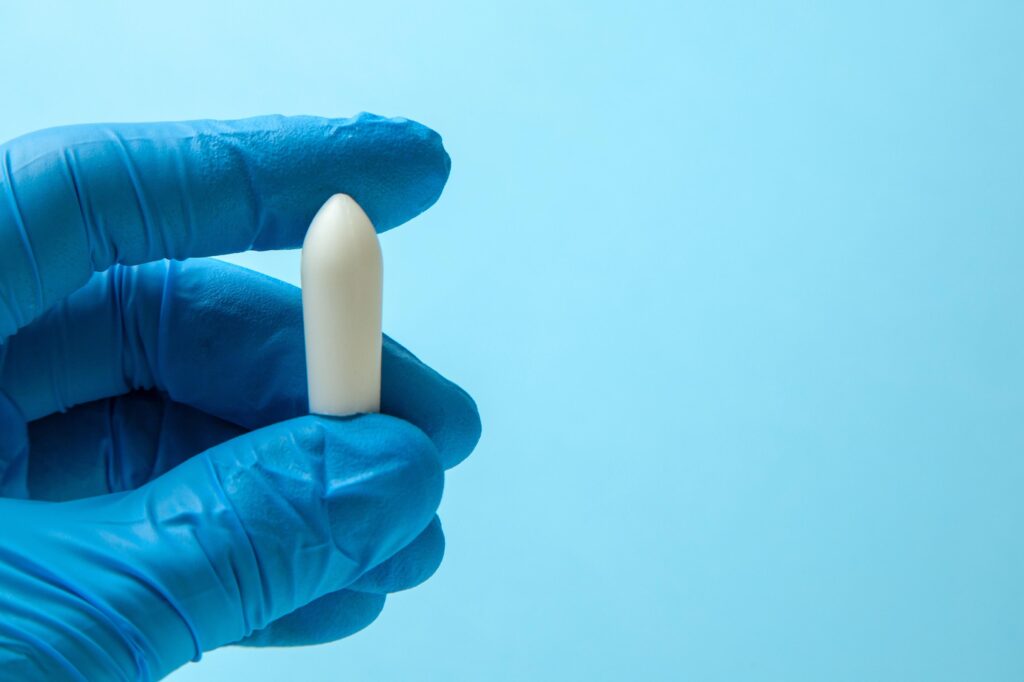
- Medical application. Clinicians routinely prescribe anti-nausea and anti-seizure suppositories in controlled settings.
- Measured dosing. A medical professional calculates the exact dose so absorption stays within a safe range.
- Recreational risk. Recreational boofing has no dosing control and often involves adulterants that damage internal tissue.
Levels of Care That Fit Real Life
Treatment is not all or nothing, and the right starting point depends on how much structure a person needs to stay safe. Daily clinical programming suits someone whose use has escalated quickly, while people holding down a job or a class schedule often do better in an evening intensive outpatient program. As stability grows, outpatient rehab in Atlanta keeps therapy and accountability in place on a lighter weekly commitment.
Recovery rarely ends when a program does, which is why an alumni program for addiction matters as much as the first month of treatment. Ongoing groups, check-ins, and peer connection give people somewhere to go on the days when old patterns start pulling again.
Making the Move Toward Recovery
Reaching out for help is a courageous step, not an admission of failure. Addiction is rarely a moral failing or a simple lack of willpower, and far more often a response to unresolved emotional pain.
At Inner Voyage Recovery, we offer a quiet setting away from the triggers of the city, with trauma-informed care that treats the whole person rather than the symptoms alone. Approaches drawn from trauma-informed practice help people reach the root causes underneath the substance use. When a mental health condition sits alongside the addiction, dual diagnosis treatment centers in Georgia address both at once, which is what makes the progress hold.
Getting Ahead of a Dangerous Pattern
Knowing the slang is a practical way to catch trouble early, because families usually hear the word before they see the damage. A shift to extreme consumption methods is a medical crisis, not a phase, and it responds to treatment far better than it responds to ultimatums.
We know how frightening it is to watch someone you care about lose ground to substance use. Our team at Inner Voyage listens without judgment and builds a plan around what your family is facing. If you need an opioid rehab in Atlanta program that treats the person and not just the addiction, we can walk you through the options. Call our admissions team at (470) 460-8437 to talk through treatment and payment, or verify your insurance online in a couple of minutes.
Frequently asked questions
What does boof mean in relation to drug use?
“Boof” is a slang term that commonly refers to rectal drug use, meaning drugs or other substances are administered through the rectum. The word can have other slang meanings, including references to anal sex, so its meaning depends on context. In substance use discussions, terms such as “booty bump” and “butt chugging” may also refer to rectal administration of drugs or alcohol.
Why do people boof drugs?
Some people boof drugs because rectal tissue contains many blood vessels, allowing certain substances to enter the bloodstream rapidly. Compared with oral ingestion, this unusual route of administration may produce a faster onset, more rapid intoxication, or more intense effects. However, rapid absorption can make the effects less predictable and may increase the risk of overdose and other medical complications.
What are the health risks of rectal drug use?
Rectal drug use can irritate or damage delicate rectal tissue and potentially cause bleeding, inflammation, or other infections. Damaged tissue and shared boofing equipment may also increase exposure to blood-borne or sexually transmitted infections, including HIV and hepatitis C. The risks can vary depending on the drug, dose, method of administration, and other substances being used.
Can boofing drugs or alcohol cause an overdose?
Yes. Boofing illicit drugs, including stimulants such as methamphetamine or crystal meth, can lead to dangerous intoxication or overdose. Boofing alcohol through alcohol enemas is particularly dangerous because alcohol can be absorbed rapidly through the rectum, potentially causing severe alcohol poisoning. Rectal administration also bypasses some of the body’s usual processes associated with drinking or swallowing a substance, making the resulting dose and effects difficult to predict.
Can someone get treatment for substance use involving boofing?
Yes. Someone who regularly uses rectal administration or other high-risk methods of taking drugs can seek treatment for a substance use disorder. Treatment options may include medical care, behavioral therapy, addiction counseling, medications when appropriate, and support for co-occurring health concerns. A healthcare professional can also evaluate complications related to rectal drug use, overdose, infections, or other harms associated with substance use.
Sources
- National Institutes of Health. (n.d.). Subcultural evolution and illicit drug use. PMC.
- Centers for Disease Control and Prevention. (December 18, 2024). Notes from the Field: Geo-Temporal Trends in Fentanyl…. MMWR.
- Centers for Disease Control and Prevention. (February 14, 2024). Routes of Drug Use Among Drug Overdose Deaths. MMWR.
- Substance Abuse and Mental Health Services Administration. (February 8, 2026). Trauma-Informed Approaches and Programs. SAMHSA.
- National Center for Biotechnology Information. (August 23, 2023). Medication Routes of Administration. StatPearls.
Help is Here When You’re Ready
"*" indicates required fields