

How Much is an 8 Ball of Coke?
Key Takeaways
- An 8 ball of cocaine weighs about 3.5 grams and typically costs between 150 and 300 dollars on the street.
- Buying larger amounts often shows that a person has built a tolerance and may be facing a serious addiction.
- The true cost of drug use includes dangerous health risks and legal problems that can affect your entire future.
How much is an 8 ball of cocaine? An 8 ball of cocaine is one-eighth of an ounce, or about 3.5 grams, and on the street it usually sells for somewhere between $150 and $300. If you are searching for that number, though, the price tag is rarely the real question. Buying at this quantity often signals that use has climbed from casual to regular, and the true cost tends to show up in your health, your relationships, and your sense of who you are. Knowing what an 8 ball of cocaine is, what it costs, and why the risks matter as much as the dollars can help you or someone you love make a safer decision.
What Is an 8 Ball of Cocaine?
When you start exploring how much an 8 ball of cocaine is, it helps to first understand the exact measurement. In the context of street drugs, an 8 ball refers to one-eighth of an ounce. This translates precisely to about 3.5 grams of powder. The term 8 ball is simply shorthand used by drug dealers and buyers to describe this specific weight.
This amount is considered a mid-level quantity. It is significantly larger than a standard single gram. For someone just beginning to experiment, 3.5 grams is a substantial amount. However, the nature of stimulant use means that tolerance builds rapidly. As the brain adapts to the chemical surges, a person needs more of the substance to achieve the same feeling. Over time, an individual might graduate from buying a single gram to purchasing an 8 ball just to maintain their baseline.
An ounce of cocaine equals about 28 grams. A kilo, or kilogram, is 1,000 grams. Understanding these terms can bring clarity to the conversation around substance use and street-level distribution. It is easy to view these measurements as simple math. Yet, for someone struggling with a substance use disorder, increasing from a gram to an 8 ball often signals a deepening physical and emotional reliance on the drug.
If you or a loved one are buying larger quantities, it might be time to seek help. Comprehensive cocaine addiction treatment in Atlanta can help you break this cycle safely and effectively.
| Measurement Term | Weight Equivalent | Common Context |
|---|---|---|
| Gram | 1.0 grams | Often purchased for casual, recreational, or first-time use. |
| 8 Ball | 3.5 grams | A common mid-level street purchase that signals heavier use. |
| Ounce of Cocaine | 28.35 grams | Typically sold at a wholesale level for redistribution. |
| Kilo | 1,000 grams | A large-scale trafficking and high-level distribution amount. |
Many individuals begin their substance use by buying just a single gram for a weekend event. Over time, the human brain adapts to the presence of the stimulant. This adaptation creates a physical tolerance to the drug. Tolerance means you need a larger amount of the substance just to feel the exact same effects you used to get from a small dose.
Because of this growing tolerance, a person might gradually transition to purchasing an 8 ball cocaine supply instead. Buying a larger supply often points directly to a growing dependence. If you or someone you deeply care about is purchasing these larger amounts to sustain a habit, professional support can make a tremendous difference.
Understanding the Cost: How Much Does an 8 Ball of Cocaine Cost?
If you are wondering about the 8 ball of coke price, the street price typically ranges from $150 to over $300 in the United States. This price can change rapidly based on your geographic location and the current market conditions in your specific area. People search for this in many ways, asking how much is an 8 ball of coke, how much is an eight ball of cocaine, or even how much is a bag of cocaine, and the honest answer is that no single number holds everywhere. These figures are only general estimates. The actual cost of an eight-ball cocaine purchase often fluctuates wildly depending on the source. Several distinct elements cause these street prices to shift from one city to another.
Factors That Impact the Price of Cocaine
Regional supply and demand dynamics heavily influence how much you will pay. Proximity to international trafficking routes or large coastal port cities often lowers the street cost. The physical purity of the product also plays a massive role in pricing. As purity decreases, local dealers often use cheap, widely available cutting agents to bulk up the product and maximize their profits. This deceitful practice affects both the final price and the severe danger level for the end user. You never truly know what you are paying for when you buy illicit drugs. Seeking out effective stimulant addiction treatment is a crucial step when unpredictable, highly adulterated street supplies drastically increase your daily risk of harm.
What Does an 8 Ball of Cocaine Look Like?
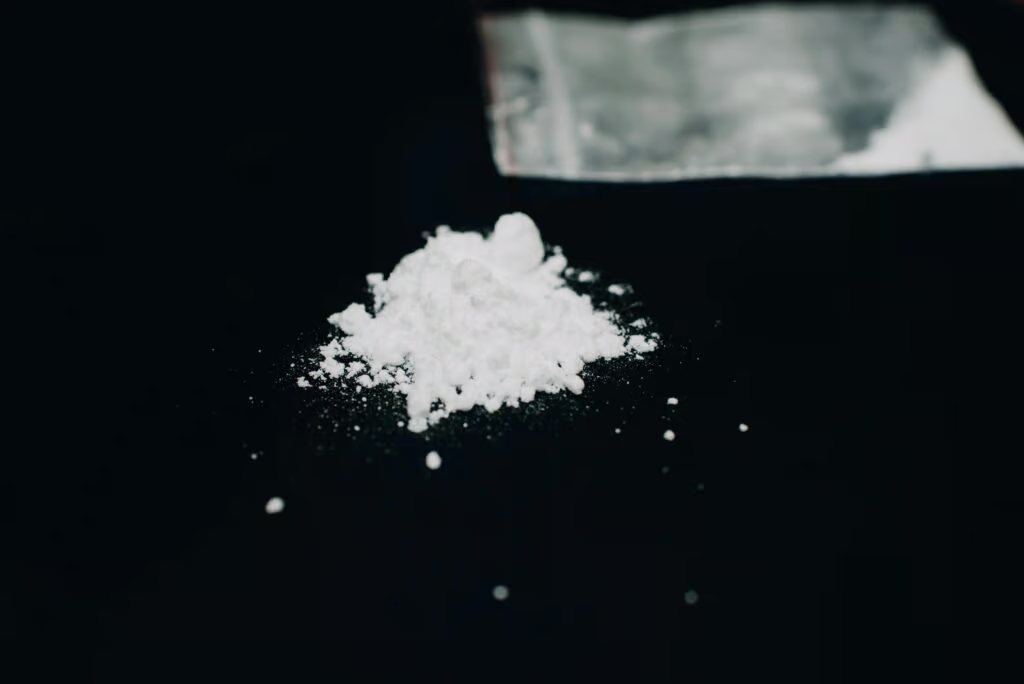
People often ask, what does an 8 ball of cocaine look like when they encounter it? In its most common raw form, it appears as a very fine, white powder. Depending on its chemical purity and the local moisture levels, it might look slightly off-white or even stick together in small clumps. Some individuals compare the physical texture to common household products like talcum powder, flour, or baking soda. This powdery form is very different from crack cocaine, which is boiled down and processed into hard, brittle rocks that are typically smoked rather than snorted.
The visual appearance alone cannot tell you what is actually hidden inside the bag. The most severe danger of modern street drugs lies in the completely invisible cutting agents. Fentanyl contamination in illicit stimulant supplies has risen over 400 percent over the past decade. This synthetic opioid is incredibly potent and highly deadly.
How can someone tell if cocaine has been cut with a lethal substance? Visually, it is nearly impossible to tell. A person cannot see, smell, or taste fentanyl mixed into a white powder. The only reliable way to identify these lethal cutting agents before use is by utilizing specialized chemical testing strips. You can review authoritative data regarding these dangerous adulterants through resources like the CDC guidelines on fentanyl.
The Real Cost: Health Effects and Risks of an 8 Ball
The true price of an 8 ball goes far beyond the cash handed over in a transaction. The profound physical and psychological toll of using an 8 ball affects your central nervous system almost instantly. A casual substance abuse issue can spiral out of control rapidly because the drug chemically hijacks the brain’s delicate reward center. This unnatural flood of dopamine creates a powerful cycle of dependence that is incredibly hard to break using willpower alone.
Short-Term Effects and Overdose Risks
The immediate short-term effects place massive stress on the body. These include a dangerously increased heart rate, highly elevated blood pressure, and intense waves of anxiety. Can you overdose on cocaine the very first time you use it? Yes, you absolutely can. This is especially true if you have an undiagnosed existing heart condition or if the supply you purchased contains hidden fentanyl.
The terrifying symptoms of an overdose often feature severe chest pain, extreme paranoia, and sudden seizures. These acute events can trigger fatal heart attacks or catastrophic strokes with little to no warning.
Long-Term Health Consequences
The chronic effects of prolonged use are devastating to the human body. Severe dopamine depletion makes it nearly impossible for a person to feel natural joy without using the drug. Physical deterioration includes severe lung damage if the substance is smoked, and highly painful nasal perforation if it is snorted regularly.
Over time, cocaine use disorder leads to severe cognitive decline, memory issues, and lasting brain changes. These outward physical symptoms of cocaine use often mirror the deep emotional isolation that traps a person facing long-term health consequences. Reaching out to a dual diagnosis treatment program can help you address both the physical dependence and the deep underlying emotional pain.
Legal Penalties for Possession of an 8 Ball of Cocaine
Under strict federal law in the United States, the Drug Enforcement Administration heavily regulates illicit substances. They officially classify cocaine as a Schedule II drug. This specific federal classification means the substance has a high potential for severe abuse and can quickly lead to intense psychological and physical dependence. The government only recognizes a very narrow, highly restricted medical use for it as a local anesthetic in specific surgical settings. You can read more about these classifications via the federal drug scheduling details provided by the DEA.
In almost all state jurisdictions, simply possessing an 8 ball (3.5 grams) is legally classified as a felony offense. Local law enforcement takes these mid-level amounts very seriously because they often suspect an intent to distribute. A felony conviction can lead to severe financial fines, lengthy periods of strict probation, or significant prison time. The legal consequences certainly do not stop at the courtroom doors once a sentence is served.
A permanent felony conviction can drastically impact your ability to secure meaningful employment, obtain student loans, or find safe housing. This heavy, lifelong burden remains on your personal records forever. Dealing with these crushing legal obstacles often compounds the existing trauma of addiction, making true recovery feel entirely out of reach.
Recognizing the Signs: Has Cocaine Use Become a Problem?
It is incredibly hard to look in the mirror and admit that a weekend habit has steadily escalated into a full-blown substance use disorder. Looking honestly at your own patterns, or a loved one’s use, with genuine compassion and clarity is where real change begins.
One of the clearest clinical indicators of severe dependence is tolerance. If you find yourself actively needing an 8 ball instead of a single gram just to feel the same high, your body has physically adapted to the drug’s presence. Another major red flag is the painful withdrawal process. Experiencing deep depression, profound exhaustion, or intense, unmanageable cravings when you attempt to stop using points directly to a serious addiction.
Realizing you have a substance problem is never a moral failure or a sign of personal weakness. It takes immense inner courage to admit that you are struggling with a chemical dependence. Acknowledging your current situation without deep shame is the crucial first step toward seeking an authentic, healing inner journey.
Treatment Options for Cocaine Addiction: Starting Your Inner Voyage
Overcoming a severe cocaine use disorder is entirely possible when you surround yourself with the right professional support systems. You do not have to carry this heavy emotional weight completely alone.
At Inner Voyage Recovery Center in Woodstock, Georgia, we emphasize a holistic, trauma-informed philosophy of care. Are there effective addiction treatments for cocaine? Yes, absolutely. True recovery requires a compassionate, highly personalized blend of medical and psychological care. Our programs do not promise overnight results or push you through a cookie-cutter process. Instead, we emphasize the profound value of doing the deeper psychological work to heal your whole self.
Detox, Stabilization, and Medical Support
For many people, the very first phase of recovery is a period of detox and medical stabilization, completed at a medical or detox facility equipped to manage acute withdrawal. Because Inner Voyage is an outpatient provider, we do not offer medical detox on site, but we help you understand when that step is needed and welcome you into ongoing care once you are stable.
While there are currently no FDA-approved medications made specifically for cocaine addiction, coordinated medical and psychiatric support remains important for managing intense mood symptoms, extreme anxiety, and deep fatigue as your body recovers.
Behavioral Therapies and Holistic Support
Our approach moves far beyond simply white-knuckling your sobriety for a few weeks. Depending on what you need, care can range from a partial hospitalization program to an inpatient alcohol rehab Atlanta, evening intensive outpatient program, or outpatient rehab Atlanta, with integrated dual diagnosis support for co-occurring mental health conditions and ongoing aftercare to protect your progress.
We carefully integrate evidence-based methods like cognitive behavioral therapy to uncover and heal the underlying trauma that quietly fuels addiction. Professional counseling is paired with restorative holistic practices and clinical education, because true healing is an inward journey of self-discovery. Reach out to our compassionate admissions team today, and let us help you find your path forward through dedicated support and deeply respectful care.
Weighing the True Cost and Choosing Recovery
Understanding the true cost of an 8 ball goes far beyond evaluating the street price. It requires looking honestly at the severe physical risks, the daunting legal dangers, and the heavy emotional toll it takes on your daily life. If you find yourself trapped in a vicious cycle of rising tolerance and painful withdrawal, acknowledging the struggle is a brave and necessary action. You do not have to figure out the next phase of your life on your own.
At Inner Voyage, our dedicated team in Woodstock is ready to provide the compassionate, trauma-informed care you truly deserve. Authentic healing happens when you address the deeper root causes of your pain in a safe, deeply supportive environment. Call us today at (470) 460-8437 to discuss how our specialized therapeutic programs can help you do the meaningful inner work required for lasting recovery. Contact us now.
Frequently asked questions
How much is an 8 ball of cocaine?
An 8 ball of cocaine refers to approximately 3.5 grams. Because cocaine is an illegal drug, there is no standardized or reliable cocaine cost, and street prices can vary significantly based on location, purity, availability, and law enforcement activities. Seeking out current street prices can also expose someone to serious legal and health risks.
Why is an 8 ball of cocaine dangerous?
Using an 8 ball of cocaine can expose the body to a large amount of a powerful central nervous system stimulant. Cocaine use can significantly increase heart rate and blood pressure and may contribute to chest pain, heart attack, cardiac arrest, seizures, or cocaine overdose. Risk can be even less predictable when cocaine contains unknown cutting agents or other dangerous substances.
Can frequent cocaine use lead to addiction?
Yes. Repeated cocaine use can contribute to cocaine use disorder, physical and psychological health problems, and significant negative consequences. Someone experiencing cocaine addiction may develop intense cravings, continue drug use despite harmful effects, and experience withdrawal symptoms when quitting cocaine.
What treatment options are available for cocaine addiction?
Cocaine addiction treatment may involve inpatient programs, outpatient treatment programs, behavioral therapies, group therapy, individual counseling, and relapse prevention education. Unlike some other substance use disorders, there are currently no FDA-approved medications specifically for treating cocaine use disorder, although medical professionals may use medications to manage certain symptoms or co-occurring mental health concerns.
How can someone begin recovering from cocaine abuse?
The recovery process can begin with an assessment by a healthcare or addiction treatment professional. A treatment plan may include behavioral interventions, mental health care, support groups, and development of a strong support system. Continuing care and relapse prevention strategies can also help people work toward maintaining long-term sobriety and recovery.
Sources
- Drug Enforcement Administration. (2026). Drug Scheduling. Drug Enforcement Administration.
- National Institute on Drug Abuse. (2024). Understanding Drug Use and Addiction DrugFacts. National Institute on Drug Abuse.
- Substance Abuse and Mental Health Services Administration. (2023). National Helpline for Mental Health, Drug, Alcohol Issues. Substance Abuse and Mental Health Services Administration.
- U.S. Department of Justice. (2020). FREQUENTLY USED FEDERAL DRUG STATUTES. U.S. Department of Justice.
- Cornell Law School. (2012). 21 U.S. Code § 812 – Schedules of controlled substances. Cornell Law School.
- National Institutes of Health. (2013). DSM-5 Criteria for Substance Use Disorders. National Institutes of Health.
- Centers for Disease Control and Prevention. (2024). Fentanyl Facts. Centers for Disease Control and Prevention.
Help is Here When You’re Ready
"*" indicates required fields