

M365 White Pill: Identification, Risks, and the Journey to Healing
Key Takeaways
- The m365 pill is a white tablet used to treat pain and contains both hydrocodone and acetaminophen.
- This medication can lead to physical dependence and carries risks like liver damage or overdose if not used correctly.
- Help is available for those who struggle with this medication through professional programs that focus on safe healing and support.
The M365 pill is a white, oblong tablet that combines hydrocodone and acetaminophen and is prescribed for moderate to severe pain. Its opioid content is what makes it effective, and it is also what makes it a Schedule II controlled substance with a real potential for dependence. Knowing how to identify the M365 pill, how it works in the body, and the specific risks it carries is a practical step toward safer pain management, both for you and for anyone close to you who may be taking it.
What Is the M365 Pill? Identification and Uses
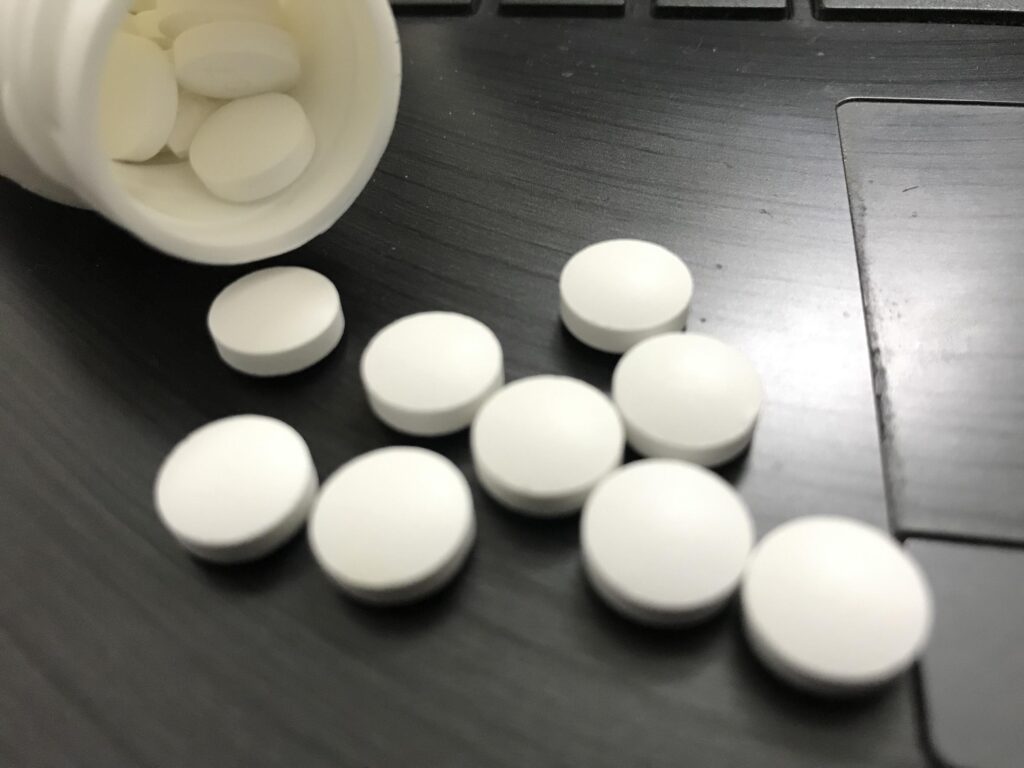
When you receive a new prescription, understanding exactly what it contains is crucial. The M365 pill is a prescription medication used to treat moderate to severe pain, and it is easy to recognize by its appearance. It is a white, oblong tablet. One side has a distinct dividing line, and the other side is imprinted with the letters and numbers “M365”.
Many people search online for a m365 white pill 10mg, and this causes quite a bit of confusion. The authentic M365 imprint specifically denotes a 5 mg dose of hydrocodone. It does not come in a 10 mg strength. If you have a 10 mg hydrocodone tablet, it will carry a different imprint. Always verify your medication with a trusted pharmacist.
Because it contains hydrocodone, this medication is a Schedule II controlled substance. The federal government strictly regulates Schedule II drugs because they carry a high risk for dependence and misuse. A licensed doctor must prescribe this opioid analgesic carefully.
Understanding what you put into your body is the first act of self-care, and it empowers you to make safe choices. If you ever feel uncertain about your medication, ask questions. Professional opioid rehab Atlanta often helps people who simply misunderstood their prescriptions. Knowing your medication protects your health.
What’s in a M365 Pill?
This medication uses a dual-action approach to pain relief. The M365 white oblong pill contains two active ingredients. First, it contains 5 mg of hydrocodone, an opioid that blocks pain signals in the brain. Second, it contains 325 mg of acetaminophen, a non-opioid ingredient that reduces fever and enhances the overall pain-relieving effect. Together, they manage pain more effectively than either drug alone.
Counterfeit M365 Pills and Fentanyl Risk
Not every tablet stamped M365 is what it claims to be. Counterfeit pills made to look like legitimate hydrocodone have become common, and many contain illicitly manufactured fentanyl rather than the expected ingredients. Because fentanyl is far more potent than hydrocodone, a fake M365 pill can deliver a fatal dose in a tablet that looks identical to a genuine prescription.
The safest rule is simple. Only take an M365 pill that came from a licensed pharmacy and was prescribed to you. Pills bought online, shared by a friend, or purchased outside a pharmacy carry a serious risk of contamination. If you are unsure whether a tablet is authentic, a pharmacist can help you confirm the imprint, color, and shape before you take anything.
How the M365 Pill Works in the Body
When you take this medication, it acts quickly. The hydrocodone binds to specific opioid receptors that live in your central nervous system. By attaching to them, the drug changes how your brain perceives pain and blocks pain signals from reaching it. This creates a sense of relief, and it can also produce a feeling of intense calm.
Acetaminophen works differently. It does not bind to opioid receptors. Instead, it reduces the production of chemicals that signal pain and fever, which is why it is paired with hydrocodone to boost relief without adding more opioid. This combination lets doctors control moderate to severe pain with a lower opioid dose than a single-ingredient opioid would require.
Taking the M365 pill with or without food can slightly change how quickly you feel its effects, but the difference is small. What matters far more is the dose and how often you take it. Spacing doses exactly as your prescription directs keeps blood levels steady and lowers the odds of both breakthrough pain and accidental overuse.
| Medication Type | Active Ingredients | Typical Use Case |
|---|---|---|
| Over-the-Counter Pain Reliever | Acetaminophen or Ibuprofen | Mild to moderate pain, fever reduction |
| Combination Opioid (Like M365) | Hydrocodone & Acetaminophen | Moderate to severe acute pain |
| Single-Ingredient Opioid | Oxycodone or Morphine | Severe, chronic, or post-surgical pain |
Patients often wonder how long the medication lasts. The pain relief usually peaks within one hour, and the effects typically wear off after four to six hours. The drug stays in your system much longer, though. The m365 white tablet has a half-life of about four hours, which means your body clears half the drug in that time. Most of the medication leaves your blood within 24 hours, but drug tests can still detect it in urine for several days.
Effective pain management requires strict adherence to your prescription, so you must take the medication exactly as directed. Taking it more often can lead to rapid tolerance, which means you need more of the drug to feel the same relief. This is a common challenge. Comparing hydrocodone vs oxycodone shows that both carry high risks for tolerance. Following your doctor’s exact instructions keeps you safe.
Why Tolerance Builds So Quickly
Tolerance is one of the trickiest aspects of opioid pain relief. As your body adapts to regular doses of hydrocodone, the same amount produces less effect, which can tempt people to take more than prescribed. That escalation is exactly how many cases of dependence begin, even among people who started with a legitimate prescription and no intention of misusing it. If you notice that your usual dose no longer controls your pain, the safest response is to talk with your prescriber rather than increasing the dose on your own.
Risks Associated With the White M365 Pill
Taking any opioid involves serious health risks, and it is important to discuss these risks without judgment or fear. Understanding them allows you to protect yourself. The CDC tracks prescription drug harms closely, and its drug overdoses report highlights the severe impact of opioid medications. Tens of thousands of overdose deaths involve natural and semisynthetic opioids each year, a category that includes hydrocodone.
One major danger is mixing medications, known as polydrug use. Combining a white pill m365 with alcohol is highly dangerous, and mixing it with benzodiazepines is equally risky. These combinations slow your breathing, a condition called respiratory depression. Severe respiratory depression is life-threatening, and it is the primary cause of fatal opioid overdoses.
If you suspect someone took too much hydrocodone, act immediately and call emergency services right away. If you have naloxone available, use it. Naloxone can rapidly reverse an opioid overdose and restore normal breathing within minutes. Do not wait to see if the person improves, because quick action saves lives. Always store your medication safely, and if you find a loose pill with M365, dispose of it properly to prevent accidental use.
Common Side Effects to Watch For
Beyond the most serious dangers, the M365 pill can cause everyday side effects worth watching. Drowsiness, dizziness, constipation, nausea, and lightheadedness are common, especially when you first start taking it. More concerning signs include confusion, extreme drowsiness, slowed or shallow breathing, or a bluish tint to the lips or fingernails. Those last symptoms can signal that the opioid is suppressing your breathing, and they call for immediate medical attention.
Liver Damage From Acetaminophen
The opioid component is not the only risk. The acetaminophen in this pill carries its own dangers, and taking too much can cause severe liver damage. Health experts recommend staying below 4,000 mg of acetaminophen daily, and people with liver issues should take even less. You must be careful with other over-the-counter medications, because many cold and flu medicines also contain acetaminophen. Combining them with your prescription can quickly exceed safe limits.
Who Should Be Especially Cautious
Some people face higher risks from the M365 pill than others. Older adults, people with breathing conditions such as sleep apnea or COPD, and anyone with a history of substance use disorder should use it with extra caution. Liver disease raises the danger from the acetaminophen component, and pregnancy introduces risks to a developing baby. Telling your doctor about your full medical history and every other medication you take, including supplements and over-the-counter drugs, helps them prescribe safely.
Physical Dependence and Addiction to the M365 Pill
Many people ask whether this medication is addictive when prescribed. The short answer is yes. Even careful use can lead to physical dependence, which is a normal biological adaptation in which your body simply gets used to the drug. If you stop taking a pill m365 suddenly, you will feel sick. This is different from addiction.
Addiction is a behavioral disorder that medical professionals call an opioid use disorder, and it involves compulsive use despite harmful consequences. Signs of addiction include running out of pills early, craving the medication intensely, and hiding your use from family members. This happens to many well-meaning people. They start taking the medication exactly as prescribed, and over time tolerance builds and control slips away.
If you stop taking the drug, withdrawal symptoms begin, and they are physically exhausting. You might experience deep muscle and bone pain. Severe restlessness and insomnia are very common. Nausea, sweating, and anxiety make quitting difficult, and trying to push through alone is incredibly hard.
The Hydrocodone Withdrawal Timeline
Withdrawal from hydrocodone tends to follow a predictable arc. Early symptoms often appear within six to twelve hours of the last dose and include anxiety, muscle aches, sweating, and a runny nose. Symptoms usually peak between one and three days in, bringing nausea, abdominal cramping, chills, and insomnia at their most intense. Most physical symptoms ease over the following week, though low mood, fatigue, and cravings can linger longer. Knowing the timeline can make the process feel less frightening, and medical support can ease each stage.
At Inner Voyage Recovery Center, we view this with deep empathy. Physical dependence is not a moral failing. It is a biological reality, and healing requires compassionate care that treats the whole person. A dual diagnosis treatment program in Georgia addresses both the physical and emotional aspects of dependence. We help you unwind the physical need while supporting your emotional well-being.
Treatment Options for Hydrocodone Addiction
If you want to safely stop taking hydrocodone, medical supervision is crucial. Abruptly stopping the medication is dangerous because it shocks your system and triggers severe withdrawal. A slow, evidence-based taper is the safest method. Doctors gradually reduce your dose over weeks, which minimizes your discomfort.
Medical detoxification keeps you safe and stable, but detox is only the first step. True healing goes beyond clearing the drug from your body. Medication-assisted treatment can help manage long-term cravings, yet lasting recovery requires an inward journey that involves exploring the emotional roots of your substance use.
This is the core of our philosophy. We focus on healing underlying trauma. Holistic healing integrates therapies that repair the mind and spirit, and we teach coping skills that replace the need for the m365 white pill. True recovery is about building an authentic, healthy life.
Levels of Care at Inner Voyage Recovery Center
Recovery at Inner Voyage Recovery Center is built around a full continuum of outpatient care, so support can match your needs as they change. A partial hospitalization program in Atlanta offers the most structure for those stepping down from higher levels of care, while an Atlanta IOP and standard outpatient rehab provide flexibility for people balancing treatment with work or family. Evening IOP, dual diagnosis care, and an active aftercare and alumni program help you stay supported well after the first phase of treatment ends.
Woodstock, Georgia offers a fitting setting for this work. It provides a peaceful, suburban environment that gives you vital distance from the urban triggers of Atlanta while keeping you close to family support. This protected space allows you to focus entirely on your inner work.
Choosing a Safer Path Forward
Understanding the risks of the M365 pill puts you in a stronger position to make safer health choices. Whether you are managing acute pain or worrying about a growing dependence, accurate knowledge is your best defense. Physical dependence can happen to anyone. It is a biological response, not a reflection of your character.
If your prescription has started to feel like a problem, professional support can help you safely manage withdrawal and address the root causes of your pain in a supportive environment. Call us at (470) 460-8437 to speak with a caring professional, or visit Inner Voyage to explore our holistic treatment options. Reach out today to discuss a safe, individualized plan for your healing. Contact us now.
Frequently asked questions
What is the M365 pill?
The M365 pill is a prescription combination medication containing hydrocodone bitartrate and acetaminophen. Hydrocodone is an opioid analgesic, while acetaminophen is a non-opioid pain reliever and fever reducer. This combination is commonly prescribed for short-term management of moderate to severe pain when other pain medications are not sufficient.
How does the M365 pill provide pain relief?
The hydrocodone component acts on opioid receptors in the brain and spinal cord, changing how the central nervous system perceives pain signals. Acetaminophen provides additional pain relief through a different mechanism. Together, hydrocodone and acetaminophen can provide effective pain relief after severe injuries, dental procedures, or other conditions requiring prescription pain management.
Can the M365 pill cause addiction or physical dependence?
Yes. Because M365 contains hydrocodone, repeated use can lead to physical dependence, and misuse can contribute to opioid addiction or opioid use disorder. Physical dependence means withdrawal symptoms may occur when the medication is suddenly stopped after regular use, while addiction involves patterns such as compulsive drug-seeking behavior and continued use despite harmful consequences. Taking the medication exactly as prescribed can reduce, but does not eliminate, these risks.
What are the warning signs of an M365 overdose?
An opioid overdose involving hydrocodone can cause slow or shallow breathing, extreme drowsiness, inability to wake, pinpoint pupils, altered mental status, or loss of consciousness. Combining prescription opioids with alcohol or other central nervous system depressants can substantially increase the risk of respiratory depression. Suspected opioid overdose requires immediate medical attention.
What are the risks of the acetaminophen in M365?
The acetaminophen component can cause serious liver damage when too much is taken, including the risk of acute liver failure. Risk can increase when someone takes multiple medications containing acetaminophen without realizing it. Rare but serious skin reactions are also possible. People prescribed hydrocodone-acetaminophen should follow dosing instructions carefully and check with a healthcare professional before combining it with other prescription or over-the-counter medications.
Sources
- DailyMed. (December 10, 2024). Label: HYDROCODONE BITARTRATE AND ACETAMINOPHEN tablet. National Library of Medicine.
- Drug Enforcement Administration. (n.d.). Drug Scheduling. Drug Enforcement Administration.
- Centers for Disease Control and Prevention. (March 17, 2025). FastStats – Drug Overdoses. Centers for Disease Control and Prevention.
- National Center for Health Statistics. (December 19, 2024). Drug Overdose Deaths in the United States, 2003–2023. Centers for Disease Control and Prevention.
- Centers for Disease Control and Prevention. (June 10, 2025). About Prescription Opioids. Centers for Disease Control and Prevention.
- National Institutes of Health. (October 6, 2024). Hydrocodone and Acetaminophen – StatPearls. National Center for Biotechnology Information.
- U.S. Code. (n.d.). 21 USC 812: Schedules of controlled substances. Office of the Law Revision Counsel.
- Rosalind Franklin University. (n.d.). Controlled Substances. Rosalind Franklin University.
- Texas State Board of Pharmacy. (n.d.). Controlled Drugs. Texas State Board of Pharmacy.
- University of California, Los Angeles. (June 10, 2022). What is a controlled substance?. Environment, Health & Safety.
Help is Here When You’re Ready
"*" indicates required fields