

Cannabinoid hyperemesis syndrome: symptoms, stages, and how to stop it
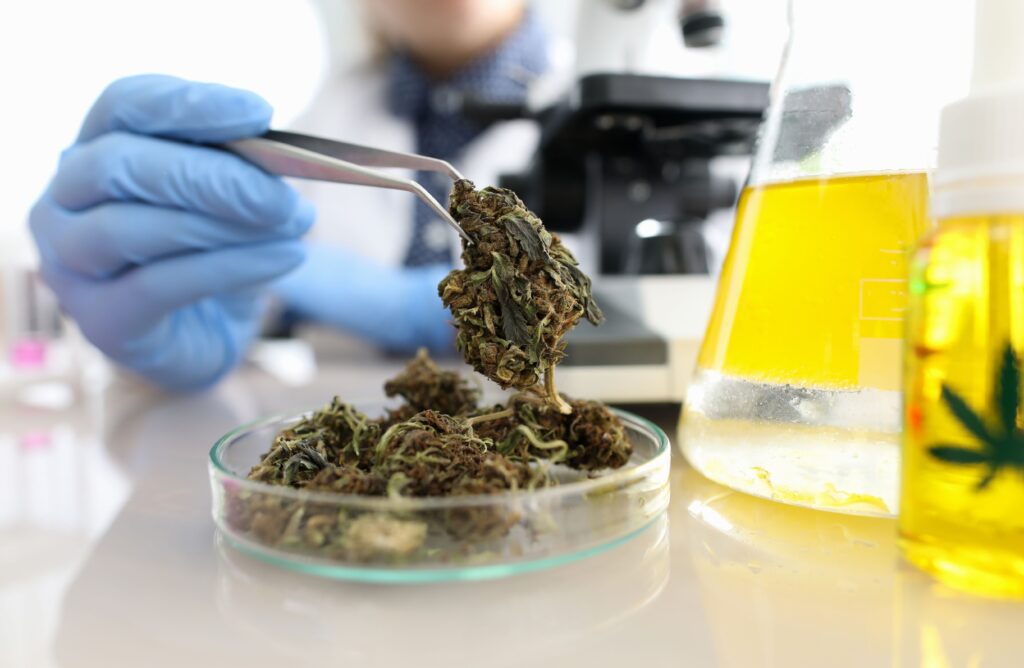
Cannabinoid hyperemesis syndrome (CHS) is a cycle of severe nausea and vomiting in people who use cannabis heavily. The drug that eases nausea for most people starts causing it. Most people who have CHS have never heard of it. They bounce between ERs, get tested for everything, and go home with no answer. There were 199,565 CHS-related ER visits in the U.S. from January 2023 to May 2026, per a CDC report published in August 2026. The strangest clue: relief comes only from a long, hot shower.
The short version
- CHS causes cyclical vomiting in heavy, long-term cannabis users.
- The signature sign is compulsive hot showering.
- Standard anti-nausea medication usually does not work.
- The only permanent cure is stopping cannabis completely.
- The CDC logged 199,565 CHS-related ER visits from 2023 to mid-2026.
What is cannabinoid hyperemesis syndrome?
CHS is a paradoxical reaction to cannabis. Heavy, frequent use, usually daily for months or years, disrupts the body’s endocannabinoid system, which helps control nausea. The result is violent vomiting that can last hours or days.
Potency is driving the rise. Today’s concentrates, vapes, and dabs hit THC levels that old flowers never reached. More potency means more risk, faster, even for people who have not used it for long.
You may also see it called marijuana vomiting syndrome or cannabis hyperemesis. It is the same condition.
What are the symptoms of CHS?
CHS has three core symptoms: intense nausea, repeated vomiting, and abdominal pain. They come in cycles. They do not respond to normal nausea medication. They stop only when cannabis stops. Other common CHS symptoms:
- Retching or dry heaving, sometimes many times an hour
- Heavy sweating and flushing
- Loss of appetite and weight loss
- Dehydration
- Bloating, heartburn, or acid reflux
- Chills
- Anxiety or a fear of vomiting
- A compulsive urge to shower in hot water
A single episode can last days. Left alone, the cycle can return for months or years.
What are the stages of CHS?
CHS moves through three stages.
- Prodromal stage. Early and easy to miss. Morning nausea, belly discomfort, and a nagging fear of throwing up. Many people use more cannabis here, hoping it settles their stomach. This phase can last months or years.
- Hyperemetic stage. The crisis. Relentless vomiting, often more than five times an hour, plus pain and dehydration. This is when people hit the ER and start the hot showers. Standard anti-nausea drugs usually fail.
- Recovery stage. Symptoms fade once cannabis stops for good. Appetite and weight return over days to weeks. Start using again, and the cycle comes back, usually worse.
Why does a hot shower relieve CHS?
A hot shower calms the nausea when nothing else will. People take several a day, often running the water until it turns cold.
The likely reason is a heat-sensing receptor called TRPV1. Cannabis and hot water both act on it. Chronic cannabis use appears to throw off how TRPV1 regulates nausea. Hot water seems to reset that signal, at least for a while.
The CHS hot shower pattern is so specific that many doctors treat it as a diagnostic clue on its own. For a lot of people, it is the detail that finally connects the dots.
How is CHS diagnosed?
There is no single test. Doctors diagnose CHS by ruling out other causes and matching the pattern. First they rule out other causes of severe vomiting, including appendicitis, gallbladder disease, pancreatitis, ulcers, reflux, and ectopic pregnancy. Scans and bloodwork usually come back clean.
Then they match the Rome IV criteria:
- Recurring, stereotyped bouts of severe vomiting
- Onset after prolonged, heavy cannabis use
- Symptoms that resolve when cannabis use stops
- Compulsive hot bathing, which supports the diagnosis
CHS is most often confused with cyclical vomiting syndrome (CVS). The differences:
- Migraines. CVS is often linked to migraines. CHS is not.
- Hot showers. Compulsive hot showering points to CHS, not CVS.
- Cessation. CHS clears with cannabis cessation. CVS does not.
One more reason it gets missed: until October 2025, there was no diagnosis code for CHS. After the new ICD-10 code launched, CHS-coded ER visits jumped from 3.35 to 11.26 per 10,000 in a single month, a 3.7x rise. That is better recognition, not a sudden outbreak. The cases were always there.
How is CHS treated?
Cannabis hyperemesis syndrome treatment has two goals: stop the current episode, and prevent the next. In the ER, care focuses on:
- IV fluids for dehydration
- Topical capsaicin cream on the abdomen, which works on the same TRPV1 receptor as hot water
- IV haloperidol, which beat ondansetron in a randomized trial
- Benzodiazepines such as lorazepam in some cases
Standard anti-nausea drugs like ondansetron often do not cut it here.
The only cure is stopping cannabis completely. Not cutting back. Not switching products. Every case that fully resolves does it through abstinence. This is one place where harm reduction does not apply. That is hard for anyone who uses daily, which is why real treatment has to address more than the vomiting.
Who is at risk for CHS?
Risk comes down to how much and how strong. The highest-risk groups:
- Daily or near-daily users
- People using high-potency concentrates, vapes, or dabs
- People who dab or vape instead of smoking
- Young adults
Forget the old “ten years of use” rule. The data does not back it. In the CDC report, people aged 15 to 24 had the highest rate by far, at 38.70 CHS-related ER visits per 10,000. Stronger products shorten the timeline, so a few heavy years can be enough.
Rates were also higher among women, at 12.65 per 10,000, and Black patients, at 17.60 per 10,000. The clearest warning sign is daily use of strong products.
What recovery looks like
The hardest part usually is not the diagnosis. It is accepting that the thing you used to feel better is what is making you sick.
Recovery follows a pattern. Stop using, and the vomiting settles within days to weeks. Appetite comes back. So does energy. Most people notice more: better sleep, less anxiety, relationships that open back up.
Relapse is the real risk, and it is rarely about willpower. Cannabis was doing a job, whether that was numbing anxiety, quieting trauma, or getting through the day. Take it away without replacing that, and the pull to return is strong. That is why lasting recovery treats the reason for use, not just the symptom.
Getting help
Here is what is easy to miss. If CHS is happening, cannabis use has already crossed from recreational into dependency. The condition only shows up after heavy, long-term use, and it keeps coming back because stopping feels harder than the vomiting. That is a use disorder, not a bad habit.
At Inner Voyage Recovery, we treat marijuana addiction alongside the mental health conditions that often drive heavy use. Treating both is what makes quitting stick, which is exactly what CHS requires. If this cycle sounds familiar, the vomiting is worth listening to. Reach out to our team to talk through what recovery can look like.
Sources
- Richards, J. R., Lapoint, J. M., & Burillo-Putze, G. (2018). Cannabinoid hyperemesis syndrome: Potential mechanisms for the benefit of capsaicin and hot water hydrotherapy in treatment. Clinical Toxicology, 56(1), 15–24. https://doi.org/10.1080/15563650.2017.1349910
- Ruberto, A. J., Sivilotti, M. L. A., Forrester, S., Hall, A. K., Crawford, F. M., & Day, A. G. (2021). Intravenous haloperidol versus ondansetron for cannabis hyperemesis syndrome (HaVOC): A randomized, controlled trial. Annals of Emergency Medicine, 77(6), 613–619. https://doi.org/10.1016/j.annemergmed.2020.08.021
- Sorensen, C. J., DeSanto, K., Borgelt, L., Phillips, K. T., & Monte, A. A. (2017). Cannabinoid hyperemesis syndrome: Diagnosis, pathophysiology, and treatment – a systematic review. Journal of Medical Toxicology, 13(1), 71–87. https://doi.org/10.1007/s13181-016-0595-z
- Vivolo-Kantor, A. M., Liu, S., Tanz, L. J., Mattson, C. L., & Schier, J. (2026). Trends in emergency department visits involving cannabis hyperemesis syndrome identified using a new diagnosis code – United States, January 2023–May 2026. MMWR. Morbidity and Mortality Weekly Report, 75(30), 391–396. https://doi.org/10.15585/mmwr.mm7530a2
Help is Here When You’re Ready
"*" indicates required fields