

What Does Cocaine Smell Like? Recognizing the Signs of Use
Key Takeaways
- Street cocaine often has a strong chemical scent like gasoline or vinegar, while smoked crack cocaine usually smells like burning plastic or rubber.
- Physical signs of use include dilated pupils and weight loss, while behavioral changes often involve mood swings and acting very secretive.
- If you notice these signs, it is important to talk to your loved one with kindness and offer professional support for their recovery.
A sharp, chemical odor in a family member’s bedroom or car can be one of the earliest clues that something is wrong. If you have noticed it and started asking what does cocaine smell like, your instincts are worth trusting. Pure cocaine gives off only a faint scent, but the street-level powder and crack that people actually use carry harsh, recognizable odors. Learning to identify those smells, along with the physical and behavioral signs that accompany them, can help you decide whether it is time to step in and reach out for support.
Does Cocaine Have a Distinct Smell?
Many families wonder if does cocaine have a smell that they can easily recognize. The short answer is yes, cocaine does have a distinct smell. However, the odor you might notice does not usually come from the drug itself. Pure cocaine is generally odorless, though some clinical experts note it can have a very faint, slightly sweet, or floral scent. This natural aroma comes from a compound called methyl benzoate, which is present in the coca plant.
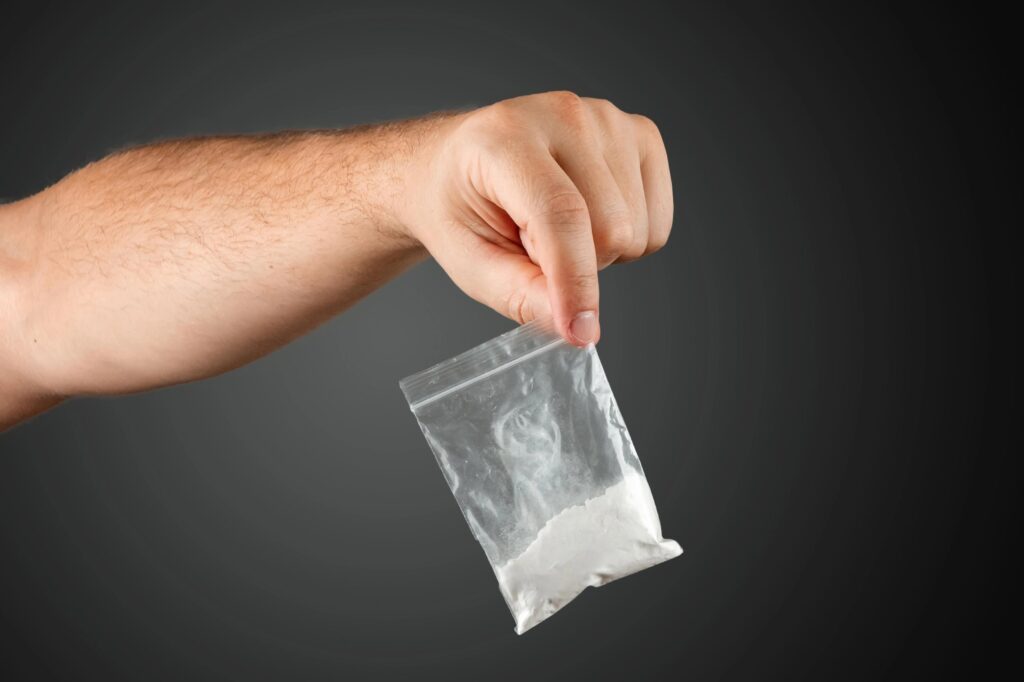
When people ask what does pure cocaine look like, they might picture a pearly, white crystalline powder. In reality, pure cocaine is rarely found on the street. By the time it reaches a person using it, the substance has gone through extensive chemical processing. Because of this manufacturing process, street-level powder cocaine takes on a much harsher scent. If you are wondering what does coke smell like, it is most often described as smelling like sharp chemicals, gasoline, paint thinner, or even vinegar.
This distinct cocaine smell is a direct result of the residual solvents used to extract and refine the drug. It is important to know that while does cocaine smell is a common question, odor alone is not a definitive test for substance abuse. The scent can be easily masked by air fresheners or cologne. Still, catching a whiff of harsh, unexplainable chemicals in a bedroom or car is a strong indicator that something is wrong. When you notice these odors, it is often a sign that the person may need Atlanta cocaine addiction treatment to safely stop using.
How Does the Smell of Crack Cocaine Differ From Powdered Cocaine?
There is a significant difference between powder cocaine and crack cocaine. Crack cocaine is a solid, rock-like form of the drug that has been processed with water and baking soda. When people ask what does crack smell like, the answer changes depending on whether the drug is sitting out or being actively used. Unheated crack may have a mild chemical scent, but the odor completely changes when it is smoked.
If you want to know what does crack smoke smell like, it is frequently compared to burning plastic, melting rubber, or harsh household cleaners. Does crack have a smell that lingers? Absolutely. What does crack smell like when smoked is highly offensive and acrid, and it often clings to clothing, hair, and furniture for hours. This pungent, unnatural odor is a major red flag that someone is smoking freebase or crack cocaine.
Additives Affect the Scent of Cocaine
The harsh odors associated with cocaine use do not just come from the extraction process. Drug dealers frequently mix, or “cut,” the drug with various additives to increase their profits. These cutting agents significantly alter the physical profile of the drug, including its scent and texture.
During the initial synthesis process, illicit manufacturers use powerful solvents like gasoline, ether, and ammonia. Even after the drug is dried into a powder, traces of these chemicals remain. This is why powder cocaine often emits strong, lingering chemical vapors. A study of common cocaine adulterants reveals that substances like caffeine, phenacetin, and levamisole are frequently added to street samples. When mixed with these compounds, the subtle floral scent of pure cocaine is entirely erased.
How Additives Change the Taste and Feel of Cocaine
Additives also change the physical sensory experience of using the drug. You might wonder what does cocaine taste like in addition to its smell. Because cocaine acts as a local anesthetic, it naturally has a bitter, numbing taste. To mimic this effect, dealers often cut the drug with cheaper numbing agents like lidocaine or benzocaine. Other common additives include baking soda, laundry detergent, and talcum powder.
When a person snorts or rubs this mixture on their gums, the combination of gasoline residues and medical anesthetics creates a harsh, metallic, and bitter experience. These toxic additions make the substance incredibly dangerous to the body and the mind. Addressing the impact of these chemicals often requires specialized care, such as the support found at dual diagnosis treatment centers in Georgia, where medical and mental health needs are treated together.
What Does Cocaine Smell Like? Comparing the Types of Cocaine and Crack
Recognizing the different forms of cocaine can feel overwhelming for concerned families. However, paying attention to visual and olfactory cues can provide vital context. The chart below serves as a quick-reference guide to help you identify the distinct differences between pure cocaine, street-level powdered cocaine, and crack cocaine.
| Form of Substance | Visual Appearance | Distinct Chemical Smell |
|---|---|---|
| Pure Cocaine | Pearly, fine white crystalline powder | Faint, slightly sweet, or floral scent |
| Street Powder Cocaine | White to off-white, slightly lumpy powder | Sharp chemicals, gasoline, ether, or vinegar |
| Crack Cocaine | Irregular, off-white, or yellowish crystalline rocks | Burning plastic, melting rubber, or harsh ammonia when smoked |
Understanding these basic differences is a helpful starting point. If you notice any of these visual signs paired with an unexplainable chemical cocaine smell, it is important to take the situation seriously and look for additional behavioral clues.
Other Symptoms of Cocaine Use to Watch For
While noticing a strange chemical odor is important, scent is just one piece of the puzzle. Cocaine use is almost always accompanied by a cluster of behavioral and physical symptoms. Recognizing these warning signs of cocaine use can give you the clarity you need to step in and help.
Physical Signs of Cocaine Use
One of the most obvious physical symptoms is finding drug paraphernalia hidden in bedrooms, cars, or bathrooms. You might discover small glass pipes, rolled-up dollar bills, short cut straws, razor blades, or small plastic baggies. These items often carry the lingering smell of the drug. Physical symptoms also include persistently dilated pupils, a chronically runny or bleeding nose, and sudden, unexplained weight loss. The person may sweat heavily, even in cool rooms, or exhibit tremors and muscle twitches.
Behavioral and Emotional Changes
Beyond the physical changes, behavioral symptoms are often the most disruptive to family life. Cocaine is a powerful stimulant that severely impacts mood and energy levels. You might observe extreme mood swings, ranging from sudden bursts of hyperactivity and overconfidence to deep depression and irritability when the drug wears off. Substance abuse changes a person’s priorities, often leading to highly secretive behavior. They may isolate themselves, lie about their whereabouts, or experience sudden financial difficulties.
You may also notice a decline in personal hygiene and a total loss of interest in hobbies they once loved. In severe cases, the person might experience paranoia or hallucinations. If you are witnessing these alarming changes, you do not have to handle this alone. The admissions team at Inner Voyage can offer safe, confidential guidance on how to approach your loved one and explore the recovery options that fit your family’s situation.
When to Seek Professional Help
You do not need absolute proof before you act. If several of these signs appear together, or if your loved one’s use seems to be escalating, that is reason enough to reach out to an addiction professional. Early intervention consistently leads to better outcomes, and a private conversation with a treatment provider can help you make sense of what you are seeing and understand the options in front of you.
What to Do if Someone You Know Is Using Cocaine?
Discovering that a loved one might be struggling with cocaine use is a terrifying and heartbreaking moment. Your first instinct might be to confront them immediately, demand answers, or search their room. However, reacting in anger or panic often makes the person highly defensive and secretive. Instead, slow down, regulate your emotions, and plan a calm, nonjudgmental conversation.
Start With a Calm, Private Conversation
Wait for a time when the person is completely sober, and you are in a private, safe space. Start the conversation with warmth and empathy. You might say, “I love you, and I am bringing this up because I am worried about your health and safety.” Share the specific signs you have noticed, such as changes in their mood or strange odors in their room, without using labeling words like “addict.” Listen actively to their response. Let them know that you view their struggle as a health issue, not a moral failure.
Frame Help as Support, Not Punishment
It is incredibly common for substance use to be rooted in unresolved pain. Approaching the situation with a trauma-informed mindset allows you to see the person behind the behavior. Suggesting professional help should be framed as a collaborative step toward healing, rather than a punishment. Research on how family involvement aids treatment shows that when families offer structured, loving support, their loved ones are much more likely to accept help.
Offer to help them research addiction treatment programs and mental health resources together. Let them know that compassionate recovery centers exist to help them uncover the root causes of their pain. You do not have to fix them, but you can gently guide them toward the professional care they deserve.
Getting Treatment for Cocaine Use
Recognizing the harsh smell of cocaine is often the first step in addressing a serious problem. That initial realization can be the catalyst for a profound inward journey toward lasting healing. Addiction treatment is not about punishment; it is about repairing the mind, body, and spirit.
Inner Voyage Recovery Center in Woodstock, Georgia, provides a serene, trauma-informed environment just outside the busy Atlanta metro area. The suburban setting keeps clients away from urban triggers while staying close to the family support that fuels recovery. Every client receives a personalized plan designed to heal the underlying wounds that drive cocaine use, not just the surface symptoms.
Outpatient Programs Built Around Real Life
Because recovery has to fit into a person’s life, we offer a full continuum of outpatient care. A partial hospitalization program in Atlanta provides the most structured level of daily support for those who need it. Stepping down from there, our Atlanta IOP and evening intensive outpatient program let clients keep working or attending school while staying in treatment. For those further along in recovery, standard outpatient rehab in Atlanta keeps progress on track with flexible, ongoing sessions.
Treating the Whole Person
Cocaine use rarely exists on its own. Many people are also coping with anxiety, depression, or unresolved trauma, which is why dual diagnosis care is central to our approach, treating mental health and substance use at the same time. When formal treatment ends, our alumni program for addiction keeps clients connected to a supportive community so early progress turns into lasting change. By blending evidence-based therapy with holistic healing, we help you uncover the roots of your pain and build an authentic, lasting recovery.
Turning a Frightening Discovery Into a Fresh Start
Recognizing the harsh smell of cocaine in your home is a frightening moment, but it can also be the turning point toward a much brighter reality. Acknowledging the problem is what opens the door to genuine recovery. At Inner Voyage Recovery Center, we treat addiction as a continuous inward journey of self-discovery rather than a source of shame.
Finding out that someone you care about is struggling with cocaine use can make you feel entirely helpless, but action is always possible. By understanding the physical signs and approaching your loved one with genuine empathy, you become a vital part of their healing process. If you are ready to explore trauma-informed care options, or if you simply need guidance on where to start, please call our admissions team today at (470) 460-8437. You can also visit Inner Voyage to verify your insurance and review our holistic programs. Contact us now to schedule a confidential assessment and take a meaningful step toward bringing peace back to your family.
Frequently asked questions
What does cocaine smell like?
Cocaine does not have one reliable or distinctive smell that can be used to identify it. Pure cocaine hydrochloride is generally described as having little noticeable odor, although street cocaine may have a faint chemical scent because of processing methods, contaminants, or other substances mixed into it. Appearance or smell alone cannot confirm whether an unknown powder contains cocaine.
What does crack cocaine smell like when smoked?
Smoking crack cocaine can produce an acrid or chemical-like odor that some people compare to burning plastic or other strong burnt smells. However, the smell of crack can vary because street products may contain baking soda, residual chemicals, or dangerous additives. A chemical odor in a home or room is not enough by itself to determine that someone is smoking crack cocaine.
Is there a difference between the smell of powder and crack cocaine?
Powder cocaine typically has much less noticeable odor than crack cocaine being smoked. Cocaine hydrochloride commonly appears as a white or off-white crystalline powder, while crack is a solid form produced through additional processing. Heating crack produces odors that are not generally present when simply handling powder cocaine. Neither smell nor appearance is a dependable way to identify cocaine.
What are other signs of cocaine use besides smell?
Signs of cocaine use may include dilated pupils, unusual energy or alertness, agitation, reduced appetite, sleep changes, frequent sniffing or nose irritation, mood changes, and periods of fatigue after stimulant effects wear off. Signs can vary depending on the amount used, frequency of drug use, and whether cocaine is combined with other drugs. No single physical or behavioral symptom proves that someone is using cocaine.
How is cocaine addiction treated?
Cocaine addiction treatment commonly combines behavioral therapies, recovery support, and treatment for co-occurring mental health disorders when present. Cognitive behavioral therapy and other evidence-based treatment programs can help people recognize triggers, change patterns associated with cocaine use, and develop strategies for preventing relapse. Depending on individual needs, professional treatment may take place through inpatient or outpatient programs, support groups, or other structured addiction services.
Sources
- National Institutes of Health. (October 29, 2021). Cutting agents in cocaine: A temporal study of the period 2015-2017. Journal of Chemical Neuroanatomy.
- National Institutes of Health. (September 1, 2017). Levamisole: A High Performance Cutting Agent. PMC.
- Substance Abuse and Mental Health Services Administration. (June 9, 2023). National Helpline for Mental Health, Drug, Alcohol Issues. SAMHSA.
- National Institutes of Health. (n.d.). The Impact of Substance Use Disorders on Families and Children. PMC.
- National Institutes of Health. (n.d.). Cocaine and Psychiatric Symptoms. PMC.
Help is Here When You’re Ready
"*" indicates required fields