

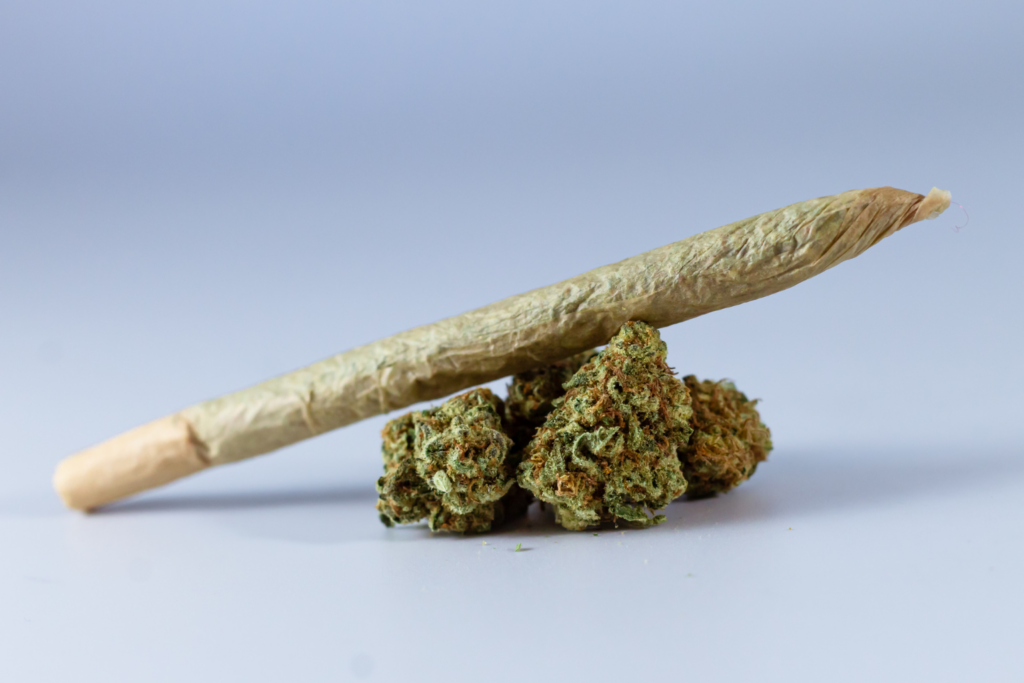
Zaza weed is one of the most talked-about terms in modern cannabis culture, yet few people agree on what it actually means. For some, Zaza is a badge of premium, exotic cannabis. For others, the word hides a serious danger that has nothing to do with marijuana at all. At Inner Voyage Recovery, an addiction treatment provider serving the Atlanta area, we see both sides, and we help people who find that high-THC cannabis, or the substances sold under the Zaza name, have taken more than they bargained for.
What Is Zaza Weed?
Zaza weed is a popular cannabis slang term for exotic, top-shelf, and highly potent cannabis. The word emerged from the Atlanta trap music scene and spread through the hip hop community in the late 2010s. As a piece of cannabis slang, Zaza signals the best flower a dealer or dispensary claims to carry: rare, aromatic, and loaded with THC. Importantly, Zaza is not one plant. In most cases, the term is a descriptor rather than a single variety, used to market premium cannabis that stands apart from regular weed.
That flexibility is exactly why the word is so slippery, and why knowing what real Zaza is matters so much. When smoking Zaza, buyers are often trusting a label, not a lab result. In short, Zaza weed is less a product than a promise: the promise of the strongest, rarest cannabis in the room. Living up to that promise is another matter, and the gap between hype and reality is where both disappointment and danger tend to live, and often where marijuana rehab in Atlanta comes into play.
Zaza and Cannabis Culture
Within cannabis culture, Zaza became shorthand for status. Rappers name-dropped it in rap lyrics, and the term spread from the hip hop community into everyday conversation.
Cannabis reviewers such as Gas Station Bob built followings by rating exotic cannabis, and Zaza reflects that same hunger for the rarest, most potent weed on the market. For many cannabis enthusiasts, chasing Zaza is part of the hobby, and few figures capture that better than Gas Station Bob, whose ratings can make or break a drop.
Zaza as a Cannabis Slang Term
As a cannabis slang term, Zaza sits alongside words like exotic and gas. It evolved from the slang term “exotic,” which described rare or premium cannabis flowers. In rap lyrics and on social media, Zaza lends instant credibility, signaling that what is being smoked is elite, not ordinary. Some sellers even shorten it to ZA, another nickname for the same idea.
What Makes Zaza Different from Regular Weed
The gap between Zaza and regular weed comes down to potency, appearance, and price. Where regular cannabis might test between 10% and 18% THC, Zaza strains routinely push past 25%.
What makes Zaza stand out is not marketing alone; it is the combination of exceptional potency, striking looks, and scarcity. Priced well above standard flower, Zaza delivers on exclusivity as much as on effect, and what makes Zaza worth the premium to fans is that rarity.
What truly sets Zaza apart, for many cannabis enthusiasts, is the promise of exclusivity as much as the high.
How Much Does Zaza Cost?
Zaza weed sits at the top of the price ladder. As top-shelf, premium cannabis, it often costs 25% to 50% more per gram than standard flower.
In some legal markets, an eighth of Zaza weed sells for $60 or more, compared with $30 to $40 for regular strains. That premium reflects genuine scarcity, but it also invites counterfeits, which is why paying premium cannabis prices without lab testing is a gamble.
Prices swing with region and season, and legal, tested product almost always costs more than street supply, precisely because the testing and licensing that make it safer also make it pricier.
The Potency of Zaza: High THC and THC Levels
High THC is the defining trait of Zaza. Lab testing shows Zaza strains often exceed 25% THC, and some cross 30%, compared with the 10% to 18% typical of standard flower.
Those THC levels are what give Zaza its reputation, and its risk. High THC strains like these are far stronger than most casual users expect.
THC Levels in Zaza
The THC levels in authentic Zaza typically range from 20% to over 30%. Independent lab testing is the only reliable way to confirm them, and reputable sellers publish the numbers.
High THC cannabis strains in this range produce intense effects quickly, which is why experienced users seek them out and why newcomers should approach Zaza with real caution. Finding a comfortable sweet spot is difficult when a single hit carries this much high THC.
High Potency Cannabis and Its Effects
High potency cannabis affects the body and mind faster and harder than regular strains. Users describe deep physical relaxation, a body-melting relaxation that pins you to the couch, and intense euphoria.
But the same high THC that delivers those euphoric effects can tip into anxiety, paranoia, or a racing heart, and the consumption method matters, because smoking Zaza hits faster than edibles.
The Effects of Zaza
The term Zaza is often used to describe high-potency, premium weed marketed as exotic or top-shelf cannabis. It is not one specific cannabis strain, and labels such as “elite cannabis,” “rare strains,” or “exotic strains” do not tell you exactly what is in a product or how potent it is.
Some products sold as Zaza may emphasize exotic genetics, dense Zaza buds, crystalline trichomes, strong aroma, or other features tied to visual allure and aesthetic appeal. Those characteristics may influence how cannabis is marketed, but they do not reliably predict safety, purity, or how someone will respond.
Common Zaza Effects
High-THC cannabis can affect people differently depending on dose, tolerance, frequency of use, other substances, and underlying health conditions.
Common short-term Zaza effects may include:
- Euphoria or changes in mood
- Increased appetite
- Altered perception of time
- Dry mouth or red eyes
- Drowsiness or physical relaxation
- Difficulty concentrating
- Increased heart rate
- Anxiety, panic, paranoia, or dizziness at higher doses
Some people describe potent strains as producing a heavier body effect, but terms such as “indica dominant,” “smooth smoke,” or “premium flower” are marketing descriptions rather than guarantees about how a person will feel.
The more concentrated the THC exposure, the more unpredictable the experience can become, especially for people who are new to cannabis or who already have anxiety, heart concerns, or other medical conditions.
Medical Marijuana and High-Potency Cannabis
Some medical marijuana patients use cannabis under the guidance of a qualified healthcare provider for symptoms related to conditions such as chronic pain. That is different from purchasing a product simply because it is called Zaza or advertised as high-quality marijuana.
A slang label does not replace professional medical advice. Product composition, THC concentration, medication interactions, personal health history, and local laws can all matter. People using cannabis for medical reasons should follow guidance from a licensed healthcare provider rather than relying on claims about premium flower, rare genetics, or an actual Zaza strain.
Even products from reputable dispensaries can affect individuals differently. More THC does not automatically mean greater benefit.
When High-Potency Cannabis Becomes Risky
High-potency cannabis can produce uncomfortable or potentially serious reactions, particularly when larger amounts are used, or cannabis is combined with alcohol or other substances.
Watch for symptoms such as:
- Intense anxiety or panic
- Severe paranoia or confusion
- Persistent vomiting
- A very rapid heartbeat
- Dizziness or fainting
- Significant changes in behavior or awareness
People with underlying mental or physical health conditions may be more vulnerable to adverse reactions.
Rather than assuming a difficult reaction will simply pass, severe, worsening, or persistent symptoms should be evaluated by a medical professional.
Zaza Can Also Mean Tianeptine
One of the most important distinctions on this page is that “Zaza” can refer to two completely different substances.
In cannabis culture, Zaza commonly refers to high-potency or exotic marijuana. However, products called Zaza have also been associated with tianeptine, a non-cannabis substance with opioid-like effects.
Tianeptine is not marijuana, is not created through cannabis cultivation, and has nothing to do with exotic genetics, premium flower, or any actual cannabis strain.
Why Tianeptine Is More Dangerous
Misuse of tianeptine can lead to physical dependence and serious health consequences. Potential risks may include:
- Severe withdrawal symptoms
- Sedation or loss of consciousness
- Seizures
- Breathing problems
- Respiratory depression
- Increased overdose risk, particularly when combined with other substances
This distinction matters because someone expecting cannabis may misunderstand the risks associated with a product simply because it carries the same slang name.
If a product sold as Zaza produces opioid-like effects, severe sedation, breathing problems, loss of consciousness, or other alarming symptoms, that is not a typical cannabis reaction and warrants urgent medical evaluation.
Signs Zaza Use May Be Becoming a Problem
Whether someone is using high-potency cannabis or another substance sold under the Zaza name, repeated use may begin to affect daily life.
Signs that additional support may be worth considering include:
- Needing stronger or more potent products to get the same effect
- Using more often than intended
- Difficulty cutting back
- Anxiety, low mood, or sleep problems when stopping
- Continuing to use despite problems at work, school, or home
- Spending more time obtaining, using, or recovering from the substance
- Using cannabis or another product simply to feel normal
At Inner Voyage, our clinical team can help clients look at how substance use is affecting their mental health, routines, relationships, and overall well-being. When treatment is appropriate, we build care around the person rather than the product label, with the goal of helping each client develop healthier coping skills and a more stable recovery process.

How Inner Voyage Recovery Helps
When high-potency cannabis, tianeptine, or another substance begins affecting daily life, relationships, mental health, or responsibilities, treatment can provide a more structured path forward. Inner Voyage Recovery is an outpatient addiction treatment provider serving the Atlanta area, and our clinical team builds care around each client’s substance use history, symptoms, goals, and recovery needs.
Whether the concern involves cannabis use, opioid-like dependence, or co-occurring mental health symptoms, our approach focuses on practical skills, individualized treatment, and evidence-based support.
When Higher Levels of Care Are Needed
Some clients may need medical detox or residential treatment before outpatient care is appropriate. This can depend on withdrawal risk, medical stability, the substances involved, co-occurring mental health concerns, and other clinical factors.
Inner Voyage does not provide medical detox Atlanta or residential treatment on-site. When a higher level of care is recommended, our admissions team can help identify placement options based on clinical and insurance needs. Once a client is ready for outpatient treatment, our clinical team can help determine which of our programs may best support the next stage of recovery.
Cannabis and Marijuana Treatment
Our marijuana rehab in Atlanta provides outpatient support for clients whose cannabis use has become difficult to control or is beginning to affect mood, motivation, relationships, school, work, or daily routines.
Treatment may focus on cravings, triggers, coping skills, emotional regulation, relapse-prevention strategies, and the underlying reasons cannabis became difficult to step away from.
Opioid-Related Treatment
Products sold as Zaza may sometimes contain or refer to tianeptine, which can produce opioid-like effects and dependence. Our opioid rehab Atlanta services can support clients dealing with opioid-related substance use concerns once outpatient treatment is clinically appropriate.
Our clinical team can help clients identify patterns related to their use, strengthen coping strategies, and develop a treatment plan tailored to their individual recovery needs.
Partial Hospitalization Program
Our partial hospitalization program provides a highly structured level of outpatient care without an overnight stay. Through partial hospitalization program Atlanta, clients may receive individual therapy, group therapy, mental health support, and other services based on their treatment plan.
PHP may be appropriate for clients who need substantial clinical structure as they work toward greater stability and independence.
Intensive Outpatient Program
Our intensive outpatient program provides structured therapy while allowing clients to remain connected to their home environment and daily responsibilities.
Through Atlanta IOP, treatment may address cravings, triggers, emotional regulation, substance use patterns, coping skills, and co-occurring mental health concerns.
Standard Outpatient Treatment
Our standard outpatient program provides a lower-intensity level of care for clients who are ready for greater independence while continuing to receive clinical support.
Through outpatient rehab in Atlanta, clients can continue practicing coping strategies, address ongoing triggers, and strengthen skills developed earlier in treatment.
Young Adult Treatment
High-potency cannabis use can be especially disruptive for younger adults when it begins interfering with school, work, relationships, motivation, or mental health.
Our young adult rehab provides age-responsive support for eligible clients navigating substance use and the pressures that can accompany early adulthood.
Dual Diagnosis and Mental Health Support
Substance use and mental health concerns often overlap. People searching for dual diagnosis treatment centers Georgia can find integrated outpatient support at Inner Voyage when anxiety, depression, trauma, or other mental health symptoms are part of the treatment picture.
Depending on the client’s needs, care may also include anxiety counseling Atlanta or depression treatment Atlanta as part of the broader treatment plan.
Continued Connection After Treatment
Recovery does not end when structured treatment becomes less intensive. Our alumni program for addiction provides eligible clients with opportunities to remain connected to the Inner Voyage community after formal treatment.
Our clinical and admissions teams can also help clients understand how different levels of care fit together as needs change, so the recovery process remains responsive rather than following a one-size-fits-all path.
What to Do If Zaza Becomes a Problem
If zaza has moved from an occasional treat to something you plan your day around, you are not alone, and you are not stuck. The first step is honesty with yourself about how much and how often you use.
The second is a conversation with someone who can help, whether that is a trusted person in your life or an admissions counselor who can walk through your options without judgment. Cutting back on high-THC cannabis after heavy use can bring irritability, poor sleep, and low mood, so having real support makes the early days far easier.
Paying for Treatment
Cost should not stop anyone from getting help. Inner Voyage is in-network with most major insurers, and our team works with you to verify your insurance before you commit to anything.
Self-pay options through our self-pay rehab keep care within reach, and public resources can point you toward low-cost support in the community. Our admissions team can also explain what your plan covers, what it does not, and any out-of-pocket costs, so money is one less thing standing between you and help.
Take the First Step
Zaza might promise the ultimate high, but no product is worth your health or your life. If cannabis, or a substance sold as Zaza, has become a problem for you or someone you love, reach out.
Contact us by calling (470) 460-8437 to speak with an admissions counselor, or fill out our confidential form, and we will contact you. Reaching out is not a sign of weakness; it is the fastest way to protect your health, and recovery starts with a single conversation with someone who understands.