

Understanding Kratom Effects: Balancing the Search for Healing with Real Risks
Key Takeaways
- Kratom affects the body differently depending on the dose. Small amounts can increase energy and focus while larger amounts act like an opioid to cause sedation.
- Using kratom regularly can lead to physical dependence and health risks like liver damage. Many people find it hard to stop because withdrawal symptoms can be very uncomfortable.
- Professional support provides a safe way to stop using kratom and find lasting relief. Expert care helps you manage withdrawal and address the reasons you first started using the plant.
Kratom effects shift dramatically depending on how much you take, which is exactly what makes the plant so unpredictable. A small amount can act like a stimulant, sharpening energy and focus, while a larger amount behaves more like an opioid, producing sedation and pain relief. If you are living with chronic pain, old trauma, or anxiety that will not ease, reaching for something marketed as a natural remedy makes complete sense. The problem is that the same compounds people rely on for comfort also carry real risks, including dependence and organ damage. Knowing what kratom actually does to your body and brain puts you in a stronger position to protect your health and make choices you can trust.
What Is Kratom? Understanding Its Dose-Dependent Effects
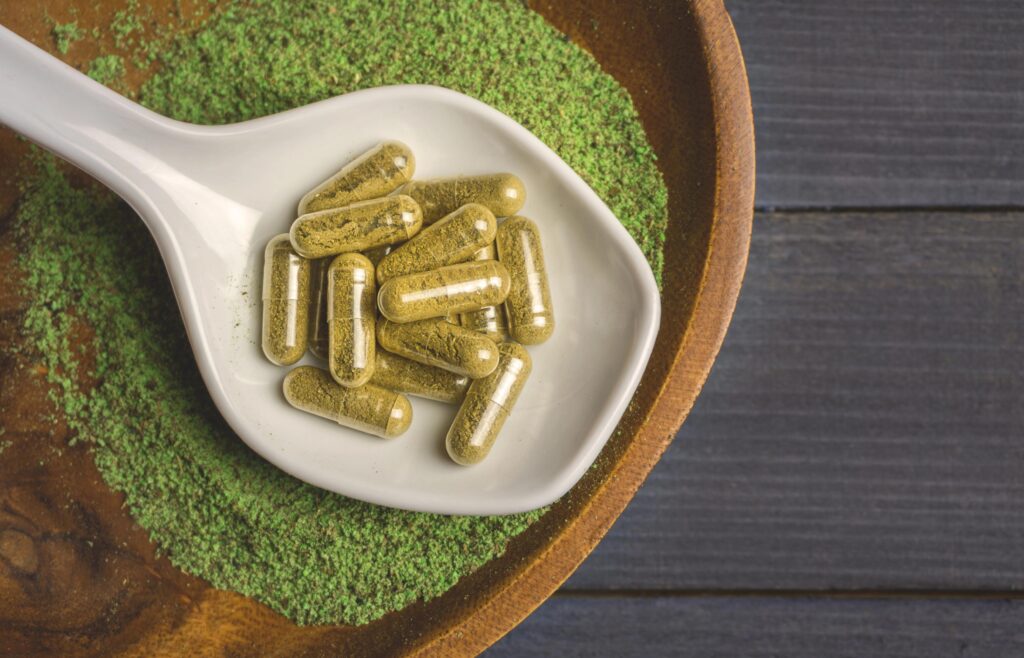
Kratom comes from the Mitragyna speciosa tree, an evergreen native to Southeast Asia where its leaves have been chewed and brewed for generations to fight fatigue and dull pain. Today it reaches smoke shops, gas stations, and online stores as a fine green powder, a concentrated extract, a capsule, or a brewed tea. Its natural, plant-based image leads many people to assume it is gentle, but the effects of kratom come from potent chemical compounds that act directly on the brain.
Many people first try kratom to manage difficult symptoms on their own, and wanting to soothe deep pain, steady frayed nerves, or push through chronic exhaustion is completely human. What surprises most people is how much the kratom drug effects change with the size of the dose. The amount you take does not simply make the experience stronger or weaker, it changes the type of effect entirely. If your goal is to stop relying on the plant altogether, a structured kratom rehab in Woodstock, GA gives you medical guidance instead of guesswork.
How Dose Changes Kratom’s Effects
At low doses, kratom behaves mostly like a stimulant. You might feel a quick, noticeable lift in physical energy, and many people report increased alertness and talkativeness within five to fifteen minutes. These stimulating effects of kratom generally last two to five hours before they taper off, which is part of why the plant gets marketed as a focus or productivity aid.
At higher doses, the experience flips. The plant’s main active compounds, mitragynine and 7-hydroxymitragynine (7-OH), bind to the same opioid receptors in your brain that prescription painkillers target. In larger amounts they produce an opioid-like effect of sedation, deep physical relaxation, and temporary pain relief. This is the exact mechanism that gives kratom its potential for misuse and dependence.
The Unpredictability of Unregulated Products
The rise of concentrated extracts has made these effects even harder to control. Traditional leaf contains relatively small amounts of active alkaloids, but modern extracts and 7-OH products can be many times stronger, so a dose that looks small can hit like a much larger one. Because labeling is inconsistent, two products marketed the same way can affect you in completely different ways. That is also why buying a stronger product to chase the same relief so often backfires, since a bigger dose deepens tolerance instead of solving it.
Because kratom acts on these receptors, its clinical picture is complicated. A review of the clinical implications of kratom use documents these distinct, dose-dependent changes and how difficult they are to predict. That unpredictability matters for your safety, because the jump from a mild stimulant to a strong sedative can catch you off guard, especially with a product whose true strength you cannot verify.
When you are ready for support, professional opioid rehab in Atlanta offers expert guidance from clinicians who understand how these brain receptors adapt and how to help them recover safely. Self-management can feel empowering at first, but a clinical approach gives you a far more predictable and durable path to relief.
When Kratom Effects Turn Into Dependence
Kratom use does not always begin with the intention of getting high. You may have started taking it because your back hurt, anxiety made it difficult to function, or you were trying to manage opioid withdrawal without returning to prescription opioids or other drugs. At first, kratom may seem to provide exactly the relief you were searching for. The problem begins when your brain and body start adapting to having the substance around.
Regular kratom use can lead to tolerance, meaning the amount that once produced noticeable pain relief, relaxation, or energy no longer has the same effect. You may find yourself increasing your dosage, taking kratom more frequently, or switching from traditional kratom leaves or powder to concentrated extracts. What began as an occasional way to feel better can gradually become something you need just to feel normal.
Signs Kratom Use May Be Becoming a Problem
The line between using kratom and becoming dependent on it is not always obvious. Physical dependence means your body has adapted to regular exposure and may produce withdrawal symptoms when you reduce your dose or stop. Addiction or a substance use disorder involves a broader pattern in which using the substance becomes difficult to control despite harmful consequences.
Some warning signs that your kratom use may be becoming problematic include:
- Taking increasingly high doses to achieve the same effects
- Using kratom more frequently or for longer than you originally intended
- Experiencing strong cravings or regularly thinking about your next dose
- Feeling unable to get through the day without kratom
- Continuing to use it despite physical, emotional, financial, or relationship problems
- Spending significant time buying, using, or recovering from kratom
- Trying to reduce or stop your use but repeatedly returning to it
- Experiencing withdrawal symptoms when you miss a dose
These changes can happen gradually. You may not notice a clear moment when occasional use becomes dependence, particularly when kratom is being used to manage a legitimate problem such as chronic pain or anxiety.
What Kratom Withdrawal Can Feel Like
Once physical dependence develops, stopping kratom can produce uncomfortable withdrawal symptoms. You may experience anxiety, irritability, insomnia, restlessness, muscle aches, nausea, diarrhea, sweating, or intense cravings. Some people describe feeling as though the symptoms they originally used kratom to control suddenly return even stronger when they try to quit.
That experience can create a difficult cycle. You take kratom because you feel uncomfortable, experience temporary relief, and then feel worse when the effects wear off. Taking another dose makes those symptoms disappear temporarily, reinforcing the urge to continue using it. Eventually, avoiding withdrawal can become just as important as seeking the original effects of kratom.
Dependence Does Not Mean You Have to Manage It Alone
If kratom has become part of how you get through the day, recognizing that pattern is an important reason to seek support rather than a reason to feel ashamed. Physical dependence reflects changes in how the brain and body respond to repeated exposure to a substance. It does not tell you anything about your character or your ability to recover.
Treatment can address both the kratom use itself and the reason you reached for it in the first place. Whether that means chronic pain, anxiety, depression, opioid withdrawal, or another challenge, professional support can help you manage withdrawal symptoms, identify triggers, and build healthier ways of finding relief. Instead of repeatedly cycling between kratom’s short-term effects and withdrawal, treatment can help you work toward stability that lasts.
Evaluating Your Path: A Framework for Deeper Healing
If you are weighing a change, it helps to pause and look honestly at where kratom is taking you. Setting the perceived benefits of self-medication next to the documented clinical risks is a crucial first step. Kratom might offer a temporary escape, but it cannot heal the source of your distress, and it often deepens it.
The short burst of energy or pain relief tends to come at a steep long-term cost. When you look at the kratom effects honestly, the risks of liver damage, dependence, and worsening mental health are hard to ignore. Deeper healing means stepping away from quick fixes and building a recovery that actually holds.
Choosing Support Over Self-Medication
Choosing professional support does not mean you failed at handling things on your own. It means trading a short-term fix that keeps shrinking for a real solution that keeps growing. Comparing the perceived benefits of kratom against its documented risks shows how a holistic program can meet the same needs without the harm.
You also don’t need every answer before you reach out. Most people begin simply by asking what treatment involves, what it costs, and whether their insurance will help. Taking that one small step often makes the larger decision feel far less daunting.
| Perceived Benefit | Documented Kratom Risk | Inner Voyage Holistic Approach |
|---|---|---|
| Physical pain relief | Tolerance, dependence, and severe opioid-like withdrawal. | Medical supervision, physical therapy coordination, and trauma-informed care. |
| Energy and focus boost | Anxiety, rapid heart rate, high blood pressure, and insomnia. | Mindfulness, nutritional counseling, and nervous system regulation. |
| Easing depression or trauma | Emotional blunting, liver toxicity, and worsening mental health. | Comprehensive dual diagnosis therapy and compassionate peer support. |
Addressing the root causes of substance use is essential for lasting freedom, and you deserve a secure, expert setting to move through withdrawal safely. Connecting with dual diagnosis treatment centers in Georgia makes sure your mental and physical health are treated together rather than in isolation. Treating them separately is how many people end up cycling in and out of short-term fixes that never quite hold.
Returning to daily life takes time, patience, and steady practice. An Atlanta IOP gives you the flexible structure to stay on track while you rebuild. By turning inward, addressing past trauma, and leaning on real support, you can create an authentic, substance-free life.
Find Real Relief Beyond Kratom
Facing physical dependence can feel overwhelming, but you do not have to carry it alone. Healing is not about white-knuckling through withdrawal or ignoring the pain that sent you looking for relief in the first place. At Inner Voyage, we treat the whole person through compassionate, trauma-informed care in a safe, non-judgmental space where the deeper roots of your pain can finally be addressed.
If you are ready to break the cycle of self-medication, call our team today at (470) 460-8437. We are here to listen, validate your experience, and help you map out a secure plan for real, lasting recovery.
Frequently asked questions
What are the effects of kratom?
The effects of kratom can vary depending on the product, amount consumed, and individual. At lower doses, some people report a stimulant effect, including more energy and alertness. At higher doses, kratom may produce sedating and opioid-like effects because certain kratom compounds interact with opioid receptors in the brain. Other reported effects include nausea, constipation, dizziness, and changes in mood.
Can kratom help with opioid withdrawal or chronic pain?
Some people use kratom to self-treat chronic pain, opioid withdrawal symptoms, anxiety, depression, or opioid use disorder. However, kratom is not FDA-approved to treat opioid withdrawal, opioid addiction, chronic pain, or other medical conditions. Using an unapproved kratom product instead of evidence-based treatment can also delay appropriate care for an underlying condition.
Can you become addicted to kratom?
Yes. Using kratom regularly can lead to tolerance, physical dependence, withdrawal, and potentially a substance use disorder. Kratom’s active compounds interact with some of the same receptors involved in the effects of opioids. People who develop problematic kratom use may experience cravings, difficulty cutting back, or continued use despite negative consequences.
What are the symptoms of kratom withdrawal?
Kratom withdrawal symptoms can include anxiety, irritability, insomnia, nausea, diarrhea, muscle aches, restlessness, and cravings. The severity of withdrawal can differ depending on factors such as dosage, frequency of kratom use, length of use, and whether other drugs or alcohol are involved. Treatment options are available for people having difficulty stopping kratom or managing withdrawal safely.
What are the potential long-term effects of kratom?
Long-term kratom use may be associated with dependence, withdrawal symptoms, constipation, and other health problems. Serious adverse events, including seizures and liver toxicity, have also been reported, although other substances or medical factors may be involved in some cases. Kratom products may also present safety issues related to contamination, inconsistent concentrations, or exposure to substances such as heavy metals. Anyone experiencing severe symptoms after using kratom should seek med.
Sources
- National Institutes of Health. (May 12, 2023). Clinical Implications of Kratom (Mitragyna speciosa) Use. PMC.
- University of Florida. (n.d.). Kratom Resources – Cellular and Systems Pharmacology. University of Florida.
- National Center for Biotechnology Information. (April 3, 2020). Kratom – LiverTox. National Institutes of Health.
- U.S. Drug Enforcement Administration. (n.d.). Drug Fact Sheet: Kratom. DEA.
- Johns Hopkins University. (2022). Assessment of Kratom Use Disorder and Withdrawal among an Online Sample. Johns Hopkins University.
Help is Here When You’re Ready
"*" indicates required fields