Request a call to speak with an admissions specialist. We are here to help you.

"*" indicates required fields

12-Step Program Atlanta Rehab

A 12-step program offers a structured approach to addiction recovery through honesty, self-reflection, accountability, peer support, and spiritual growth. Originally developed through Alcoholics Anonymous, the twelve steps encourage participants to examine their relationship with alcohol or other substances, recognize harmful patterns, make amends when appropriate, and build meaningful connections with others in recovery. At Inner Voyage Recovery Center, we recognize that recovery can involve both substance use and mental health challenges. Our outpatient addiction and dual-diagnosis treatment supports qualifying adults through individualized clinical care, coping-skills development, and continued recovery planning. Twelve-step participation may complement professional treatment for people who find its principles and community helpful.

Free Insurance Check

Free & Confidential | HIPAA Compliant | No Obligation

"*" indicates required fields

1
2
3
4
This field is for validation purposes and should be left unchanged.
Therapist leading group therapy session at Inner Voyage Recovery Center in Atlanta.

What Is a 12-Step Recovery Program for Addiction?

A 12-step program is a peer-led recovery approach that encourages individuals struggling with substance use disorders to develop accountability, acceptance, self-awareness, and community support. Alcoholics Anonymous introduced the model in the 1930s, and its principles have since been adapted for different addictions.

The program is distinct from professional addiction treatment. People with co-occurring substance use and mental health conditions may also benefit from dual diagnosis treatment centers Georgia, where qualifying mental health disorders and addiction can be addressed together through coordinated outpatient clinical care.

Twelve-step groups generally emphasize regular meetings, personal reflection, helping other members, and working through the steps at an individual pace. Participation is voluntary, and people can explore whether the spiritual framework fits their beliefs and recovery goals.
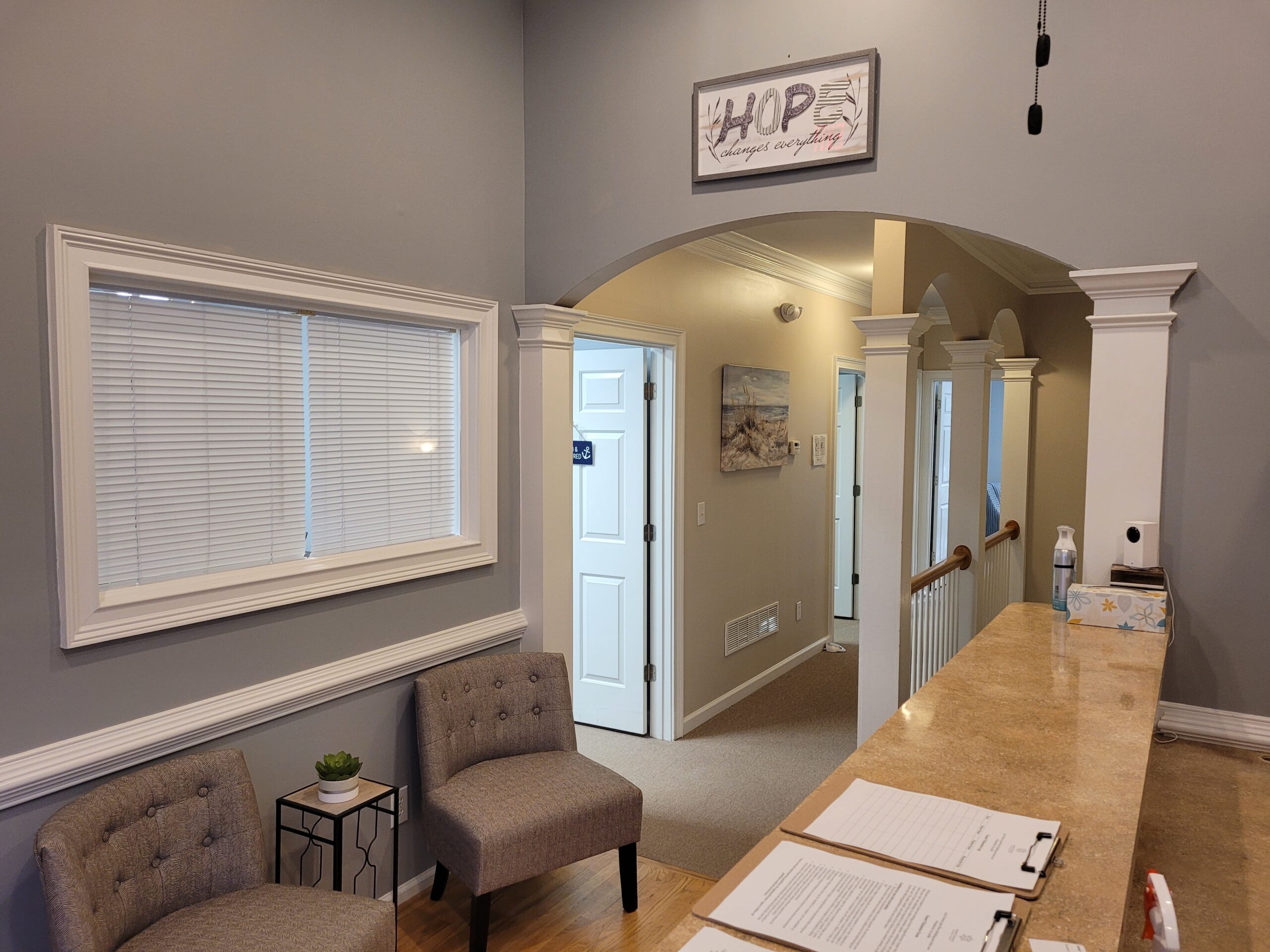
Table of Contents

How Peer Support Contributes to Addiction Recovery

Peer support can reduce isolation and provide opportunities to learn from people with similar experiences. Regular meetings give participants space to discuss challenges, recognize progress, practice accountability, and build connections outside formal addiction treatment.

Research on Alcoholics Anonymous and twelve-step facilitation suggests that these approaches can support abstinence for some people with alcohol use disorder. However, individual outcomes vary, and participation does not replace medical care, psychotherapy, or mental health treatment when those services are needed.

Twelve-Step Participation and Clinical Care

A 12-step program can complement outpatient treatment by providing community support between therapy sessions. Professional counseling focuses on clinical needs such as substance use patterns, mental health symptoms, emotional regulation, and relapse prevention, while mutual-aid meetings provide ongoing peer connection and shared experience.

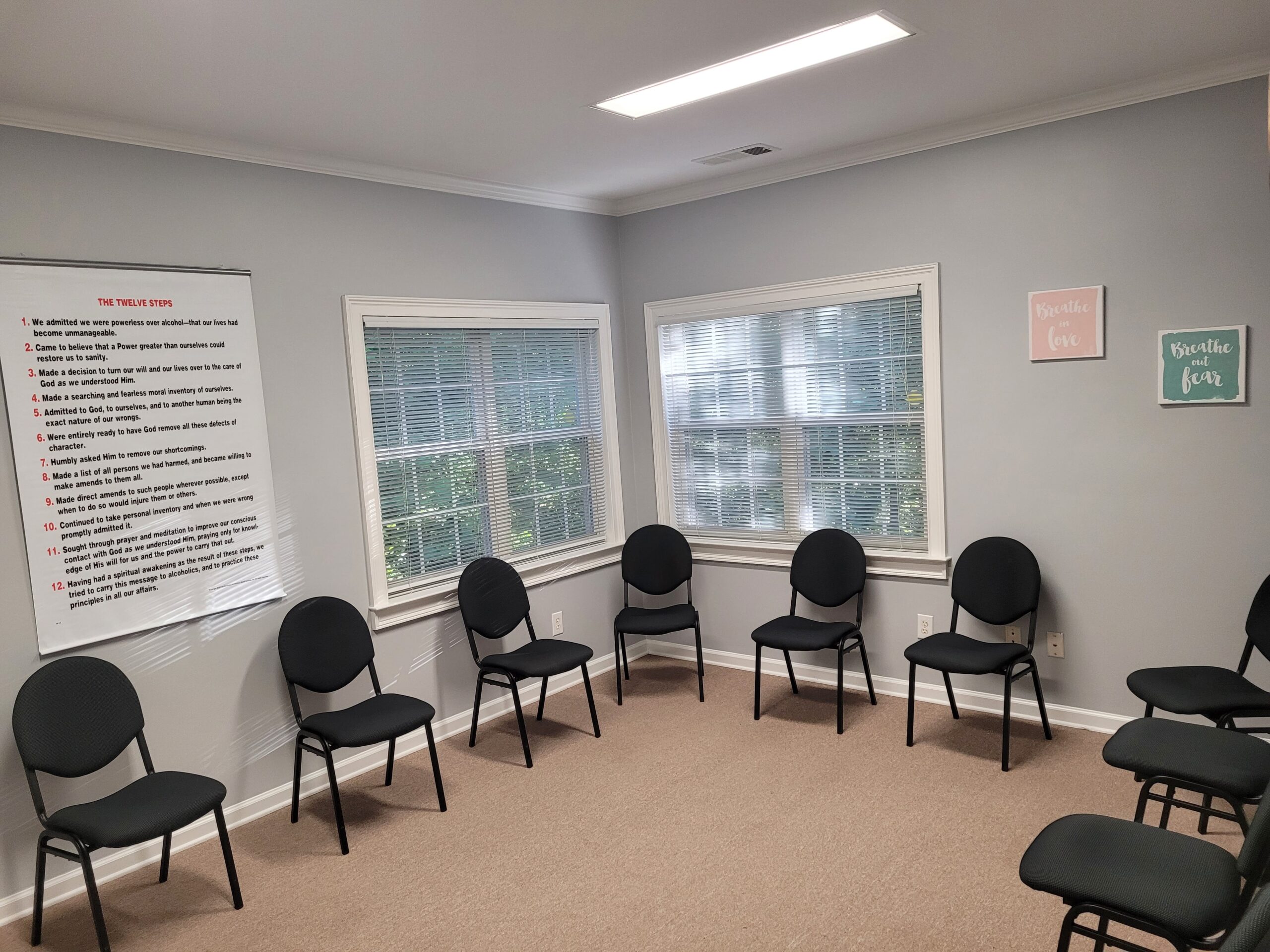
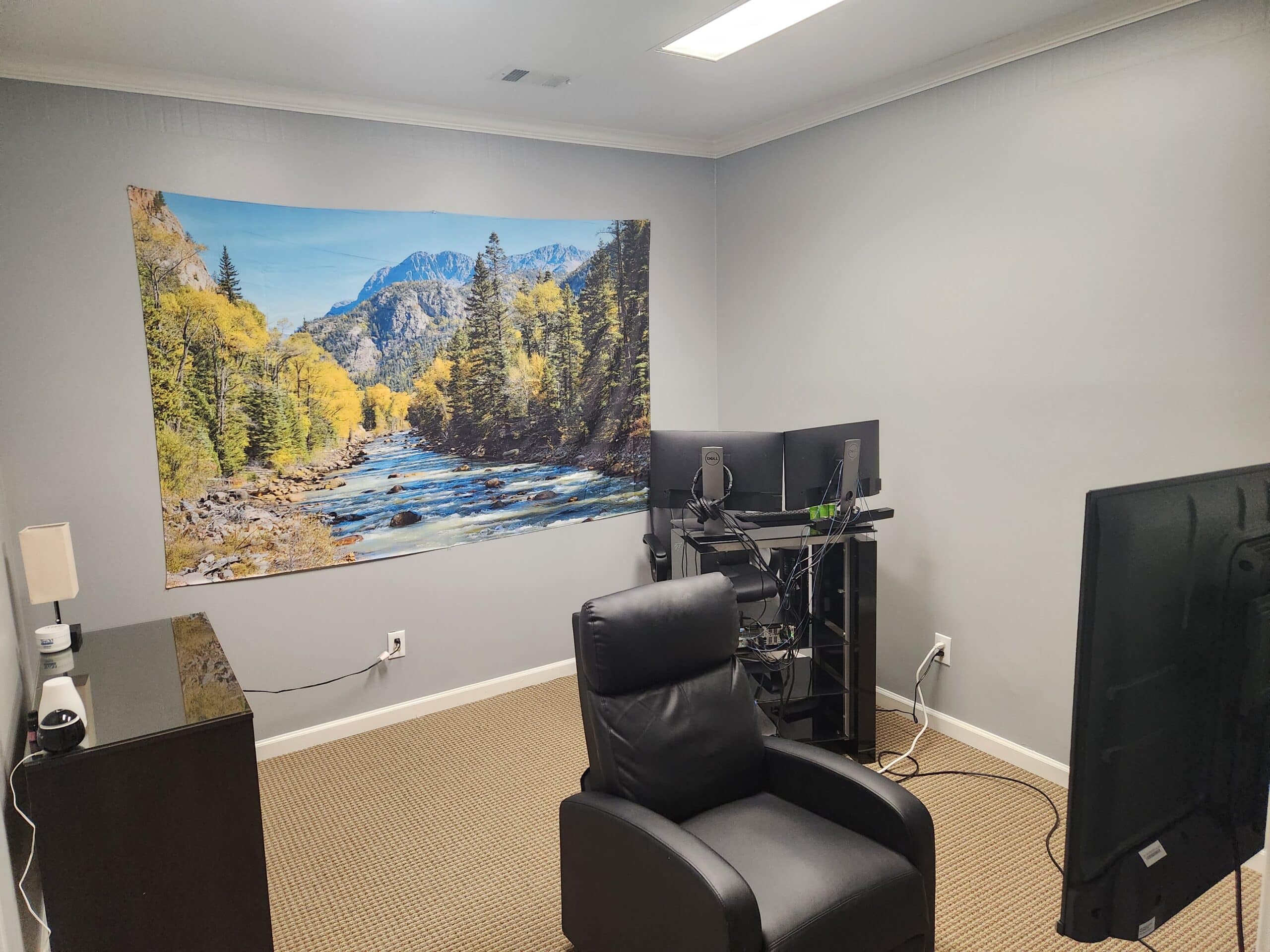
Check Out Our Facility in Atlanta, GA

Discover why our programs are top rated today. Talk with our admissions team about the right treatment plan to bring lasting recovery.

Core Principles of the Twelve Steps

The twelve steps provide a structured process for addiction recovery, emphasizing honesty, acceptance, accountability, making amends, and continued personal growth. The original wording references God and a higher power, though participants interpret these spiritual concepts differently.

The Twelve Steps Explained

  • Step 1. Acceptance: Acknowledge powerlessness over alcohol and recognize how substance use has made life unmanageable.
  • Step 2. Hope: Consider that a power greater than yourself could help restore stability and perspective.
  • Step 3. Commitment: Decide to trust a higher power as you personally understand it.
  • Step 4. Self-Reflection: Complete a searching and fearless moral inventory of personal behaviors, experiences, and relationships.
  • Step 5. Honesty: Acknowledge the exact nature of past wrongs to oneself, a higher power, and another human being.
  • Step 6. Readiness: Become willing to address harmful character patterns and behaviors.
  • Step 7. Humility: Seek help in changing personal shortcomings.
  • Step 8. Accountability: Identify those you have harmed and become willing to make amends.
  • Step 9. Making Amends: Make direct amends wherever possible, except when doing so would injure others or create further harm.
  • Step 10. Continued Inventory: Continue personal inventory and promptly acknowledge mistakes.
  • Step 11. Spiritual Practice: Use prayer or meditation to strengthen conscious contact with God as personally understood.
  • Step 12. Service: Share recovery experiences with others and practice these principles in all aspects of daily life.

The steps are not a substitute for professional treatment, and participants may approach them at different speeds. The emphasis is on continued self-reflection, personal responsibility, and applying recovery principles in real-life situations.

Getting Started With a 12-Step Program

Starting a 12-step program doesn’t require prior experience with recovery meetings. New members can attend, listen, ask questions, and decide whether the approach feels helpful. Meetings and sponsorship are generally separate from formal clinical treatment.

How to Begin Participating

  • Find a meeting: Explore local or online Alcoholics Anonymous or Narcotics Anonymous meetings that match your recovery needs.
  • Listen and participate: Learn how other members approach substance use, accountability, and daily recovery.
  • Consider sponsorship: An experienced member may offer guidance through the steps and share practical experience.
  • Work at your own pace: Personal inventory, making amends, and spiritual reflection can take time and should be approached thoughtfully.

A sponsor can offer encouragement, but does not replace a licensed therapist, medical professional, or psychiatric provider. People managing trauma or co-occurring mental health conditions may need additional clinical support while navigating emotionally difficult parts of the process.

Twelve-Step Programs and Other Recovery Support Groups

Alcoholics Anonymous helped establish the twelve-step model, which has since been adapted by other peer-led fellowships. Different groups address alcohol addiction, drug addiction, behavioral concerns, or the experiences of loved ones.

Recovery Group Primary Focus General Approach
Alcoholics Anonymous (AA) Alcohol addiction Twelve-step recovery and peer support
Narcotics Anonymous (NA) Drug addiction Twelve-step recovery for substance use
Al-Anon Family members and loved ones Mutual support for people affected by another person’s drinking
Gamblers Anonymous (GA) Gambling-related problems Twelve-step peer recovery
Co-Dependents Anonymous (CoDA) Relationship and codependency concerns Twelve-step reflection and peer support

These groups operate independently from professional addiction treatment centers. Participation can complement counseling, but meetings do not provide medical supervision or psychiatric treatment.

Request A Confidential Call

Help is Here When You're Ready

If you or someone you love is struggling with substance use or other mental health issues, Inner Voyage Recovery can help. Request a callback below to receive care and support you can trust.

"*" indicates required fields

Spiritual Growth and the Role of a Higher Power

Spiritual growth is central to the traditional twelve steps. Concepts such as a higher power, spiritual awakening, surrender, and conscious contact with God reflect the program’s original language and philosophy.

Participants interpret these ideas differently. Some understand a higher power through religious faith, while others find meaning in community, shared principles, or something greater than themselves. The spiritual emphasis may help some people and make others uncomfortable.

Non-Religious Treatment Options

A 12-step program is not the only pathway to addiction recovery. SMART Recovery and other secular self-help groups emphasize practical coping skills, self-management, and personal choice without requiring belief in a higher power.

The appropriate recovery approach should reflect a person’s values, clinical needs, and willingness to participate. Professional addiction treatment can also incorporate evidence-based therapies independently of any spiritual framework.

What Happens During a 12-Step Meeting?

A 12-step meeting is typically a peer-led gathering where people discuss addiction recovery, personal experiences, and principles from the twelve steps. Many meetings last about an hour, though length, structure, and participation expectations vary.

Some meetings feature a speaker sharing their recovery story, while others focus on group discussion or readings from program literature. New members may be invited to introduce themselves, but participation requirements vary by group.

Group Support and Anonymity

Twelve-step fellowships emphasize anonymity and respect for personal privacy. Members are encouraged to protect one another’s identities, although peer-led meetings cannot provide the same legal confidentiality protections as professional healthcare settings.

Both online and in-person meetings can offer community support. Individuals may explore different formats to find a supportive environment where they feel comfortable discussing their experiences.

Sponsorship, Accountability, and Daily Recovery

Sponsorship is a common feature of twelve-step recovery. A sponsor is generally a more experienced member who shares personal experience, explains program principles, and offers encouragement as someone works through the steps.

Regular meetings and sponsorship can help people practice accountability, recognize changes in their thinking, and stay connected to others in recovery. These relationships may also provide encouragement when cravings, stress, or difficult emotions arise.

Sponsors are not clinical providers. When someone experiences significant mental health symptoms, withdrawal concerns, or other medical needs, professional evaluation and treatment remain important.

Experience the Inner Voyage Difference

How can our Atlanta Detox program help you?

New Skills

Learn to manage stress with mindfulness, breathing, exercise, and more.

Stability

Get help building a routine that works for your life and recovery.

Caring Staff

Our alumni love us, and you will too. We have 67 five-star reviews (and growing).

Insurance Acceptedโ€จ

We accept major insurance carriers. And if youโ€™re inclined, we have self-pay and other options. Just ask our admissions staff!

Veteran Support

Youโ€™ll benefit from our staffโ€™s specialized trainings and support for veterans. We understand what youโ€™ve experienced, and can help you process it for good and leave it in the past.

Combining the 12 Steps With Clinical Addiction Treatment

A 12-step program can provide peer support, while professional addiction treatment addresses clinical needs through assessment, counseling, psychiatric care when appropriate, and individualized recovery planning.

Twelve-step facilitation is a structured counseling approach that helps clients understand and engage with twelve-step fellowships. It is different from attending an Alcoholics Anonymous or Narcotics Anonymous meeting because it is delivered through professional treatment.

The National Institute on Alcohol Abuse and Alcoholism describes twelve-step facilitation as an evidence-based intervention that can be used alongside other treatment approaches.

What Research Says About Twelve-Step Recovery

Research supports Alcoholics Anonymous and professionally delivered twelve-step facilitation as useful approaches for some adults with alcohol use disorder. A systematic review found that structured AA and twelve-step facilitation interventions can improve continuous abstinence compared with certain established treatments.

These findings do not mean every person will benefit equally or that twelve-step participation replaces other interventions. Treatment decisions should reflect substance use severity, mental health conditions, personal preferences, and the need for medical or psychiatric care.

Dual Diagnosis and Co-Occurring Mental Health Conditions

Substance use disorders can occur alongside depression, anxiety disorders, bipolar disorder, trauma-related symptoms, and other mental health conditions. These concerns may affect emotional regulation, relationships, participation in treatment, and daily stress management.

A 12-step program may provide valuable peer connection, but it does not diagnose or treat co-occurring mental health disorders. Someone experiencing significant depression, trauma-related distress, or other psychiatric symptoms may need coordinated clinical care in addition to mutual-aid support.

Integrating Addiction and Mental Health Treatment

At Inner Voyage, our outpatient dual-diagnosis approach addresses qualifying substance use and mental health conditions through individualized treatment planning. Depending on clinical needs, treatment may include individual counseling, group therapy, psychiatric support, medication management, and relapse-prevention strategies.

Peer recovery support can complement this care when it aligns with the client’s preferences and treatment goals. The emphasis remains on addressing both addiction and mental health without requiring every client to follow the same recovery philosophy.

Your Path to Recovery Made Simple

How to Begin Your Recovery Journey

We know beginning treatment can feel intimidating, so weโ€™ve made the process simple and stress-free.

1

Get in touch
with us

Call or complete our contact form to connect with an admissions specialist who takes the time to listen and understand your situation.

2

Complete an assessment
& insurance review

Our team will review your history, discuss your needs, and confirm insurance coverage or explore self-pay options to make things easy.
3

Start your
treatment

Begin a personalized program built around your goals, supported by evidence-based care and a compassionate clinical team.

12-Step Programs and Outpatient Addiction Treatment in Georgia

Adults seeking addiction treatment in Georgia may benefit from combining professional outpatient care with community-based recovery support. The right combination depends on clinical needs, personal preferences, and the structure that helps someone stay engaged in recovery.

Inner Voyage Recovery Center provides outpatient addiction treatment in Woodstock for qualifying adults from Atlanta and surrounding Georgia communities. Our partial hospitalization program Atlanta provides highly structured daytime care, while Atlanta IOP offers regular therapy with greater flexibility.

Our evening intensive outpatient program may accommodate daytime responsibilities, and outpatient rehab Atlanta can provide continued clinical support as treatment needs change.

How Peer Support Fits Into Outpatient Recovery

Clients may choose to participate in twelve-step meetings or other recovery groups alongside outpatient care. These activities can offer additional accountability and community connection while professional treatment focuses on substance use, mental health, coping skills, and relapse prevention.

The Best Atlanta PHP

How can our Atlanta PHP program help you?

Depth

The best way to achieve lasting recovery is deep healing. We guide you to what needs to be healed, and help you through it.

Support

Weโ€™re your partner and guide, every step of the way. With that level of support, recovery is more likely.

Strength

There is strength in your journey. Youโ€™ve gotten this far. Now letโ€™s take it all the way. We rely on your strengths as much as ours.

Accountability

Call it accountability, โ€œtough love,โ€ or whatever you like: We hold you to a higher standard. We see your potential and help you realize it.

Aftercare

No recovery is complete without aftercare planning and support. Our Alumni program helps you stick to sobriety for good.

Flexibility

Join our PHP and get support that fits your schedule. We specialize in helping busy adults get the support they need.

When Higher Levels of Care Are Required

When higher levels of care are required because of significant withdrawal symptoms, medical instability, acute psychiatric concerns, or the need for continuous supervision, those needs should be addressed before outpatient addiction treatment begins.

These higher levels of care are separate from Inner Voyage’s outpatient programs. Once a person is medically and clinically appropriate for outpatient treatment, care can focus on substance use, co-occurring mental health conditions, coping skills, and continued recovery support.

A 12-step program or other peer-led support group should never be used as a substitute for necessary medical stabilization or professional mental health treatment.

Continued Support for Long-Term Addiction Recovery

Recovery often involves ongoing adjustments to relationships, daily routines, stress management, and personal goals. Regular peer support meetings may help some individuals stay connected to a recovery community after more structured treatment ends.

An alumni program for addiction can provide opportunities for continued connection following outpatient treatment. Other ongoing supports may include individual counseling, family involvement, relapse-prevention planning, and community-based recovery activities.

There is no single formula for long-term recovery. The goal is to build a support system that reflects the person’s needs, values, and changing circumstances.

Find A New Way Forward with Inner Voyage Recovery Center

Frequently asked questions

A 12-step program helps individuals overcome addiction through accountability, self-reflection, and peer support. Step 1 begins with acknowledging being powerless over alcohol and recognizing that their lives have become unmanageable. Step 2 encourages members to believe that a power greater than themselves could restore them to sanity. These principles provide a framework for addressing substance use and developing healthier behaviors.

The twelve steps encourage individuals to take personal inventory and acknowledge the exact nature of their wrongs. Members identify harmful patterns, prepare to have God remove these defects of character, and humbly ask for help changing. They also identify persons they have harmed and make direct amends wherever possible, except when doing so would injure them or others.

Yes. Although traditional steps reference surrendering to God as personally understood, members interpret spirituality differently. Step 11 encourages prayer and meditation to improve conscious contact with God as understood, praying only for knowledge and guidance. Non-religious individuals may interpret a higher power through community or shared values, while secular self-help groups offer alternatives without spiritual requirements.

Yes. Dual Recovery Anonymous offers peer support for individuals managing substance use disorders alongside mental health conditions. However, mutual-aid groups do not replace professional dual-diagnosis treatment. At Inner Voyage, our outpatient programs address qualifying co-occurring conditions through individualized therapy, psychiatric support when appropriate, and relapse prevention. When higher levels of care are required, including medical stabilization or residential rehab, address those needs before outpatient treatment.

Steps 10 through 12 emphasize accountability, spiritual growth, and helping others. Members are encouraged to keep taking personal inventory and, when they are wrong, promptly admit it. Step 12 focuses on sharing recovery experiences with other alcoholics and practicing these principles in all our affairs. Regular meetings, continued self-reflection, and professional treatment when needed can support lasting recovery.

Inner Voyage Recovery Centerโ€™s Top Values

Every treatment will be uniquely tailored to you, because youโ€™re unique.

Sober Living

Our team is 100% sober, including from Alcohol. We help our clients achieve sobriety and stick to it through thick and thin, because sobriety is the foundation of a fulfilling life.

Integrity

Our team is 100% sober, including from Alcohol. We help our clients achieve sobriety and stick to it through thick and thin, because sobriety is the foundation of a fulfilling life.

Everyone Belongs

Our team is 100% sober, including from Alcohol. We help our clients achieve sobriety and stick to it through thick and thin, because sobriety is the foundation of a fulfilling life.

Limitless Potential

Our team is 100% sober, including from Alcohol. We help our clients achieve sobriety and stick to it through thick and thin, because sobriety is the foundation of a fulfilling life.

Reviews

Hear from those who’ve walked this path

Explore Your Addiction Recovery Options With Inner Voyage

A 12-step program can offer structure, accountability, personal reflection, and meaningful peer relationships. For people managing substance use alongside mental health concerns, professional treatment can provide additional clinical support that mutual-aid meetings are not designed to replace.

At Inner Voyage Recovery Center, we provide individualized outpatient addiction and dual-diagnosis treatment for qualifying adults across the Atlanta area. Contact us by calling (470) 460-8437 to speak with our admissions team about available treatment options and how to begin.

If youโ€™re looking for more information, connect with our team by phone, email, or through our online form. Weโ€™re here to answer your questions, talk through your options, and support you as you begin your path toward lasting recovery.

Sources

National Institute on Alcohol Abuse and Alcoholism. Project MATCH Monograph Series. National Institutes of Health.

Kelly, J. F., Humphreys, K., & Ferri, M. (2020). Alcoholics Anonymous (AA) and Other 12-Step Programs for Alcohol Use Disorder. Cochrane Database of Systematic Reviews.

Substance Abuse and Mental Health Services Administration. (2020). Substance Use Disorder Treatment for People With Co-Occurring Disorders. Treatment Improvement Protocol Series, No. 42.

National Institute on Alcohol Abuse and Alcoholism. Recommend Evidence-Based Treatment: Know the Options. National Institutes of Health.

National Institute on Drug Abuse. Treatment and Recovery. National Institutes of Health.

Free & Easy Insurance Check

Alliant logo featuring a small black triangle followed by "Alliant" in bold black italic text.

Request a Confidential Call

"*" indicates required fields

This field is for validation purposes and should be left unchanged.
Preferred Method*
Get Treatment For All Your Healthcare Needs

Other Therapeutic Services

Request A Confidential Call

Request a call and an Inner Voyage Recovery Center team member will be in touch.

"*" indicates required fields