Request a call to speak with an admissions specialist. We are here to help you.

"*" indicates required fields

Alcohol and Drug Rehab Suwanee GA

Finding addiction treatment options in Suwanee can mean comparing local services with outpatient programs elsewhere in Metro Atlanta and across Georgia. The right treatment depends on more than distance. Substance use severity, withdrawal risk, mental health concerns, previous treatment, family support, work responsibilities, and the amount of clinical structure needed can all affect where someone begins. At Inner Voyage Recovery Center, we provide individualized outpatient addiction and dual-diagnosis treatment for qualifying adults.
Free Insurance Check
Free & Confidential | HIPAA Compliant | No Obligation

"*" indicates required fields

1
2
3
4
This field is for validation purposes and should be left unchanged.
Downtown Suwanee GA with town square, fountain, and greenery.

Addiction Treatment Near Suwanee, GA

People comparing local services with a broader alcohol and drug rehab Atlanta option should begin by looking at clinical fit rather than location alone. Addiction treatment can involve medical stabilization, residential treatment, partial hospitalization, intensive outpatient care, standard outpatient treatment, therapy, medication management, relapse prevention, and continuing support depending on individual needs.

Inner Voyage focuses on outpatient care. A clinical assessment can consider substance use, withdrawal history, mental health, previous treatment, support systems, family responsibilities, and the stability of the home environment before determining whether outpatient treatment is appropriate.

Table of Contents

Mental Health Conditions and Dual Diagnosis

Drug and alcohol addiction can occur alongside depression, anxiety, trauma-related symptoms, bipolar disorder, ADHD, or other mental health conditions. In some cases, substance use becomes a way of coping with emotional distress. In others, alcohol or drug use can worsen existing mental health challenges.

Dual diagnosis treatment centers Georgia can coordinate qualifying mental health and substance use treatment within the same outpatient plan. Personalized treatment may include therapy, medication management when appropriate, coping-skills development, relapse prevention, and other evidence-based treatment practices based on the clientโ€™s needs. The Substance Abuse and Mental Health Services Administration provides additional information about co-occurring mental health and substance use disorders.

When Men and Women in Suwanee Start Questioning Their Relationship With Alcohol or Drugs

The turning point is rarely dramatic. More often it is noticing that two drinks became six, that the pills prescribed after a surgery are now something you plan your day around, or that alcohol stopped producing relief and started producing dread. Physical dependence builds quietly, and by the time you notice it, stopping on your own feels unmanageable.

Feeling conflicted about calling is normal, and many people spend a year deciding. One honest conversation with a clinician can break the stalemate and tell you what level of care your situation needs. That conversation is shorter than most people expect.

Nothing has to fall apart first. Plenty of our clients arrive still employed, still housed, and still holding their family together, which usually makes treatment easier, not less necessary.

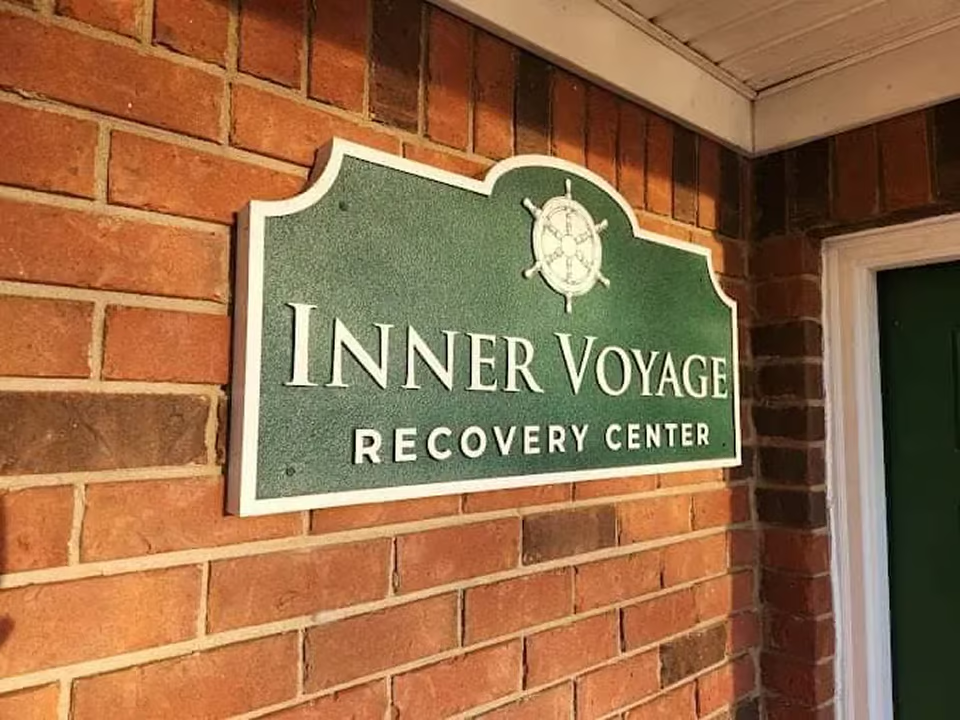
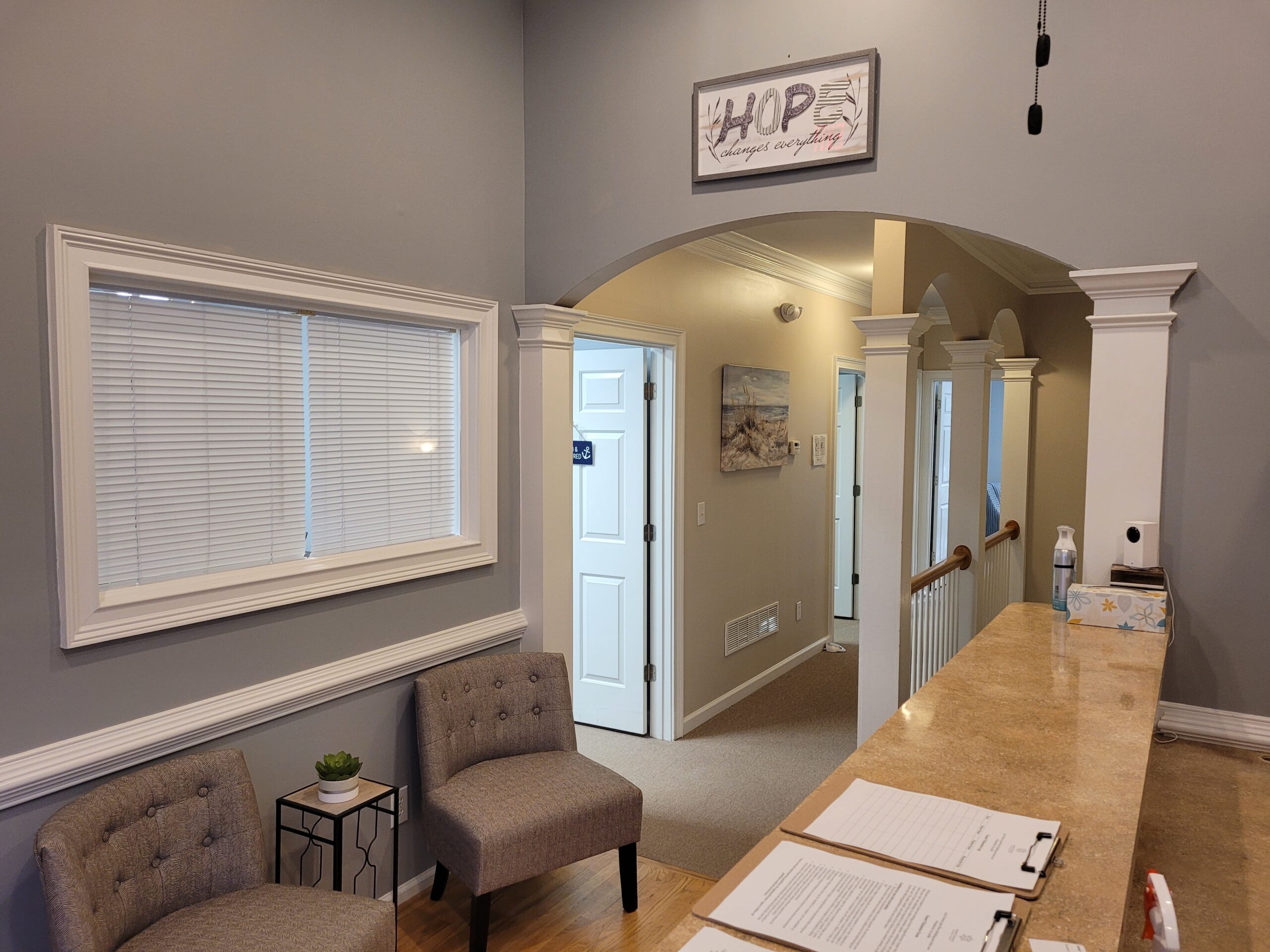
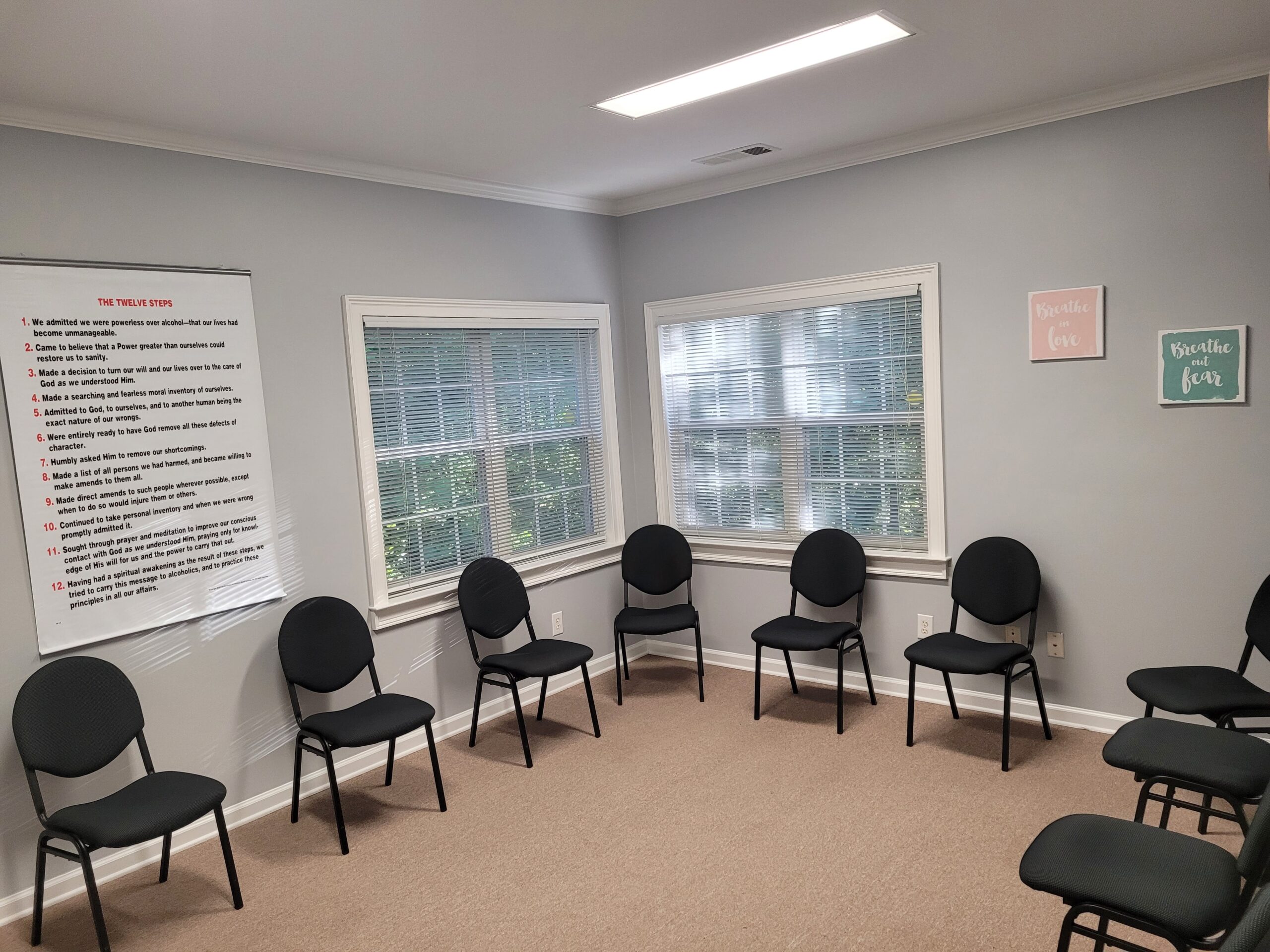
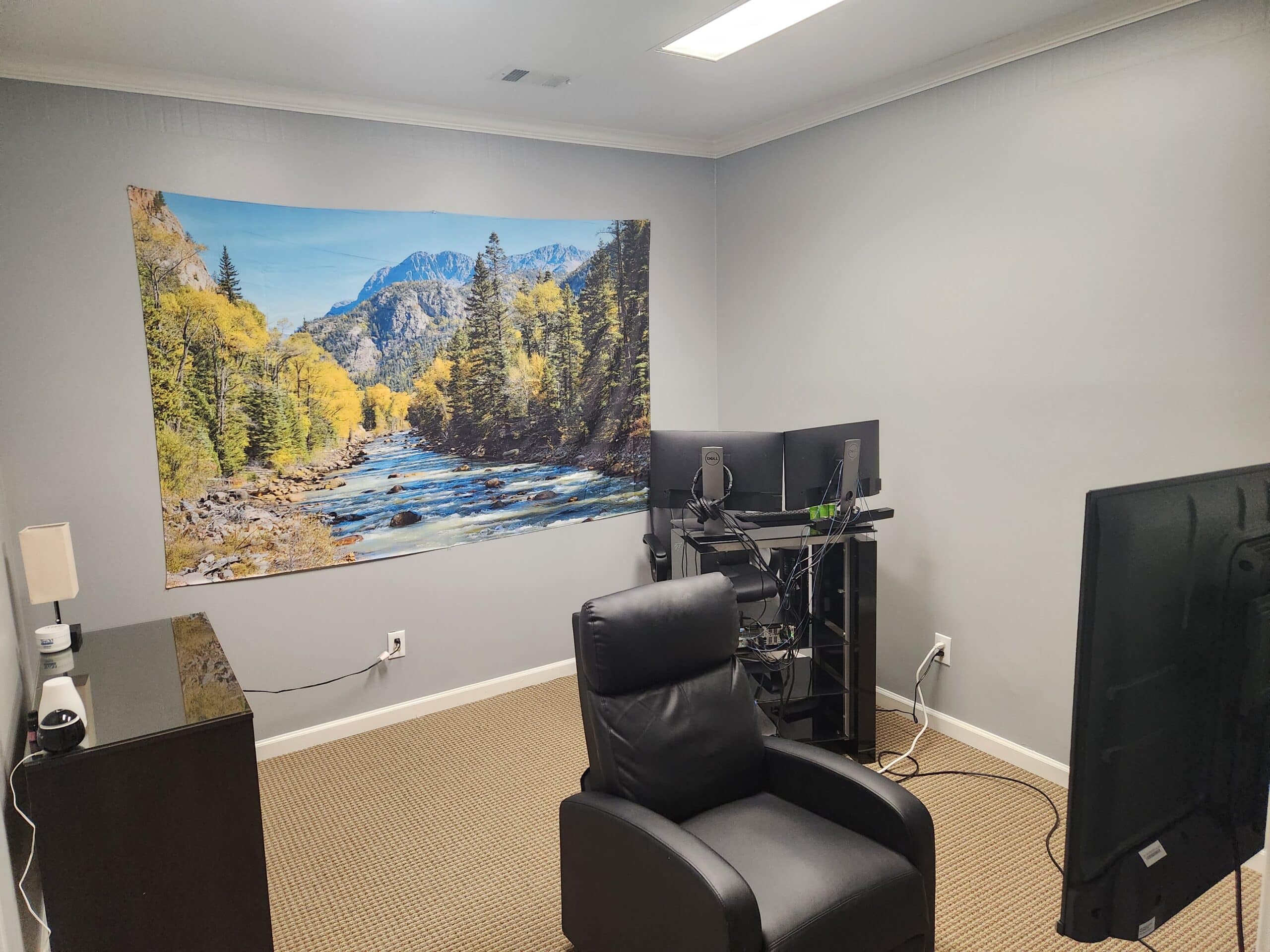
Check Out Our Facility in Atlanta, GA

Discover why our programs are top rated today. Talk with our admissions team about the right treatment plan to bring lasting recovery.

Addiction Treatment Programs and Levels of Care

Treatment programs exist across multiple levels of care. The appropriate starting point depends on withdrawal risk, substance use severity, physical and mental health, previous treatment, support at home, and whether the person can safely participate in outpatient care.

The table below shows the general role of common treatment options. Inner Voyage provides outpatient levels of care only.

Level of Care General Setting Role in Treatment
Medical detox Medically supervised setting Supports withdrawal management and stabilization
Residential or inpatient treatment Live-in setting with 24-hour support Provides continuous structure when outpatient treatment is not appropriate
Partial hospitalization Highly structured daytime outpatient care Provides intensive support without an overnight stay
Intensive outpatient program Structured outpatient care several times each week Balances treatment with more everyday responsibilities
Standard outpatient Lower-frequency outpatient care Supports continued therapy, coping skills, and relapse prevention
Continuing care Community and outpatient support Reinforces recovery skills, peer support, and long-term recovery

Treatment plans should be personalized rather than based on a fixed sequence. Some people may begin with a higher level of care, while others can safely begin in outpatient treatment.

When Higher Levels of Care Are Required

When higher levels of care are required because someone needs medical stabilization, supervised withdrawal management, continuous monitoring, or another more intensive setting, those needs should be addressed before outpatient treatment begins.

Detox, inpatient treatment, and residential treatment are separate from Inner Voyageโ€™s outpatient services. Once someone is clinically appropriate for outpatient care, the recovery process can continue through therapy, dual-diagnosis support, medication management when appropriate, relapse prevention, and other structured support.

Evidence-Based Therapies and Personalized Care

A personalized treatment plan can draw from different approaches depending on substance use, mental health concerns, relationships, coping patterns, and recovery goals. Treatment may also include medication management when clinically appropriate.

  • Individual therapy: Individual therapy Atlanta can provide one-on-one space to explore triggers, emotional well-being, coping mechanisms, and personal goals.
  • Group therapy: Group therapy Atlanta can support peer connection, recovery skills, accountability, and a supportive community.
  • Cognitive behavioral therapy: CBT Atlanta can help clients examine thought and behavior patterns associated with substance use.
  • Dialectical behavior therapy: DBT therapy Atlanta can support emotional regulation, mindfulness, and distress tolerance.
  • Trauma-focused care: EMDR therapy Atlanta and trauma therapy Atlanta may be incorporated when trauma-related symptoms are part of the clinical picture.
  • Family support: Family therapy Atlanta may help loved ones improve communication and build a healthier support system when family involvement is clinically appropriate.

Holistic treatments can complement evidence-based therapies by supporting healthy routines, mindfulness, self-awareness, physical well-being, and other parts of the healing process.

Partial Hospitalization Program (PHP)

Partial hospitalization is the most intensive level of outpatient care, running five days a week for four to six hours a day. You do the deep clinical work during the day and go home to your own bed at night, which means you practice new skills in the environment you actually live in.

That immediate practice is the point. PHP days combine individual sessions, group work, psychiatric follow-up, and trauma-focused care, paced carefully so the work does not overwhelm you in the first weeks. You can review our partial hospitalization program in Atlanta before you commit to a start date.

Intensive Outpatient Program (IOP)

IOP keeps most of the clinical intensity while returning your daytime hours, typically three to five days a week for about three hours a day. It is the most common outpatient alcohol rehab Suwanee professionals choose, because it fits around a job and a family calendar.

Stepping down from PHP into IOP is the standard path, though some people start here based on their assessment. Our Atlanta IOP keeps therapeutic contact frequent enough to catch a slide before it turns into a relapse, which matters most in the first 90 days.

Evening Intensive Outpatient Program

Evening groups exist for people who cannot leave work midday. The clinical content matches the daytime IOP, only scheduled after hours so you are not choosing between your income and your recovery. For a Suwanee commuter, that scheduling is often the difference between finishing a program and dropping out in week three.

Our evening intensive outpatient program also works well for parents coordinating childcare and for professionals who are not ready to disclose treatment to an employer.

Standard Outpatient Care

Standard outpatient care is one to two sessions a week, aimed at long-term maintenance once you are stable. Most people spend the back half of a 90-day continuum here, and it keeps a clinical relationship in place while your life fills back in around it.

Some people also use this level as a first step, particularly when a job or a custody arrangement makes anything heavier impossible right now. Starting somewhere beats waiting, and you can increase the level of care if your assessment or symptoms change.

Request A Confidential Call

Help is Here When You're Ready

If you or someone you love is struggling with substance use or other mental health issues, Inner Voyage Recovery can help. Request a callback below to receive care and support you can trust.

"*" indicates required fields

Medication-Assisted Treatment and Recovery

Medication-assisted treatment may be appropriate for certain opioid or alcohol use disorders. MAT combines medication with behavioral therapy and other clinical support and may help manage cravings or support treatment engagement when clinically appropriate.

Medication-assisted treatment Atlanta can be considered as part of a broader outpatient treatment plan based on diagnosis, medical history, current substance use, and individual treatment goals. Qualified medical professionals should make medication decisions.

How the Admissions Process Works

The first step is a confidential conversation with the admissions team. They can learn about substance use, mental health concerns, previous treatment, insurance coverage, work and family responsibilities, and other factors that may affect treatment.

An appropriate clinical assessment can then help determine whether outpatient treatment is suitable and which level of care to consider. If Inner Voyage is a fit, the team can explain the next steps, scheduling, insurance information, and what to expect when treatment begins.

Your Path to Recovery Made Simple

How to Begin Your Recovery Journey

We know beginning treatment can feel intimidating, so weโ€™ve made the process simple and stress-free.

1

Get in touch
with us

Call or complete our contact form to connect with an admissions specialist who takes the time to listen and understand your situation.

2

Complete an assessment
& insurance review

Our team will review your history, discuss your needs, and confirm insurance coverage or explore self-pay options to make things easy.
3

Start your
treatment

Begin a personalized program built around your goals, supported by evidence-based care and a compassionate clinical team.

Insurance Coverage for Addiction Treatment

Many private insurance plans include benefits for mental health and substance abuse treatment, but coverage varies by plan, network status, medical necessity, deductibles, copays, and authorization requirements.

Inner Voyageโ€™s admissions team can review available insurance information and help explain how benefits may apply to outpatient treatment. Clients can also verify insurance benefits before beginning care to better understand coverage and expected financial responsibility.

Can My Loved Ones Be Involved in My Recovery Journey?

Yes, and we build it into the plan. Addiction reshapes an entire household, and the patterns that formed around your use do not dissolve the moment you get sober. Family therapy in Atlanta gives everyone a structured place to talk about what happened and rebuild trust on a realistic timeline.

Structured family involvement reduces substance use frequency and improves long-term sobriety outcomes, which is why we encourage it whenever it is clinically appropriate. It is not appropriate in every case, and we will tell you plainly if family sessions would do more harm than good right now.

The Best Atlanta PHP

How can our Atlanta PHP program help you?

Depth

The best way to achieve lasting recovery is deep healing. We guide you to what needs to be healed, and help you through it.

Support

Weโ€™re your partner and guide, every step of the way. With that level of support, recovery is more likely.

Strength

There is strength in your journey. Youโ€™ve gotten this far. Now letโ€™s take it all the way. We rely on your strengths as much as ours.

Accountability

Call it accountability, โ€œtough love,โ€ or whatever you like: We hold you to a higher standard. We see your potential and help you realize it.

Aftercare

No recovery is complete without aftercare planning and support. Our Alumni program helps you stick to sobriety for good.

Flexibility

Join our PHP and get support that fits your schedule. We specialize in helping busy adults get the support they need.

Relapse Prevention and Lasting Recovery

Relapse prevention can be integrated throughout the recovery process rather than treated as something added only at the end. Clients can learn to recognize warning signs, identify high-risk situations, strengthen coping skills, and create a plan for responding when stress, cravings, or mental health symptoms increase.

Building a strong support network can also help people maintain sobriety over time. Peer support, family counseling, support groups, ongoing therapy, healthy routines, and regular check-ins can all become part of a long-term recovery plan based on individual needs.

Continuing Support After Structured Treatment

Recovery often continues after the most structured phase of treatment ends. Ongoing counseling, peer support, support groups, family involvement, and alumni connections can help clients continue practicing recovery skills as everyday responsibilities increase.

An alumni program for addiction can provide ongoing connection after formal outpatient treatment becomes less frequent. Continuing support can help clients stay connected to people, routines, and coping mechanisms that reinforce long-term recovery.

Find A New Way Forward with Inner Voyage Recovery Center

Frequently asked questions

When comparing addiction treatment Suwanee options, look at the level of care, experience treating a substance use disorder, support for co-occurring disorders, available therapy sessions, relapse prevention tools, insurance coverage, and how the clinical team approaches personalized treatment planning. Quality drug rehab centers should also explain whether they provide outpatient care or whether medical supervision, detox, or residential treatment would need to occur at another facility. The goal is to find compassionate support that matches the individual rather than forcing everyone into the same recovery program.

Drug and alcohol addiction can occur alongside depression, anxiety, trauma-related symptoms, bipolar disorder, or another mental health disorder. When both addiction and mental health concerns are present, integrated treatment can address them within one coordinated plan. Care may include individual therapy, group therapy, family therapy, medication management when appropriate, and coping skills that help individuals struggling with substance use build greater stability over time.

An alcohol rehab center may provide different levels of care depending on the facility. Residential treatment generally involves living in a structured environment with 24-hour support, while outpatient treatment allows clients to live outside the treatment setting and attend scheduled care. Intensive outpatient programs combine structured therapy with home living, making them an option for people who are clinically appropriate to attend treatment while continuing work, school, or family responsibilities. Inner Voyage provides outpatient care rather than inpatient or residential treatment.

Yes. Family therapy can improve communication, boundaries, and the support system around recovery, while group therapy gives clients opportunities to practice recovery skills and connect with peers. These services may be incorporated into drug and alcohol rehab when clinically appropriate. Peer support, relapse prevention tools, alumni involvement, and other continuing-care resources can also help clients stay connected after more structured treatment ends. Recovery residences may be another external support option for some people, depending on individual needs.

Many health plans include benefits for substance abuse and mental health treatment, but coverage varies significantly. Benefits under most major insurance plans depend on network status, medical necessity, deductibles, copays, authorization requirements, and the recommended level of care. Someone considering alcohol and drug rehab, drug rehab Atlanta options, or alcohol rehab Atlanta services should verify coverage before treatment begins. The admissions team can review available benefits and help clarify which outpatient rehab programs may fit the personโ€™s needs and insurance plan.

Reviews

Hear from those who’ve walked this path

Begin Your Recovery Journey With Inner Voyage

Finding the right addiction treatment center involves more than choosing the closest facility. The right plan should reflect substance use, mental health conditions, withdrawal risk, family support, daily responsibilities, insurance coverage, and the level of care needed to move forward safely. At Inner Voyage Recovery Center, we provide individualized outpatient addiction and dual-diagnosis treatment for qualifying adults from Suwanee, Atlanta, and communities across Georgia. Contact us by calling (470) 460-8437 to speak with our admissions team about your needs, insurance coverage, and available outpatient treatment programs.

If youโ€™re looking for more information, connect with our team by phone, email, or through our online form. Weโ€™re here to answer your questions, talk through your options, and support you as you begin your path toward lasting recovery.

Sources

SAMHSA. (n.d.). Substance Use and Mental Disorders in the Atlanta-Sandy Springs-Marietta MSA. SAMHSA.

Georgia Department of Public Health. (October 26, 2013). Health Data and Statistics. Georgia Department of Public Health.

DBHDD. (n.d.). Definitions. DBHDD.

OASIS. (n.d.). OASIS. Georgia Dept. of Public Health.

DBHDD. (October 15, 2019). Find DBHDD Services. Georgia Department of Behavioral Health and Developmental Disabilities.

SAMHSA. (July 9, 2026). Breaking Down Barriers to Treatment. SAMHSA.

ASPE. (n.d.). Georgia Summary — State Residential Treatment for Behavioral Health Conditions. ASPE.

NIDA. (n.d.). Principles of Drug Addiction: A Research-Based Guide (Third Edition). NIDA.

PMC. (March 27, 2014). The Continuing Care Model of Substance Use Treatment. PMC.

Free & Easy Insurance Check

Alliant logo featuring a small black triangle followed by "Alliant" in bold black italic text.

Recovery Starts Here

"*" indicates required fields

This field is for validation purposes and should be left unchanged.
Preferred Method*
Get Treatment For All Your Healthcare Needs

Other Areas We Serve

Request A Confidential Call

Request a call and an Inner Voyage Recovery Center team member will be in touch.

"*" indicates required fields