Intensive Outpatient Program and Other Outpatient Options
Inner Voyage provides several levels of outpatient treatment for clients who are clinically appropriate to live outside a 24-hour treatment setting. The level of care can change as symptoms, responsibilities, and recovery needs evolve.
Our partial hospitalization program Atlanta provides the most structured level of outpatient care. Atlanta IOP provides regular therapy and clinical support with greater flexibility, while the evening intensive outpatient program may be appropriate for clients with daytime commitments. Outpatient rehab Atlanta can provide lower-intensity ongoing care as needs change.
Comprehensive Assessment and Treatment Planning
Addiction treatment begins with a comprehensive clinical assessment. The treatment team may review substance use history, withdrawal symptoms, medical concerns, mental health symptoms, previous treatment, home environment, family support, and practical responsibilities.
That assessment helps determine whether outpatient treatment is appropriate and which level of care best matches current needs. The plan can be revised as the client makes progress or if new concerns emerge.
Dual Diagnosis and Mental Health Treatment
Substance use disorders can occur alongside anxiety disorders, depression, bipolar disorder, borderline personality disorder, schizoaffective disorder, schizophrenia, trauma-related symptoms, mood disorders, or other mental health conditions. When both addiction and mental illness are present, addressing only one side can leave important treatment needs unmet.
Our dual diagnosis treatment centers Georgia program addresses qualifying co-occurring disorders alongside substance use within a coordinated outpatient treatment plan. Dual diagnosis care may include symptom management, psychiatric support, evidence-based therapies, relapse prevention, and other services based on the client’s diagnosis and needs.
Mental Health Conditions and Symptom Management
Mental health symptoms can affect concentration, sleep, relationships, self-care practices, motivation, and the ability to manage stress without substances. For some clients, anxiety, depression, mood instability, psychotic symptoms, or trauma-related distress may also complicate the recovery process.
Treatment should be individualized around the specific diagnosis rather than assuming every client needs the same intervention. The goal is to support both symptom management and meaningful progress in daily functioning.
Evidence-Based Therapies in Dunwoody Rehab Care
Evidence-based treatment modalities can help clients develop coping skills, identify patterns connected to substance use, and strengthen emotional regulation and communication.
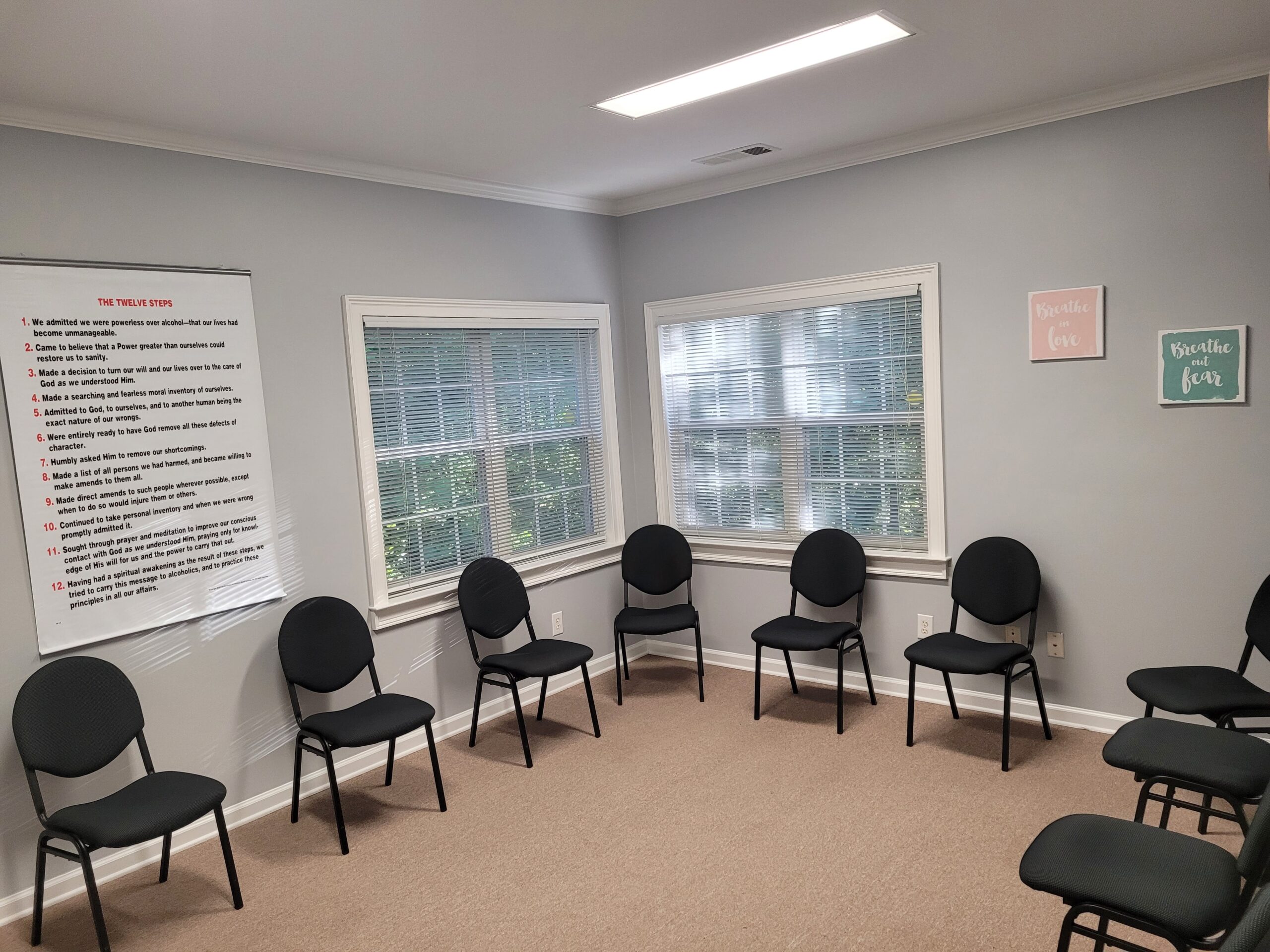
CBT Atlanta can help clients examine thoughts and behaviors that influence substance use. DBT therapy Atlanta can strengthen distress tolerance and emotional regulation. Group therapy Atlanta offers structured peer support, while individual therapy Atlanta provides one-on-one counseling around personal goals, symptoms, and recovery needs.