Request a call to speak with an admissions specialist. We are here to help you.

"*" indicates required fields

Methadone Rehab

Methadone can be an effective medication for opioid use disorder, but physical dependence, misuse, side effects, or changing recovery needs may lead some people to seek additional support. Methadone addiction treatment should distinguish between appropriate medication use and patterns that may indicate a substance use disorder while also addressing mental health, behavioral, and recovery needs. At Inner Voyage Recovery, our outpatient programs support clients who are medically stable and ready for structured care. Treatment may include individualized therapy, dual diagnosis support, medication management when clinically appropriate, and relapse-prevention planning. Decisions about continuing, adjusting, or tapering methadone should be made with qualified prescribing professionals and should not be treated as a required step in recovery.

Free Insurance Check

Free & Confidential | HIPAA Compliant | No Obligation

"*" indicates required fields

1
2
3
4
This field is for validation purposes and should be left unchanged.
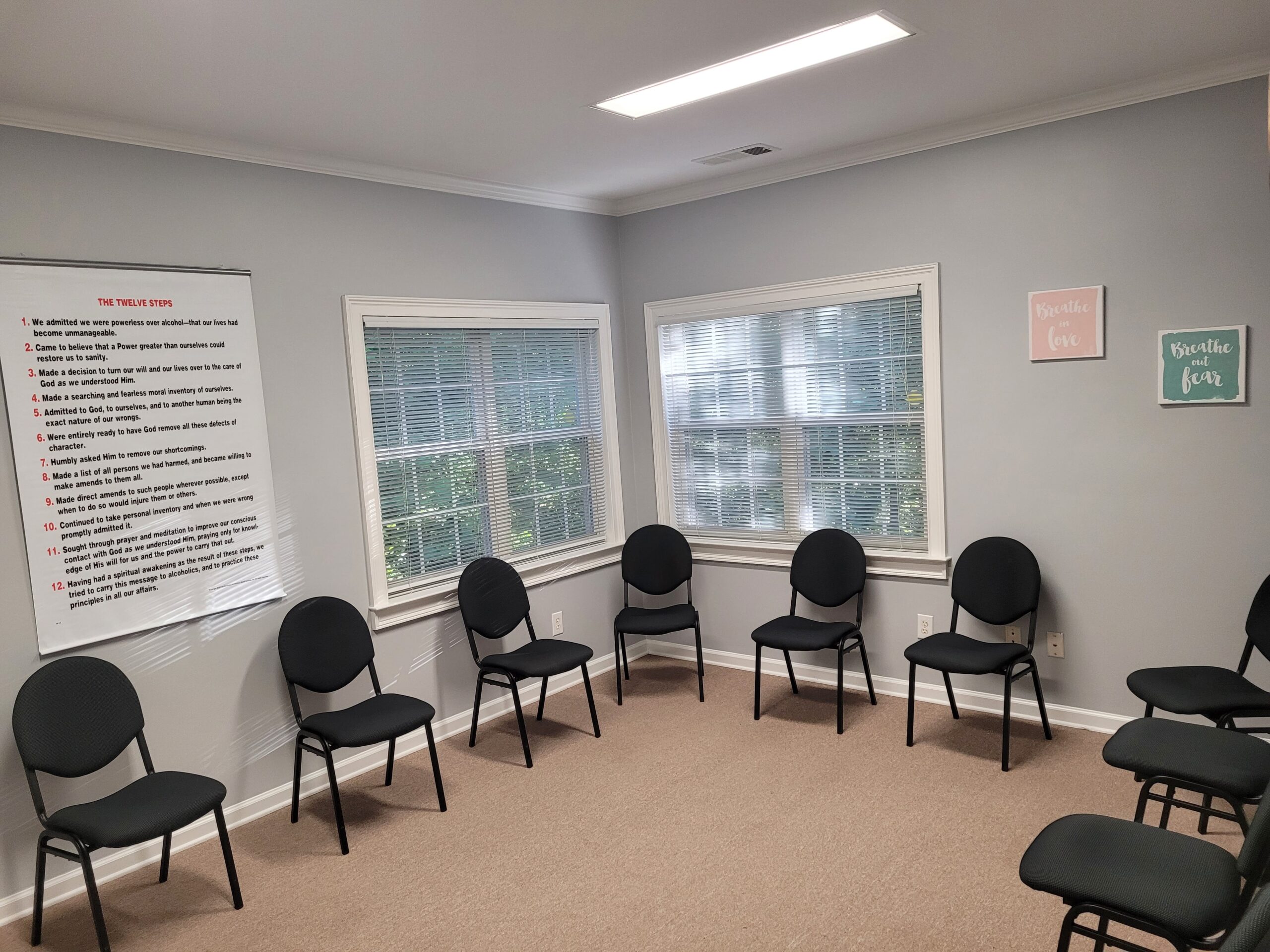
Group therapy session at Inner Voyage Recovery Center in Atlanta.

Understanding Methadone and Its Role in Addiction Treatment

Methadone is a long-acting opioid medication used as part of medication-assisted treatment Atlanta for opioid use disorder and, in some cases, for severe pain. When used as prescribed, methadone can reduce withdrawal symptoms and cravings for heroin, prescription opioids, and other opioids while helping people establish greater stability in daily life.

Methadone is also capable of producing physical dependence. That distinction matters. Becoming physically dependent on a prescribed medication does not automatically mean someone has developed an addiction or that their methadone treatment has failed.

Table of Contents

How Methadone Treatment Works

Methadone is a full opioid agonist that binds to mu-opioid receptors in the brain and central nervous system. These are many of the same receptors affected by heroin, fentanyl, and prescription painkillers.

Because methadone is long-acting, an appropriately prescribed dose can help maintain steadier opioid receptor activity rather than producing the rapid peaks and crashes associated with many shorter-acting opioids. This can help:

  • Reduce opioid withdrawal symptoms
  • Decrease cravings for other opioids
  • Support greater stability during addiction treatment
  • Reduce the drive to return to non-prescribed opioid use
  • Create more stability for counseling, therapy, work, family responsibilities, and other recovery activities

The National Center for Biotechnology Information describes methadone as a full mu-opioid receptor agonist used in the treatment of opioid use disorder and pain, and part of a treatment plan that also addresses behavioral health, coping skills, mental health conditions, and long-term recovery needs.

Check Out Our Facility in Atlanta, GA

Discover why our programs are top rated today. Talk with our admissions team about the right treatment plan to bring lasting recovery.

Methadone Maintenance Treatment and Methadone Clinics

Methadone maintenance treatment is an evidence-based approach to opioid use disorder in which methadone is continued for as long as it remains clinically appropriate. There is no universal requirement that someone eventually discontinue medication in order for treatment to be considered successful.

In the United States, methadone used to treat opioid use disorder is generally dispensed through federally certified opioid treatment programs, sometimes referred to as methadone clinics. A methadone maintenance program typically combines medication with clinical monitoring and other treatment services.

What a Methadone Maintenance Program May Involve

Depending on the program and individual treatment plan, methadone treatment may involve:

  • An individualized medication dosage determined by qualified medical professionals
  • Monitoring for effectiveness, side effects, and medication interactions
  • Counseling or behavioral health services
  • Assessment of continued opioid or other substance use
  • Adjustments based on clinical response
  • Take-home medication privileges when regulatory and clinical requirements are met

People do not necessarily attend a methadone clinic every day for the entire duration of treatment. Take-home dosing may become available based on current federal requirements, clinical judgment, stability, and the policies of the opioid treatment program.

Methadone maintenance may continue for months or years when it remains beneficial. The appropriate duration depends on the individual rather than a predetermined timeline.

Methadone Maintenance, Physical Dependence, and Addiction

Methadone maintenance, physical dependence, misuse, and addiction are related concepts, but they are not interchangeable.

Term What It Means
Methadone maintenance Ongoing prescribed methadone treatment used to help manage opioid use disorder
Physical dependence The body adapts to regular methadone exposure, and withdrawal symptoms may occur if the medication is reduced or stopped
Misuse Taking methadone outside prescribed directions, using medication prescribed to another person, or combining it with substances in unsafe ways
Addiction A broader pattern that may include impaired control, compulsive use, drug-seeking behavior, and continued use despite significant harm

A client who takes methadone exactly as prescribed may be physically dependent without demonstrating the behavioral pattern associated with addiction.

This distinction is especially important because stigma around methadone can discourage people from remaining engaged in effective treatment.

For people whose broader opioid use has become difficult to control, our opioid rehab Atlanta services can address substance use, co-occurring mental health needs, coping skills, and other factors connected to recovery through structured outpatient care.

When Methadone Use May Become Misuse

Concerns become more significant when methadone is being used differently than prescribed or begins contributing to harmful patterns.

Possible warning signs can include:

  • Taking more methadone than prescribed
  • Taking doses more frequently than directed
  • Seeking methadone from multiple unauthorized sources
  • Using methadone that was prescribed to someone else
  • Combining methadone with alcohol, benzodiazepines, or other sedating medications
  • Using methadone specifically to become intoxicated
  • Continuing misuse despite problems with health, relationships, work, or daily responsibilities

These behaviors are more meaningful indicators of possible addiction than physical dependence alone.

Request A Confidential Call

Help is Here When You're Ready

If you or someone you love is struggling with substance use or other mental health issues, Inner Voyage Recovery can help. Request a callback below to receive care and support you can trust.

"*" indicates required fields

Methadone Side Effects, Other Medications, and Safety Risks

Methadone is an effective medication, but it also requires careful medical management because it can interact with other medications and substances.

Possible side effects may include:

  • Constipation
  • Nausea
  • Drowsiness
  • Sweating
  • Sleep changes
  • Dizziness
  • Sexual side effects

Methadone can also affect cardiac electrical activity in some people, including prolongation of the QT interval. Whether additional cardiac monitoring is appropriate depends on the personโ€™s medical history, dosage, other medications, and clinical risk factors.

Methadone and Other Opioids or Central Nervous System Depressants

Combining methadone with alcohol, benzodiazepines, sedatives, or other opioids can increase the risk of excessive sedation and respiratory depression. Medication interactions can also change methadone levels in the body, which is one reason prescribing doctors should know about other medications and substances being used.

People should not independently increase, decrease, or abruptly discontinue a prescribed methadone dose. Discuss any substantial medication change with qualified healthcare professionals.

Methadone can provide meaningful stability during addiction treatment, and physical dependence by itself is not evidence that the treatment has failed. When concerns arise about misuse, withdrawal, medication interactions, or a desire to change treatment, the next question becomes whether a medication adjustment, medically supervised withdrawal, or another level of care is appropriate.

Methadone Withdrawal and Detox

Methadone is a long-acting synthetic opioid agonist. Because the body can become physically dependent on the medication, people who substantially reduce or stop methadone may experience withdrawal symptoms. The severity and duration of those symptoms vary based on factors such as the dose of methadone, duration of use, other drugs involved, physical health, and how quickly the medication is changed.

Possible methadone withdrawal symptoms can include:

  • Muscle aches or cramping
  • Restlessness or anxiety
  • Sweating
  • Sleep disruption
  • Nausea or digestive discomfort
  • Fatigue
  • Cravings
  • Changes in mood

Methadone has a relatively long half-life compared with many shorter-acting opioids, so withdrawal may begin later and last longer for some people. No single timeline applies to everyone.

When Methadone Detox May Be Appropriate

Some people attempt to stop methadone treatment on their own because they want to move through withdrawal quickly. Abrupt medication changes can produce painful symptoms and may increase the risk of returning to illicit opioid use.

A medically supervised methadone detox or taper may be appropriate when a qualified prescribing professional determines that reducing or discontinuing medication fits the personโ€™s clinical needs.

Factors that may affect withdrawal management include:

  • Current methadone dosage
  • Length of methadone treatment
  • History of opioid addiction
  • Use of alcohol, benzodiazepines, or other opioids
  • Previous withdrawal experiences
  • Co-occurring medical or mental health conditions
  • Pain treatment needs
  • Current risk of relapse
  • Stability of the home and recovery environment

Inner Voyage Recovery does not provide medical detox or inpatient treatment on-site. When medical supervision or a higher level of care is needed, that should occur before a client transitions into our outpatient services. A higher level of care such as detox Atlanta may be appropriate based on the individual clinical assessment.

Experience the Inner Voyage Difference

How can our Atlanta Detox program help you?

New Skills

Learn to manage stress with mindfulness, breathing, exercise, and more.

Stability

Get help building a routine that works for your life and recovery.

Caring Staff

Our alumni love us, and you will too. We have 67 five-star reviews (and growing).

Insurance Acceptedโ€จ

We accept major insurance carriers. And if youโ€™re inclined, we have self-pay and other options. Just ask our admissions staff!

Veteran Support

Youโ€™ll benefit from our staffโ€™s specialized trainings and support for veterans. We understand what youโ€™ve experienced, and can help you process it for good and leave it in the past.

Health Risks During Methadone Withdrawal and Medication Changes

Methadone detox is not simply a matter of waiting for the medication to leave the body. Changes in opioid tolerance can create important health risks.

When methadone or other opioids are stopped, tolerance may decline. Returning to a previously tolerated opioid dose after a period of reduced use can increase overdose risk. Mixing methadone with alcohol, benzodiazepines, sedatives, or other drugs can also increase the risk of excessive sedation and respiratory depression.

People taking methadone should discuss significant dosage changes with their prescribing professionals rather than independently increasing, reducing, or stopping medication.

Methadone Addiction Treatment After Medical Stabilization

Once a client is medically stable and appropriate for outpatient care, methadone addiction treatment can address the behavioral, emotional, and mental health concerns surrounding opioid use.

A comprehensive treatment plan may focus on:

  • Understanding triggers connected to opioid addiction
  • Reducing illicit opioid use
  • Building healthy coping mechanisms
  • Managing cravings and stress
  • Addressing co-occurring mental health symptoms
  • Improving relationships and daily functioning
  • Developing relapse-prevention strategies
  • Supporting continued engagement with appropriate medication treatment

For some clients, methadone medication may remain part of the treatment plan. Others may be working with outside prescribing professionals on medication changes. Inner Voyage does not require clients to stop methadone treatment in order to participate in recovery-focused outpatient care when they are otherwise clinically appropriate.

Your Path to Recovery Made Simple

How to Begin Your Recovery Journey

We know beginning treatment can feel intimidating, so weโ€™ve made the process simple and stress-free.

1

Get in touch
with us

Call or complete our contact form to connect with an admissions specialist who takes the time to listen and understand your situation.

2

Complete an assessment
& insurance review

Our team will review your history, discuss your needs, and confirm insurance coverage or explore self-pay options to make things easy.
3

Start your
treatment

Begin a personalized program built around your goals, supported by evidence-based care and a compassionate clinical team.

Methadone Treatment Options at Inner Voyage Recovery

Our programs support clients who are medically stable and ready to participate in outpatient addiction treatment.

Partial Hospitalization Program

Our partial hospitalization program Atlanta provides the highest level of structure within our outpatient continuum. It may be appropriate for clients who need substantial therapeutic support while continuing to live outside the treatment setting.

Intensive Outpatient Program

Our Atlanta IOP provides structured therapy and recovery support while allowing clients to maintain more independence in everyday life.

Evening Intensive Outpatient Program

Our evening intensive outpatient program can support clients whose work, school, caregiving, or other responsibilities make evening treatment more practical.

Standard Outpatient Care

Our outpatient rehab Atlanta services provide ongoing counseling and recovery support at a lower level of intensity as clinical needs change.

These treatment options can be adjusted over time based on stability, symptoms, progress, substance use patterns, and recovery goals.

Counseling and Behavioral Support During Methadone Treatment

Medication can help reduce cravings and withdrawal related to opioid addiction, while counseling addresses the behavioral and emotional patterns that medication alone cannot resolve.

Treatment may include:

A comprehensive treatment plan includes counseling alongside other services rather than treating medication as the only part of recovery.

The Best Atlanta PHP

How can our Atlanta PHP program help you?

Depth

The best way to achieve lasting recovery is deep healing. We guide you to what needs to be healed, and help you through it.

Support

Weโ€™re your partner and guide, every step of the way. With that level of support, recovery is more likely.

Strength

There is strength in your journey. Youโ€™ve gotten this far. Now letโ€™s take it all the way. We rely on your strengths as much as ours.

Accountability

Call it accountability, โ€œtough love,โ€ or whatever you like: We hold you to a higher standard. We see your potential and help you realize it.

Aftercare

No recovery is complete without aftercare planning and support. Our Alumni program helps you stick to sobriety for good.

Flexibility

Join our PHP and get support that fits your schedule. We specialize in helping busy adults get the support they need.

Dual Diagnosis Care for Opioid Addiction

Many individuals receiving methadone treatment also experience anxiety, depression, trauma-related symptoms, chronic pain, or other mental health concerns. These conditions can influence cravings, treatment engagement, and relapse risk.

Our dual diagnosis treatment centers Georgia program addresses qualifying mental health conditions alongside substance use within the same outpatient treatment plan.

Depending on the clientโ€™s needs, care may include:

  • Mental health assessment
  • Individual and group therapy
  • Medication management when clinically appropriate
  • Trauma-informed therapeutic approaches
  • Coping strategies for stress and emotional distress
  • Relapse-prevention planning
  • Support around pain, relationships, employment, and other recovery stressors

This integrated approach helps clients work toward more stable, active, and meaningful lives without assuming that every person needs the same medication outcome.

Holistic Support for Long-Term Recovery

Long-term recovery is broader than whether a client continues or eventually stops methadone. Recovery can also involve improving emotional regulation, strengthening relationships, rebuilding routines, and learning healthier ways to respond to stress.

Our holistic therapy Atlanta services may complement evidence-based behavioral treatment by helping clients develop additional strategies for stress management and overall well-being.

Long-term support may focus on:

  • Maintaining healthy coping mechanisms
  • Recognizing early warning signs of relapse
  • Staying connected with recovery supports
  • Following medication recommendations from qualified prescribers
  • Addressing changes in mental health or pain
  • Strengthening daily routines
  • Continuing therapy when appropriate

Inner Voyage also offers an alumni program for addiction for eligible clients who want continued connection after structured outpatient treatment.

The goal of treatment is not to define recovery by whether a dose reaches zero. It is to help clients reduce harmful substance use, strengthen stability, address the factors contributing to opioid addiction, and sustain recovery in a way that fits their clinical needs.

Find A New Way Forward with Inner Voyage Recovery Center

Frequently asked questions

Get answers to commonly asked questions.

A methadone clinic, also called an opioid treatment program, provides medication-assisted treatment for opioid use disorder. Methadone programs may provide patients with supervised dosing, counseling, treatment review, and other recovery services. Some clients attend the clinic daily at first, while take-home dosing may become available based on federal rules, clinical stability, and program requirements.

Methadone works as a long-acting opioid agonist that activates opioid receptors without the rapid euphoric effects associated with many illicit drugs. When appropriately prescribed, it can reduce withdrawal symptoms and cravings, helping clients step away from illicit opioid use and engage more consistently in counseling and other treatment.

No. Methadone detox is not required for everyone receiving medication-assisted treatment. Some people remain on methadone for longer periods when it continues to support recovery. If discontinuation is appropriate, a healthcare professional can develop an individualized taper because abrupt changes may cause significant withdrawal symptoms.

Too much methadone can cause dangerous sedation and respiratory depression, particularly when combined with alcohol, benzodiazepines, or other depressants. Methadone also has a long half-life, so doses must be adjusted carefully. Severe drowsiness, slowed breathing, or loss of responsiveness requires immediate medical attention.

Yes. Methadone maintenance has been used for decades in treating opioid addiction and can reduce illicit opioid use while supporting engagement in treatment. A comprehensive treatment center may combine medication with counseling, mental health care, relapse-prevention planning, and other services that help clients build stability and continue their recovery journey.

Reviews

Hear from those who’ve walked this path

Reclaim Your Freedom from Opioid Dependence

Methadone addiction treatment should support the whole person, not define recovery by whether medication continues or eventually changes. At Inner Voyage Recovery, our outpatient programs provide evidence-based therapy, dual diagnosis support, medication management when clinically appropriate, and relapse-prevention planning for clients who are medically stable and ready for structured care. Contact us by calling (470) 460-8437 to discuss a customized treatment plan that fits your exact needs. Let us help you build a stable, fulfilling life free from opioid dependence.

If youโ€™re looking for more information, connect with our team by phone, email, or through our online form. Weโ€™re here to answer your questions, talk through your options, and support you as you begin your path toward lasting recovery.

Sources

National Institute on Drug Abuse. (March 20, 2025). Medications for Opioid Use Disorder. National Institute on Drug Abuse.

Substance Abuse and Mental Health Services Administration. (December 22, 2025). What is Methadone? Side Effects, Treatment & Use. Substance Abuse and Mental Health Services Administration.

U.S. National Library of Medicine. (June 8, 2024). Mu Receptors – StatPearls. National Center for Biotechnology Information.

U.S. National Library of Medicine. (January 11, 2024). Methadone – StatPearls. National Center for Biotechnology Information.

Free & Easy Insurance Check

Alliant logo featuring a small black triangle followed by "Alliant" in bold black italic text.

Recovery Starts Here

"*" indicates required fields

This field is for validation purposes and should be left unchanged.
Preferred Method*
Get Treatment For All Your Healthcare Needs

Other What We Treat

Request A Confidential Call

Request a call and an Inner Voyage Recovery Center team member will be in touch.

"*" indicates required fields