Request a call to speak with an admissions specialist. We are here to help you.

"*" indicates required fields

OxyContin Addiction Program

If you are tired of fighting cravings, managing withdrawal, or feeling ashamed after another attempt to stop OxyContin on your own, you are not alone in finding this difficult. Opioid addiction is a medical condition, not a failure of willpower, and it can affect the brain, body, relationships, and mental health in ways that make change much harder without support. Effective OxyContin addiction treatment looks beyond simply stopping the drug. A thoughtful treatment plan also considers physical dependence, emotional pain, trauma, mental illness, and the coping patterns that may have developed around OxyContin use. At Inner Voyage Recovery Center, outpatient treatment helps people understand those deeper patterns while building practical coping skills, stronger support systems, and a more stable foundation for recovery.

Free Insurance Check

Free & Confidential | HIPAA Compliant | No Obligation

"*" indicates required fields

1
2
3
4
This field is for validation purposes and should be left unchanged.
Oxycontin addiction treatment

Understanding OxyContin Addiction: Signs and Clinical Realities

OxyContin is an extended-release form of oxycodone, a prescription opioid analgesic used in certain situations involving severe pain. Opioid medicines may be prescribed after surgery or serious injury and may also be used for some people managing cancer-related pain. OxyContin acts on opioid receptors throughout the brain, spinal cord, and central nervous system to change how pain is experienced.

With repeated OxyContin use, tolerance can develop, meaning a person may need a higher dosage to experience the same effects. Physical dependence can also occur, causing withdrawal symptoms when the drug is reduced or stopped. An opioid use disorder goes further, involving a pattern of opioid use that continues despite health problems, relationship strain, difficulty meeting responsibilities, or repeated efforts to cut back.

Table of Contents

Addiction can affect people from many backgrounds, including young adults, people living with chronic or severe pain, and individuals already managing mental health concerns. Risk can also increase when prescription opioids are combined with alcohol, benzodiazepines, or other substances. The National Institute on Drug Abuse continues to identify prescription and illicit opioids as an important part of the broader overdose crisis. Opioid rehab in Atlanta can provide an outpatient path for addressing those interconnected needs while helping clients build healthier ways of managing stress, discomfort, and emotional pain.

Signs of OxyContin Addiction and OxyContin Abuse

OxyContin addiction does not always look obvious from the outside. Because the medication may originally have been prescribed by a health care provider, family members sometimes have difficulty recognizing when legitimate use has shifted into opioid abuse or a substance use disorder.

Signs may include:

  • Physical changes: Pinpoint pupils, frequent drowsiness, impaired coordination, nodding off, constipation, or noticeable changes in energy.
  • Increasing tolerance: Taking higher doses or using OxyContin more frequently to experience the same effects.
  • Secretive behavior: Hiding OxyContin use, lying about dosage, concealing pills, or becoming unusually defensive when a loved one asks about medication.
  • Preoccupation with OxyContin: Spending increasing amounts of time thinking about, obtaining, using, or recovering from the drug.
  • Changes in responsibilities: Missing work, school, family obligations, or activities that were previously important.
  • Loss of control: Continuing OxyContin use despite health problems, relationship strain, financial consequences, or repeated efforts to stop.

These signs do not mean someone has failed. They indicate that professional addiction treatment may be needed. Individual therapy and group therapy can help clients understand the emotional and behavioral patterns surrounding OxyContin abuse while building practical coping skills for recovery.

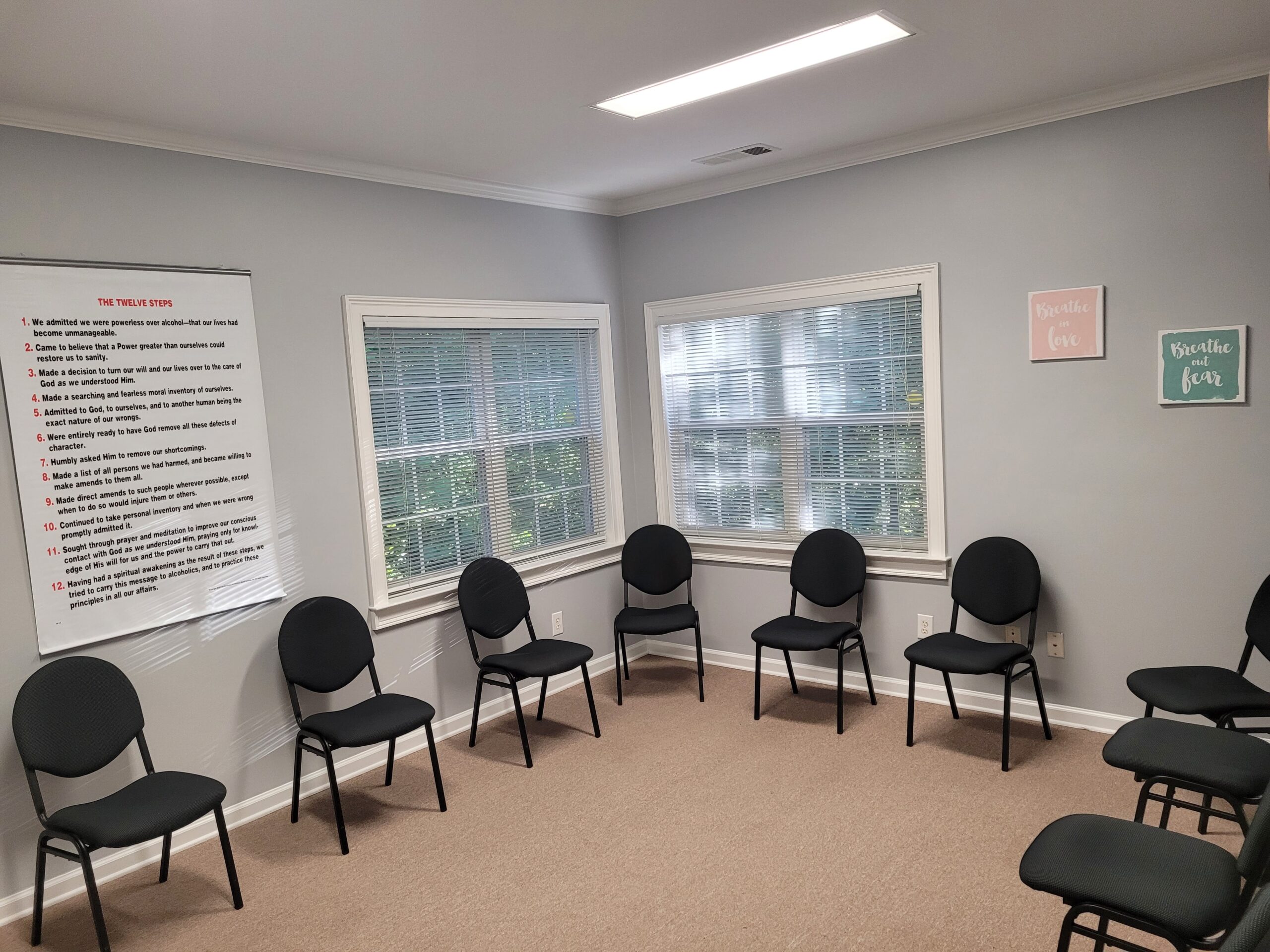
Check Out Our Facility in Atlanta, GA

Discover why our programs are top rated today. Talk with our admissions team about the right treatment plan to bring lasting recovery.

OxyContin Withdrawal and the Detoxification Process

Withdrawal can be one of the strongest barriers to stopping OxyContin. When the central nervous system has adapted to regular opioid exposure, reducing or stopping the drug can cause anxiety, muscle aches, sweating, nausea, vomiting, diarrhea, insomnia, restlessness, and strong cravings. The severity and timing of withdrawal depend on dosage, length of use, overall health, and whether alcohol or other substances are involved.

A detoxification process can help manage the physical transition away from opioids, but detox alone does not treat the underlying changes associated with opioid use disorder. When higher levels of care are required, healthcare professionals may recommend medically supervised withdrawal management or other stabilization before a person begins or returns to outpatient addiction treatment. Short-term detoxification without continuing care is associated with a high risk of returning to opioid use.

Overdose prevention should also be part of the treatment plan. Tolerance can drop after a period without opioids, making a return to a previously familiar dosage much more dangerous. Naloxone can rapidly reverse an opioid overdose while emergency medical help is being arranged.

OxyContin Addiction Treatment at Inner Voyage

At Inner Voyage Recovery Center, our approach to outpatient rehab Atlanta focuses on more than the substance itself. Our outpatient treatment model looks at the emotional, behavioral, and mental health concerns that may be connected to opioid use. For some people, OxyContin began as pain relief after surgery, injury, or another medical condition. For others, ongoing use became tied to anxiety, trauma, depression, or the need to escape emotional distress.

Treatment can include individual therapy, group therapy, relapse prevention, family support, and care for co-occurring mental health concerns. Rather than asking clients to rely on willpower alone, therapy helps identify triggers, build coping skills, and understand the root causes that continue reinforcing substance use.

When opioid addiction and mental health concerns overlap, integrated care becomes especially important. Our outpatient programs provide comprehensive care while allowing clients to stay connected to everyday responsibilities and supportive family members.

Request A Confidential Call

Help is Here When You're Ready

If you or someone you love is struggling with substance use or other mental health issues, Inner Voyage Recovery can help. Request a callback below to receive care and support you can trust.

"*" indicates required fields

Outpatient Addiction Treatment and When Higher Levels of Care Are Required

Outpatient addiction treatment can provide meaningful structure while allowing clients to continue living at home and remain connected to work, school, or family responsibilities. Depending on clinical needs, treatment may include PHP, IOP, individual therapy, group therapy, psychiatric support, and relapse prevention.

Some people need more intensive stabilization before outpatient care is appropriate. When higher levels of care are required because of severe withdrawal, medical instability, an unsafe home environment, or uncontrolled opioid use, healthcare professionals may recommend a more intensive setting before the person transitions into outpatient treatment.

The right level of care depends on individual needs, not a single rule. A clinical assessment helps determine which treatment options provide enough support while still allowing the person to continue progressing toward greater independence.

Medications Used in Opioid Addiction Treatment

Medications for opioid use disorder can be an important part of comprehensive care for people with moderate-to-severe opioid addiction. Long-term medication treatment is supported by stronger evidence than relying on short-term detoxification or behavioral therapy alone for many people with opioid use disorder.

Common medicines include:

  • Buprenorphine: A partial opioid agonist that can reduce withdrawal symptoms and cravings while helping stabilize opioid receptors.
  • Methadone: A long-acting opioid agonist used through appropriately regulated treatment settings to reduce withdrawal, cravings, and illicit opioid use.
  • Naltrexone: An opioid antagonist that prevents opioids from binding to receptors. A person generally needs to complete detoxification before starting it because opioids still in the body can trigger withdrawal.

Medication decisions should always be made with qualified health care providers. The goal is to support stability so that clients can participate more fully in therapy, strengthen coping skills, and continue working toward long-term recovery.

Your Path to Recovery Made Simple

How to Begin Your Recovery Journey

We know beginning treatment can feel intimidating, so weโ€™ve made the process simple and stress-free.

1

Get in touch
with us

Call or complete our contact form to connect with an admissions specialist who takes the time to listen and understand your situation.

2

Complete an assessment
& insurance review

Our team will review your history, discuss your needs, and confirm insurance coverage or explore self-pay options to make things easy.
3

Start your
treatment

Begin a personalized program built around your goals, supported by evidence-based care and a compassionate clinical team.

Mental Health and Opioid Addiction

OxyContin addiction and mental health often affect one another. Some people begin taking prescription opioids to manage severe pain and later notice that the medication has also become a way of handling anxiety, depression, trauma, or emotional distress. Others may already be living with a mental illness before problematic opioid use begins.

When those needs overlap, treating only the drug use can leave an important part of recovery untouched. Individual therapy can help clients explore emotional triggers and past experiences, while group therapy creates opportunities for connection, accountability, and learning from people facing similar challenges.

Comprehensive care should consider physical health, mental health, substance use history, and relationships together. That broader treatment plan gives clients more than abstinence alone. It helps them build coping skills that can support daily life after treatment.

The Best Atlanta PHP

How can our Atlanta PHP program help you?

Depth

The best way to achieve lasting recovery is deep healing. We guide you to what needs to be healed, and help you through it.

Support

Weโ€™re your partner and guide, every step of the way. With that level of support, recovery is more likely.

Strength

There is strength in your journey. Youโ€™ve gotten this far. Now letโ€™s take it all the way. We rely on your strengths as much as ours.

Accountability

Call it accountability, โ€œtough love,โ€ or whatever you like: We hold you to a higher standard. We see your potential and help you realize it.

Aftercare

No recovery is complete without aftercare planning and support. Our Alumni program helps you stick to sobriety for good.

Flexibility

Join our PHP and get support that fits your schedule. We specialize in helping busy adults get the support they need.

Aftercare and Long-Term OxyContin Addiction Recovery

Recovery does not end when someone completes the most intensive phase of treatment. Ongoing therapy, support groups, medication treatment when clinically appropriate, and regular contact with healthcare professionals can all help protect progress as clients move further into everyday life.

Continuing care is particularly important after detoxification because people who stop opioids and lose tolerance can face a greater overdose risk if they later return to use. Long-term treatment for opioid use disorder is generally more effective than relying on detoxification alone. Peer support and continued therapy can also help people recognize triggers and respond before cravings become overwhelming.

Family members can play an important role in this stage as well. Healthy support is not about monitoring every decision. It is about understanding addiction, respecting boundaries, encouraging treatment, and helping a loved one stay connected to the resources that support recovery.

Find A New Way Forward with Inner Voyage Recovery Center

Frequently asked questions

OxyContin addiction is clinically treated as a form of opioid use disorder. OxyContin contains oxycodone, an opioid analgesic prescribed for certain types of severe pain. With repeated use, tolerance and physical dependence can develop, and some people begin taking larger doses or continuing use despite negative consequences. A personalized treatment plan can help address cravings, behavioral patterns, mental health concerns, and the challenges that can arise when someone tries to stop taking OxyContin.

A treatment center may be appropriate when OxyContin use is affecting health, relationships, work, or the ability to function without the medication. Warning signs can include hiding use, needing higher doses, experiencing withdrawal, or repeatedly trying to stop without success. Receiving treatment early can reduce the risks associated with continued opioid abuse and help someone build a more stable recovery plan.

Yes. OxyContin is an extended-release form of oxycodone and belongs to the same broad drug class as other opioids and opiates. It affects opioid receptors in the brain and central nervous system. Although it may be prescribed for legitimate medical reasons, misuse can lead to dependence, addiction, and overdose. Naloxone can rapidly reverse an opioid overdose while emergency medical care is being arranged.

Drug abuse involving OxyContin can become more dangerous when alcohol, benzodiazepines, or other opioids are also involved. Mixing substances increases overdose risk and can make withdrawal and treatment more complicated. Long-term recovery usually requires more than detox alone. Ongoing therapy, medication for opioid use disorder when appropriate, and relapse-prevention support can all play important roles in rehab and continuing care.

Family members can support a loved one by encouraging professional care without using shame or threats. Learning about opioid addiction, maintaining healthy boundaries, and participating in family therapy can also help. Recovery belongs to the person receiving treatment, but compassionate support from loved ones can make the process feel less isolating and help reinforce healthier choices over time.

Reviews

Hear from those who’ve walked this path

Begin OxyContin Addiction Treatment With Inner Voyage Recovery Center

OxyContin addiction can affect physical health, mental health, relationships, and the ability to feel in control of everyday life. Recovery takes more than simply stopping the medication. A personalized treatment plan can help address opioid use, emotional pain, coping patterns, and the skills needed to move forward with greater stability.

At Inner Voyage Recovery Center, our outpatient programs provide compassionate support for people working through opioid addiction and co-occurring mental health concerns. When higher levels of care are required, those needs can be addressed before a person begins or returns to an appropriate outpatient level of care.

Contact us to discuss treatment options, or reach our admissions team by calling (470) 460-8437. You do not need to have every part of recovery figured out before asking for support.

If youโ€™re looking for more information, connect with our team by phone, email, or through our online form. Weโ€™re here to answer your questions, talk through your options, and support you as you begin your path toward lasting recovery.

Sources

National Institute on Drug Abuse. (August 21, 2024). Drug Overdose Deaths: Facts and Figures. National Institute on Drug Abuse.

Centers for Disease Control and Prevention. (June 9, 2025). Understanding the Opioid Overdose Epidemic. Centers for Disease Control and Prevention.

National Center for Biotechnology Information. (n.d.). The Neurobiology of Opioid Dependence: Implications for Treatment. National Center for Biotechnology Information.

Substance Abuse and Mental Health Services Administration. (August 25, 2025). Treatment Options for Substance Use Disorder. Substance Abuse and Mental Health Services Administration.

Substance Abuse and Mental Health Services Administration. (March 24, 2026). Peer Support Workers for Those in Recovery. Substance Abuse and Mental Health Services Administration.

Free & Easy Insurance Check

Alliant logo featuring a small black triangle followed by "Alliant" in bold black italic text.

Recovery Starts Here

"*" indicates required fields

This field is for validation purposes and should be left unchanged.
Preferred Method*
Get Treatment For All Your Healthcare Needs

Other What We Treat

Request A Confidential Call

Request a call and an Inner Voyage Recovery Center team member will be in touch.

"*" indicates required fields