Request a call to speak with an admissions specialist. We are here to help you.

"*" indicates required fields

Vicodin Treatment Center

Vicodin is a prescription opioid that combines hydrocodone with acetaminophen. Although it can be used for severe pain and pain management, repeated or non-prescribed use can lead to tolerance, physical dependence, and opioid use disorder. Vicodin addiction treatment can help address substance use, mental health concerns, coping patterns, and relapse risk through structured care. At Inner Voyage Recovery, our opioid rehab services support clients who are medically stable and ready for outpatient treatment, including individualized therapy, dual diagnosis support, medication management when clinically appropriate, and ongoing recovery planning.

Free Insurance Check

Free & Confidential | HIPAA Compliant | No Obligation

"*" indicates required fields

1
2
3
4
This field is for validation purposes and should be left unchanged.
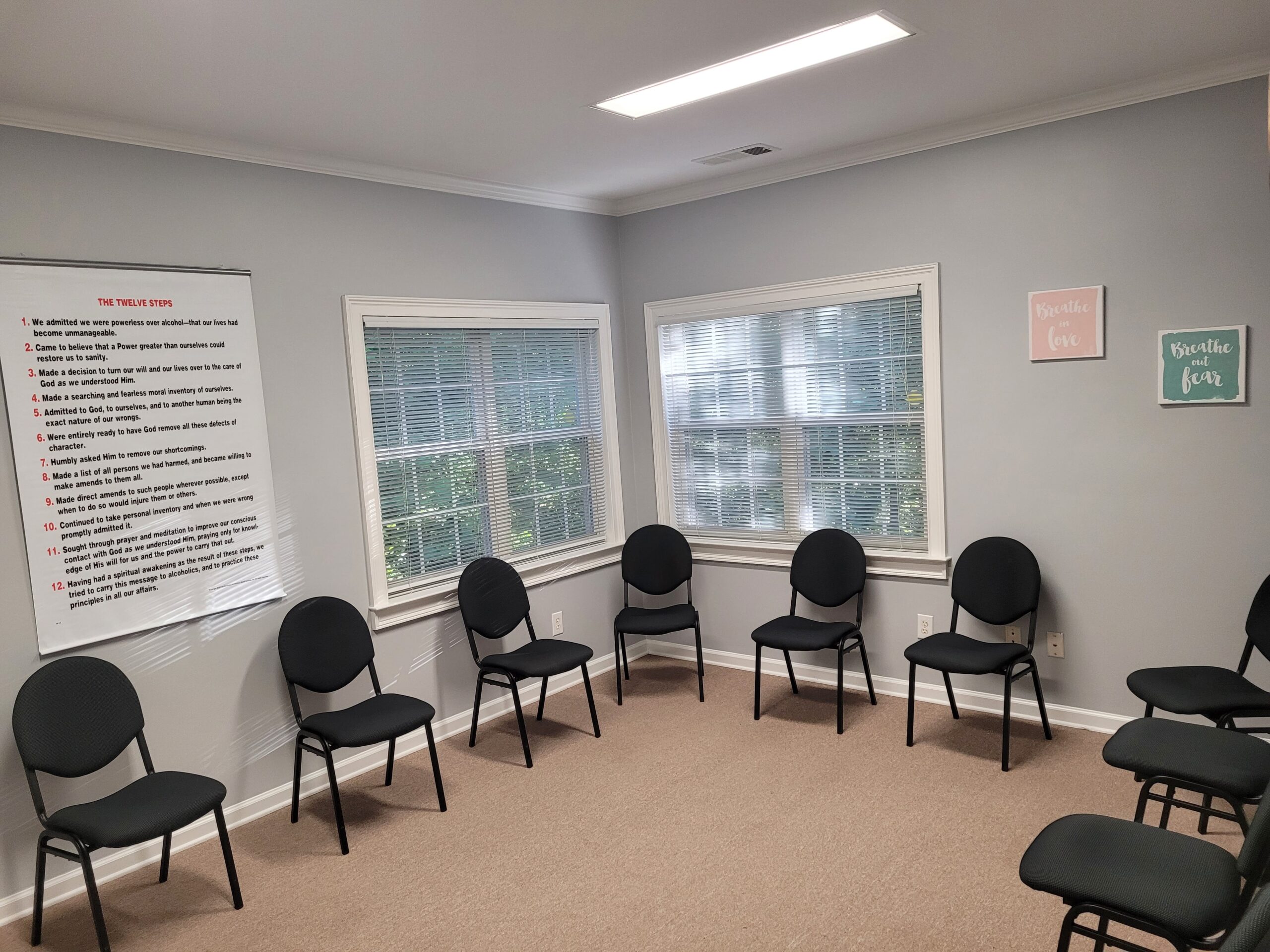
Group therapy session at Inner Voyage Recovery Center in Atlanta.

What Is Vicodin and How Does It Affect the Body?

Vicodin combines hydrocodone, an opioid pain reliever, with acetaminophen. Because misuse can develop from medication originally prescribed for pain, prescription drug rehab Georgia may help address problematic prescription opioid use through structured treatment. Hydrocodone binds to opioid receptors in the brain and central nervous system, which can reduce the perception of pain and may also produce sedation or relaxed euphoria.

Table of Contents

When taken as prescribed, Vicodin may be used to treat moderate to severe pain for an appropriate period of time. Problems can develop when the medication is taken in larger amounts, used more frequently than directed, combined with other substances, or continued despite negative consequences.

Possible effects of Vicodin use can include:

  • Pain relief
  • Drowsiness
  • Relaxation or euphoria
  • Slowed breathing
  • Nausea
  • Constipation
  • Dizziness
  • Reduced coordination

Because Vicodin contains an opioid, repeated exposure can lead the body to adapt over time.

Tolerance, Physical Dependence, and Vicodin Addiction

Tolerance, physical dependence, and addiction are related but distinct. Physical dependence does not automatically mean someone is addicted. A person can experience withdrawal symptoms after taking Vicodin as prescribed for a period of time. Addiction involves a broader pattern of drug abuse and loss of control.

Professional Vicodin addiction treatment can help clients distinguish between dependence, misuse, and a disorder involving Vicodin while also addressing the mental health or behavioral factors connected to continued use.

Term What It Means
Tolerance A person may need a higher dose over time to experience the same effect
Physical dependence The body adapts to regular Vicodin use, and withdrawal symptoms may occur if the medication is reduced or stopped
Misuse Taking Vicodin differently from prescribed directions, using medication prescribed to someone else, or combining it with substances in unsafe ways
Opioid use disorder A substance use disorder involving impaired control, compulsive use, and continued opioid use despite harm

Check Out Our Facility in Atlanta, GA

Discover why our programs are top rated today. Talk with our admissions team about the right treatment plan to bring lasting recovery.

Signs and Symptoms of Vicodin Misuse

Vicodin abuse may begin gradually. Some people start taking additional doses for pain relief, while others begin using the medication for its sedating or euphoric effects.

Behavioral Signs of Vicodin Abuse

Possible warning signs include:

  • Taking larger doses than prescribed
  • Using Vicodin more often than directed
  • Running out of medication early
  • Visiting multiple doctors to obtain additional prescriptions
  • Using Vicodin prescribed to family members or other people
  • Spending increasing amounts of time thinking about or obtaining the drug
  • Combining Vicodin with alcohol, benzodiazepines, or other substances
  • Continuing use despite problems with health, relationships, work, or daily responsibilities

These patterns may indicate that Vicodin use has progressed beyond appropriate pain management.

Physical and Emotional Signs

Someone struggling with Vicodin addiction may also experience:

  • Drowsiness or nodding off
  • Constricted pupils
  • Slurred speech
  • Poor coordination
  • Mood changes
  • Anxiety or irritability
  • Difficulty concentrating
  • Intense cravings
  • Withdrawal symptoms when use is reduced or stopped

A loved one may notice these changes before the person using Vicodin recognizes the extent of the problem.

Request A Confidential Call

Help is Here When You're Ready

If you or someone you love is struggling with substance use or other mental health issues, Inner Voyage Recovery can help. Request a callback below to receive care and support you can trust.

"*" indicates required fields

Risks of Continued Vicodin Misuse

Continued Vicodin misuse can affect physical health, mental health, relationships, and daily functioning. Hydrocodone is a central nervous system depressant. Taking too much Vicodin, or combining it with alcohol, benzodiazepines, sedatives, or other opioids, can increase the risk of dangerous sedation and respiratory depression.

The acetaminophen component adds another concern. Taking excessive amounts of Vicodin can expose the liver to unsafe levels of acetaminophen, particularly when combined with other medications that also contain acetaminophen.

Other risks may include:

  • Escalating tolerance
  • Increasing physical dependence
  • Greater difficulty controlling use
  • Use of multiple doctors or unauthorized sources
  • Increased risk of overdose
  • Worsening anxiety, depression, or other mental illness
  • Problems with employment, school, or relationships
  • Transition to other opioids or illicit drugs for some individuals

Continued misuse can make it harder to sustain recovery without professional support, but the appropriate level of care depends on medical stability, severity of opioid addiction, co-occurring conditions, and the personโ€™s home environment.

Vicodin Withdrawal Symptoms

Vicodin withdrawal can occur when someone who has developed physical dependence reduces or stops the medication. Common withdrawal symptoms can range from mild to more severe depending on the duration and amount of Vicodin use, other substances involved, and the personโ€™s overall health.

Common Withdrawal Symptoms

People may experience withdrawal symptoms such as:

  • Anxiety or restlessness
  • Insomnia
  • Muscle aches
  • Sweating
  • Runny nose
  • Nausea
  • Abdominal discomfort
  • Diarrhea
  • Cravings
  • Changes in mood or energy

Vicodin withdrawal can be uncomfortable, and intense cravings may increase the risk of returning to opioid use. The appropriate next step depends on withdrawal severity, medical needs, other substances involved, and overall clinical stability. A Vicodin detox or other form of withdrawal management should be guided by qualified healthcare professionals when medical supervision is appropriate.

Experience the Inner Voyage Difference

How can our Atlanta Detox program help you?

New Skills

Learn to manage stress with mindfulness, breathing, exercise, and more.

Stability

Get help building a routine that works for your life and recovery.

Caring Staff

Our alumni love us, and you will too. We have 67 five-star reviews (and growing).

Insurance Acceptedโ€จ

We accept major insurance carriers. And if youโ€™re inclined, we have self-pay and other options. Just ask our admissions staff!

Veteran Support

Youโ€™ll benefit from our staffโ€™s specialized trainings and support for veterans. We understand what youโ€™ve experienced, and can help you process it for good and leave it in the past.

When Medical Detox or Higher-Level Care May Be Needed

Some clients may need medical detox, inpatient rehab, or residential treatment before outpatient care is appropriate. This can depend on withdrawal severity, other substances involved, medical conditions, opioid dependence, relapse risk, and the stability of the home environment.

Inner Voyage Recovery does not provide medical detox or inpatient treatment on-site. When closer medical monitoring or withdrawal management is needed, a higher level of care such as detox Atlanta may be appropriate before a client transitions into our outpatient programs.

What Medical Detox May Address

A detox program may help manage:

  • Moderate to severe withdrawal symptoms
  • Dehydration or other physical complications
  • Use of multiple substances
  • Significant cravings
  • Recent return to opioid use
  • Medical or psychiatric concerns that require closer observation

Medication decisions during opioid withdrawal should be made by qualified medical professionals. Depending on clinical circumstances, medications used in opioid use disorder treatment may include buprenorphine, methadone, or naltrexone. The National Institute on Drug Abuse explains that these medications work in different ways and may support treatment when clinically appropriate.

Once a client is medically stable, the recovery process can continue through structured outpatient care.

Your Path to Recovery Made Simple

How to Begin Your Recovery Journey

We know beginning treatment can feel intimidating, so weโ€™ve made the process simple and stress-free.

1

Get in touch
with us

Call or complete our contact form to connect with an admissions specialist who takes the time to listen and understand your situation.

2

Complete an assessment
& insurance review

Our team will review your history, discuss your needs, and confirm insurance coverage or explore self-pay options to make things easy.
3

Start your
treatment

Begin a personalized program built around your goals, supported by evidence-based care and a compassionate clinical team.

Vicodin Addiction Treatment at Inner Voyage

At Inner Voyage Recovery, our Vicodin addiction treatment approach focuses on substance use patterns, coping skills, relapse risk, and other needs that may affect recovery after medical stabilization.

A Vicodin rehab program at Inner Voyage may include:

  • Individualized treatment planning
  • Individual therapy
  • Group therapy
  • Dual diagnosis support
  • Medication management when clinically appropriate
  • Relapse-prevention planning
  • Family involvement when appropriate
  • Ongoing support as treatment needs change

Treatment is individualized based on the severity of Vicodin use disorder, current symptoms, co-occurring concerns, home environment, and personal treatment goals.

Our Outpatient Treatment Options

Inner Voyage offers several levels of outpatient care for clients who are clinically appropriate for treatment outside a 24-hour medical or residential setting.

Level of Care General Role
PHP Most structured outpatient level for clients who need substantial therapeutic support while living outside the treatment setting
IOP Structured therapy and recovery support with greater flexibility for everyday responsibilities
Evening IOP Intensive outpatient support scheduled around daytime work, school, or family responsibilities
Standard outpatient Lower-intensity ongoing care that may support continued progress and accountability

Partial Hospitalization Program

Our partial hospitalization program Atlanta provides the highest level of structure within our outpatient continuum and may be appropriate for clients who need more intensive support after medical stabilization.

Intensive Outpatient Program

Our Atlanta IOP provides structured therapy and recovery support while allowing clients to continue living at home.

Evening Intensive Outpatient Program

Our evening intensive outpatient program may be a better fit for clients balancing treatment with work, school, caregiving, or other daytime responsibilities.

Standard Outpatient Care

Our outpatient rehab Atlanta services can provide ongoing counseling, coping strategies, relapse-prevention support, and continued accountability as clinical needs change.

The Best Atlanta PHP

How can our Atlanta PHP program help you?

Depth

The best way to achieve lasting recovery is deep healing. We guide you to what needs to be healed, and help you through it.

Support

Weโ€™re your partner and guide, every step of the way. With that level of support, recovery is more likely.

Strength

There is strength in your journey. Youโ€™ve gotten this far. Now letโ€™s take it all the way. We rely on your strengths as much as ours.

Accountability

Call it accountability, โ€œtough love,โ€ or whatever you like: We hold you to a higher standard. We see your potential and help you realize it.

Aftercare

No recovery is complete without aftercare planning and support. Our Alumni program helps you stick to sobriety for good.

Flexibility

Join our PHP and get support that fits your schedule. We specialize in helping busy adults get the support they need.

Therapy and Mental Health Support for Co-Occurring Disorders

Vicodin addiction can occur alongside anxiety, depression, trauma-related symptoms, chronic pain, or another mental health disorder. When co-occurring disorders are present, addressing both substance use and mental health needs can support more coordinated treatment and reduce barriers to continued progress.

Our dual diagnosis treatment centers Georgia program addresses qualifying co-occurring disorders alongside substance use within the outpatient treatment plan.

Individual and Group Therapy

Treatment may include:

Therapy can help clients build healthier responses to stress, cravings, pain, and mental health symptoms that may otherwise interfere with recovery.

Experiential and Holistic Support

Some clients may also benefit from experiential therapies or holistic approaches that complement evidence-based treatment. Our holistic therapy Atlanta services may help clients develop additional tools for stress management, emotional regulation, and overall well-being.

Long-Term Recovery and Relapse Prevention

Long-term recovery can involve continued attention to triggers, pain, mental health concerns, relationships, and everyday routines after more structured treatment ends.

Relapse-prevention planning may include:

  • Recognizing early warning signs
  • Developing healthy coping strategies
  • Continuing therapy when appropriate
  • Maintaining supportive relationships
  • Following medication recommendations from qualified prescribers
  • Building consistent sleep, nutrition, and daily routines
  • Addressing changes in mental health or pain
  • Creating a plan for high-risk situations

Inner Voyage also offers an alumni program for addiction for eligible clients who want continued connection after structured treatment. Continued care can help clients strengthen coping strategies, recognize early warning signs, and maintain the routines and relationships that support long-term recovery.

Find A New Way Forward with Inner Voyage Recovery Center

Frequently asked questions

Get answers to commonly asked questions.

A Vicodin rehab center should assess opioid use, withdrawal risk, mental health needs, home stability, and the level of structure needed for recovery. An addiction treatment center may use behavioral therapy, medication management when clinically appropriate, and relapse-prevention planning to support recovery after medical stabilization.

To overcome Vicodin addiction, treatment should address both substance abuse and the factors that keep use going, such as cravings, stress, pain, or co-occurring mental health concerns. A structured recovery journey may include individual therapy, group support, coping skills, and ongoing care designed to help clients work toward a more stable sober life.

People who abuse Vicodin may need medical detox, inpatient care, or residential treatment when withdrawal symptoms, polysubstance use, medical concerns, or relapse risk require closer monitoring. Some medications used in opioid treatment, including buprenorphine, methadone, or naltrexone, have different clinical requirements and should be managed by qualified professionals.

A Vicodin addiction treatment center may provide therapy, dual diagnosis care, medication management, and relapse-prevention services in a safe and supportive environment. Some programs treat mild to moderate needs through outpatient care, while higher levels may be appropriate first when medical stabilization is necessary.

Yes. Long-term recovery often involves continued therapy, healthy coping strategies, supportive relationships, and a plan for managing triggers and setbacks. Organizations such as the Substance Abuse and Mental Health Services Administration recognize medication and behavioral therapies as important components of opioid treatment. Ongoing support can help clients maintain progress and strengthen recovery over time.

Reviews

Hear from those who’ve walked this path

Find Lasting Recovery with Inner Voyage Recovery

Vicodin addiction treatment can help clients address opioid dependence, mental health concerns, and the behaviors that make continued use difficult to control. At Inner Voyage Recovery, our outpatient programs provide structured therapy, dual diagnosis care, medication management when clinically appropriate, and ongoing support for clients who are medically stable and ready for treatment. Contact us by calling (470) 460-8437 to speak with our admissions team about Vicodin addiction treatment for you or a loved one.

If youโ€™re looking for more information, connect with our team by phone, email, or through our online form. Weโ€™re here to answer your questions, talk through your options, and support you as you begin your path toward lasting recovery.

Sources

National Center for Biotechnology Information. (October 6, 2024). Hydrocodone and Acetaminophen – StatPearls – NCBI Bookshelf – NIH. National Center for Biotechnology Information.

Drug Enforcement Administration. HYDROCODONE (Trade Names: Vicodinยฎ, Lortabยฎ, Lorcet-HD …). Drug Enforcement Administration.

National Library of Medicine. (April 15, 2026). Hydrocodone: MedlinePlus Drug Information. National Library of Medicine.

National Center for Biotechnology Information. Prescription of Controlled Substances: Benefits and Risks – NCBI – NIH. National Center for Biotechnology Information.

Free & Easy Insurance Check

Alliant logo featuring a small black triangle followed by "Alliant" in bold black italic text.

Recovery Starts Here

"*" indicates required fields

This field is for validation purposes and should be left unchanged.
Preferred Method*
Get Treatment For All Your Healthcare Needs

Other What We Treat

Request A Confidential Call

Request a call and an Inner Voyage Recovery Center team member will be in touch.

"*" indicates required fields