Medical Assessment and Withdrawal Management
A medical assessment can help determine whether someone needs supervised withdrawal management before participating in outpatient addiction treatment.
Healthcare professionals may evaluate withdrawal symptoms, respiratory health, other medications, and possible polysubstance use. Some individuals may require medically supervised detox, particularly when symptoms are severe or additional medical risks are present.
Inner Voyage Recovery Center provides outpatient addiction and dual diagnosis treatment rather than medical detox or emergency stabilization. When higher levels of care are required, individuals should receive appropriate medical treatment before transitioning into outpatient services.
Can Buprenorphine Help With 7-OH Dependence?
Buprenorphine is an established medication for opioid use disorder. Emerging research, including a 2026 case report published in the Journal of Addiction Medicine, describes its use in treating selected patients with significant 7-OH dependence. However, evidence remains limited, and these findings do not establish a standardized treatment protocol for concentrated 7-hydroxymitragynine products.
These reports suggest that buprenorphine, sometimes combined with naloxone, may help manage opioid-like withdrawal symptoms and cravings under medical supervision.
However, there is no standardized buprenorphine dosing protocol specifically for 7-OH dependence. Treatment requires careful clinical judgment, including consideration of medication timing, potential precipitated withdrawal, and other substance exposure.
Recognizing Overdose and Serious Health Concerns
Concentrated 7-OH products may produce opioid-related toxicity, including potentially life-threatening respiratory depression.
Warning signs such as severely slowed breathing, unresponsiveness, or loss of consciousness require immediate emergency medical attention. Naloxone should be administered when opioid overdose is suspected and is available, while emergency services are contacted.
Because 7-OH-specific overdose evidence remains limited, naloxone response cannot be guaranteed. Emergency medical evaluation remains essential even when symptoms appear to improve.
Behavioral Therapy and Addiction Recovery
Behavioral therapy helps individuals recognize the thoughts, emotions, and circumstances associated with compulsive substance use.
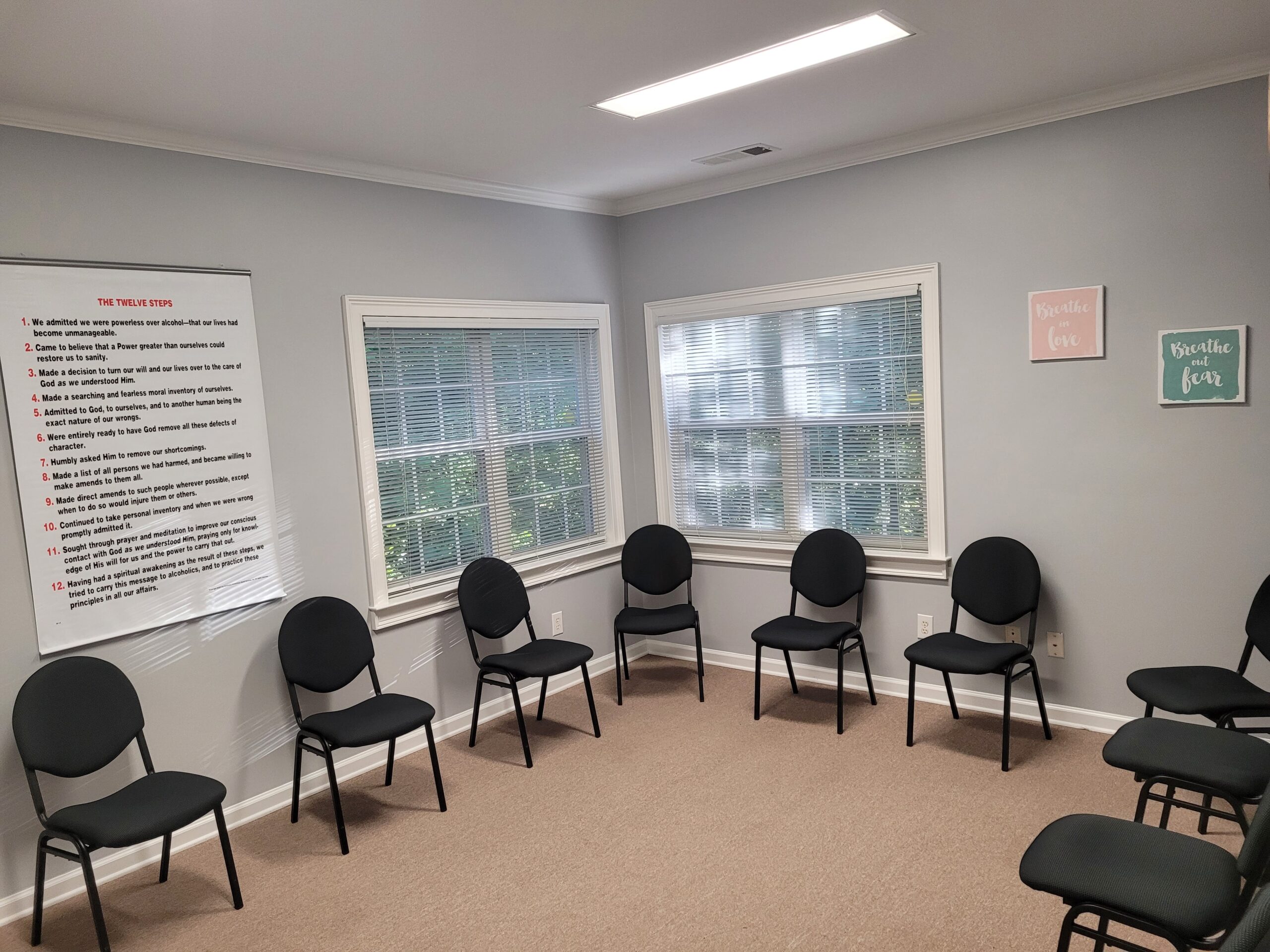
Cognitive behavioral therapy (CBT) can support healthier responses to cravings, stress, and situations that increase relapse risk. Individual therapy provides opportunities to explore personal experiences, while group therapy encourages connection and accountability.
For individuals with co-occurring mental health conditions, these approaches can become part of an integrated treatment plan that addresses substance use and emotional well-being together.